
Case Studies & Success Stories

Bryan Johnson: $800M Exit, 3M Followers, a Break-Even Brand

August 22, 2026
Share
Bryan Johnson: $800M Exit, 3M Followers, a Break-Even Brand

Get Creator Revenue Insights

How creators are turning audiences into subscription businesses
Share
Bryan Johnson has a $400 million net worth, a Netflix documentary, 3 million Instagram followers, and a consumer brand that he says only breaks even. He is the most instructive cautionary tale in the creator economy right now, because his problem is not attention or money. It is the business model he attached to them. Key Takeaways:
  • Johnson sold his payments company Braintree to PayPal for $800M in cash in 2013
  • His longevity brand Blueprint launched a $333/month subscription in January 2024 with 2,500 initial slots (Fortune)
  • In July 2025 he told Wired that Blueprint is break-even and that he is close to shutting it down or selling it
  • His free Don't Die app holds a 4.8 rating from 645 App Store reviews as of August 2026
  • The lesson for creators: attention converts to wealth only through the right vehicle, and physical products are usually the wrong one
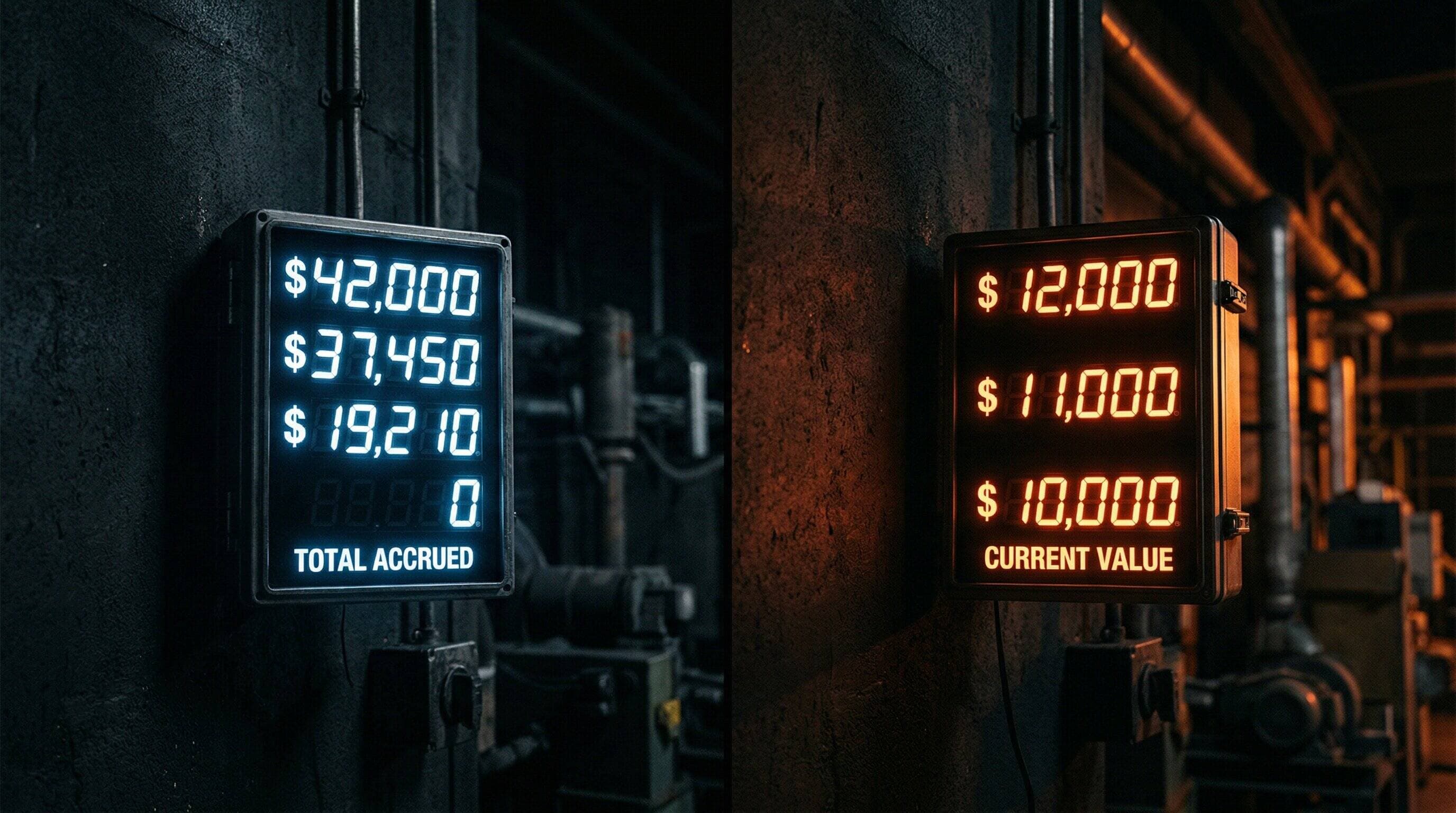
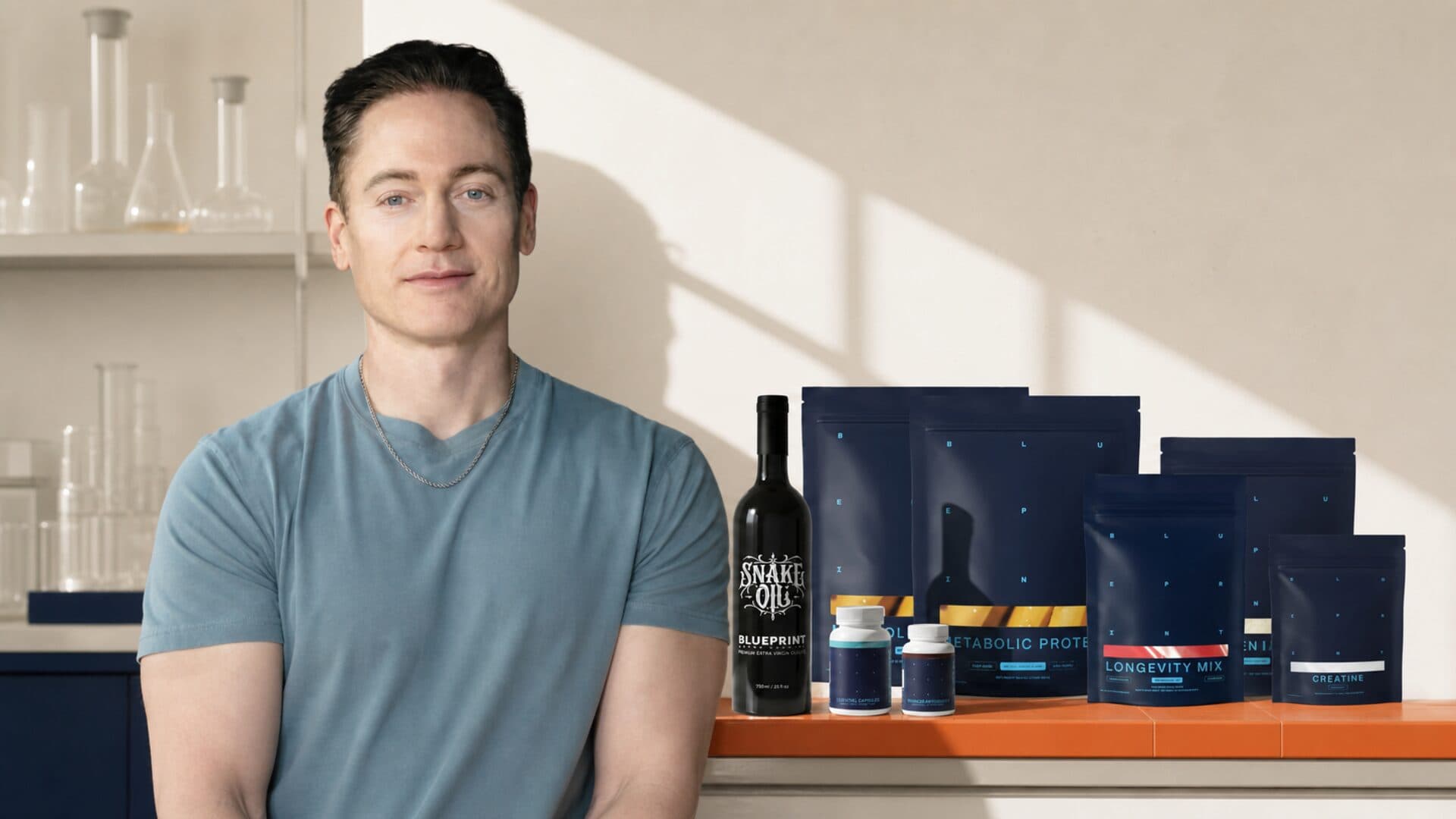
Bryan Johnson is a tech founder turned longevity creator who spends about $2 million a year trying to slow his own aging, documents the results publicly, and sells the protocol through his brand Blueprint. He founded the payment processor Braintree in 2007 and sold it to PayPal for $800 million six years later. Fortune put his net worth around $400 million in 2024. The creator chapter started in 2021, when he began publishing his full anti-aging protocol, blood panels included. The internet could not look away. By 2026 he had 3 million Instagram followers, more than 2 million YouTube subscribers, and a Netflix documentary, Don't Die: The Man Who Wants to Live Forever, released January 1, 2025. That is a distribution machine most creators would trade anything for. Which makes what happened next worth studying closely. Bryan Johnson monetizes through Blueprint, a physical products brand selling supplements, olive oil, and meal mixes, including a $333/month subscription, plus ticketed Don't Die Summit events. The subscription opened in January 2024 with a $999 minimum entry and 2,500 slots, according to Fortune. Summit tickets have ranged from $150 for half-day access to $699 for premium entry, per SFGATE's coverage of the San Francisco event. On paper that looks like a model creators are told to copy: recurring subscription, premium pricing, live events, a devoted audience. The revenue is real. The economics are not what they appear. In March 2025, The New York Times reported, based on internal documents and interviews with current and former employees, that Blueprint was missing its monthly break-even target by more than $1 million. Johnson disputed the framing but confirmed the headline number himself in a July 2025 interview with Wired: "We are break-even, and I've said that publicly many times. We've had profitable months, we've had loss months." Read that again. The most famous health creator alive, with a Netflix documentary as a customer acquisition channel that cost him nothing, runs a company that does not make money. Blueprint breaks even because it sells physical products, and physical products carry costs that scale with every order: ingredients, manufacturing, packaging, shipping, inventory risk, and quality control. A $333/month supplement subscription is not $333 of margin. It is a warehouse, a supply chain, and a customer service queue attached to a famous face.
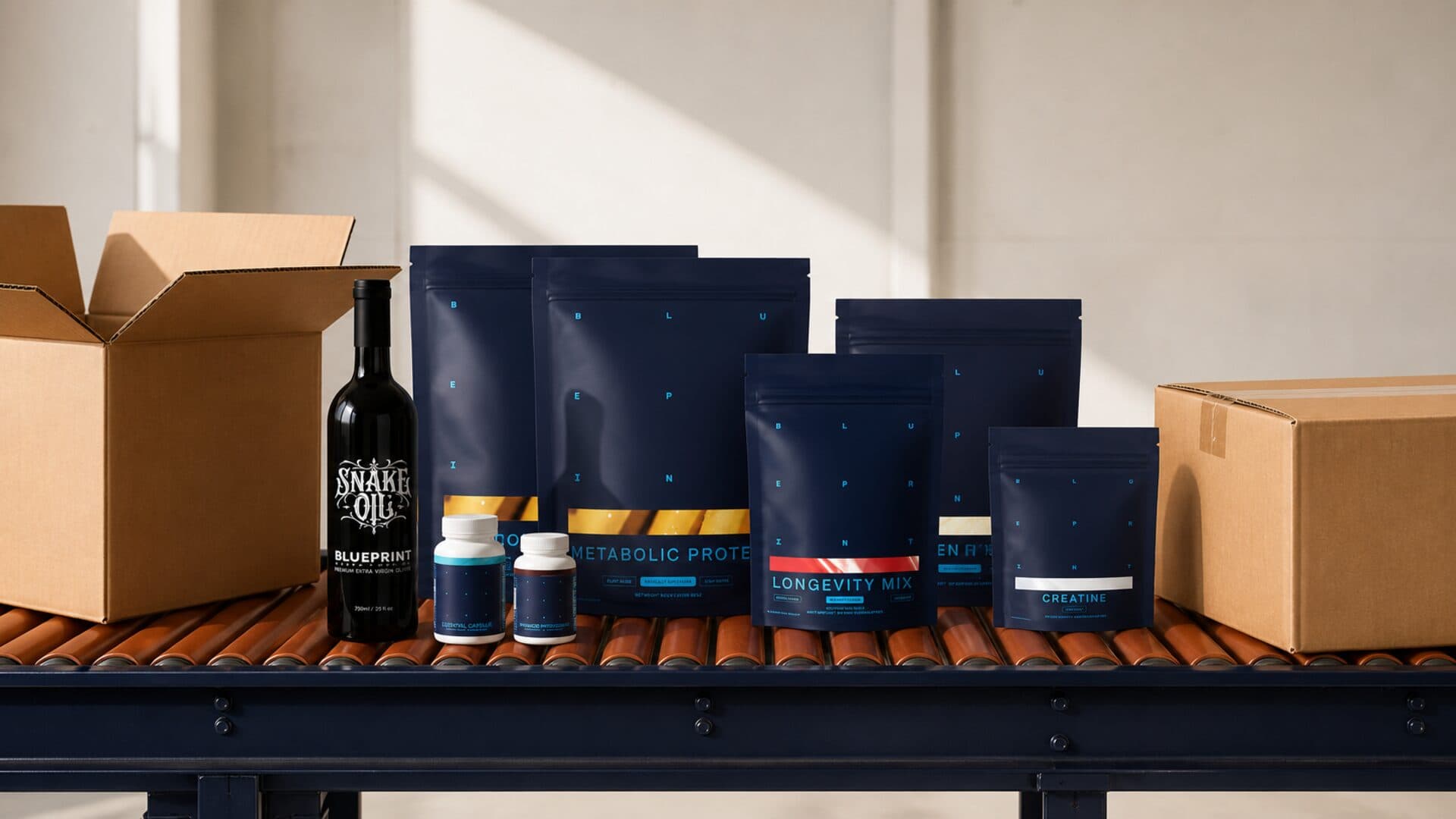
Blueprint's real Big Stack products moving between open and sealed parcels on a fulfillment conveyor
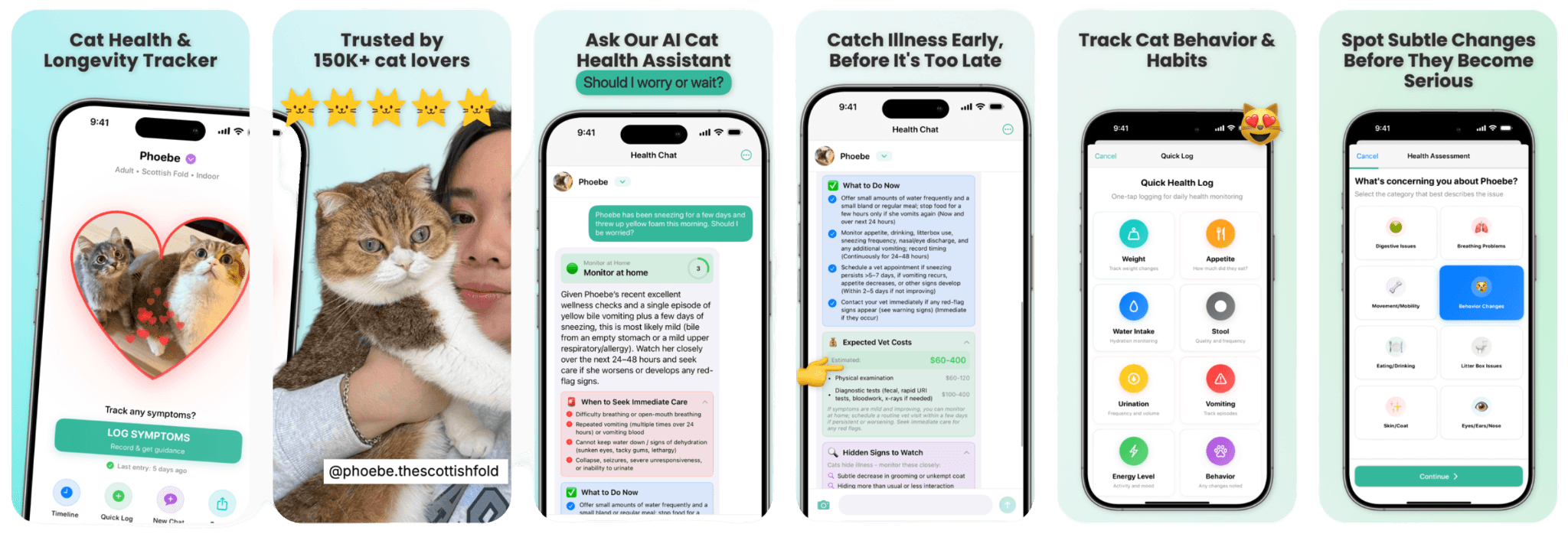
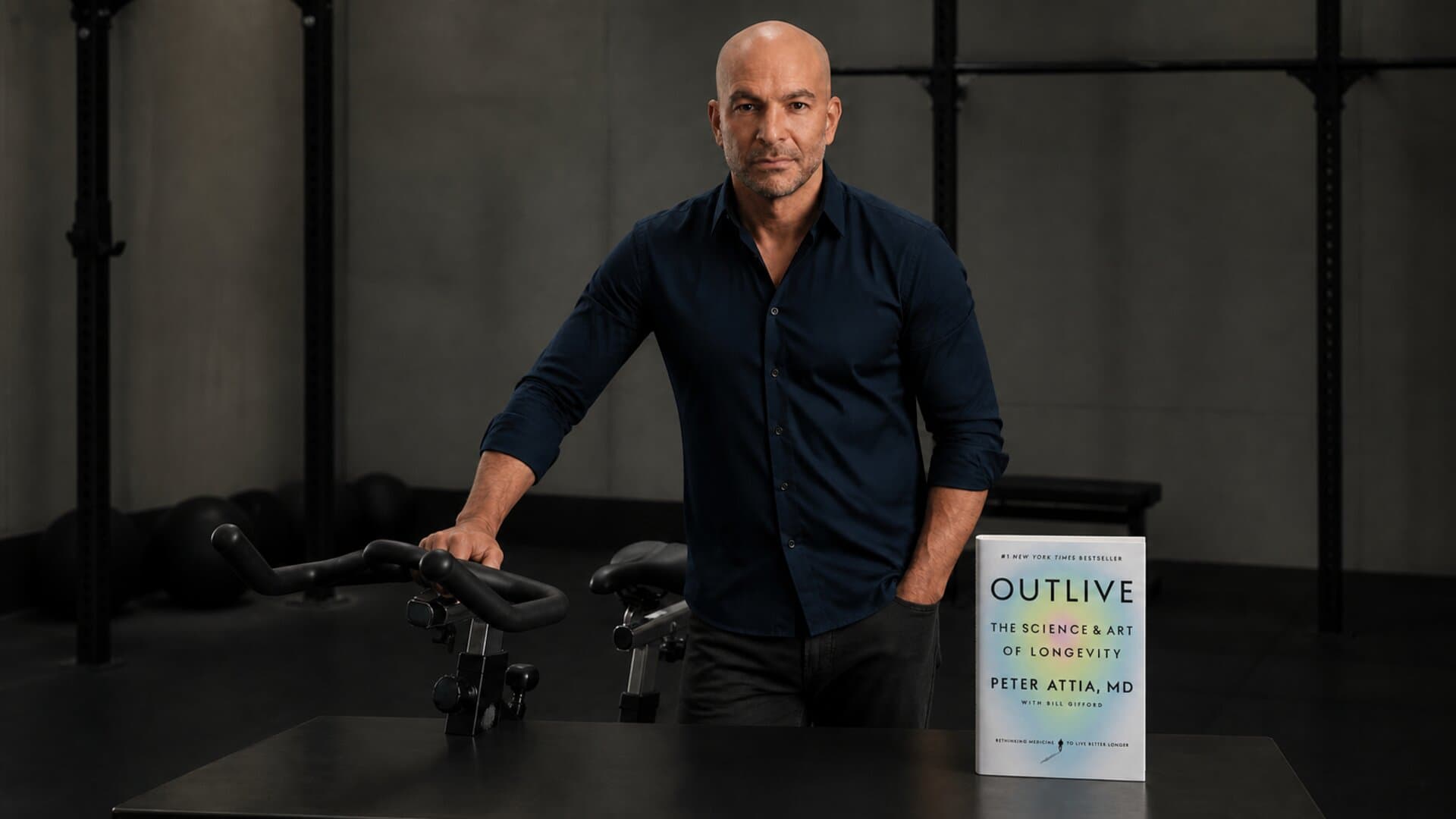
Compare that to software. A subscription app costs roughly the same to serve 50,000 members as it does 5,000. That difference is the entire game. It is why creators are ditching merch for apps, and it is why the app businesses in our 12 creator apps making real money breakdown keep their margins as they grow. Johnson also discovered a second cost, one that never shows up on an income statement. He told Wired he is "so close to either shutting it down or selling it," and that Blueprint is "a pain-in-the-ass company" he no longer needs: "People see the business and give me less credibility on the philosophy side. I will not make that trade-off." The product undermined the mission it was built to fund. When your margins are thin, you have to sell hard, and when you sell hard, your audience starts reading every post as an ad. The irony is that Johnson already built the right product. He just forgot to attach a business to it. The Don't Die app, released in October 2024, gives fans a "Don't Die Score" computed from synced wearable data, lets them compete with friends and with Johnson himself, and connects them to local meetups. It holds a 4.8 rating from 645 reviews. It is the piece of his empire that does what software does best: turn passive followers into daily participants, generate an endless stream of shareable moments, and cost nearly nothing per additional user. Every score screenshot a member posts is content Johnson did not have to create. Every leaderboard is a retention loop. This is the engagement engine Peter Attia charges $149 a year for in his longevity membership, running as a free companion to a supplement brand.
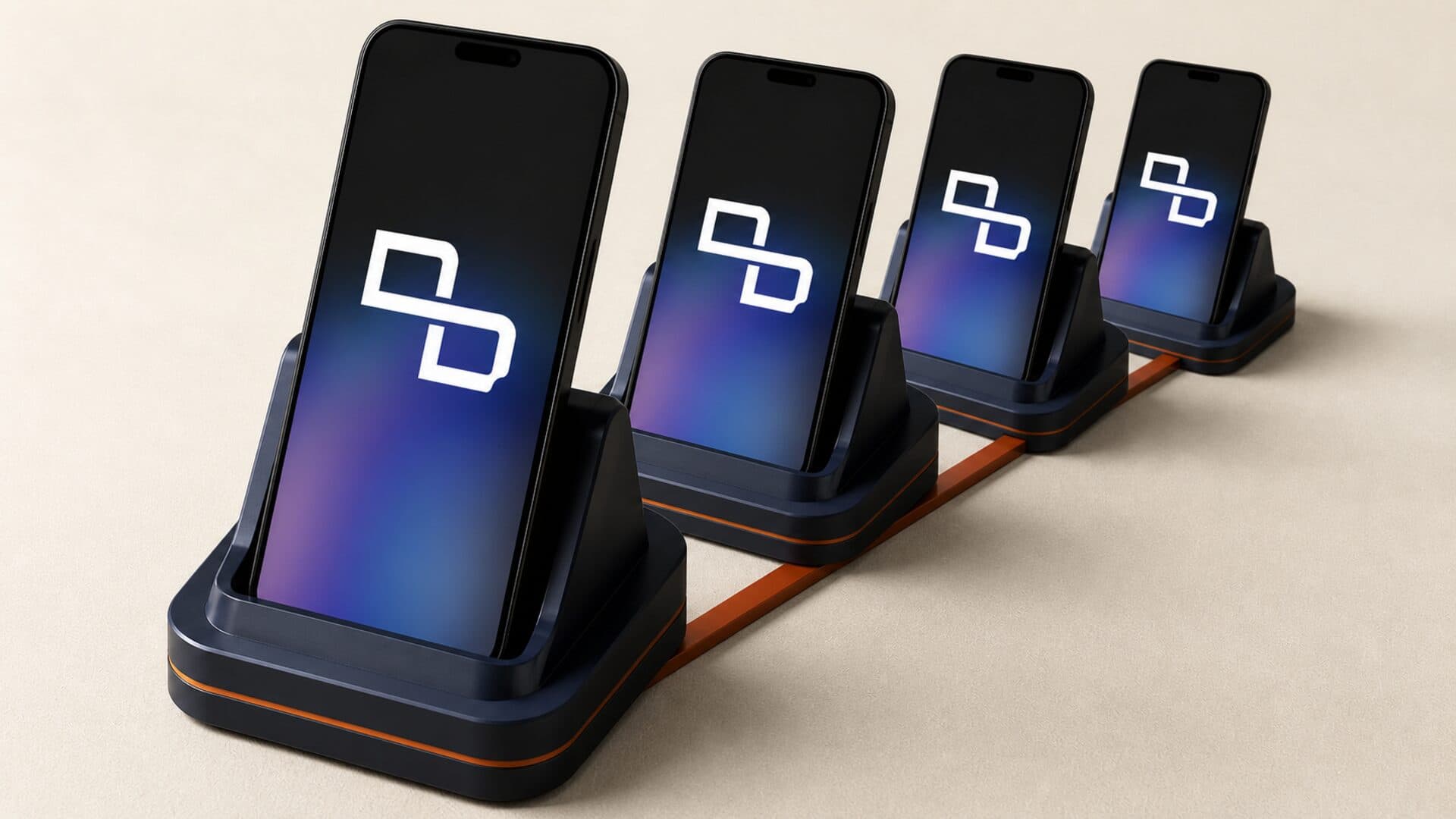
The real Don't Die app icon repeated across four phones on one connected deployment rail
A creator with Johnson's audience and a paid app at even $10 a month converting a modest slice of 3 million followers would clear more profit than a physical brand doing tens of millions in revenue at break-even. That is not a hypothetical. It is subtraction: revenue minus cost of goods, and software's cost of goods rounds to zero. 1. Revenue is vanity, margin is the business. Blueprint proves you can have premium pricing, recurring billing, and a fanatical audience and still make nothing, because supplements and food carry real unit costs forever. Before you copy a creator's model, ask what is left after the product ships. 2. Do not let your product tax your credibility. Johnson's sharpest complaint was not financial. Selling physical goods made his audience trust him less. A tool your fans use daily builds trust; a package you push monthly spends it. 3. Your app should be the business, not the accessory. Johnson built the engagement machine and gave it away, then kept the low-margin grind as the revenue line. Flip it. The daily-use product is the thing people will pay for, and it is the thing that earns whether or not you post. Johnson can afford the mistake. He had $400 million before he posted his first blood panel. You do not need his money to avoid it. You need his audience math with better unit economics, and that is a choice you make once, at the start. PayPal acquired Braintree for $800 million in cash in 2013. Bryan Johnson founded the payments company in 2007 and used part of the proceeds to fund his later ventures, including the neurotech company Kernel and the longevity brand Blueprint. Bryan Johnson says Blueprint is break-even. In a July 2025 Wired interview he said the company has had profitable months and loss months, and that he was close to shutting it down or selling it. The New York Times reported in March 2025 that the company had been missing its monthly break-even target by more than $1 million. Don't Die is Bryan Johnson's free iOS and Android app, released in October 2024. It syncs wearable data to calculate a daily "Don't Die Score," lets users compete with friends and with Johnson, and connects members to local events. It holds a 4.8 rating on the App Store from 645 reviews as of August 2026. Creator apps make more money than physical products because software has almost no cost per additional subscriber, while supplements, merch, and food lose ingredients, manufacturing, and shipping costs on every order. A subscription app keeps most of each dollar as the audience grows. BUILT BY FOUNDRY builds these apps for creators at $0 upfront and shares revenue; the model is explained on our about page.
Our work

Creators who already did this

These are apps we designed, built, shipped, and still run today, with the creator keeping the code and the audience.

Creator app strategy

Curious what your app could be?

Enter your handle and BUILT BY FOUNDRY will research your audience and present custom app concepts. Free.

Bryan Johnson: $800M Exit, 3M Followers, a Break-Even Brand