

Key Takeaways:
- Kayla Itsines' Sweat app reached 450,000 paid subscribers and $100M annual revenue before a $400M acquisition
- Joe Wicks' Body Coach app grew to 100,000+ subscribers and sold for £70 million
- Most creator apps on this list launched to existing audiences with 1M+ followers — but the model works at much smaller scale
- Every app here charges monthly or annually — subscriptions compound, one-time sales don't
- The barrier to entry isn't tech: it's deciding to build something your audience pays for monthly instead of chasing the next brand deal
Most creators treat app-building like a lottery ticket. One in a million chance. Not worth the odds.
That framing is wrong.
Creator apps have become one of the most proven business models in the internet economy. Not hype-driven influencer apps built on limited drops — but subscription products where creators package real expertise into something their audience pays for every month.
The 12 apps below aren't exceptions. They're the playbook.
Why Do Most Creator Apps Fail to Make Money?
The apps that generate real revenue share three things:
1. Subscription model. One-time sales don't compound. Subscriptions do. Every app on this list charges monthly or annually for ongoing access.
2. A method, not just content. Kayla Itsines didn't put Instagram posts in an app. She built a structured 12-week program. Joe Wicks didn't upload YouTube videos. He built a coaching system. The method is what subscribers pay for — not the content.
3. Audience trust came first. Every app here launched to an existing, engaged audience. The app monetized existing trust. It didn't try to build it.
Here are 12 creator apps that prove the model — with the numbers to back it up.
1. Sweat App — Kayla Itsines
Revenue: $100M+ ARR. Acquired for $400 million.
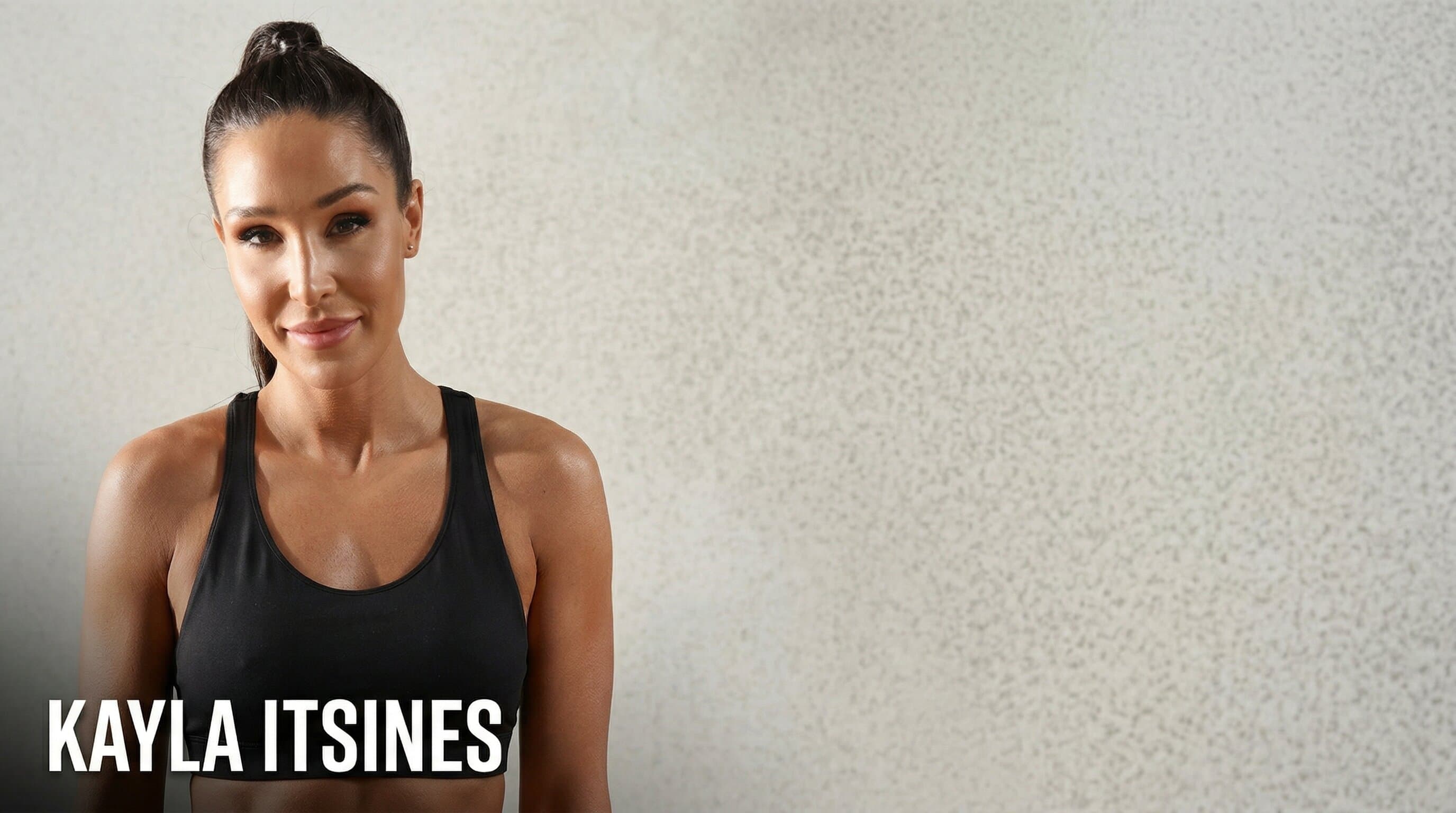
Kayla Itsines started as a personal trainer in Adelaide posting client transformation photos on Instagram. In 2014, she sold a $70 PDF workout guide. In 2015, the Sweat app launched and became the #1 fitness app in the world within a week. At its peak: 450,000 paid subscribers, 50 million total downloads, $100M in annual revenue. In 2021, she sold to iFIT for $400 million. In 2023, she bought it back.
The lesson: the app was the asset. Instagram was just distribution.
Read the full Kayla Itsines story →
2. The Body Coach App — Joe Wicks
Revenue: £25M ARR. Sold for £70 million.
Joe Wicks built a following on Snapchat and Instagram with 15-minute meal prep videos. After multiple bestselling cookbooks and "PE With Joe" (watched by 1 billion people during COVID lockdowns), he launched The Body Coach app. It reached 100,000 paid subscribers at £13/month — roughly £1.3M per month at peak. UK fitness company Liftable acquired the brand in 2022 for approximately £70 million.
He built on every free platform available. Then he built the one he owned.
Read the full Joe Wicks story →
3. MacroFactor — Jeff Nippard & Stronger by Science
Revenue: 300,000+ users. Consistently top-10 nutrition app globally.
MacroFactor is a nutrition coaching app co-created by fitness YouTuber Jeff Nippard and the Stronger by Science research team. Nippard, a natural bodybuilder with 7.5M YouTube subscribers, brought the audience. Stronger by Science brought the algorithm — an adaptive nutrition engine that adjusts calorie and macro targets based on real-world adherence data.
At $14.99/month with an estimated 300,000+ users, the math is direct: call it $4.5M+ in monthly recurring revenue. The app has been featured in Men's Health and consistently tops App Store nutrition charts.
Read the full MacroFactor story →
The same science-first, adaptive-coaching model drives Layne Norton's Carbon Diet Coach — a PhD-backed competing app. Two evidence-based creators, one category, billions in combined addressable market.
Your audience is already there. Build the product.
Built by Foundry builds subscription apps for creators — $0 upfront, 3-week delivery.Book a free strategy call →
4. EvolveYou — Krissy Cela
Revenue: 500,000+ subscribers across 170 countries.
British-Albanian fitness creator Krissy Cela launched EvolveYou in 2019 targeting women who felt excluded from mainstream gym culture. The app offered strength training programs built around building — not shrinking. It grew to 500,000+ subscribers across 170 countries.
But EvolveYou was just the starting line. Cela co-founded Oner Active, a women's performance apparel brand that raised £15M at a reported £40M valuation. The app built the audience and validated the brand. The apparel business captured the larger revenue. This is the two-flywheel model: subscription app generates MRR, brand captures enterprise value.
Read the full Krissy Cela story →
5. GrowthDay — Brendon Burchard
Revenue: $49/month subscription. $200M+ cumulative coaching business.
Brendon Burchard spent 15 years building a coaching empire through courses, certifications, and live events. Then he consolidated it into a single subscription app. GrowthDay launched in 2021 at $49/month ($249/year) and packages daily audio coaching, habit tracking, a 2,000+ hour course library, and an AI life coach.
The Daily Fire — a 5-15 minute morning audio session — is the retention mechanism. A daily habit keeps subscribers opening the app every morning. His courses still sell. His books still sell. But GrowthDay adds a baseline of recurring revenue that exists whether or not he launches anything new.
Read the full Brendon Burchard story →
6. CrunchLabs — Mark Rober
Revenue: $50M+ ARR. 500,000+ subscribers at $29.99/month.
Mark Rober built a YouTube channel around engineering challenges, his NASA backstory, and viral pranks (his squirrel obstacle course video has 100M+ views). In 2022, he founded CrunchLabs — a STEM subscription box shipping build-it-yourself engineering projects to kids every month.
At $29.99/month and a reported 500,000+ subscribers, CrunchLabs generates roughly $150M+ in gross annual revenue. In 2024, MrBeast's company acquired a stake in the business — a signal from the creator economy's biggest name that the model works.
Read the full Mark Rober story →
7. Alive App — Whitney Simmons
Revenue: 400,000+ users. Built on radical transparency.
Whitney Simmons built her audience through honesty — about her eating disorder recovery, mental health struggles, and complicated relationship with fitness. When she launched the Alive App in 2020, her community already felt personally connected to her.
Alive grew to 400,000+ users with programs covering strength, HIIT, yoga, and mindfulness. The app's strength isn't its feature set — it's that it was built by someone her audience had followed through the hard parts. Trust converts. Features don't.
Read the full Whitney Simmons story →
8. Find What Feels Good — Adriene Mishler
Revenue: 300,000+ subscribers at $14.99/month ≈ $4.5M+ ARR.
Adriene Mishler grew Yoga With Adriene to 12 million YouTube subscribers with completely free yoga content. In 2020, she launched the FWFG app — a $14.99/month membership for deeper practice, specialty courses, and live community sessions.
The model is a playbook for any creator with a large free audience: give generously on the open platform, then build a paid product for the community that wants more. At 300,000+ subscribers, FWFG generates substantial recurring revenue without a single sponsored video on her main channel.
Read the full Adriene Mishler story →
See what this math looks like for your niche.
We run the numbers with creators before building anything. No commitment required.Talk to our team →
Revenue: 1M+ downloads. #1 fitness app in 15+ countries at launch.
Pamela Reif grew to 9M YouTube subscribers and 8.7M Instagram followers through clean, no-equipment workouts with zero commentary. In 2021, she launched the Pam App — a structured workout and nutrition platform with personalized programming.
The app hit #1 in the fitness category across 15+ countries in its first week. It has since expanded to 500+ workouts, meal planning tools, and a "Pam Body" transformation program. Revenue hasn't been publicly disclosed, but consistent top-chart performance across global App Stores signals a business generating millions in annual recurring revenue.
Read the full Pamela Reif story →
10. Blogilates — Cassey Ho
Revenue: Millions of app downloads. Part of a $15M+ annual business.
Cassey Ho launched Blogilates in 2009 with one YouTube video teaching Pilates. By 2024, she had 12M subscribers, a clothing line (Popflex, acquired by Revolve), and a fitness app downloaded millions of times. The Blogilates app delivers monthly workout calendars — her signature format — alongside meal planning and community features.
The app is the digital hub of a brand that extends into physical retail. Popflex generated $15M+ in annual revenue. The app built the audience loyalty that made a physical brand viable.
Read the full Cassey Ho story →
11. The Sculpt Society — Megan Roup
Revenue: Growing subscription. Celebrity-endorsed, press-validated.
Megan Roup built her reputation as the go-to dance fitness trainer for Karlie Kloss, Elsa Hosk, and Taylor Hill before launching The Sculpt Society online. The subscription platform combines dance cardio, sculpt work, and yoga — a method differentiated enough to command loyalty in a crowded fitness app market.
The celebrity network drove initial awareness. The subscription model captures durable recurring revenue. Men's Health, Harper's Bazaar, and Vogue have all covered the platform.
Read the full Megan Roup story →
12. Waking Up — Sam Harris
Revenue: 200,000+ subscribers. ~$20M+ ARR.
Sam Harris is a neuroscientist, philosopher, and podcast host whose audience trusts his rigorously secular take on meditation and consciousness. In 2018, he launched the Waking Up app — a mindfulness platform built deliberately without spiritual language, targeting intellectually curious people who've bounced off traditional meditation apps.
At approximately $99/year, with an estimated 200,000+ paying subscribers, Waking Up generates roughly $20M annually. Harris makes the app available free to anyone who can't afford it — a policy that generates significant press coverage and goodwill. Waking Up proves the model works far outside fitness: deep expertise, an audience that trusts you, and a subscription built around a daily practice.
What Do These 12 Apps Have in Common?
Strip away the niche differences — fitness, nutrition, personal development, mindfulness, STEM — and the pattern is identical:
Audience came first. Every creator here built a substantial, trusting audience before launching a paid product. The app monetized existing trust rather than trying to manufacture it.
Subscription, not one-time. MRR compounds; one-time sales don't. Every app charges monthly or annually for ongoing access. This is the structural difference between a revenue event and a business.
Daily or weekly engagement. Sweat's workout programs, GrowthDay's Daily Fire, Waking Up's daily meditations — the best creator apps give subscribers a reason to return consistently. That habit is the retention mechanism.
Method, not just content. None of these apps are YouTube channels in a different wrapper. Each packages a structured approach to a transformation the creator's audience already wanted.
If you have an engaged audience and a method that gets people results, the template exists. The question is whether you build it yourself, rent someone else's platform, or partner with a team that does it for you.
| Creator | App | Est. Subscribers | Revenue Highlight |
|---|
| Kayla Itsines | Sweat | 450,000+ | $100M ARR → $400M exit |
| Joe Wicks | Body Coach | 100,000+ | £25M ARR → £70M exit |
| Krissy Cela | EvolveYou | 500,000+ | Part of £40M+ empire |
| Mark Rober | CrunchLabs | 500,000+ | ~$150M gross ARR |
| Brendon Burchard | GrowthDay | Undisclosed | $49/mo sub, $200M biz |
| Jeff Nippard | MacroFactor | 300,000+ | ~$4.5M+ MRR |
| Whitney Simmons | Alive | 400,000+ | Built on audience trust |
| Adriene Mishler | FWFG | 300,000+ | ~$4.5M ARR |
| Pamela Reif | Pam App | 1M+ downloads | #1 in 15+ countries |
| Cassey Ho | Blogilates | Millions | Part of $15M+ biz |
| Megan Roup | Sculpt Society | Growing | Press-driven growth |
| Sam Harris | Waking Up | 200,000+ | ~$20M ARR |
Frequently Asked Questions
How much do creator apps actually make?
Creator app revenue ranges widely. At the top end, Sweat (Kayla Itsines) reached $100M in annual revenue and sold for $400M. Mid-tier apps like Waking Up (Sam Harris) and FWFG (Adriene Mishler) generate an estimated $4M–$20M annually. Smaller apps with highly engaged niche audiences can generate $500K–$2M per year. The key variable is subscriber count multiplied by monthly price — not follower count.
Do you need millions of followers to build a profitable creator app?
No. Whitney Simmons launched Alive with a smaller following than many creators on this list and built 400,000+ users. What matters more than raw follower count is engagement and trust. A 50,000-person audience that deeply trusts you will convert to paid subscribers at far higher rates than 5 million passive followers. We cover exactly this tradeoff here.
What subscription price works best for creator apps?
Most creator apps price between $9.99 and $49/month. Fitness apps tend toward $9.99–$19.99/month (Sweat, FWFG, EvolveYou). Coaching and personal development apps tend higher ($29–$49/month for GrowthDay, Waking Up). Annual plans — at roughly 60–70% of monthly pricing — reduce churn significantly. The right price depends on how much direct value you deliver and how frequently users engage.
Why do most creator apps fail?
Most creator app failures share one of three problems: (1) the app launched before the audience was ready to pay, (2) the product was a content library rather than a method — users churn once they've consumed everything, or (3) the creator couldn't sustain the content production needed to keep subscribers engaged. Every app on this list solved the retention problem by building a daily or weekly habit into the product design.
How do I build a creator app like these?
The business model, not the technology, is where most creators get stuck. The apps above all started with a creator who understood their audience deeply and had a method that delivered results. Built by Foundry builds subscription apps for creators — $0 upfront, 3-week delivery, revenue share. We've studied exactly these models to build products that convert and retain.
Every app on this list started with a creator who had an audience and a method. The tech was never the barrier. We build subscription software for creators — $0 upfront, 3-week delivery, we handle everything forever.
Book Your Free Strategy Call →