
Case Studies & Success Stories

Allison Bornstein: 2,200 Clients, 40,000 Books, and the Camera-Roll Test

October 13, 2026
Share
Allison Bornstein: 2,200 Clients, 40,000 Books, and the Camera-Roll Test

Get Creator Revenue Insights

How creators are turning audiences into subscription businesses
Share
Key Takeaways:
  • Allison Bornstein's About page says she has worked with more than 2,200 clients since launching FaceTime styling sessions in March 2020, and that her book Wear It Well has sold 40,000 copies and counting
  • Her booking page prices a one-hour FaceTime session at $400, a session plus shoppable links at $500, and a 15-minute mini session at $95. A menswear style guide sells for $100
  • The Allison Bornstein Newsletter on Substack lists over 57,000 subscribers and thousands of paid subscribers, at $9 a month or $90 a year on the web and $13 or $130 through the iPhone app
  • Her own booking page tells $400 clients: "Be sure to take photos of the looks we discuss." The record of the work lives in the client's camera roll. That suggests a useful test for any creator who teaches a method
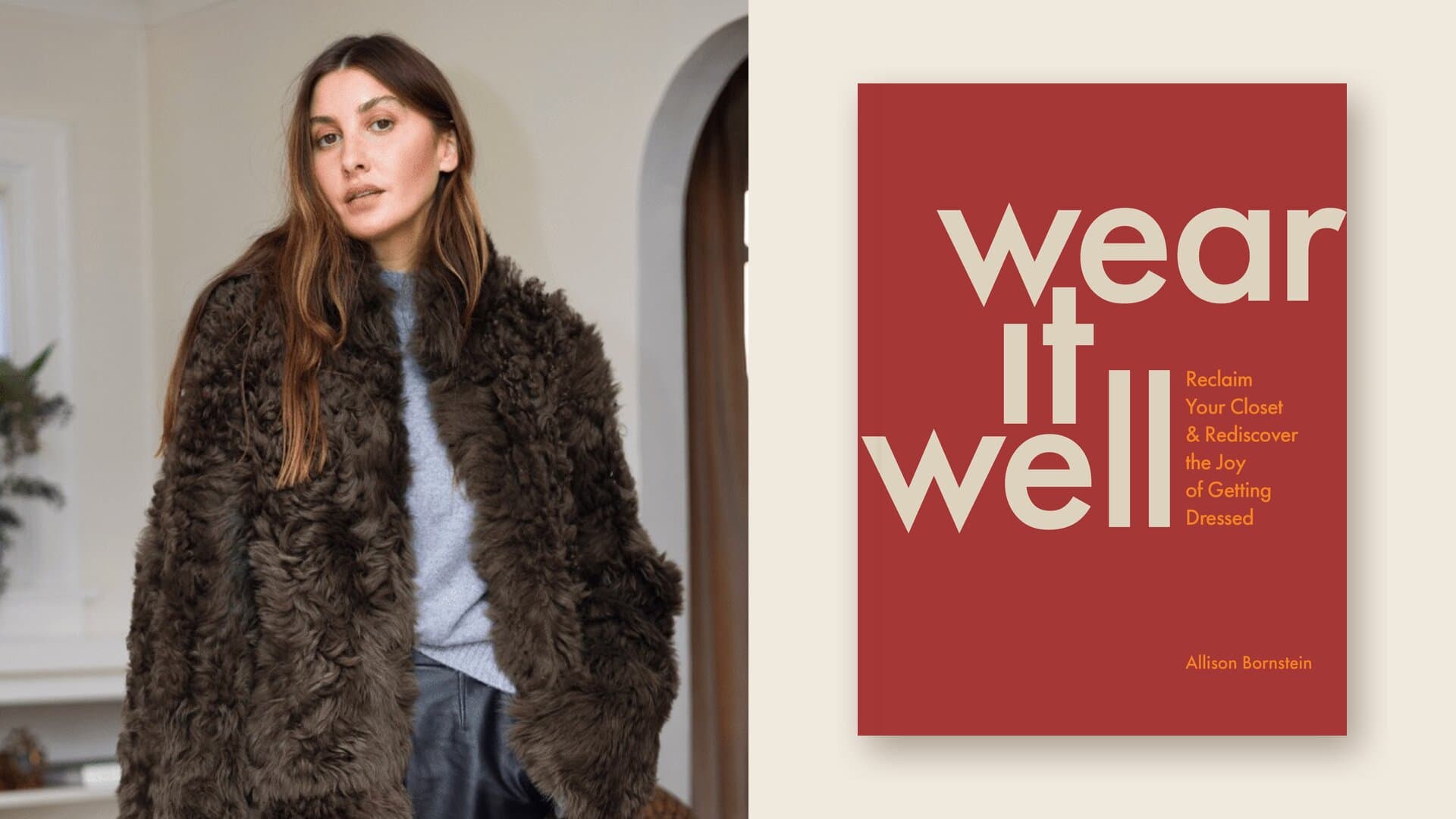
Fashion advice has a strange shape as a business. The problem recurs every morning, for everyone, forever. The expert who solves it best usually solves it once, in an hour, and then leaves. Allison Bornstein has built one of the most recognizable methods in personal style, and her business shows both what that method can earn and where it still stops. Allison Bornstein is a wardrobe stylist and the author of Wear It Well (Chronicle Books, 2023). She styled celebrity clients before launching FaceTime styling sessions for the public in March 2020, and she is known on TikTok for the Three Word Method and Wrong Shoe Theory. Her About page calls her a "closet therapist" and says she believes in "creating a safe and inspiring space to get dressed each morning." Harper's Bazaar called her TikTok's favorite personal stylist, and the Wall Street Journal profiled how a celebrity stylist became a consultant to the masses. On October 13, 2026, her TikTok showed 306,187 followers across 311 videos, and her YouTube channel showed 59.7K subscribers. She also posts on Instagram. The Three Word Method is Allison Bornstein's way of defining personal style with three descriptive words. A person chooses three words for how they want to look and then uses them as a filter for what to keep, buy and wear. Her TikTok bio marks it with a service mark symbol. The method drew wide press coverage in 2022. Glamour reported on how it was changing the way women dress and shop, and Vanity Fair followed Chloe Fineman trying to find her three words. Its book page pairs the method with two more systems: the AB Closet-Editing System and the Nine Universal Pieces. What matters for the business is that the method is portable. Once someone has their three words, they can apply them alone, every morning, to clothes they already own. Allison Bornstein makes money from paid FaceTime styling sessions, her book Wear It Well, a $100 menswear style guide, and a paid Substack newsletter. Only the newsletter renews automatically. Here is the catalog as her own pages listed it on October 13, 2026.
ProductPriceHow often a customer pays
15-minute mini session$95Once per booking
One-hour FaceTime styling session$400Once per booking
One-hour session plus shoppable links$500Once per booking
Menswear Style Guide (200+ product links)$100Once
Wear It Well (ebook on Apple Books)$12.99Once
Newsletter, web$9 a month or $90 a yearMonthly or yearly
Newsletter, iPhone app$13 a month or $130 a yearMonthly or yearly
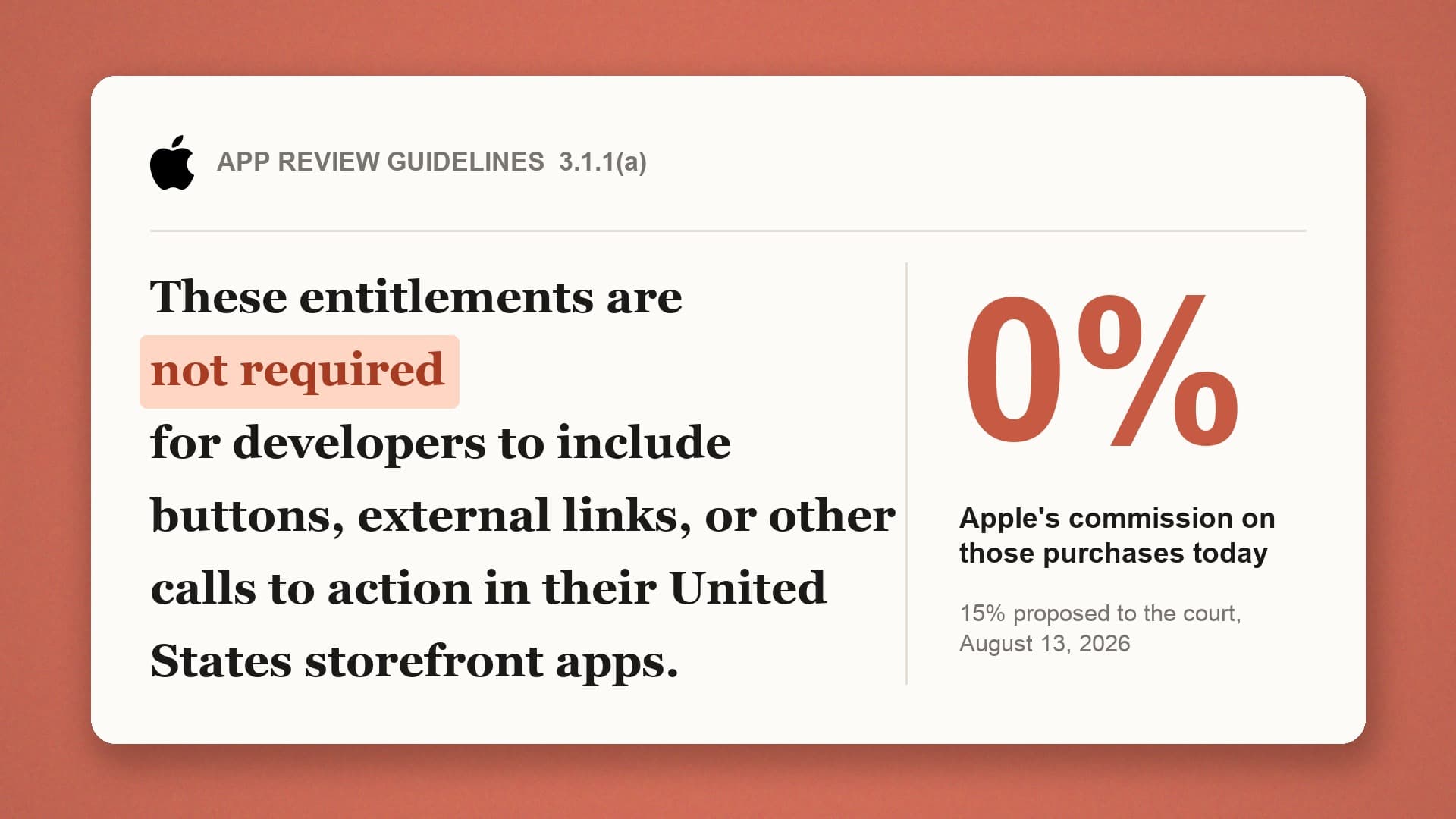
The session prices come from her Calendly booking pages, the guide from its Stripe checkout, the ebook price from Apple Books, and the newsletter prices from the publication's own page data. Her Substack also offers a founding membership at $240 a year. The iPhone price is higher by design. Substack's in-app payments FAQ says it sets a higher iOS price for subscriptions bought through Apple's in-app purchase system, so the writer receives "approximately the same payout" after Apple's 15% to 30% commission. Our guide to link-out checkout rates sets out how that commission works for other products. The most revealing line in the business isn't a price. It's a tip.
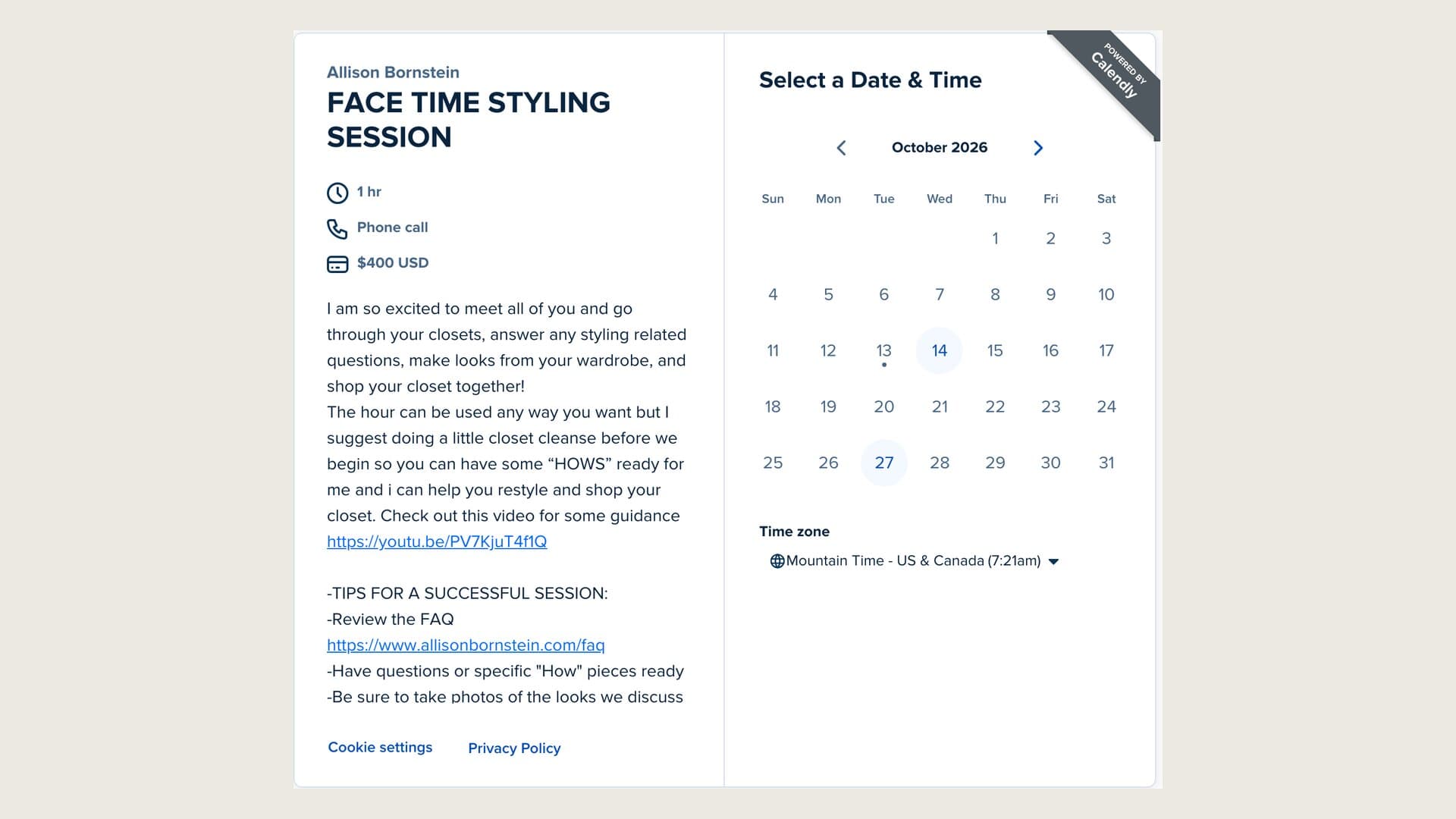
Allison Bornstein's Calendly page for a one-hour FaceTime styling session on October 13, 2026, priced at $400 USD, with the tip to take photos of the looks discussed
The $400 session page tells clients to "be sure to take photos of the looks we discuss," either trying them on as they go or laying them out. Her FAQ says clients can record the session and take pictures. A typical hour, according to that FAQ, covers the client's "regulars," a tour of the closet, and the pieces they don't know how to style, which she calls "HOWS." That's good, practical advice. It also means the most valuable thing a client buys, a set of outfits built from their own closet, is stored on the client's phone, next to screenshots and receipts, with nothing to bring it back up the next morning. After an Allison Bornstein styling session, the client keeps the record: the photos they took and any recording they made. The newsletter and the book teach the method to everyone, but neither one knows what is in a particular reader's closet. The numbers show the trade-off. More than 2,200 clients since March 2020 works out to roughly 330 a year over six and a half years, and every one of those hours is her own time. The book has reached more than 40,000 buyers, which is about eighteen times as many people, but it delivers the same pages to each of them. The newsletter sits between the two. Between April 1 and October 1, 2026, its archive shows 13 subscriber-only essays and 7 public live sessions, mostly around the 1st and 15th of each month. So we'd suggest this test to any creator who teaches a method: after a customer pays you, where does the record of what you decided together live? If the answer is their camera roll, a notebook, or their memory, the product ends when the call ends. The customer still has to get dressed tomorrow. Other companies have built products for exactly that morning.
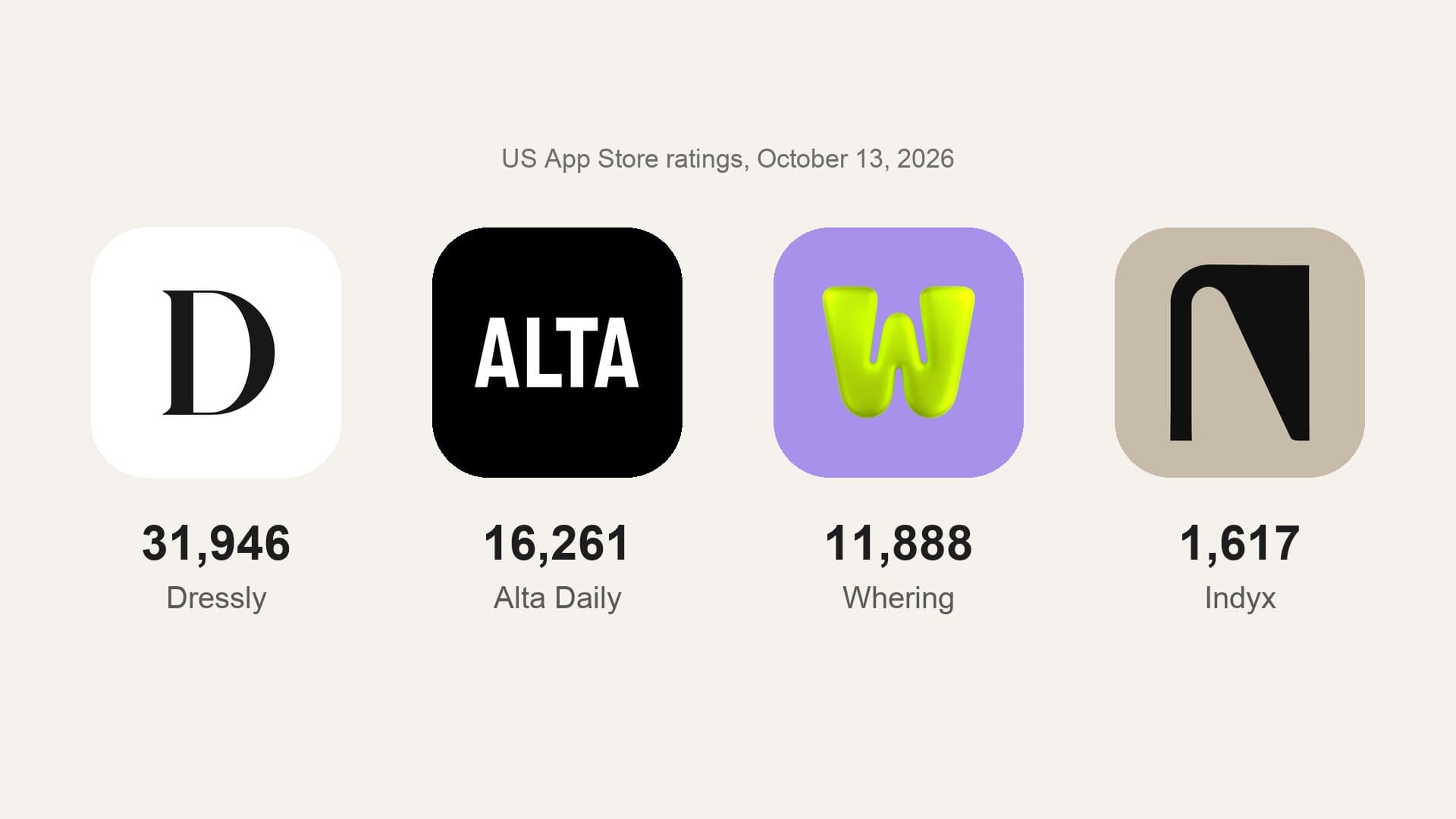
US App Store rating counts on October 13, 2026 for four digital-closet apps: Dressly with 31,946, Alta Daily with 16,261, Whering with 11,888 and Indyx with 1,617
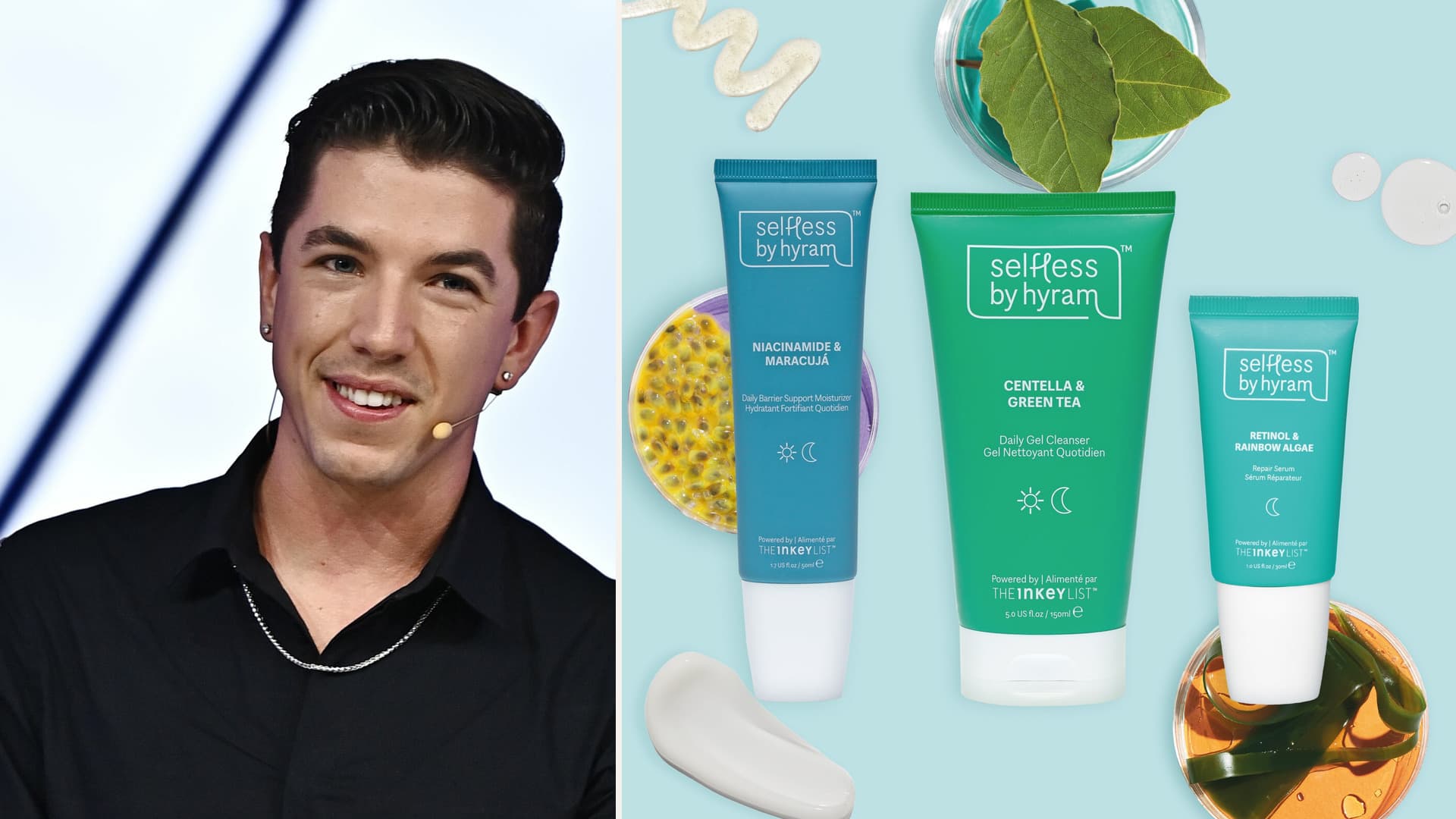
An App Store search for "closet organizer" or "wardrobe stylist" on October 13 returned digital-closet apps with five-figure rating counts. Alta Daily had 16,261 ratings and describes generating outfits from your own closet, lifestyle, budget and weather. Its listing says it is advised by celebrity stylists. Whering had 11,888 ratings and calls itself your closet's search engine and stylist. Dressly had 31,946 and Indyx had 1,617. A search for "Allison Bornstein" returned no apps. None of those apps has a method with a name as well known as hers. What they do have is the record of what each customer owns and wore, which is what turns a one-time answer into a daily one. The same gap showed up in beauty, where Hyram Yarbro's six products serve a routine performed 730 times a year.
See What We’d Build You →
Allison Bornstein doesn't publish revenue, and none of the figures above rank her products by size. The 2,200 clients and 40,000 copies are her own figures, undated beyond the page they appear on. Substack shows paid subscribers only as a range ("thousands"), and at her web prices that range alone spans roughly $90,000 to $1 million a year before fees. Her site footer still reads 2024, so some pages may be older than the prices on the booking pages, which we read directly. If you're a fashion, beauty or home creator with 50K or more followers and a named method your audience repeats back to you, Bornstein's business is a good map of what already works: a paid hour for the people who want you, a book for the people who want the method, and a newsletter for the people who want to keep learning. Our Substack review covers what that last layer costs and keeps. What's missing is the product that applies the method to one person's closet tomorrow, and the day after. That's a product, not a post, and it has to keep running long after it ships. Our guide to turning a coaching business into an app covers the first step. Running it after launch, from new features to pricing and retention, is what Built by Foundry does, and why we keep running products after launch.
See What We’d Build You →
Our work

Creators who already did this

These are apps we designed, built, shipped, and still run today, with the creator keeping the code and the audience.

Liv Merima

Liv Merima

Founder & CEO of Claim It

Custom affirmations that help millions choose themselves.

Top Lifestyle App150K+ followers
Read the case study
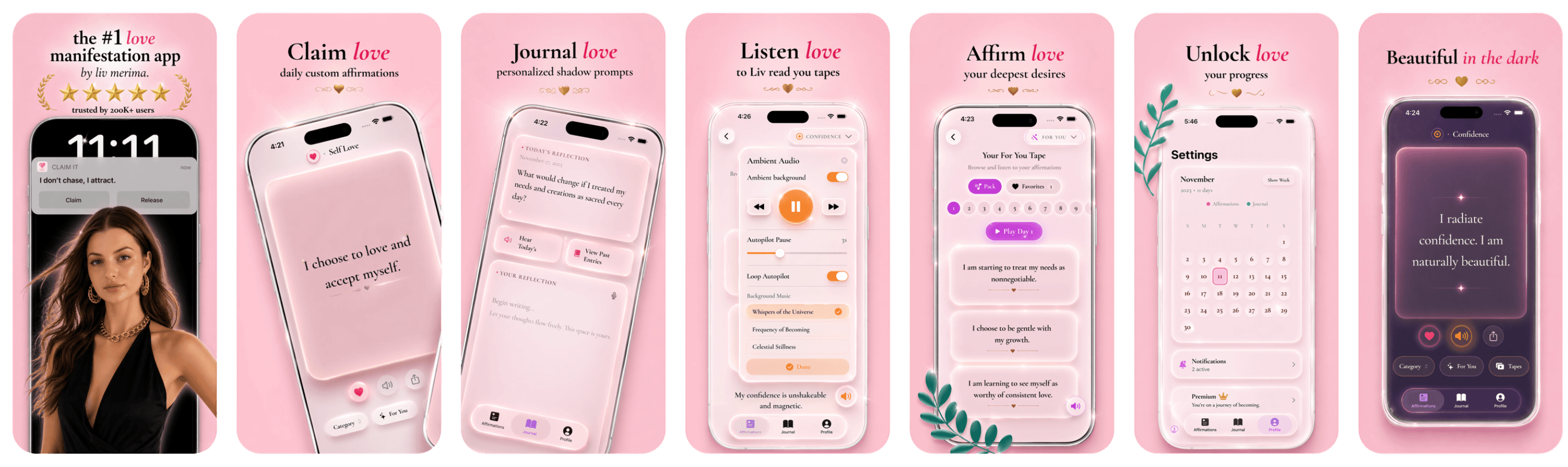
Claim It screenshots
Brandon Whiteleather

Brandon Whiteleather

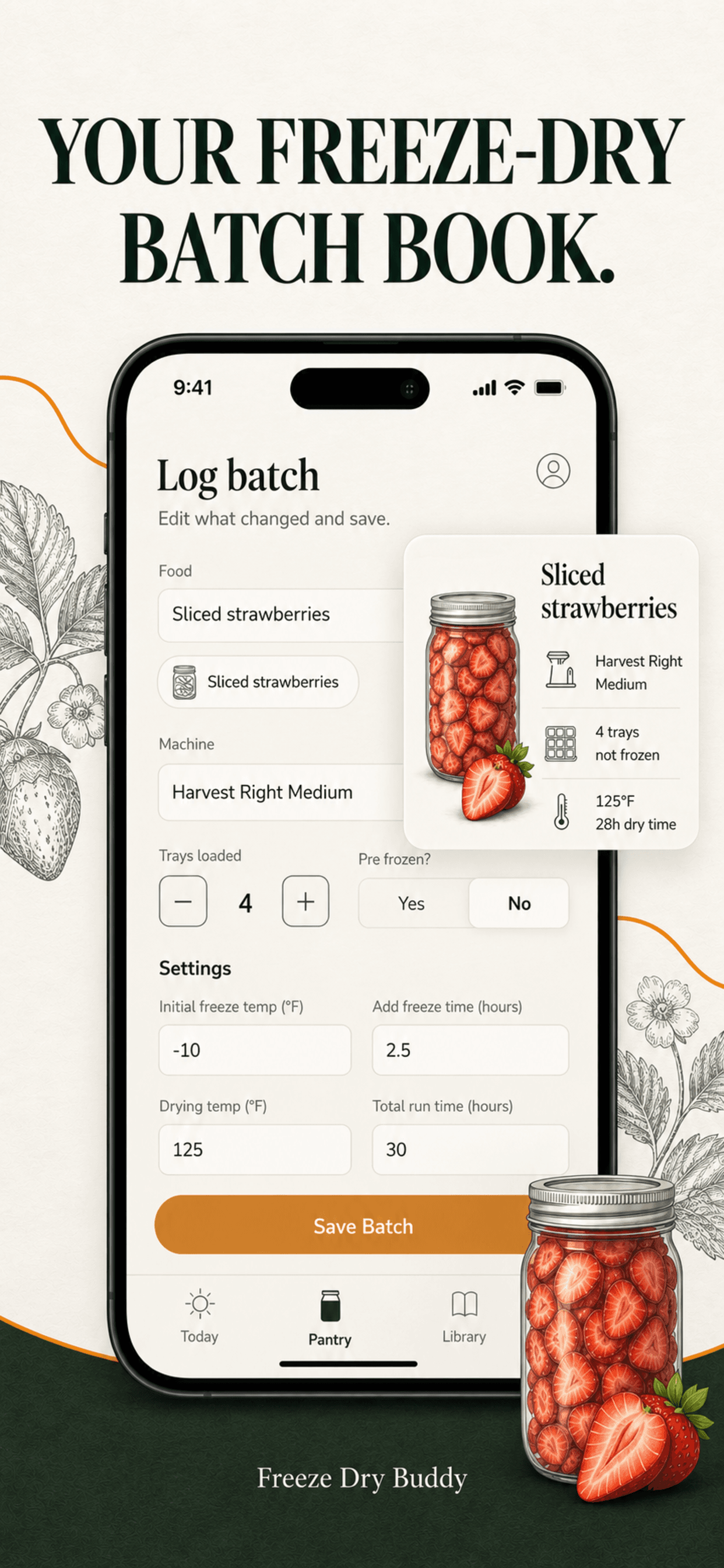
Founder & CEO of Freeze Dry Buddy

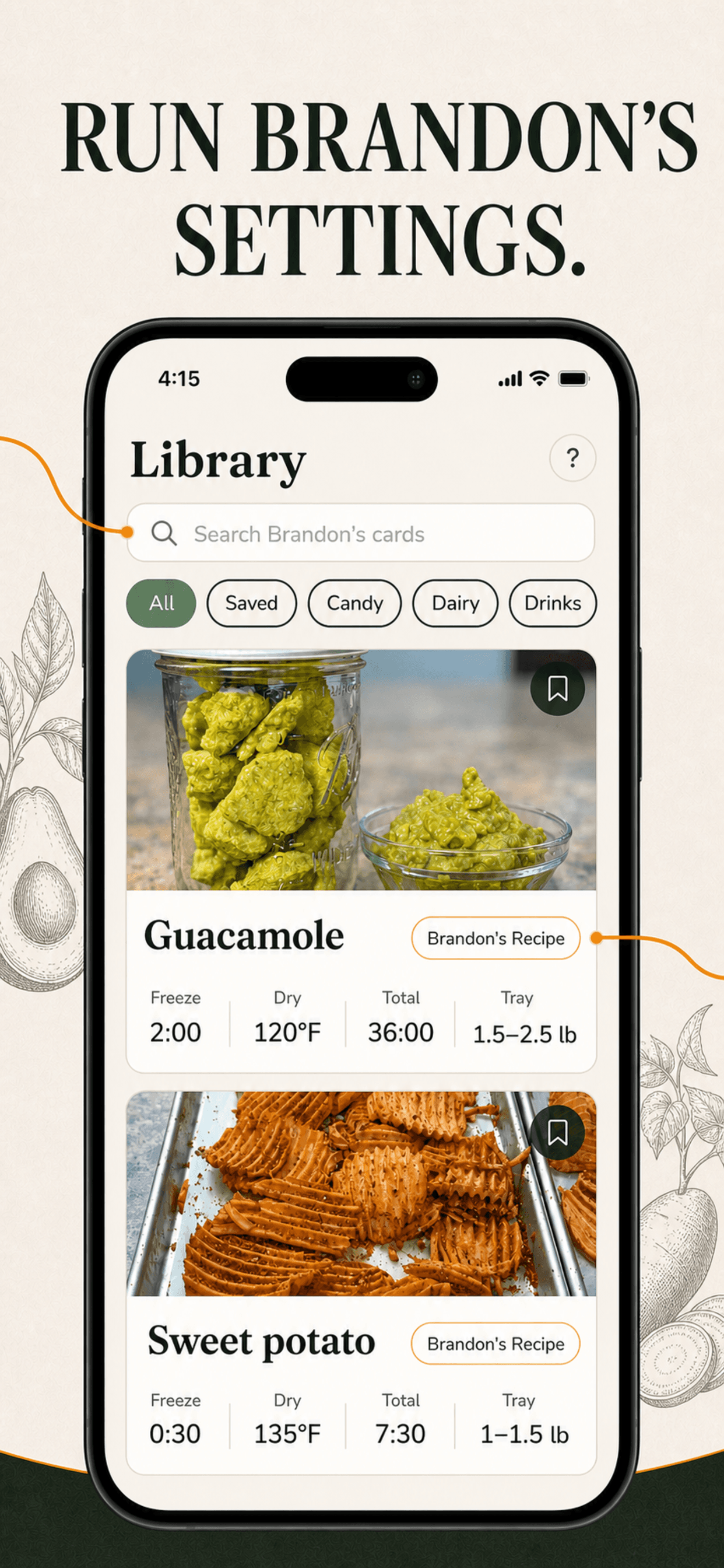
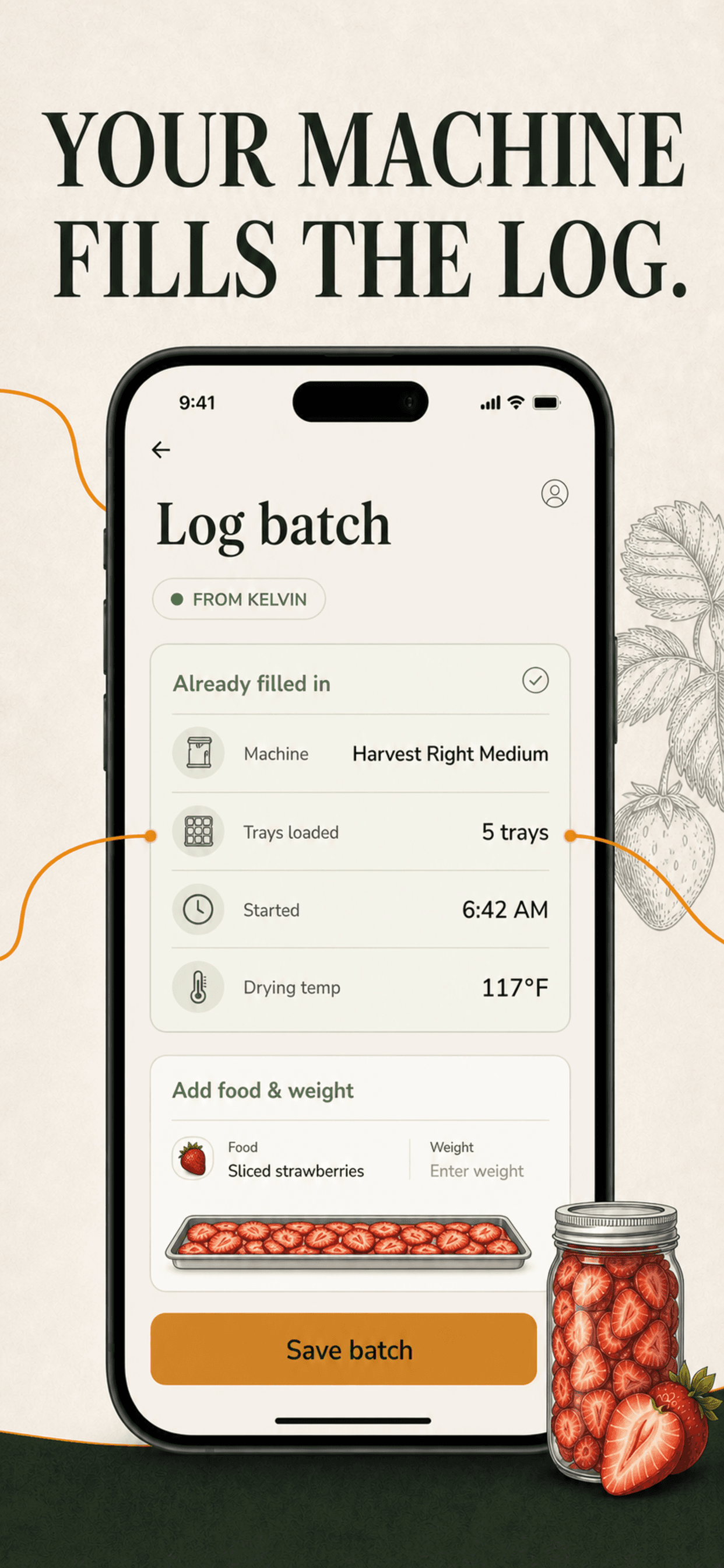
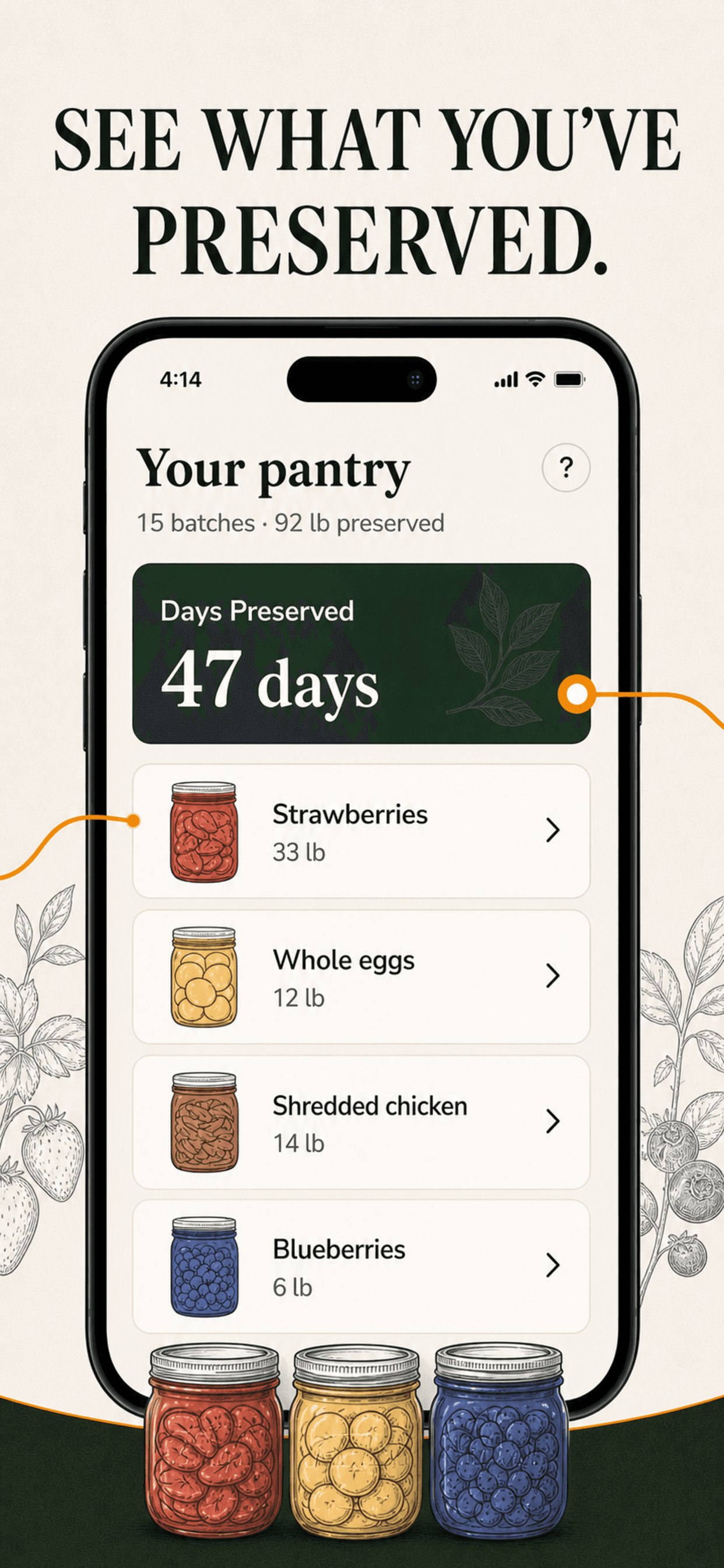
Freeze drying made foolproof, from a homesteader who's done it 1,000 times.

Top Food App1.4M+ followers
Read the case study
Kristen Donathan

Kristen Donathan

Founder & CEO of Stain Fix

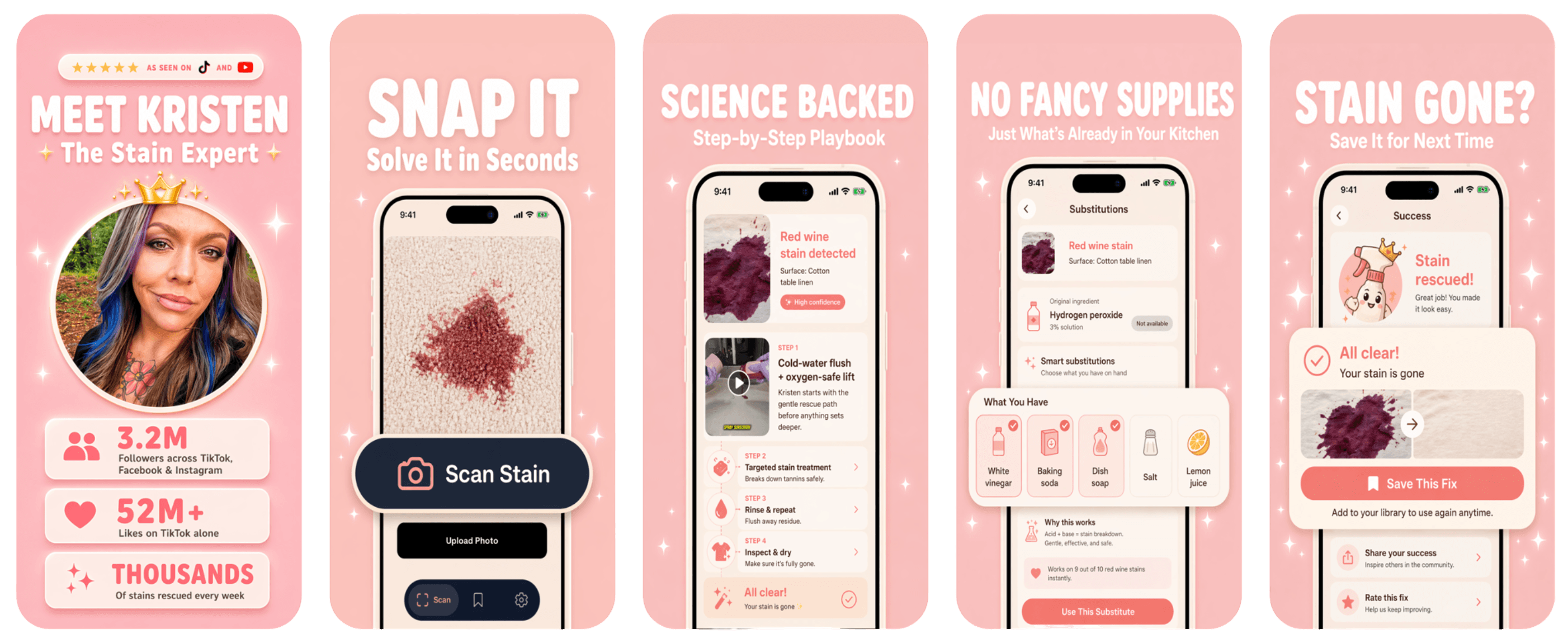
Snap a stain. Get the fix in seconds.

Top Lifestyle App1.5M+ followers
Read the case study
Stain Fix screenshots

Creator app strategy

Curious what your app could be?

Enter your handle and BUILT BY FOUNDRY will research your audience and present custom app concepts. Free.

Allison Bornstein: 2,200 Clients, 40,000 Books, and the Camera-Roll Test