
Case Studies & Success Stories

Alex Hormozi: How a Gym Owner Built a $250M Empire

July 22, 2026
Share
Alex Hormozi: How a Gym Owner Built a $250M Empire

Get Creator Revenue Insights

How creators are turning audiences into subscription businesses
Share
Key Takeaways:
  • Alex Hormozi opened his first gym in 2013, scaled to six locations in three years, then sold a 66% stake in Gym Launch and Prestige Labs for $46.2 million in 2021
  • His company Acquisition.com now reports over $250 million in annual portfolio revenue
  • In August 2025, his book $100M Money Models sold 2,917,443 copies in a single day, a Guinness World Record for the fastest-selling nonfiction book ever
  • He gives away almost everything free to 8M+ followers, then monetizes through equity in the businesses and software his audience runs on
  • The lesson for creators: attention is the cheapest it will ever be, and ownership is where the money compounds
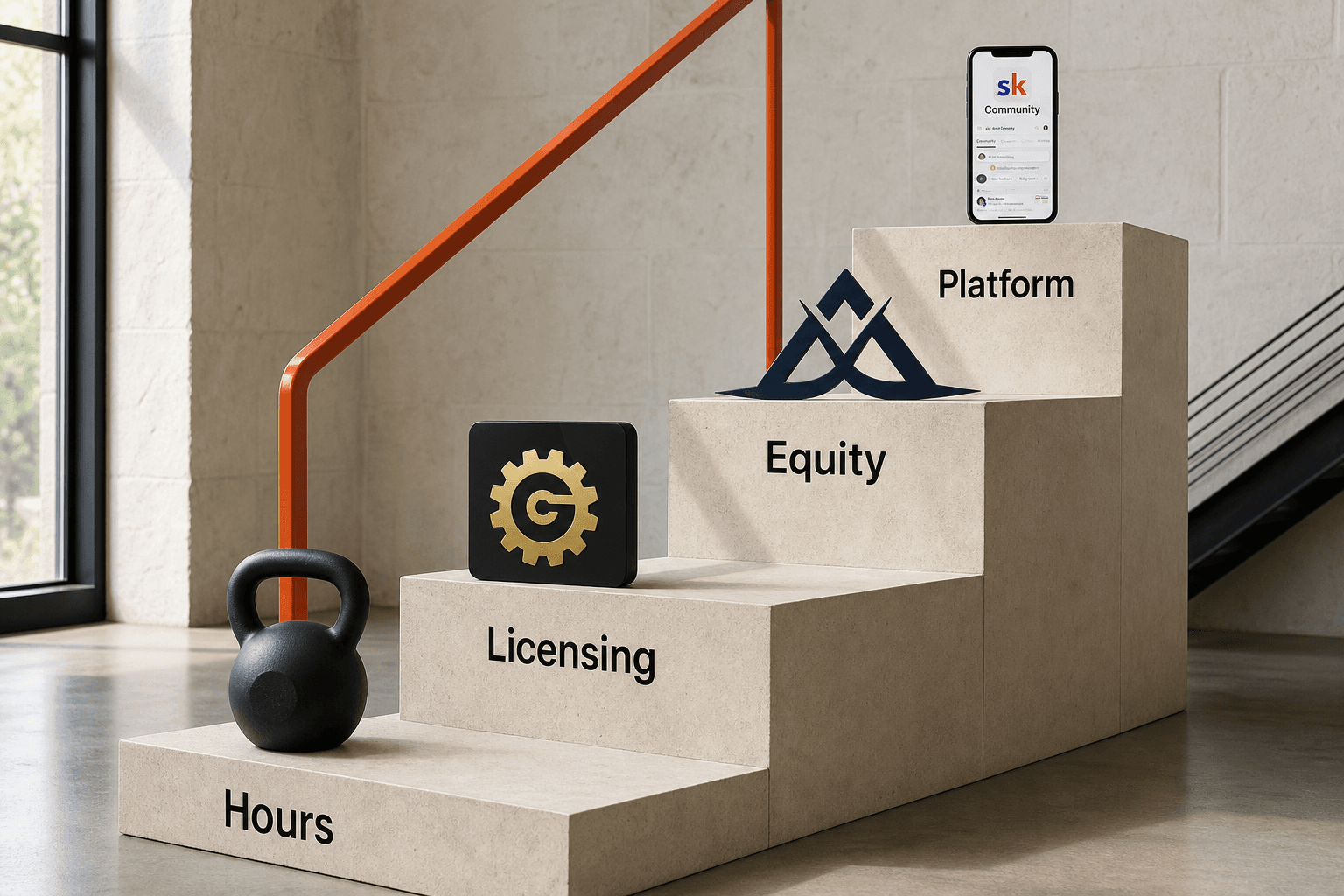
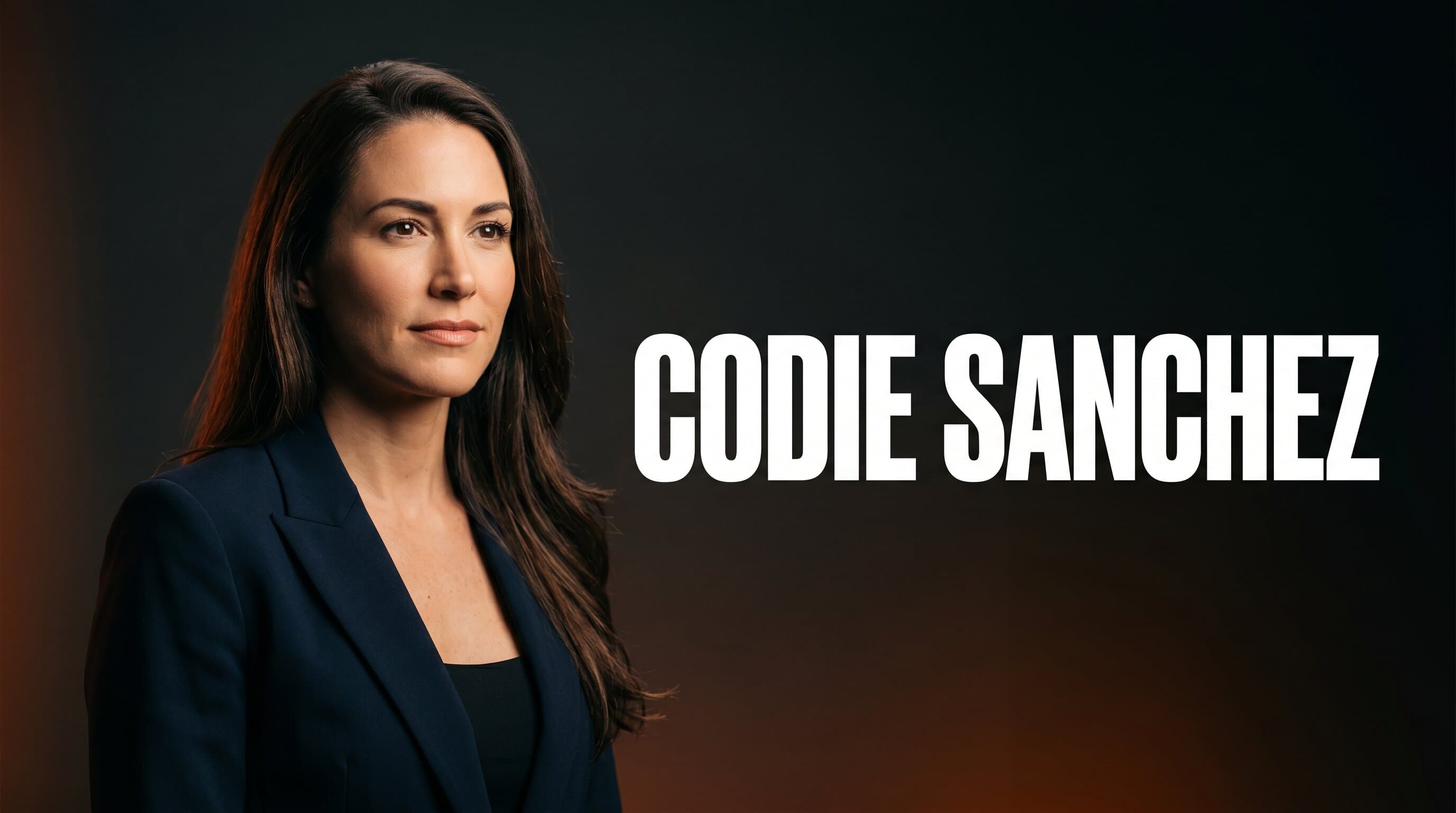
Alex Hormozi is the clearest proof in the creator economy that the money isn't in the content. It's in what the content points to. He has 3.8 million YouTube subscribers and 4.8 million Instagram followers, runs no ads on his content, sells no course, and takes no brand deals. And he's worth more than almost every creator who does all three. Here's how a first-generation Iranian-American who slept on the floor of his own gym built a nine-figure net worth, and what you should copy. Alex Hormozi is an entrepreneur, author, and investor who co-founded Acquisition.com with his wife Leila. The firm holds equity in a portfolio of companies generating over $250 million in combined annual revenue. He's not a fitness influencer who got lucky. He's a founder who added content later, and that ordering is the entire point. By the time he uploaded his first YouTube video, he'd already built, scaled, and exited real businesses. The content wasn't the product. It was distribution for everything he owned. That inversion is why his story belongs next to profiles like Codie Sanchez, who built a $50M holding company off a newsletter. The biggest creator businesses aren't run by the biggest creators. They're run by owners. In 2013, Hormozi walked away from a consulting career, moved across the country, and opened a gym. He famously slept on its floor and showered with a garden hose to keep costs down. Within three years he had six locations. Then he made the move most gym owners never make: he stopped selling workouts and started selling the system. He flew city to city turning around 32 struggling gyms in two years, then packaged that process into Gym Launch, a licensing business that taught thousands of gym owners his exact playbook. He stacked Prestige Labs, a supplement company, on top of the same customer base. In 2021, American Pacific Group bought a 66% stake in Gym Launch and Prestige Labs for $46.2 million. Hormozi was 32. Run the tape back. A service business capped by hours became a licensing business capped by nothing. Every rung of the ladder traded labor for ownership.
The Ownership Ladder: from service income to licensing to equity to owning the platform
Hormozi makes money through equity, not attention. Acquisition.com invests in companies doing $5M to $100M in revenue, and his free content generates the deal flow. Every video is a filter: founders watch, apply, and the best businesses land on his desk. The economics of each era make the strategy obvious:
EraThe AssetThe Result
2013 to 2016Six gym locationsService income, capped by hours
2016 to 2021Gym Launch licensing$46.2M sale of a 66% stake
2021 to todayAcquisition.com equity$250M+ annual portfolio revenue
2024 to todaySkool ownership stakeEquity in the platform itself
Even his books follow the model. $100M Offers and $100M Leads sell for roughly the price of a sandwich, because they're not the business either. They're top of funnel. And that funnel got so big that on August 17, 2025, $100M Money Models sold 2,917,443 copies in one day, which Guinness World Records certified as the fastest-selling nonfiction book of all time.
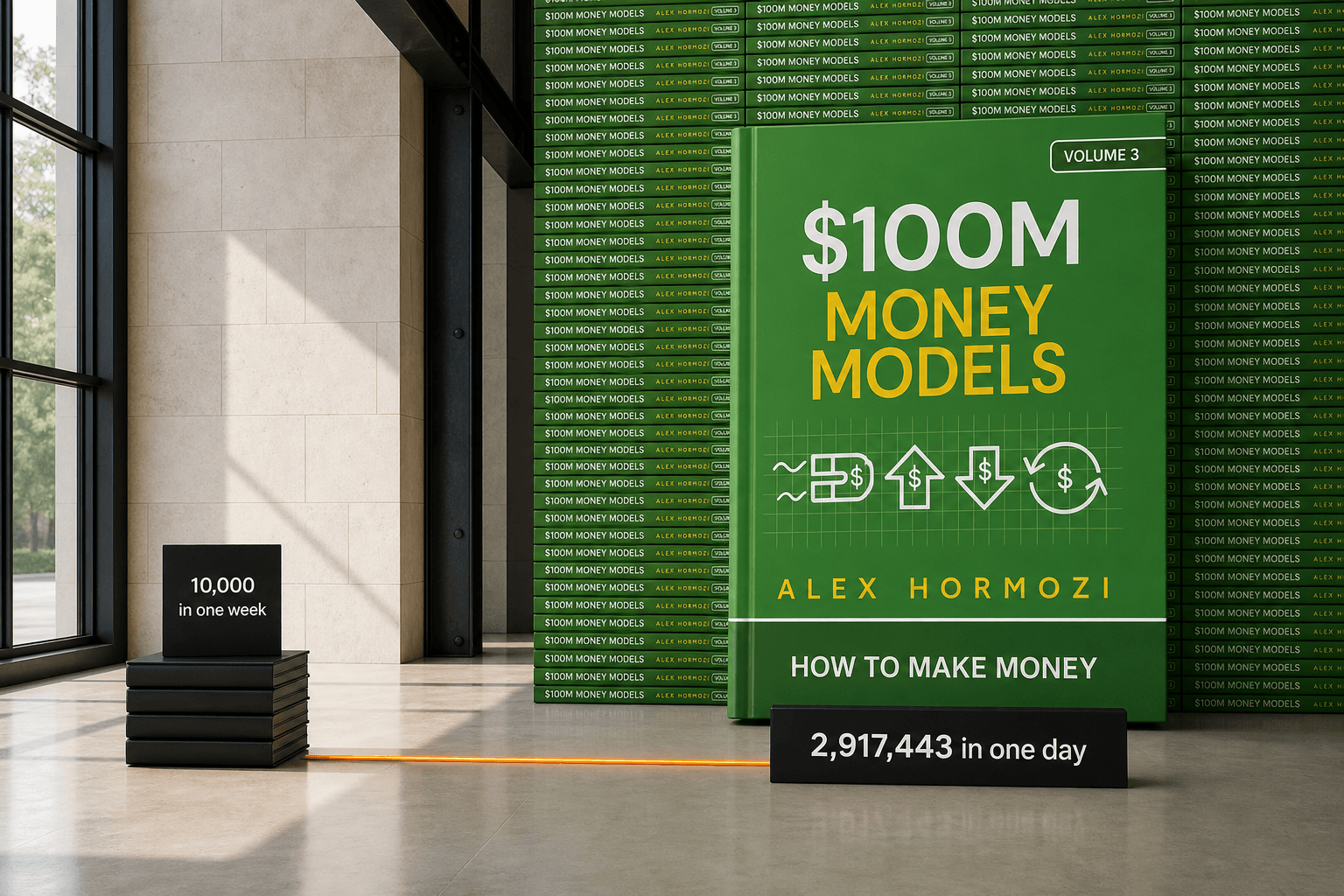
Chart comparing a typical NYT bestseller first week of around 10,000 copies to Hormozi's 2.9 million copies sold in one day
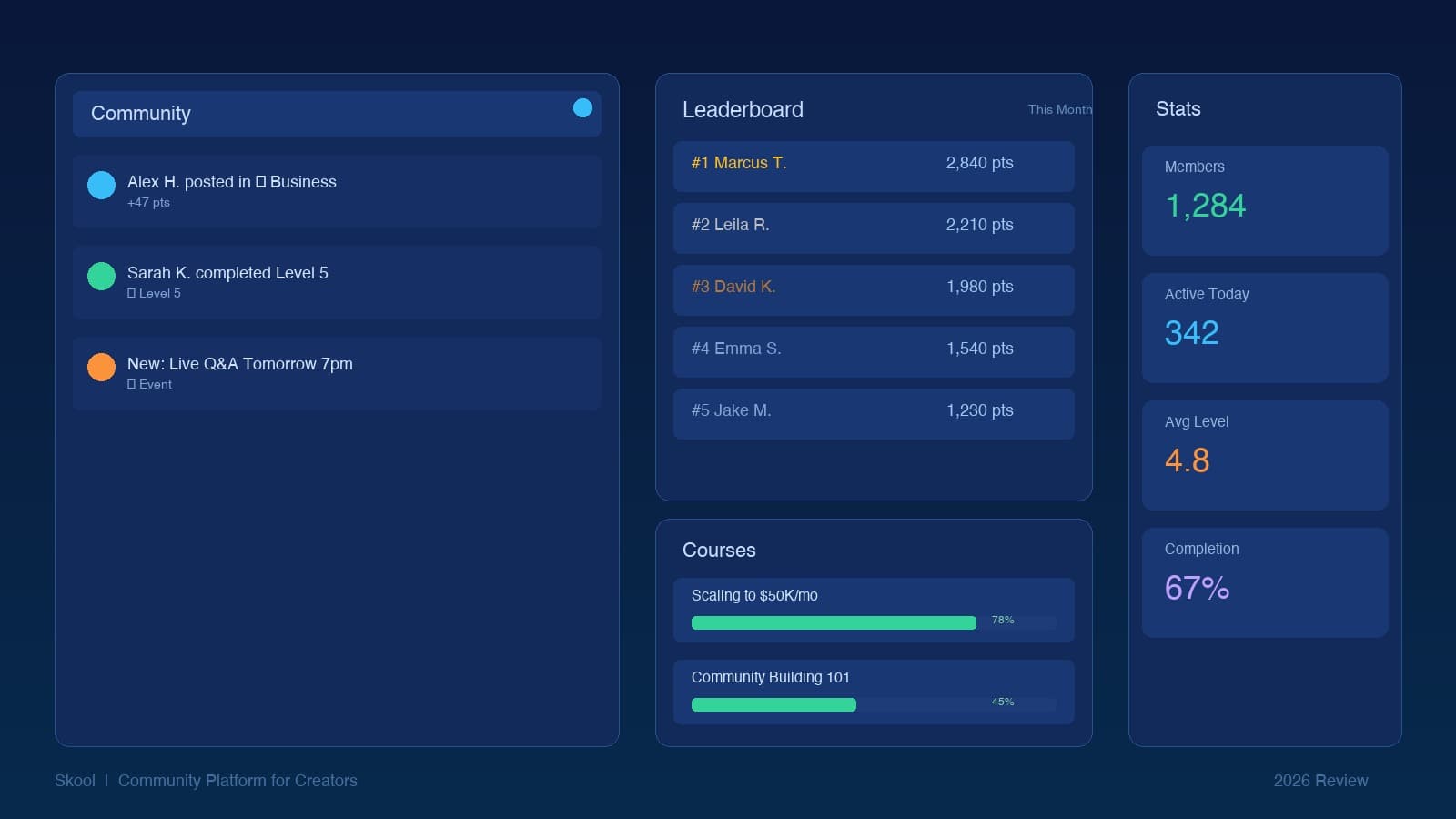
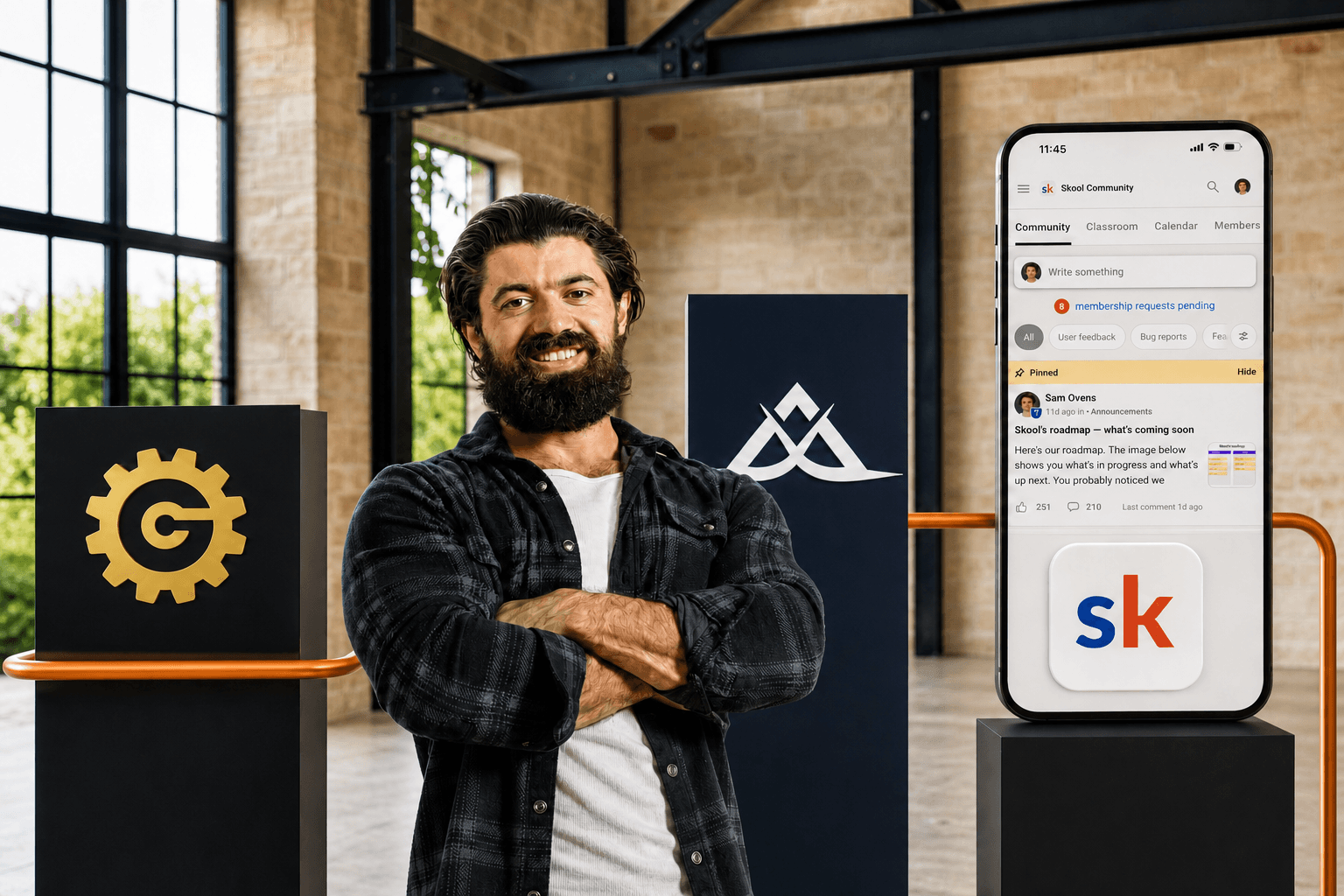
A typical #1 New York Times bestseller moves around 10,000 copies in its first week. Hormozi did 290x that before dinner. That's what happens when a decade of free value gets a single ask. In late 2023, Hormozi made what he called the largest personal investment of his life: an equity stake in Skool, the community platform founded by Sam Ovens, where he now serves as part-owner and its loudest evangelist. Read that move closely. The richest creator-educator on the internet looked at every way to monetize an audience and chose to own the software layer. Not a course on someone else's platform. Not a membership paying 10% to a middleman. The platform itself, with its own App Store listing and millions of users paying monthly. He's applying the same logic we covered in our honest review of Skool: communities are sticky, subscriptions compound, and whoever owns the software collects rent on everyone else's audience. Hormozi decided to be the landlord. Most creators can't buy a stake in a unicorn platform. But every creator with a real audience can own their own corner of that layer: a subscription app their fans pay for monthly, that earns whether they post or not, and that gets discovered by App Store users who've never seen their content. That's the exact business we exist to build. 1. Sell the system, not the session. Hormozi's wealth started the day he stopped trading hours for money and productized what he knew. If you're still coaching one-to-one, turning that coaching business into an app is the same jump he made with Gym Launch. 2. Give away the content, own the destination. His videos are free because they're marketing for assets he owns. Free content pointing at a product you own beats paid content pointing at a brand you don't. The math on that isn't close, as the brand deal vs MRR breakdown shows. 3. Choose equity over fees. At every fork, Hormozi picked ownership: portfolio stakes over consulting fees, Skool equity over affiliate checks. Creators face the same fork daily and most pick the fee. 4. Let the product be the proof. He documents what he's already built instead of teaching theory. When your app's leaderboard, results, and user wins generate your content, you never start from a blank page again. Public estimates in 2026 put Alex Hormozi's net worth at $100 million or more. He has described his own position as roughly $95 million liquid plus a larger illiquid stake in Acquisition.com's portfolio companies. Alex Hormozi is a part-owner of Skool. Sam Ovens founded the platform in 2019 and remains CEO, and Hormozi bought in as a partner and equity holder in late 2023, calling it the biggest personal investment of his life. He built and scaled a gym chain, turned the playbook into Gym Launch, sold a 66% stake in Gym Launch and Prestige Labs for $46.2 million in 2021, then compounded the proceeds through equity stakes in Acquisition.com's portfolio. As of July 2026, Alex Hormozi has about 3.8 million YouTube subscribers and 4.8 million Instagram followers, plus millions more across short-form platforms and his podcast. Hormozi built the audience second and the assets first. You already have the audience. The only thing missing is the asset your fans pay for every month. Hormozi picked ownership at every fork. Your turn. We build custom subscription apps for creators: $0 upfront, 3 weeks to launch, and we run the tech forever.
Let's Build →

Creator app strategy

Curious what your app could be?

Enter your handle and Built by Foundry will research your audience and present custom app concepts. Free.