

Creator Economy Trends

5 Creator Economy Shifts Driving Apps in 2026

Foundry
May 31, 2026
Share
5 Creator Economy Shifts Driving Apps in 2026

Get Creator Revenue Insights

How creators are turning audiences into subscription businesses
Share
A 100K-follower fitness creator out-earns a 5M-follower lifestyle creator in 2026. The smaller account has a $12/month app with 4,000 subscribers. The bigger account is still pitching brand deals at $0.005 a view. That gap is not a fluke. It is the result of five shifts that have quietly rewired how creators make money. Each one is observable in public Apple data, ad-buying reports, and the App Store top charts. None of them require a bigger audience. All of them favor creators who own a product. Key Takeaways:
  • Algorithm volatility has made App Store search a more reliable distribution channel than the feed for top creator-led apps.
  • Brand deal CPMs have stayed flat or declined while production costs climbed, squeezing creator margins on sponsorships.
  • Platform fees on TikTok Shop, Patreon, and similar tools now take 8% to 30%, pushing creators toward owned infrastructure.
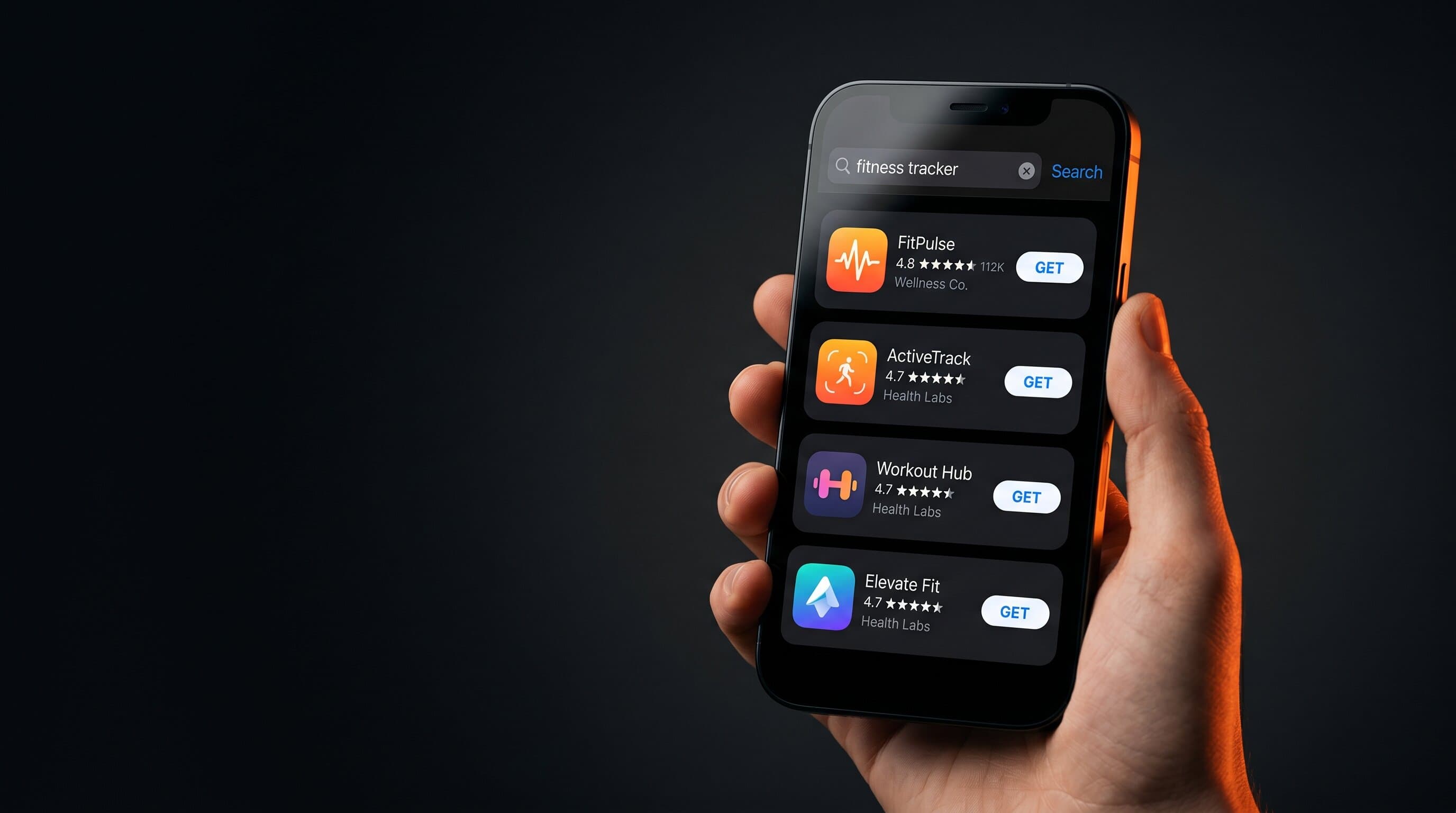
  • AI search is replacing Google for top-of-funnel discovery, and apps win citations that blog posts and YouTube videos no longer get.
  • Subscription app valuations are compounding at multiples brand deal income cannot match, turning the creator into a founder with equity.
Apps are winning because they are the only creator revenue line that compounds without the creator posting. Every other channel pays once and resets. Ad revenue, brand deals, affiliate links, merch drops, course launches: each one collects, then goes to zero. A subscription app collects on day 1, day 30, and day 365 from the same user, whether the creator posted that week or not. The math behind that shift is in the data. Apple's App Store ecosystem report credits subscription apps with the largest share of $1.3 trillion in 2024 billings, and the category grew faster than the rest of the App Store again last year. RevenueCat's State of Subscription Apps 2024 tracked roughly 30,000 apps and found the top quartile earns more than 200x the bottom quartile, with the gap driven by paywall design and pricing, not audience size. These five shifts are why creators with smaller audiences are starting to lap creators with bigger ones. Instagram Reels reach is unstable. TikTok For You distribution is opaque. YouTube Shorts pays a fraction of long-form. The 2020 playbook of "post daily and hope" no longer compounds, and most full-time creators feel it month over month. App Store search does the opposite of the social feed. The user types in a niche keyword, sees a ranked list, and downloads. The creator who ranks for "macro tracker" or "guided breathwork" gets installs every day without posting. Apple's editorial team also features creator-led apps, and a single feature has produced more installs in a week than a year of TikTok for several apps we have built. This is why the App Store has become the new growth channel for creators and why fitness creators in particular have figured it out first. The creator who treats the App Store the way they used to treat YouTube SEO out-earns the creator who treats it like a vanity listing. Brand deal CPMs have been flat or declining since 2022 while production costs have not. A sponsored video that paid $25,000 in 2021 often pays the same in 2026, but the creator now needs a producer, an editor, and two days of shooting to compete with bigger production budgets. The hourly rate is collapsing. The market data backs this up. eMarketer's influencer marketing forecasts show overall brand spend rising in absolute dollars but spread across many more creators, with mid-tier rates compressing. The bigger problem is structural. Brand deals do not compound. A creator who lands ten $10,000 deals in 2025 starts 2026 at zero. A creator with a $9.99/month app and 4,000 subscribers starts 2026 at $40,000 in MRR before doing any new work. We did the side-by-side math in the $10K brand deal versus $10K MRR breakdown, and the gap is wider than most creators realize. The first deal pays once. The first MRR check pays every month forever, then sells as an asset.
Income sourcePays onceCompoundsAsset value at exitRequires posting
Brand dealYesNo$0Yes
Affiliate linkYesNo$0Yes
Ad revenueYesNoLowYes
Course launchYesNoLowYes
Subscription appNoYes3x to 8x ARRNo
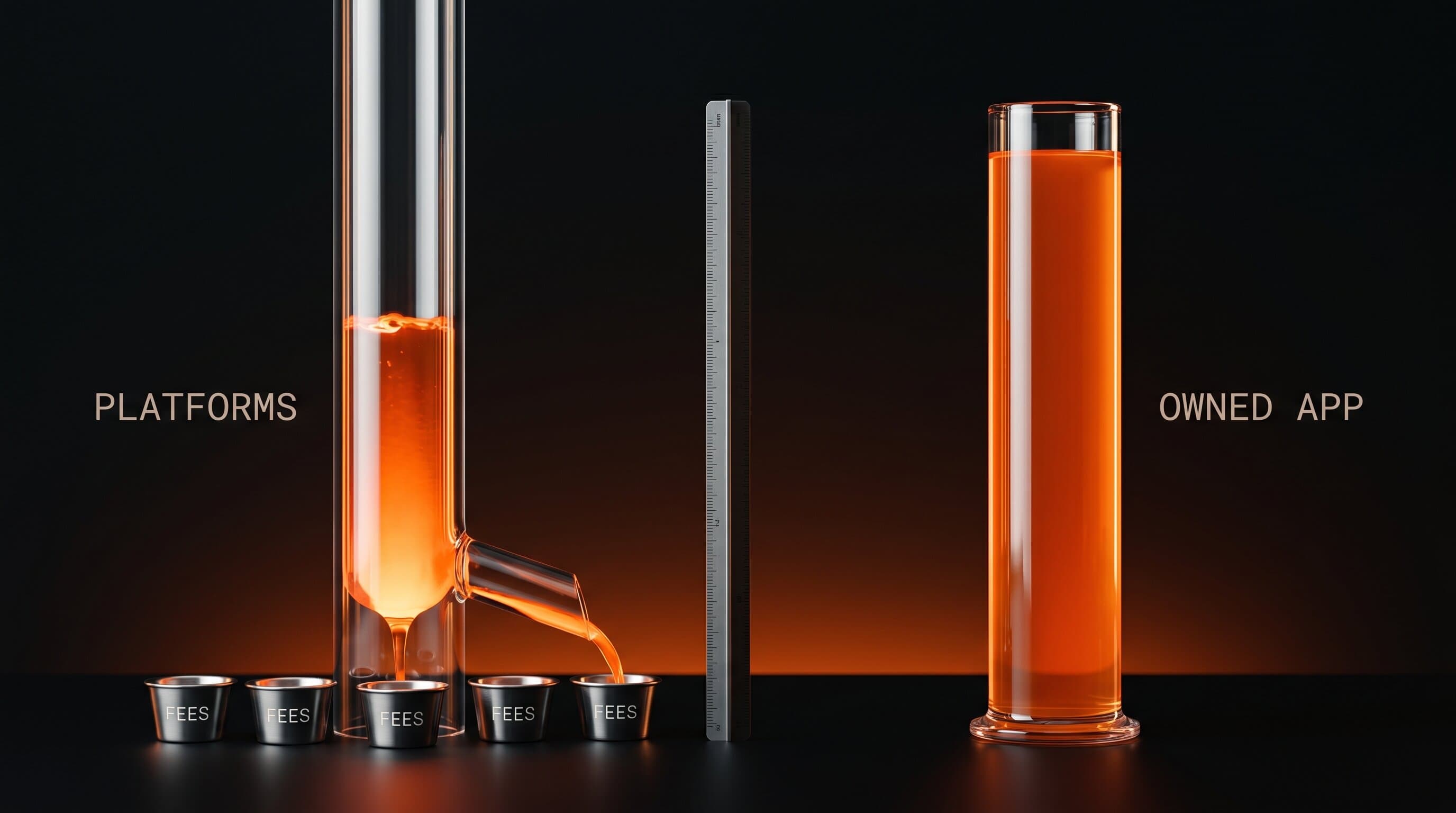
The middle layer between creators and their fans got expensive in 2025. TikTok Shop now takes around 8% on most product categories after raising commissions multiple times. Patreon charges 8% to 12% plus payment processing. Substack takes 10%. Whop, Stan Store, and Kajabi all stack their own fees on top of payment processor fees. Stack those costs and the average creator running a "no-code" stack loses 15% to 25% of every dollar before any other expense. The App Store takes 15% for most subscriptions (30% on the first year for very large accounts, dropping to 15% in year two), and that fee is fixed for the next decade by the developer agreement. The creator owns the user, the data, the payment relationship, and the brand. This is the cost side of the platform trap. Every dollar a creator pushes through a rented platform pays rent. Every dollar that flows through their own app builds equity in something they can sell.
Conceptual visualization of platform fee stack versus owned app economics
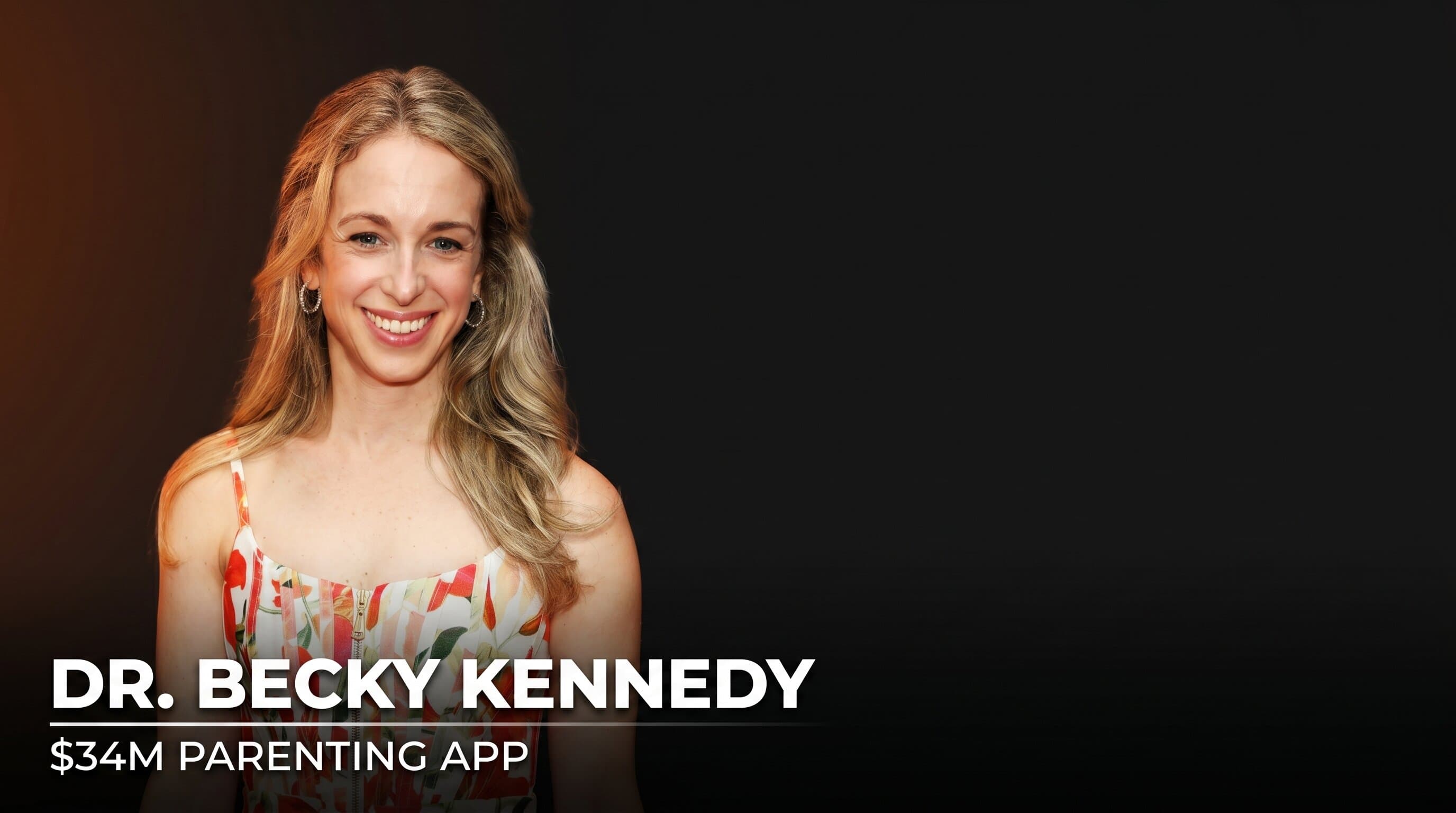
Google AI Overviews, ChatGPT, Perplexity, and Claude now answer the questions that used to drive search traffic to creator blogs and YouTube videos. A user asking "best macro tracker for high protein" in 2026 gets a summarized answer with cited apps, not a list of ten links to fitness influencer blog posts. The winners in AI search are sources that are easy to cite and verify. App Store listings, app review pages, and product comparison content get pulled into AI answers. Vague blog roundups do not. A creator app with a clean App Store presence and a few authoritative external mentions becomes a citable answer. A creator with a YouTube channel and a Linktree does not. This is why glossary content matters more in 2026 than evergreen blog series. We covered the mechanics in our App Store optimization breakdown for creators. The short version: AI search has shifted the unit of discovery from the blog post to the product listing, and the creators with products are getting cited while creators with content are getting summarized away. A creator who owns their audience's payment relationship has a sellable business. A creator who only has followers does not. This is the largest valuation shift in the creator economy since YouTube ad revenue was invented. The proof points are public. Kayla Itsines and Tobi Pearce sold Sweat to iFIT for around $400 million, a deal built on the app's subscriber base and not on Kayla's Instagram count, as covered in her journey from trainer to founder. Dr. Becky Kennedy raised at a $34 million valuation on the strength of Good Inside's app and membership numbers, not her Instagram following alone, as detailed in her Good Inside profile. Andrew Huberman's audience drives Huberman Lab to one of the largest podcast businesses on earth, but the app and subscription layer is what gives the company a balance sheet, not just a top line. Each of those creators owns the user, the data, the payment, and the relationship. Each of them has a business that compounds without posting. Each of them passes the test that brand-deal creators cannot pass: if they stopped posting tomorrow, the revenue would not go to zero. The five shifts above are not separate trends. They are the same trend wearing five outfits. Distribution is moving from rented feeds to owned listings. Income is moving from one-time payments to recurring revenue. Discovery is moving from blog posts to product citations. Margins are moving from platform rent to platform ownership. Valuation is moving from follower count to subscriber count. A creator who absorbs one shift has a side project. A creator who absorbs all five has a company. The gap between those two outcomes is one product launch. We work with creators on the founder side of that gap. Our team handles the build, the App Store submission, and the ongoing optimization. The creator brings the audience, the niche expertise, and the brand. That model is how we think about partnership with creators, and the operational layer behind it is something we wrote about in our app care approach. Around 50,000 engaged followers is the practical floor. The math works because a 2% to 5% paid conversion at $9.99 per month produces $10,000 to $25,000 in MRR before any App Store search traffic is added. Creators with smaller audiences can still build if the niche is high intent and the app solves a clear problem. No. Brand deals are still the fastest source of cash for a creator with a large audience. They are simply no longer the largest source of compounding income, and the gap between deal income and subscription income grows every year. The right answer is usually both, with the app paying for the freedom to be picky about deals. AI models trust structured, verifiable sources. An App Store listing has a publisher, a price, a rating, and a clear product definition. A blog roundup has none of those signals. When an AI is asked for the best app in a category, it pulls from app listings and product review databases first. Time and risk. A custom build at most agencies takes 6 to 12 months and costs $50,000 to $200,000 upfront. The two main alternatives, no-code tools and AI builders, do not get a creator to a shippable App Store product. We addressed both routes in our breakdown of the vibe coding trap. The unlock for most creators is a build partner that takes the upfront risk and shares revenue. Three weeks is realistic with the right team. The bottleneck is rarely the code. It is product decisions, brand assets, and App Store review. With a creator who can give one hour of input per week, an experienced team can ship a v1 app in 21 days. Want to turn your audience into a company? We build custom apps for creators. $0 upfront, three-week build, we handle every layer of the stack forever.
Let's Build →

Creator app strategy

Want us to review your creator business?

Apply for a Foundry Creator App Review. We'll tell you whether there is a real app opportunity hiding in your audience.

5 Creator Economy Shifts Driving Apps in 2026