

Creator Economy Trends

Why Creators With 3 Income Streams Earn $75K More

Built by Foundry
July 4, 2026
Share
Why Creators With 3 Income Streams Earn $75K More

Get Creator Revenue Insights

How creators are turning audiences into subscription businesses
Share
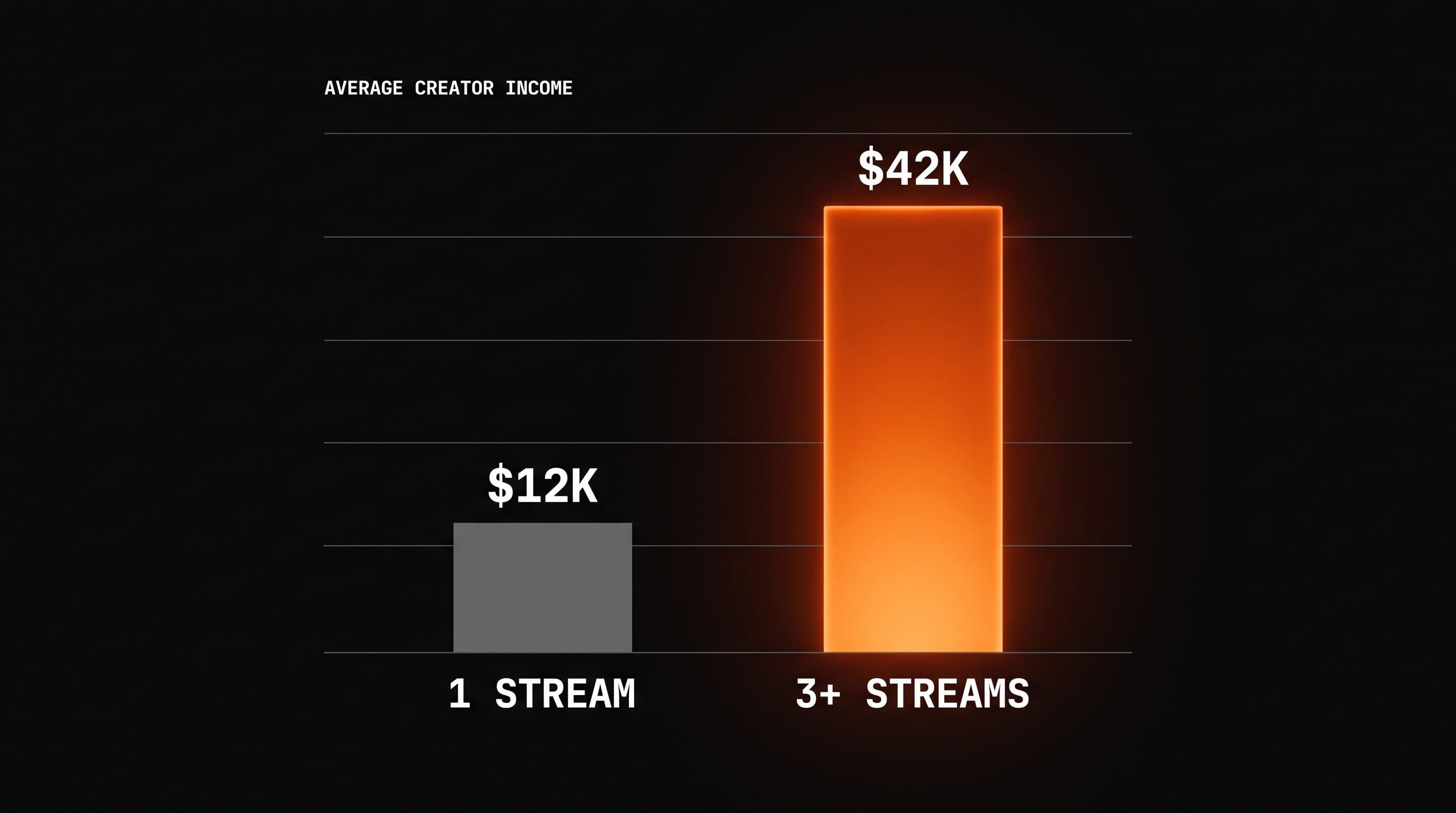
The single most reliable predictor of creator income in 2026 is not follower count. It is the number of separate ways you make money. Creators with three or more income streams earn roughly $75,000 more per year, on average, than creators who rely on just one, according to Influencer Marketing Hub's 2026 Creator Economy Report. That is not a rounding error. That is the difference between a hobby and a business. But there is a trap hiding inside that number, and most creators walk straight into it. They hear "diversify" and they add a second brand deal, an affiliate link, a third platform. All of that helps. None of it changes the fundamental problem: every one of those streams still resets to zero the moment you stop posting. Key Takeaways:
  • Creators with three or more income streams earn about $75,000 more per year than single-stream creators (Influencer Marketing Hub, 2026).
  • The share of creators who depend on brand deals as their primary income fell to 49% in 2026, down 10 points from 2023.
  • Most diversification is horizontal: more brand deals, more affiliate links, more rented platforms that all pay $0 when you go quiet.
  • A subscription app is the rare stream you own and that compounds monthly whether you post or not.
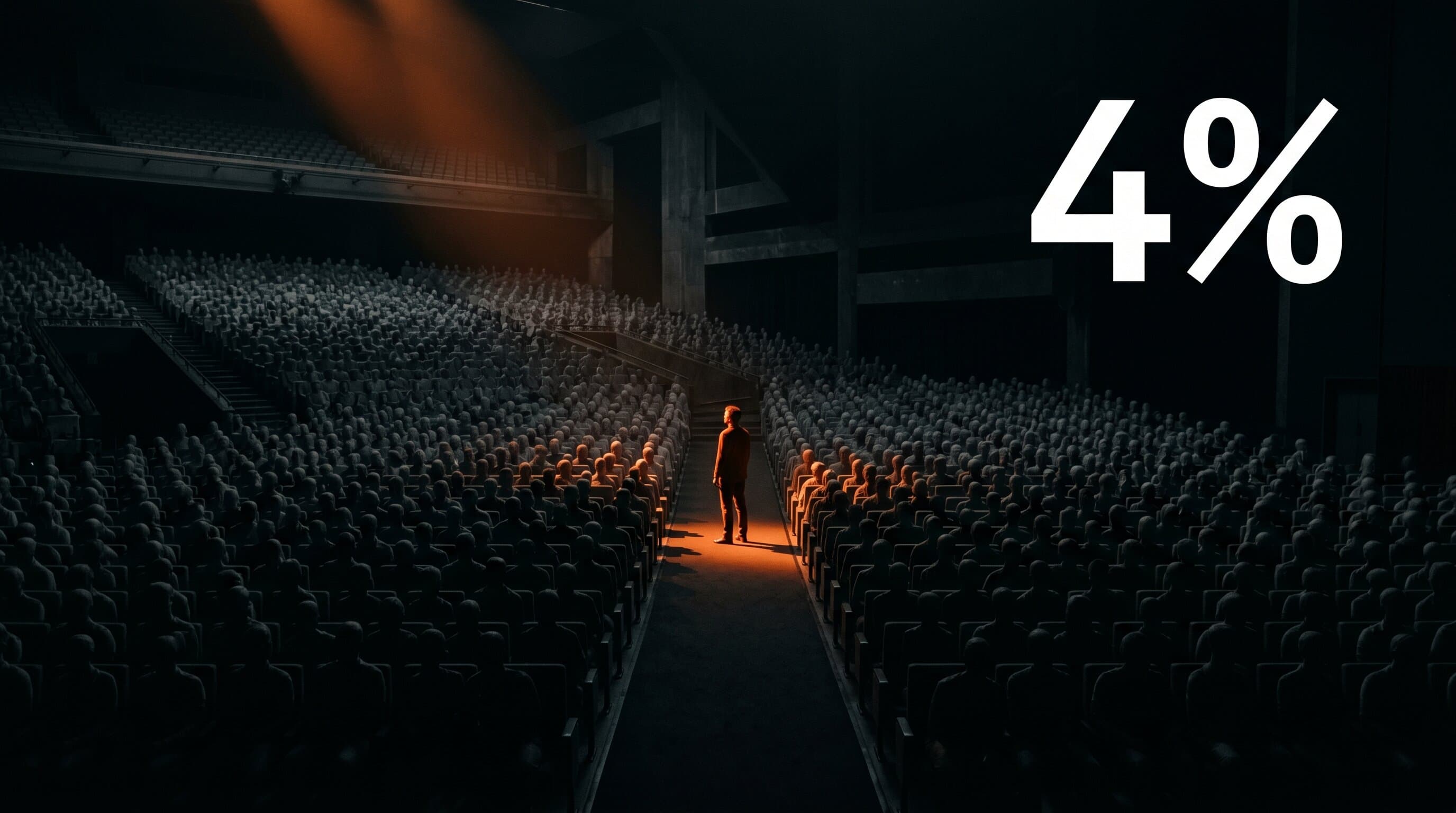
  • The creator economy is worth roughly $250 billion in 2026, but only about 4% of creators clear $100,000 a year.
The creator economy is bigger than ever and pays most people almost nothing. Market research firm Grand View Research values the creator economy at around $250 billion in 2026, on its way to more than a trillion by the early 2030s. And yet only about 4% of creators earn over $100,000 a year. The median creator earns close to $3,000. We broke down that gap in why 96% of creators don't make a living. The creators pulling away from the median all did the same thing: they stopped betting everything on one payout. Brand deals are still the biggest single source of creator revenue, around 70% of the total, but reliance on them is shrinking. In 2026, only 49% of creators named brand deals as their primary income, down from 59% in 2023. More than half now plan to add another revenue line this year, per Later's 2026 monetization data. Diversification works because it removes the single point of failure. When brand-deal income drops 50% in a slow month, a diversified creator's total income only falls about 22%. That stability is the whole game. It is what lets you keep going when the algorithm buries you for three weeks. An income stream is a distinct source of money that keeps paying even when your other sources dry up. The key word is distinct. Two brand deals with two different companies are not really two streams. They are one stream with two customers, and they fail for the same reason at the same time: the sponsor's budget gets cut, or you stop producing the content the deal depends on. Real streams behave independently. Here is how the common ones stack up.
Income StreamWho PaysPays When You Stop Posting?You Own It?
Brand dealsSponsorsNoNo
Platform payoutsTikTok, YouTubeBarelyNo
Affiliate linksMerchantsTrickleNo
Digital courseOne-time buyersNoPartly
Subscription appYour fans, monthlyYesYes
Look down the last two columns. Almost everything a creator adds when they "diversify" answers no to both questions. The money stops when the posting stops, and a platform can change the rules or cut you off at any time. We wrote about that exposure in the platform trap. The $75,000 gap is not mainly about volume. It is about compounding and independence. A creator with one stream is capped by the size of that stream and exposed to its failure. A creator with three or more captures income across different buyer types, different timelines, and different risk profiles, so the total is both larger and steadier. Sponsored content still makes up about 59% of creator revenue in 2026, with platform payouts at roughly 24% and affiliate marketing around 8%, according to Forbes. Notice what is missing from that breakdown: recurring subscription revenue that the creator owns outright. It barely registers in the averages, which is exactly why the creators who have it stand out so far above the pack. Here is the mistake. Told to diversify, most creators add streams that all share the same weakness. A second sponsor. A Linktree full of affiliate codes. A paid Discord. A course they have to relaunch every quarter. Each one is real money. Each one still stops the day they stop working.
Bar chart comparing single-stream creator income to three-plus-stream creator income
That is diversifying sideways. You spread your risk across four streams that all fail in the same weather. The algorithm changes, the ad market softens, you burn out and go quiet for a month, and all four dip together. This is why so many "diversified" creators still feel like they are running on a treadmill. Their income resets to zero every month no matter how many streams they stack. We made that case in your income resets to zero every month. The creators who broke past the $100K ceiling did something different. They added a stream that pays whether they show up or not. A subscription app is the only common creator income stream that you own and that compounds. When a fan subscribes for $8 a month, that money shows up next month too, and the month after, without a new post, a new deal, or a new launch. Add a hundred subscribers this month and they stack on top of last month's. That is the difference between adding and multiplying. Compare the risk profile directly against everything else a creator stacks:
  • A brand deal pays once. An app subscriber pays every month until they cancel.
  • A platform can suspend your account overnight. An app on the App Store is your product, your customer list, your rules.
  • A course sells to the same audience once. An app keeps earning from that audience and pulls in strangers from App Store search who never saw your content.
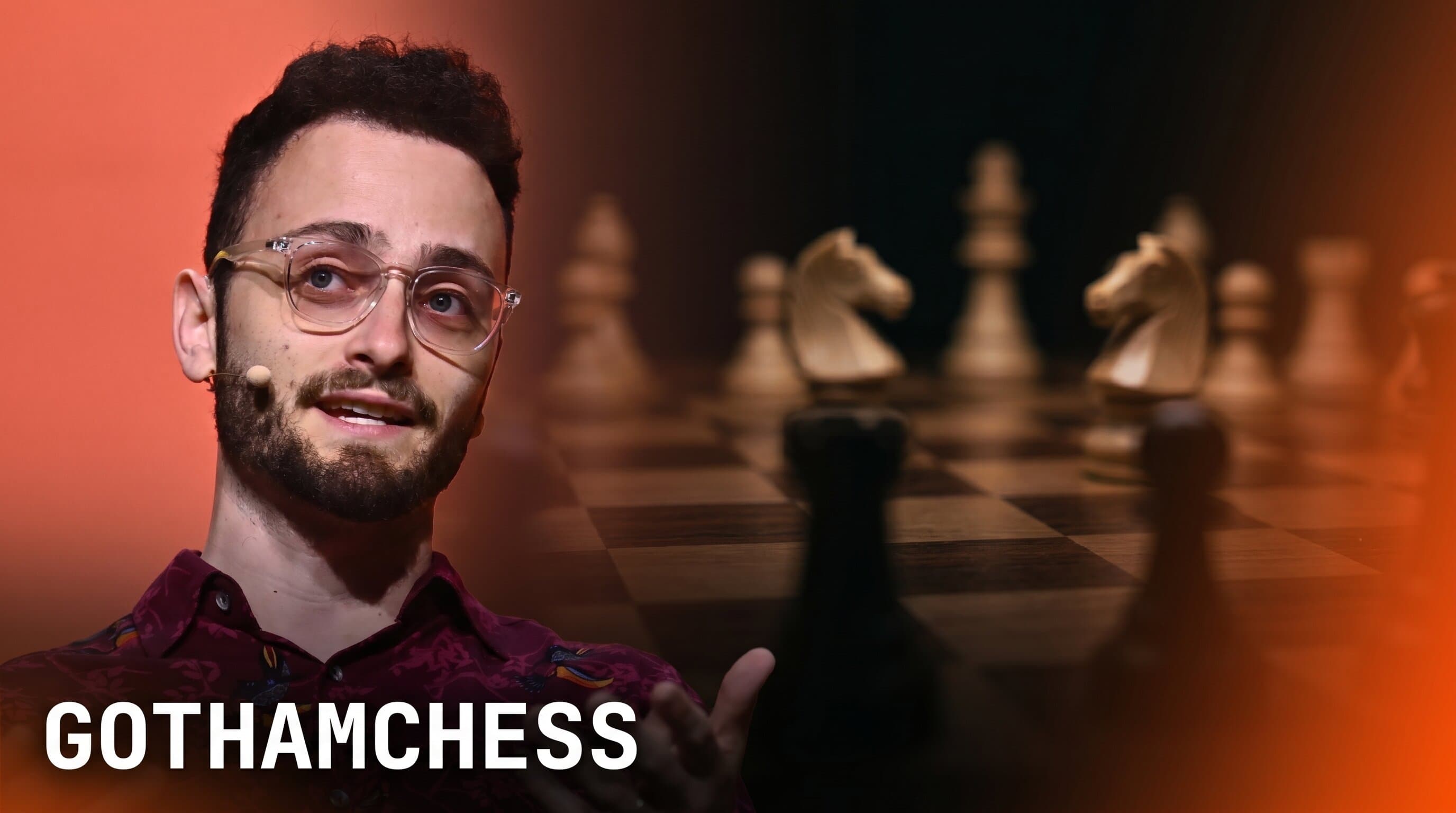
This is not theory. Levy Rozman, better known as GothamChess, turned a chess audience into Chessly, a subscription app that earns whether he uploads that day or not. Kayla Itsines built the Sweat app from a $70 PDF audience and sold it for a reported $400 million. Neither of them got there by adding another sponsor.
Four rented income streams next to one taller owned recurring-revenue stream
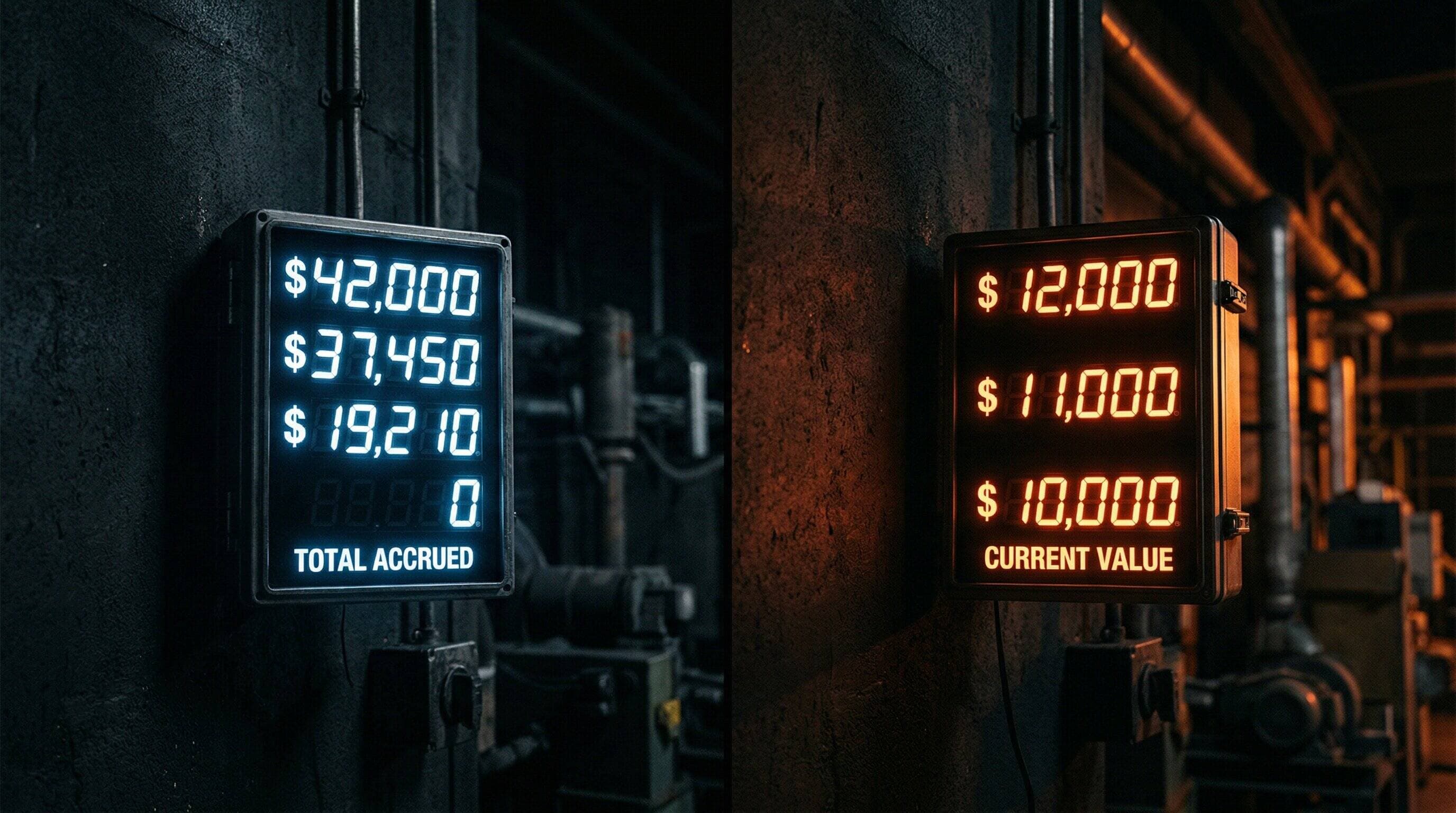
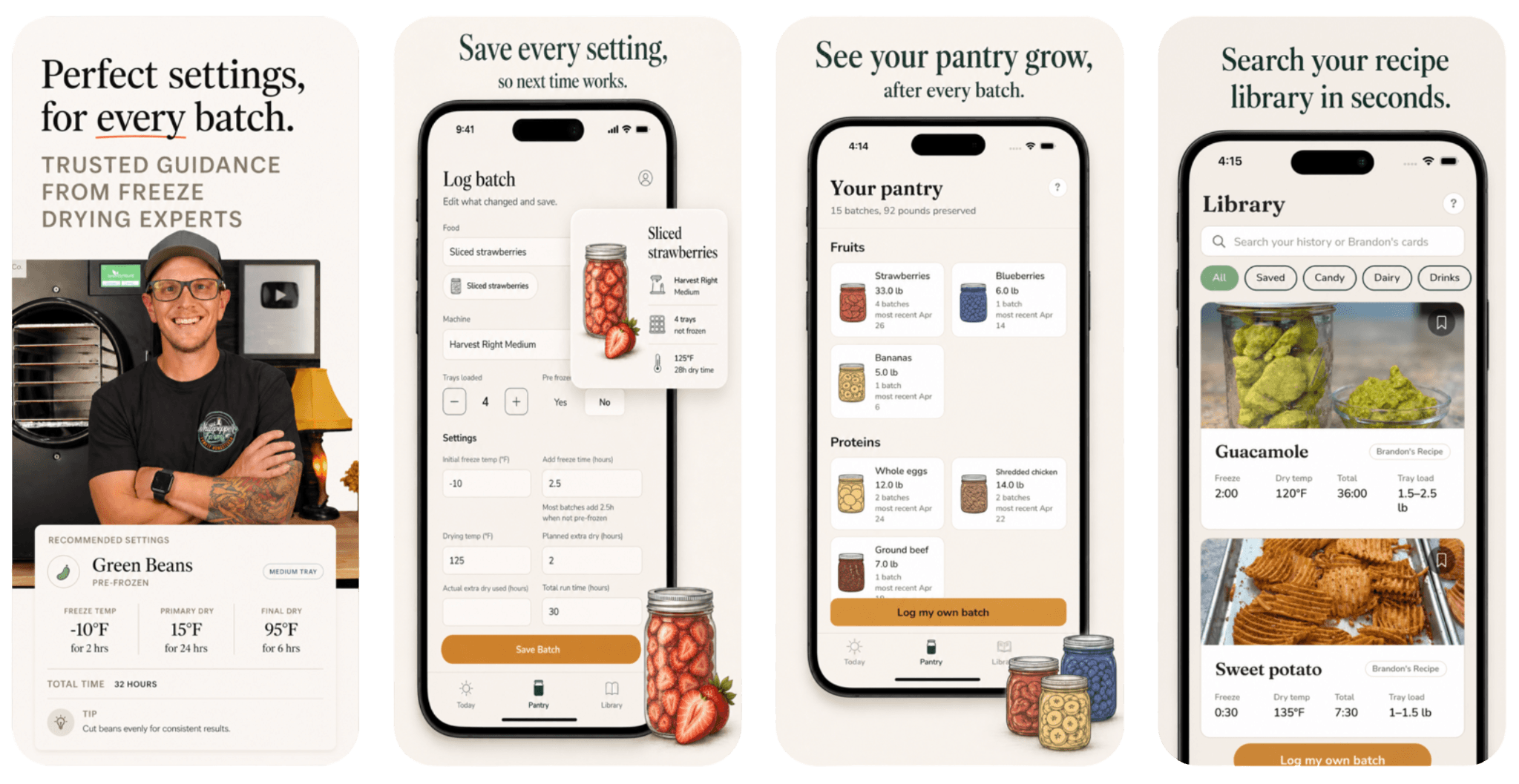
Run the numbers and the gap explains itself. Say you have 50,000 engaged followers and 2% of them subscribe to your app at $8 a month. That is 1,000 subscribers paying $8,000 every month, or $96,000 a year, and it renews without a single new post. That one stream, by itself, can be larger than every brand deal you booked last year combined. Now compare it to the sideways version. Four brand deals at $5,000 each is $20,000, and then you start the year over at zero. One owned app at $8,000 a month is $96,000, and next January you start above where you finished. We ran the full comparison in the brand deal vs MRR math problem. The App Store also stopped being a nice-to-have. The creators who win here treat their app like the anchor stream and the content like the marketing, not the other way around. And because the app keeps running while they sleep, it removes the ceiling that hourly, deal-by-deal income puts on every creator's earnings. The pattern across the creators pulling ahead is consistent: they keep the brand deals, keep the platform payouts, keep the affiliate income, and then bolt on one stream that behaves nothing like the others. Recurring, owned, compounding. It becomes the floor the rest of their income sits on top of. The build used to be the blocker. Not anymore. Building the app, shipping it to the App Store, handling payments and updates, and keeping it running is the part Foundry takes off your plate entirely, which is what ongoing app care covers. Your job is the audience. That, you already have. You do not need 5 million followers to do this. You need one stream nobody can switch off. Every creator profile we publish, from fitness to chess to finance, tells the same story: the winners built something they own. See how Whitney Simmons turned a fitness following into the Alive app for one more version of it. Aim for at least three that fail independently. Two brand deals count as one stream because they collapse for the same reason. A stronger mix pairs sponsored content and platform payouts with at least one owned, recurring source like a subscription app that pays whether you post or not. The most stable is recurring subscription revenue you own, because it compounds monthly and does not reset to zero when you stop posting. Brand deals pay more per transaction in the short term, but they end the moment the campaign ends and can be cut without notice. A creator with 50,000 engaged followers converting 2% to an $8-per-month app earns about $8,000 a month, or $96,000 a year, in recurring revenue that renews without new content. Top creator apps like Sweat reached hundreds of thousands of subscribers before their acquisitions. Traditional agencies charge $50,000 to $200,000 upfront and take 6 to 12 months. Built by Foundry charges $0 upfront, ships in about three weeks, and takes a share of the revenue instead. You own the app and the business. You already have the audience. The stream worth adding is the one you own.
Let's Build →

Creator app strategy

Want us to review your creator business?

Apply for a Foundry Creator App Review. We'll tell you whether there is a real app opportunity hiding in your audience.

Why Creators With 3 Income Streams Earn $75K More