

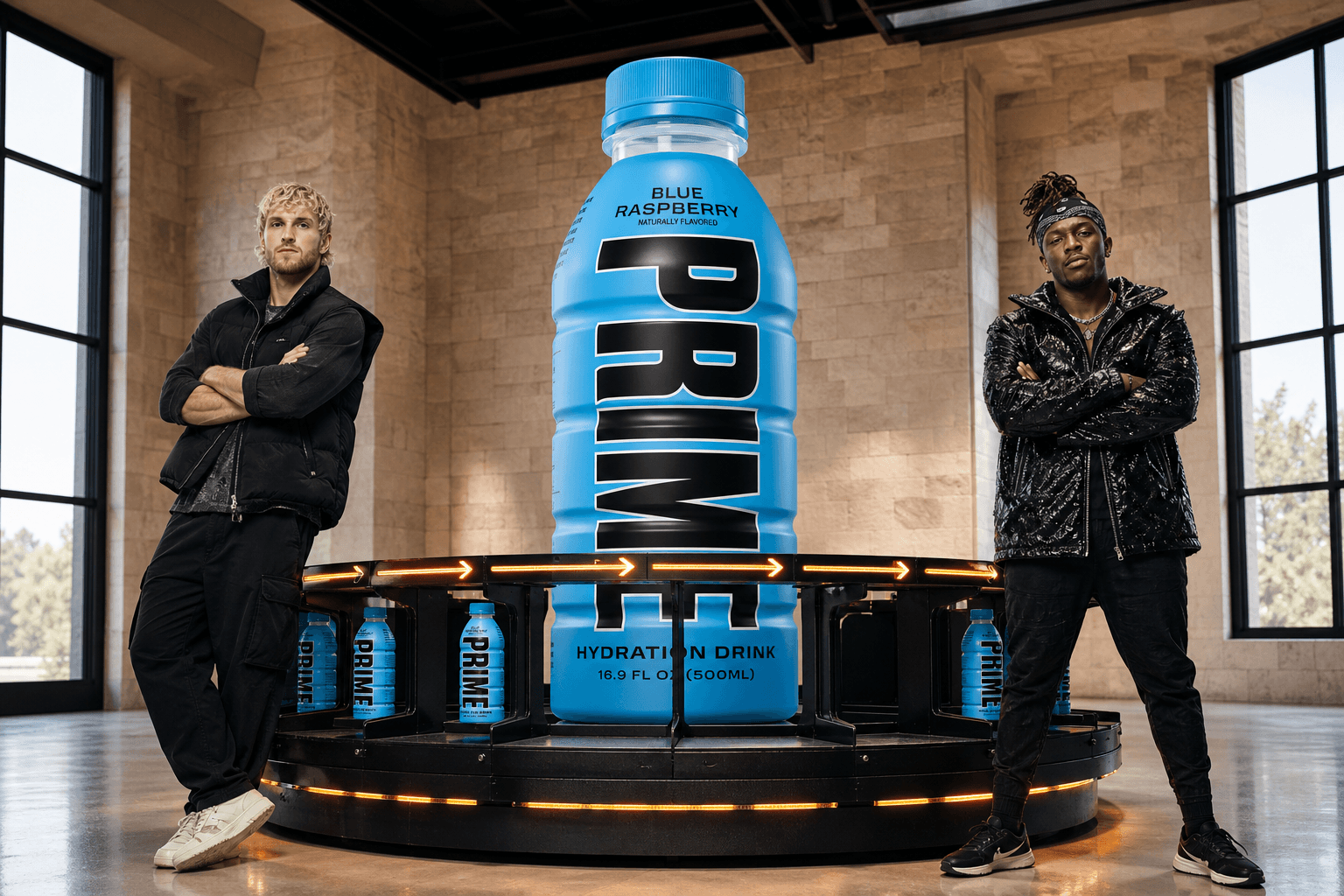
- Prime launched toward a projected $1.2 billion in first-year sales, then dropped 42% year over year once the hype cycle ended (Tubefilter, 2025)
- Feastables did $251 million in 2024 sales with over $20 million in profit, while MrBeast's media arm lost nearly $80 million on similar revenue (Bloomberg, 2025)
- Average DTC repeat purchase rates sit between 25% and 30%, which means roughly 7 in 10 buyers never purchase a second time (Finsi, 2026)
- Annual app subscriptions retain about 27% to 28% of subscribers a full year later, and they bill every single month in between (RevenueCat, 2026)
- The fix is not better marketing. It's a product that gives fans a reason to come back tomorrow.
Why Don't Creator Product Buyers Come Back?
The Prime Lesson: A $1.2B Launch That Fell 42%
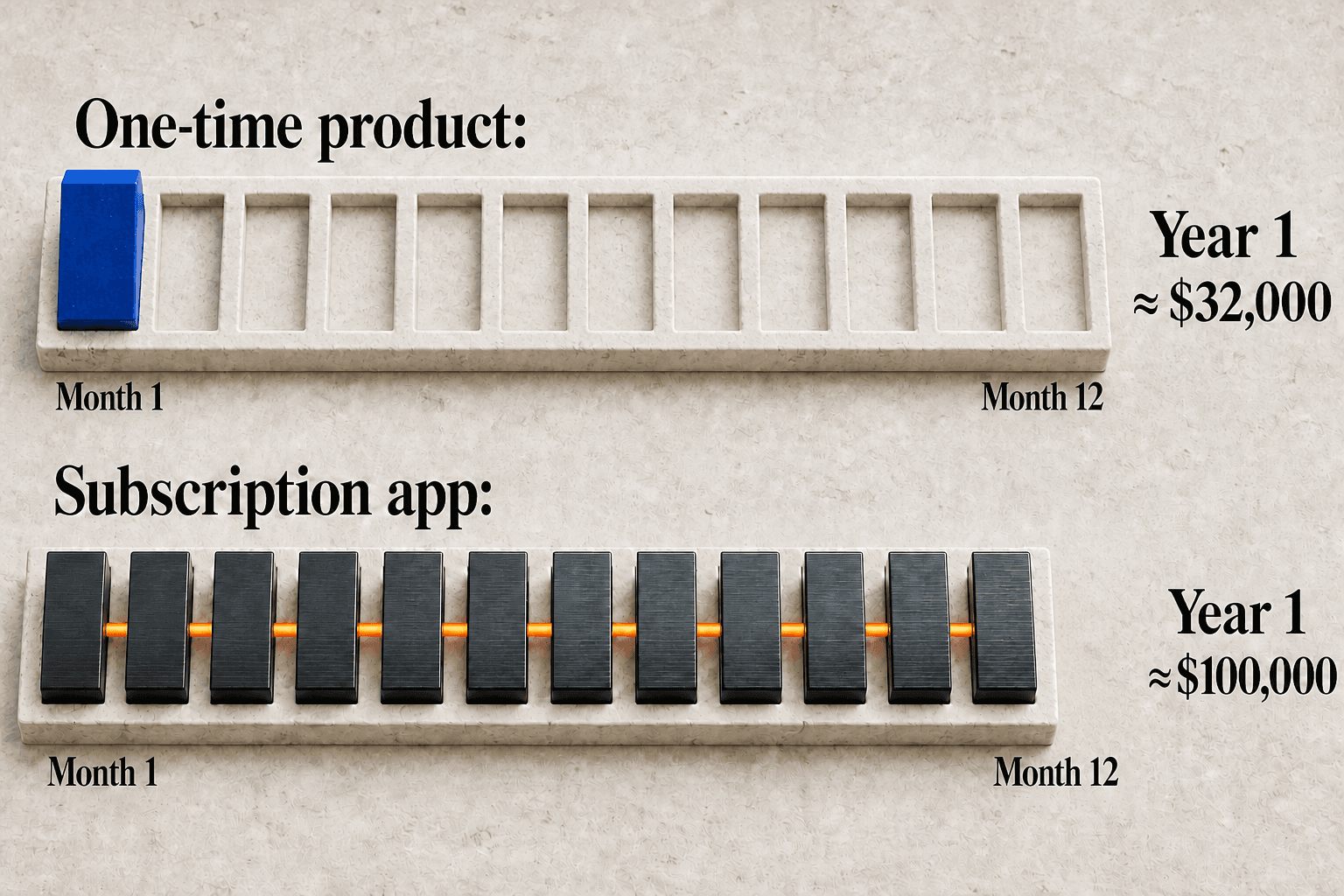
How Much Is a Repeat Customer Actually Worth?
| Model | Month 1 | Month 6 | Month 12 | Year 1 Total |
|---|---|---|---|---|
| 1,000 buyers, $30 one-time | $30,000 | ~$0 | ~$0 | ~$32,000 |
| 1,000 subscribers, $9.99/mo | $9,990 | $9,990 | $9,990 | ~$100,000 |
What Do Subscription Apps Do Differently?
- Daily use builds habit. Nobody uses a chocolate bar every morning. Fans open a workout tracker, a meal planner, or a daily briefing before coffee. Habit is retention.
- The product improves. A drink is the same drink forever. An app ships features, adds content, and gets more valuable the longer someone stays.
- The App Store recruits for you. Shelf space at Walmart costs margin. App Store search is free distribution that brings in subscribers who have never seen your content, which matters more as platform payouts keep shrinking, as we showed in how much platforms pay creators in 2026.
Live every Thursday
Watch us tear down a creator business, live
Every Thursday at 11 AM PT we take a real creator business and show the app hiding inside it: the wedge, the paid loop, the pricing, and what would sink it. Free, and the replay goes to everyone who registers.
Save your seat → (opens in a new tab)5 Ways to Build Repeat Purchase Into Your Product
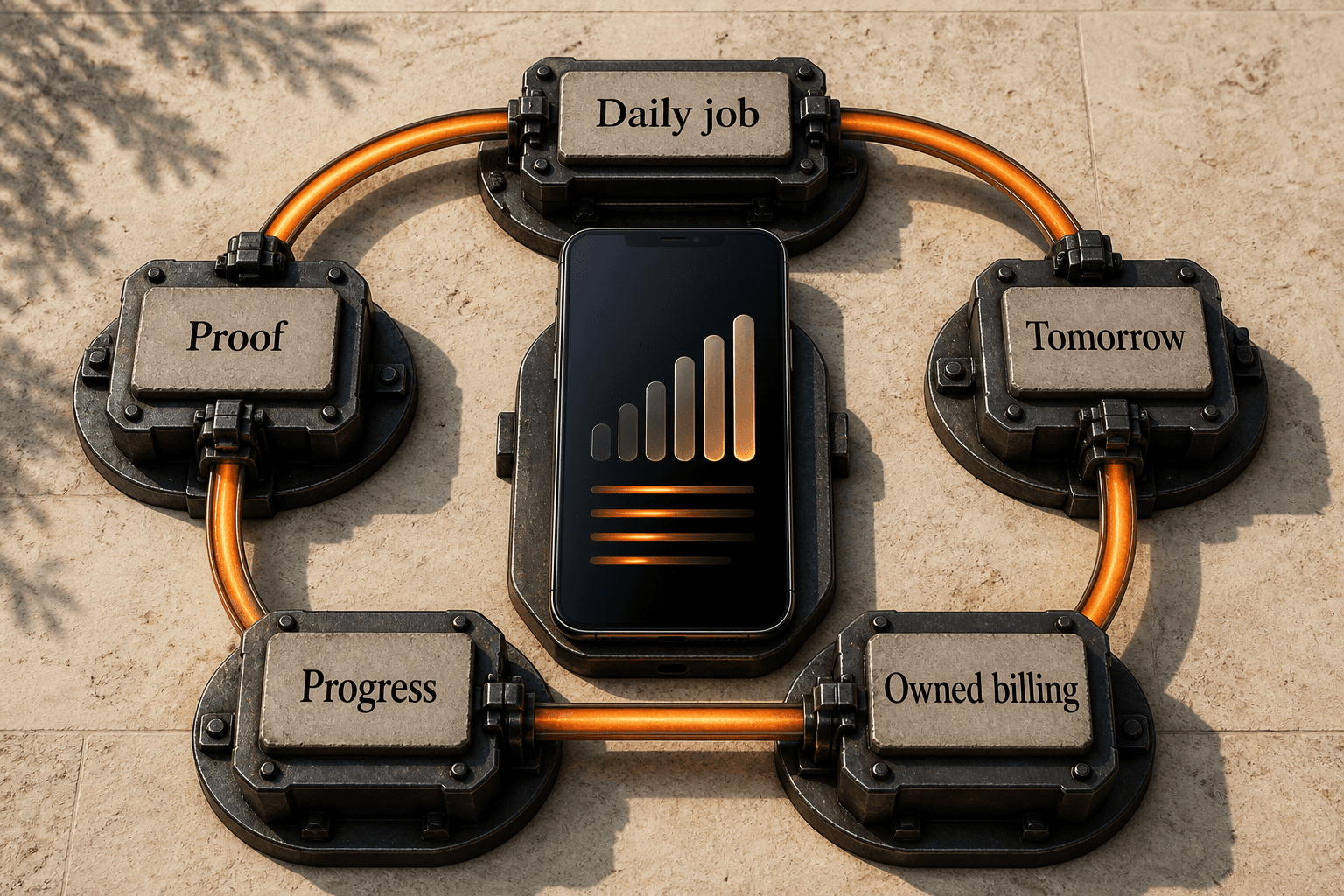
- Sell a job, not a souvenir. A souvenir gets bought once. A job, like "keep me accountable" or "tell me what to do today," gets hired daily. If you can't name the job, run it through the 5-step validation framework before spending a dollar.
- Make tomorrow's use obvious. The buyer should know exactly what they'll do with your product tomorrow morning. Streaks, daily drops, and check-ins give the answer. A hoodie doesn't have a tomorrow.
- Own the billing relationship. Subscriptions make continuing the default and put the renewal decision on autopilot. One-time products make leaving the default. Pick the model where inertia works for you.
- Track progress so leaving costs something. Ninety days of logged workouts, saved recipes, or streak history is a reason to stay that no discount code can match.
- Let usage write your marketing. Every leaderboard, transformation, and milestone inside an app is a post that promotes the product. A pallet of unsold inventory generates nothing.
Stop reading. Start building.
See What We’d Build You →
Is a Subscription App Right for Your Audience?
Frequently Asked Questions
What is a good repeat purchase rate for a creator product?
Why did Prime's sales drop so fast?
Do subscription apps really retain customers better than physical products?
How much does it cost to build a subscription app for creators?
Do I need a huge audience for a subscription app to work?
Build the Product People Buy Twice
See What We’d Build You →