

The Subscription App Squeeze: Why Creators Still Win

The Subscription App Squeeze: Why Creators Still Win

Foundry
April 6, 2026
Key Takeaways:
  • 14,700 new subscription apps launch every month in 2026, up 7x since 2022
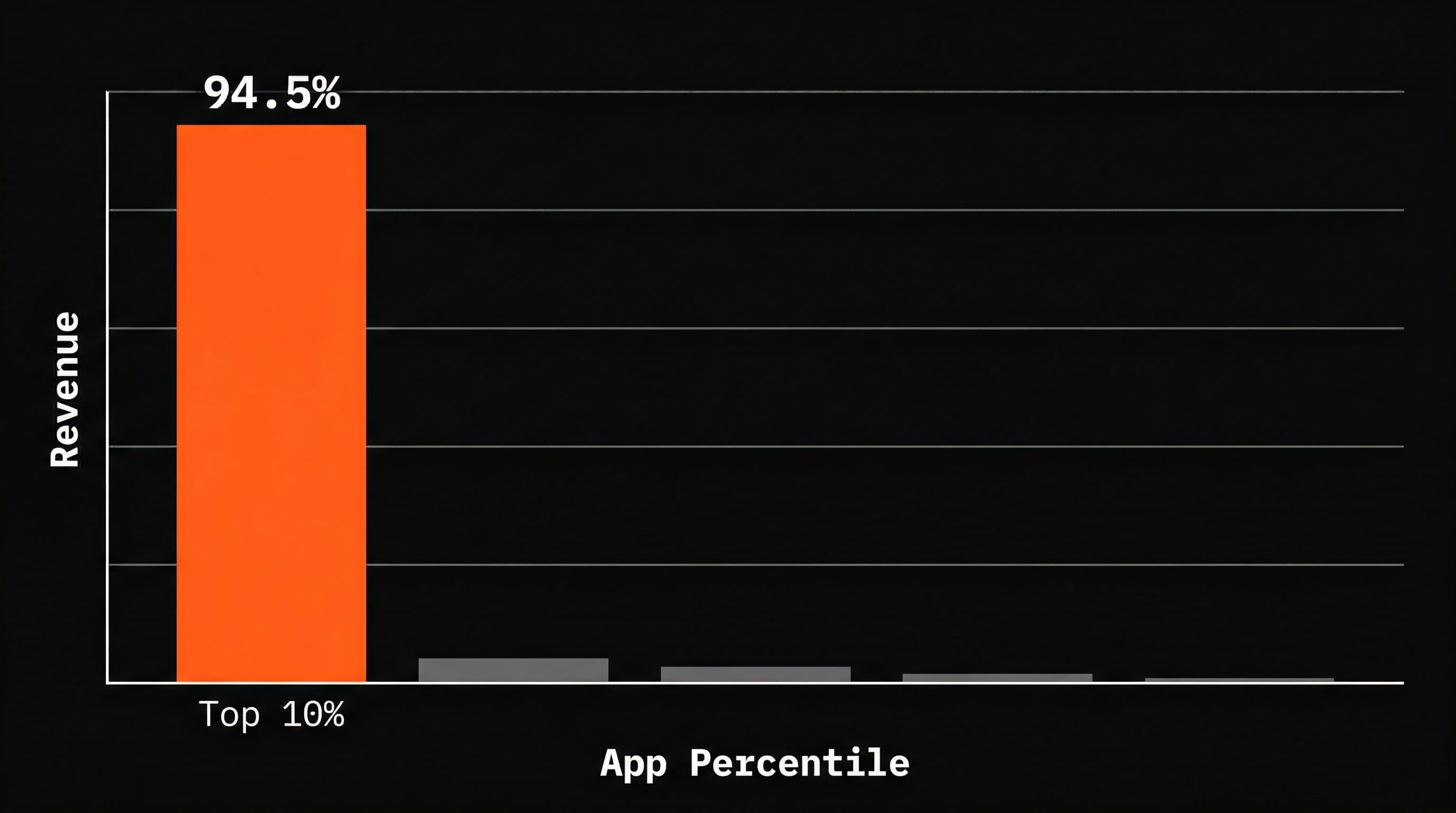
  • The top 10% of apps take 94.5% of all subscription revenue (RevenueCat)
  • Median monthly app revenue dropped 22% year over year to $492
  • Creators skip the hardest part of the app business: finding users
  • Hard paywalls convert 5x better than freemium when you have an engaged audience
The subscription app market is getting crushed under its own weight. More apps than ever, less revenue per app, and a winner-take-all dynamic that punishes anyone without a distribution advantage. But creators aren't "anyone." They start with something 99% of app developers would pay millions for: an audience that already trusts them. Here's what the 2026 data actually says, and why it's better news for creators than it looks. According to RevenueCat's 2026 State of Subscription Apps report, new subscription app launches hit 14,700 per month by January 2026. That's up from 2,000 per month in January 2022. A 7x increase in four years. The supply explosion is real. Every solo developer with a Cursor subscription and a weekend is shipping something. AI tools have collapsed the cost of building a basic app to near zero. But building is the easy part. Distribution is the hard part. And that's where the data gets interesting.
Subscription app market data showing revenue concentration at the top
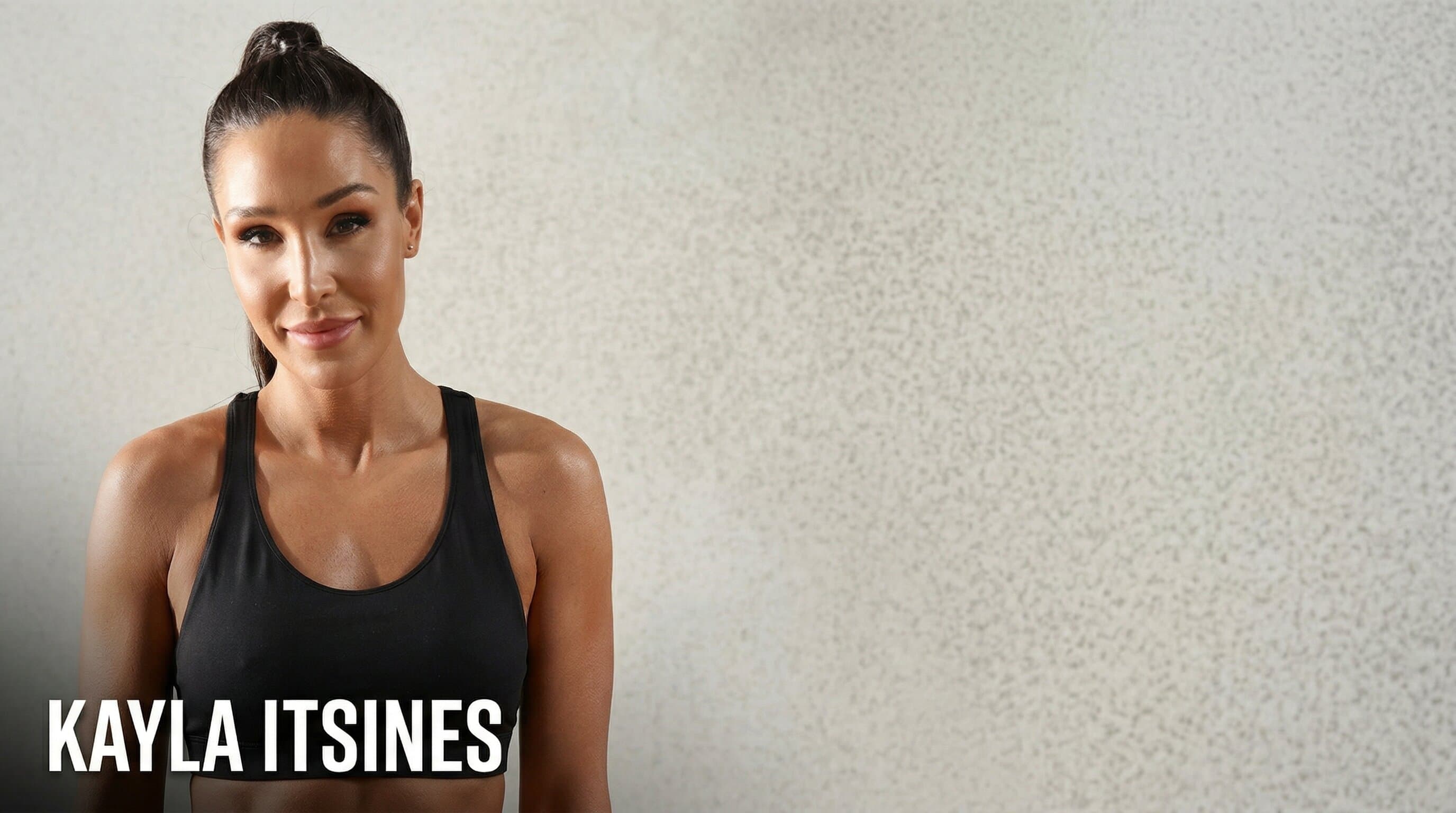
Straight to the top. The top 10% of subscription apps now capture 94.5% of all revenue, up from 92.7% in 2023. Meanwhile, the true median monthly revenue dropped 22% year over year, from $627 to $492. That means half of all subscription apps make less than $492 per month. Not per user. Total. Apps launched before 2020 still generate 69% of all subscription revenue. Apps launched in 2025 or later? Just 3%. The math is brutal for anyone starting from zero. You're competing with established apps that have years of reviews, organic rankings, and retention data. Most new apps never get discovered at all. Because creators don't start from zero. They start from an audience. The single most expensive, most difficult part of the subscription app business is customer acquisition. The average cost to acquire a mobile app user in 2026 ranges from $3 to $30+ depending on the category. For a creator with 100,000 engaged followers, that's $300,000 to $3,000,000 in equivalent marketing value sitting in their Instagram bio. For free. When Kayla Itsines launched Sweat, she didn't need to buy ads. Her audience was already doing her workouts from PDF guides. The app was the obvious next step. Sweat reached 450,000+ paying subscribers and sold for $400 million. When MKBHD launched Panels, he had 20 million YouTube subscribers. The app hit #1 on the App Store on day one. But it shut down 15 months later with just $95,000 in total revenue, because wallpapers don't solve a daily problem for his audience. The audience got both apps to the starting line. The product determined who stayed. Three patterns show up in every successful creator app: 1. The app solves a problem the creator's audience already has. Lilly Sabri's LEAN app gives her 4.4 million users structured workout programs. Layne Norton's Carbon Diet Coach tracks macros with research-backed algorithms. These aren't novelty products. They replace something the audience was already doing manually. 2. The app generates content, not just revenue. Every user transformation is a before/after post. Every leaderboard update is a weekly video. Every new feature launch is a story. The best creator apps solve the daily "what do I post?" problem on autopilot. 3. The app acquires users the creator never reached. App Store search brings in people who've never seen the creator's content. Your next 10,000 fans won't come from social media. They'll come from searching "workout app" or "meal planner" and finding your product. RevenueCat's data here is counterintuitive. Trials lasting 17 to 32 days convert at a 42.5% median, compared to 25.5% for trials shorter than four days. That's roughly 70% better conversion with a longer trial. Yet the industry is moving in the wrong direction. The share of apps using trials of four days or fewer rose from 42.1% in 2025 to 46.5% in 2026. Most developers are copying each other into worse outcomes. For creators, the longer trial makes even more sense. A 3-week trial gives the user time to see results, build habits, and become part of the community. A 3-day trial barely lets someone open the app twice.
Trial LengthMedian ConversionBest For
Under 4 days25.5%Simple utility apps
7 days~32%Content and media apps
17 to 32 days42.5%Fitness, health, education
Yes. And the gap is bigger than you'd expect. Apps with a hard paywall (requiring a subscription or trial to access core features) show a median Day 35 trial-to-paid conversion of 10.7%. Freemium apps convert at just 2.1%. That's a 5x difference. The conventional wisdom says freemium is safer. Give users a taste, hope they upgrade. But freemium trains users to expect free. A hard paywall paired with a generous trial says: this product has real value, and you'll see that value before you pay. Creators are uniquely positioned for hard paywalls because their audience already trusts them. The creator's recommendation reduces the friction that kills cold-traffic conversion. When someone you follow for fitness advice says "try my app free for 14 days," you try it. The subscription app market is harder than it's ever been for developers building in the dark. No audience, no distribution, no trust. They're fighting for the scraps left over after the top 10% take their 94.5%. Creators play a different game entirely. You bring the audience. You bring the trust. You bring the content engine that keeps users engaged and attracts new ones through the App Store. The question isn't whether the market is tough. It's whether you're going to use the advantage you already have, or leave it on the table while 14,700 new apps launch this month without one. Ready to turn your audience into a subscription app? Built by Foundry builds, launches, and runs your app. $0 upfront, 3 weeks to the App Store, and we handle everything from development to ongoing optimization.
Let's Build →
According to RevenueCat's 2026 report analyzing 115,000+ apps and $16 billion in revenue, the median monthly revenue for subscription apps is $492. However, creator-led apps with built-in audiences typically outperform this significantly because they skip the user acquisition bottleneck. The top 10% of subscription apps capture 94.5% of all revenue, according to RevenueCat's 2026 State of Subscription Apps data. This concentration has increased from 92.7% in 2023, making distribution advantages more important than ever. Hard paywalls convert at 5x the rate of freemium (10.7% vs 2.1% median trial-to-paid conversion at Day 35). For creators with engaged audiences, a hard paywall with a generous free trial (14 to 30 days) typically performs best because the audience already trusts the creator's recommendation. Most agencies charge $50,000 to $200,000 upfront. Built by Foundry charges $0 upfront and works on a revenue share model. We build your app in approximately 3 weeks and handle all ongoing development, updates, and optimization.

Get Creator Revenue Insights

How creators are turning audiences into subscription businesses

You might also enjoy...

The Subscription App Squeeze: Why Creators Still Win