

Layne Norton: How a PhD Powerlifter Built a Science-Backed Diet App

Layne Norton: How a PhD Powerlifter Built a Science-Backed Diet App

Foundry
March 15, 2026
Key Takeaways:
  • Layne Norton holds a PhD in nutritional sciences from the University of Illinois and has held world records in powerlifting — credentials that make his content uniquely defensible in an industry full of misinformation
  • He built a massive online following by leading with evidence: peer-reviewed research, controlled experiments, and direct myth-busting at a time when that approach was rare
  • Norton co-created Carbon Diet Coach — an AI-powered subscription macro tracking app that adjusts your daily targets weekly based on your check-in data
  • Carbon converts Norton's one-on-one coaching methodology into software that scales to thousands of subscribers paying monthly
  • His model — credentials → content → subscription software — is one of the cleanest examples of expertise monetization in the creator economy
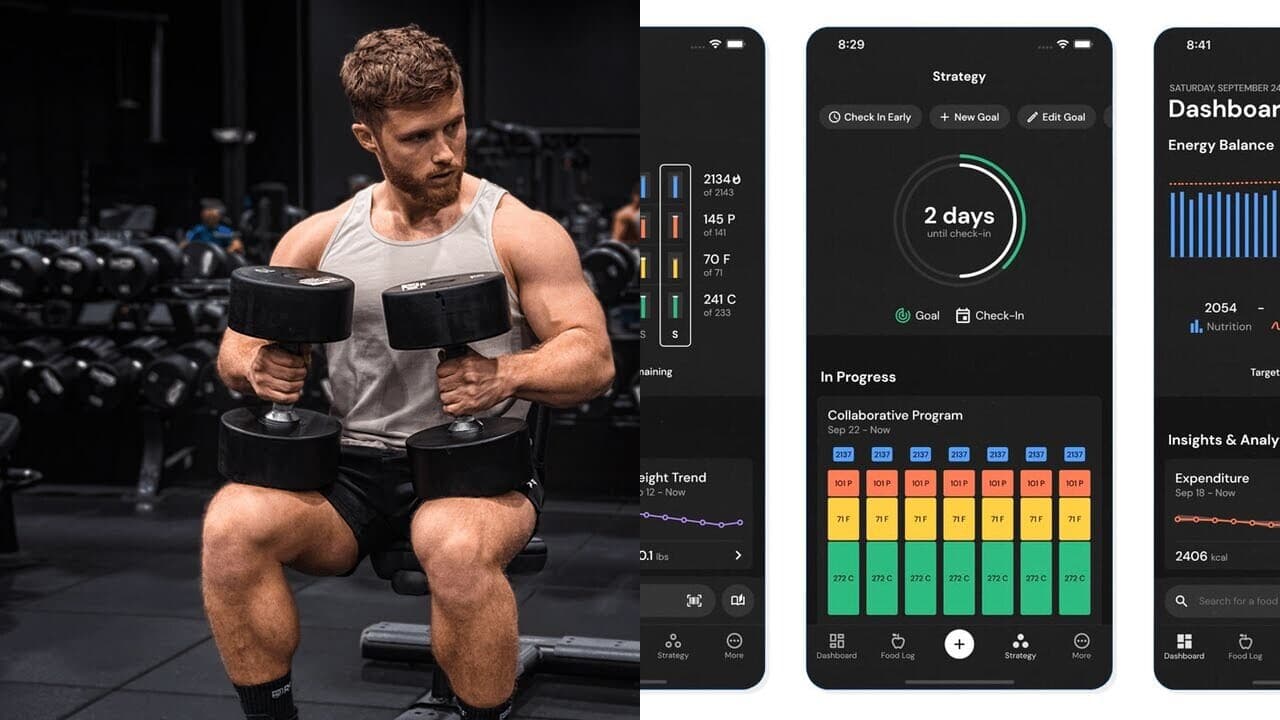
Most fitness creators build their brand on aesthetics. Layne Norton built his on evidence. He has a PhD. He competed on stage as a natural bodybuilder. He set powerlifting records. And for nearly two decades, he has done something rare in the fitness industry: told the truth when the truth was commercially inconvenient. That trust — earned through demonstrated expertise, not just content volume — became the foundation for a subscription software business that turns his coaching methodology into monthly recurring revenue. Layne Norton is a nutrition scientist, natural professional bodybuilder, competitive powerlifter, and content creator. He holds a PhD in nutritional sciences from the University of Illinois, where his doctoral research focused on amino acid signaling and muscle protein synthesis — the precise biological mechanisms behind muscle growth. His YouTube channel and social media presence are built around a single premise: here's what the research actually says, not what the supplement company paid a bodybuilder to claim. In an industry structured around selling aspirational misinformation — detox teas, fat burners, secret macro splits — Norton became the counterforce. He's debunked popular diets, called out supplement companies, published peer-reviewed research, and won natural powerlifting competitions simultaneously. His combined following across YouTube, Instagram, and TikTok runs into the millions. But unlike most fitness creators who monetize through brand deals and coaching packages, Norton built software. Norton began competing in natural bodybuilding in the early 2000s while still completing his PhD. He started sharing training and nutrition content online at a time when fitness advice was dominated by supplement-sponsored athletes and pseudoscience. His approach was different from day one: cite the study, explain the mechanism, debunk the claim. This required him to have done the actual work — doctoral research, peer-reviewed papers, competition results. The credentials weren't branding. They were the product. By the time online fitness content was booming in the 2010s, Norton had built a following that other creators couldn't easily replicate. You can copy someone's workout format. You can't copy a PhD and a decade of peer-reviewed research on muscle protein synthesis. That defensibility — what investors would call a moat — is exactly what made his eventual product launch worth something. As we've noted in the brand deals vs. subscription apps comparison, the creators who build lasting businesses are the ones whose expertise can't be easily copied. Carbon Diet Coach is an AI-powered macro tracking and diet coaching app built on Norton's flexible dieting methodology, available on iOS and Android. The core concept: instead of following a fixed macro plan, Carbon adjusts your daily targets every week based on the check-in data you submit — your weight trend, your adherence to the previous week's targets, your energy levels. The app learns your data and responds the way a real coach would. Key features include:
  • Weekly macro adjustments: AI-driven recalculation of targets based on actual progress data, not a static plan
  • Food logging: Full barcode scanner and food database for tracking daily intake
  • Progress tracking: Weight trend analysis, adherence scoring, habit streaks, and phase management (cut, bulk, maintain)
  • Programming flexibility: Supports intermittent fasting windows, refeed days, and diet breaks
  • Check-in accountability: Weekly weigh-in prompts that feed the adaptive algorithm

This is what separates Carbon from a spreadsheet calculator or a generic calorie app. It incorporates the adaptive coaching logic Norton applied with individual clients — then scaled it to thousands of users through software.
Carbon Diet Coach app showing macro tracking dashboard, weekly check-in screen, and food log on three phones against a dark science-inspired background
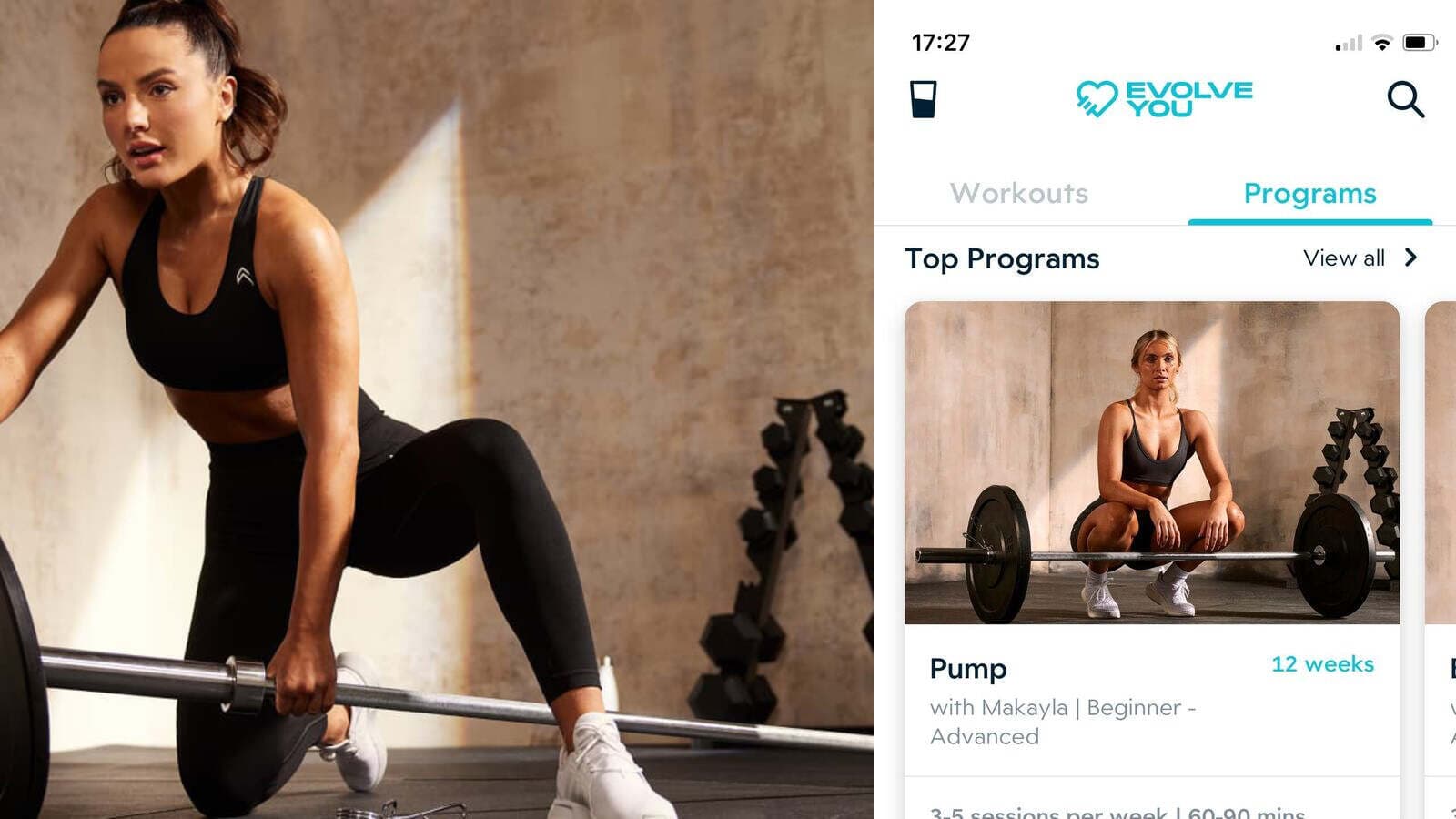
The subscription runs approximately $19.99/month, with annual billing options available. For context: a single month of personalized nutrition coaching from a certified coach typically costs $200–$500+. Carbon delivers a meaningful portion of that methodology at a fraction of the price — and that's the subscription math that makes it work. Before Carbon, Norton's scalable revenue came from online coaching programs and courses sold through his BioLayne platform. These worked — but they had a ceiling. A course sells once. Coaching has a per-client time cost. Neither compounds without more input. Subscription software changes the math entirely. Monthly recurring revenue — MRR — is what separates a revenue event from a business. A coaching package generates one payment. A subscription app generates that payment every month from every subscriber who stays. And unlike course content that grows stale, an adaptive app improves as its user base grows — more data, better calibration, stronger retention. The insight Norton applied is the same one Brendon Burchard applied when he built GrowthDay: your methodology is more valuable than your content. Content attracts the audience. The methodology is what they'll pay monthly to access. The same logic drove Jeff Nippard to build MacroFactor — a competitor nutrition app with nearly identical positioning. The fact that two leading science-based fitness creators independently built subscription nutrition apps in the same period isn't a coincidence. It's a category signal. The question answers itself: the fitness app market generates billions annually, and the science-credentialed segment is dramatically underserved. Most fitness apps are built by technologists who don't have domain expertise, or by athletes who don't have the credentials to explain why the programs work. Norton's positioning exploits a specific gap: the person who wants to lose fat or build muscle and is frustrated by conflicting advice from unqualified sources. That's an enormous audience, and the barrier to entry for competing with him is genuine. You'd need both the credentials and the decade of trust-building content. His most engaged audience — the person who watches a 40-minute YouTube video debunking carnivore diet claims — is exactly the kind of subscriber who stays with a $19.99/month app. They made a values-based choice to pay for evidence, not hype. Norton's path from PhD research to podcasts to subscription app follows a logic that applies well beyond nutrition science. 1. Credentials beat attention. Norton has a fraction of the followers of mainstream fitness influencers who built their brands on aesthetics. But his audience trusts him in a fundamentally different way — because he earned that trust through evidence, not charisma. If you have genuine specialized expertise, it's worth more than a larger audience with shallower trust. 2. A coaching methodology is a product spec. Everything Carbon does reflects the adaptive coaching process Norton developed over two decades. The app isn't a repackaged YouTube playlist — it's the system itself, encoded in software. Creators who can articulate their methodology precisely enough to turn it into software have a product that scales without them. 3. Your method belongs in software, not PDFs. A static PDF guide can teach principles. It can't monitor your progress, adjust your targets weekly, and respond when you plateau. Software that delivers the methodology dynamically is a different category of product — one that justifies a recurring subscription where a one-time download doesn't. 4. Competition validates the market. Carbon and MacroFactor competing in the same space has made the adaptive macro tracking category more credible and visible. When two respected evidence-based creators independently build similar products, it confirms demand. Don't be paralyzed by competitors — use them to confirm you're building in the right direction. Here's what Norton built that most creators haven't: a product that runs harder than he does. He could slow down his posting schedule tomorrow. Carbon subscribers would still be logging meals, checking in weekly, and getting their macros adjusted by the app. The recurring revenue exists independently of his content output. Content supports the funnel — but it's no longer the entire business. That's the transition — from content as the business to content as distribution for the real business. As we traced with Krissy Cela's EvolveYou and Oner Active empire and Grace Beverley's Shreddy and TALA businesses, the creators who build durable businesses treat their content as the top of the funnel, not the product itself. Norton applied that principle rigorously: the PhD and the research make him trustworthy, the content spreads that trust, and the subscription app converts that trust into monthly revenue. The fitness industry overproduces content and underproduces software. Norton saw that gap early and built into it. The result is a business with real defensibility — built on credentials that took a decade to earn and software that compounds with every new subscriber. If you're ready to stop trading expertise for attention and start converting it into recurring revenue, learn how we work →
Layne Norton is a nutrition scientist, natural professional bodybuilder, and competitive powerlifter. He holds a PhD in nutritional sciences from the University of Illinois, with doctoral research focused on amino acid signaling and muscle protein synthesis. He has held world records in natural powerlifting and built a large social media following by applying evidence-based research to fitness and nutrition content. He co-created Carbon Diet Coach, a subscription macro tracking app. Carbon Diet Coach is an AI-powered macro tracking and diet coaching app created by Layne Norton. Rather than giving you a fixed plan, the app adjusts your daily macro targets each week based on check-in data: your weight trend, dietary adherence, and energy levels. It's available on iOS and Android and encodes Norton's adaptive coaching methodology at a subscription price point significantly lower than personal coaching. Carbon Diet Coach costs approximately $19.99/month, with annual billing options available. The subscription includes full access to adaptive macro tracking, weekly AI-driven target adjustments, a food logging database, progress tracking, and the check-in accountability system. MyFitnessPal is a food logging database. Carbon Diet Coach is an adaptive coaching system. Carbon uses your weekly check-in data to adjust your macro targets automatically — it responds to your actual results the way a coach would. The credentials behind the methodology (Norton's PhD research and coaching track record) are also a meaningful differentiator in a crowded app market. Norton's approach is instructive: the app packages a specific, proven methodology — adaptive macro coaching based on evidence-based research — into a product that delivers it to thousands of users simultaneously. To replicate the model, you need a documented methodology your audience already trusts, a daily habit loop that creates retention, and a development partner who can build the software. We work with creators to build subscription apps — no upfront cost, we build and run everything.
Your expertise has value beyond what your content earns. We build subscription apps for creators in 3 weeks — $0 upfront, we handle all the tech forever.
Book Your Free Strategy Call →

Get Creator Revenue Insights

How creators are turning audiences into subscription businesses
Subscribe

You might also enjoy...