

Case Studies & Success Stories

Scott Clary: $1M Revenue and a $400K Social Budget

October 23, 2026
Share
Scott Clary: $1M Revenue and a $400K Social Budget

Get Creator Revenue Insights

How creators are turning audiences into subscription businesses
Share
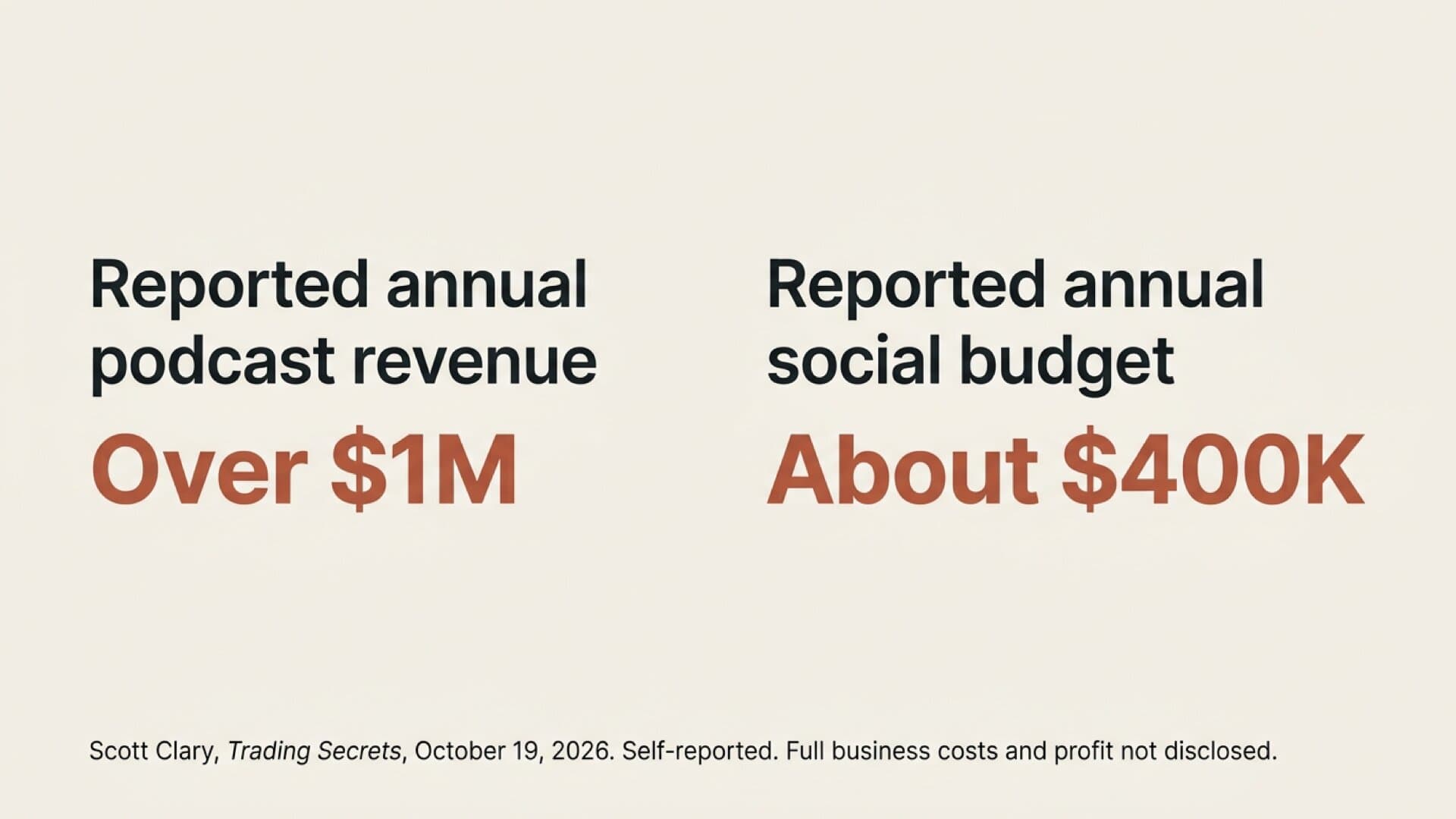
Scott Clary's podcast makes over $1 million a year, according to his October 19 appearance on Jason Tartick's Trading Secrets. In the same conversation, he puts his annual social-media budget at roughly $400,000, including salaries, advertising, and tools. Those two figures belong together. A creator considering a bigger team needs to understand both the sales the business can make and the work required to keep making them. Clary offers an unusually concrete starting point for that conversation. His figures are self-reported. They do not establish his profit, and they are not a budget recommendation for your business. They do make an operating question visible: what has to happen between publishing something useful and getting paid for it? Portrait: Scott Clary, from his 2021 interview with The Global Discussion. Scott Clary hosts Success Story, a business interview podcast, and sells advertisers defined ways to reach his audience. His public sponsorship inventory includes podcast ad placements and sponsored YouTube videos. His background helps explain the offer. In a 2021 interview with The Global Discussion, Clary described a career in sales and marketing leadership while building the show. He had already worked with entrepreneurs as an adviser, consultant, and operator. Interviewing business leaders extended work he knew. On his YouTube channel, that expertise becomes conversations people can watch. On his sponsorship storefront, it becomes inventory a buyer can understand: a pre-roll, mid-roll, or post-roll podcast ad; a 60-second YouTube shout-out; or a dedicated product video. Each option describes a deliverable. An advertiser can consider where the message appears and how it fits the audience before discussing a campaign. That is useful packaging for a creator whose inbound requests still begin with a vague invitation to collaborate. Try writing your own offer with the same specificity. State who the customer reaches, what you deliver, and where it appears. Then list the approvals, revisions, reporting, and usage permissions that need agreement. A clear offer gives both parties something concrete to assess.
See What We’d Build You →
Clary's reported $400,000 annual social budget shows that distributing creator content can require substantial ongoing spending. It cannot tell us his profit: podcast revenue and social costs are separate reported figures, with no complete business accounts provided. Subtracting the budget from the revenue headline would produce an answer the evidence cannot support. We do not have a full expense schedule, a common accounting period for every line, or a reconciliation of which activities each figure covers.
Two reported annual figures: over $1M in podcast revenue and about $400K in social budget, with full business costs and profit undisclosed
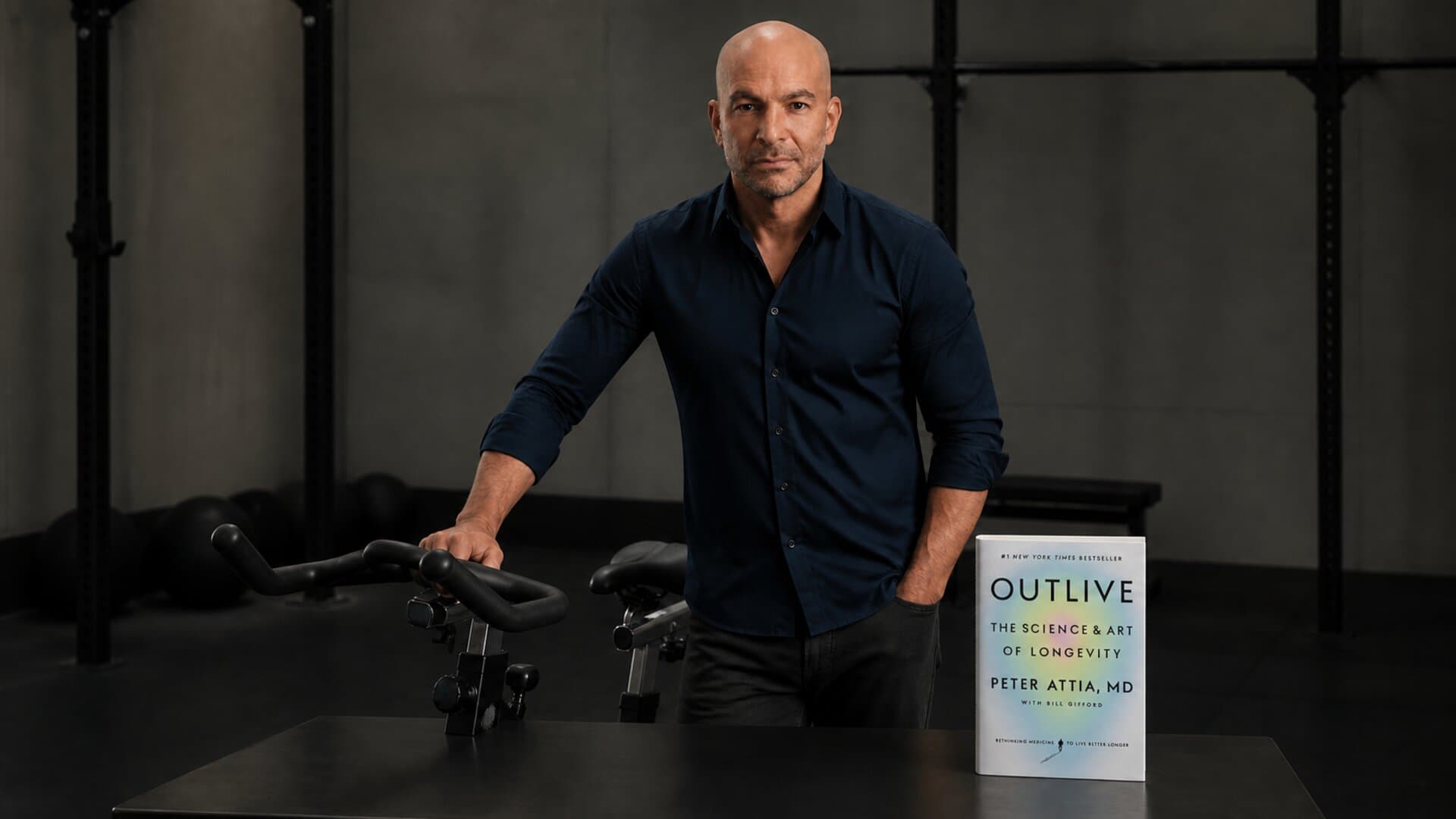
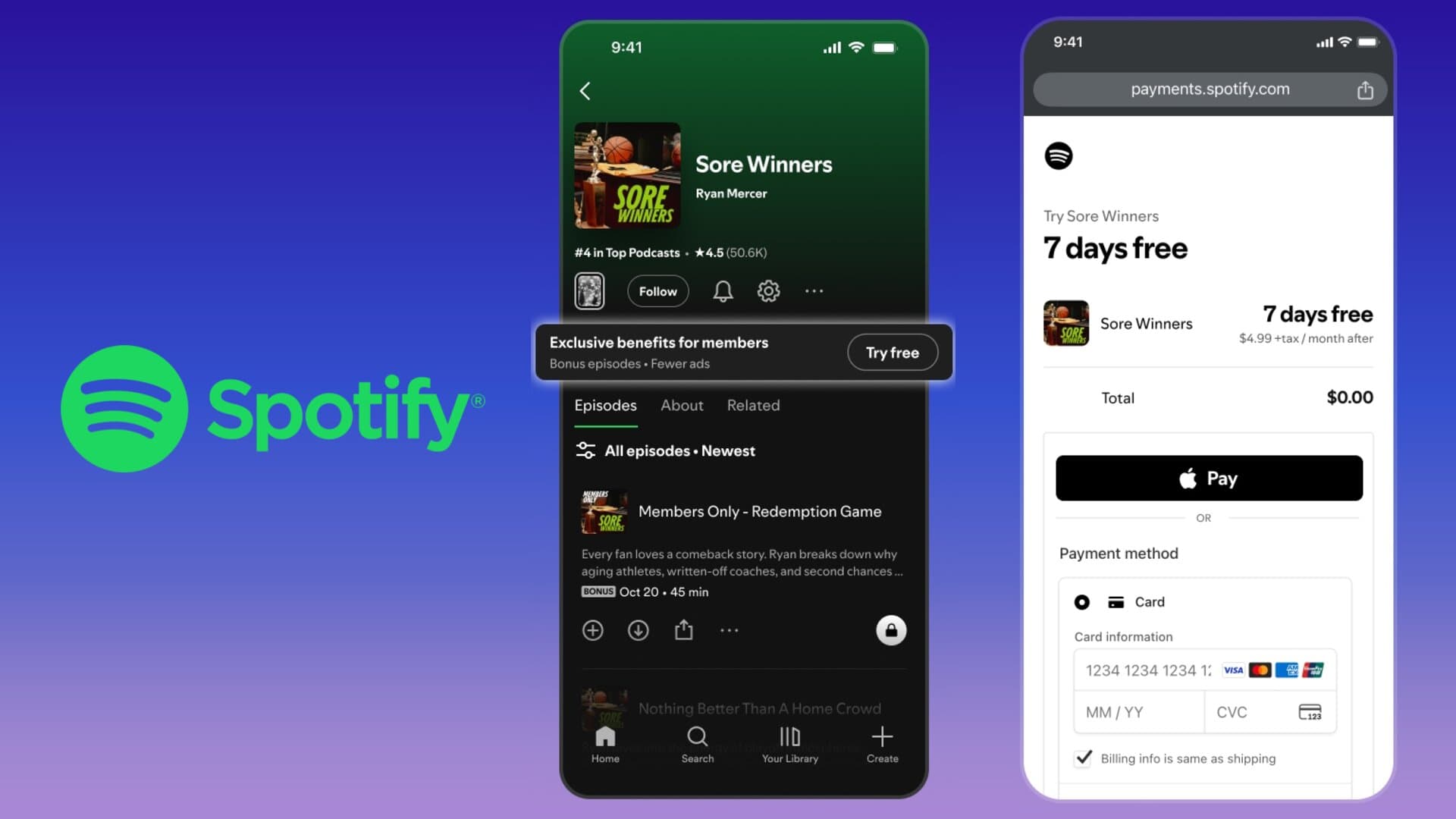
Figures reported in the October 19, 2026 Trading Secrets interview. The graphic separates them because their difference is not a verified profit figure. For your own business, build the missing view before hiring. Put collected revenue beside production, distribution, sales, support, software, and the time you contribute. Keep recurring commitments visible. A contractor working on one launch creates a different obligation from a salaried team you need every month. Then ask what happens in a weaker sales period. Which expenses can change quickly? Which work continues even when an advertiser delays a campaign? How much cash must remain available to deliver promises already sold? These questions also belong in a product plan. A paid community needs moderation. A course needs customer support. A subscription app needs continuing maintenance. Our guide to turning a podcast into a paid product can help you explore that route; assign an owner and a cost to each ongoing responsibility before choosing it. Clary says his operation publishes 30 to 40 pieces of content a day, including clips and written posts. He describes selecting organic material that performs well before spending money to promote it. The interview also acknowledges the difficulty of tying that spending directly to advertising revenue. The practical lesson is to assign a purpose to each piece you produce. A long interview can establish expertise. A short clip can introduce the host. A sponsor placement can fulfil a paid agreement. Those jobs call for different measurements. For a smaller show, make the handoff explicit. Choose one useful passage from an episode. Decide who should see it, what they should learn, and what action would make sense next. That action might be listening to the full conversation or joining a list for a relevant product. Give the editor enough context to choose a clip that serves it. Review the result against that purpose. Reach helps assess discovery. A completed enquiry helps assess an offer. A returning customer helps assess continuing value. Keep those observations separate so a popular clip does not become evidence of a sale it never produced. Clary's earlier sales conversation with Hala Taha discusses understanding a buyer and listening during a sale. Apply that discipline to content planning too. Write down the questions customers ask before paying, and give those questions to the people producing your next recording. For an expert creator with 50,000 engaged followers who already sells something, Clary's example is most useful as a prompt to examine how the sale works. His output volume is a description of his operation. Your next decision should fit your customer, capacity, and costs. Start with recent purchases. What did people want help doing? What support did they need afterward? Did the same need return? Ask customers directly before treating repeated comments or high view counts as willingness to pay. A recurring need may support a membership or product, provided you can deliver continuing value at a workable cost. Our podcast membership guide covers one set of options. The Peter Attia profile offers another podcast business to examine. Use them to compare what a customer receives after joining. That is also the conversation behind Built by Foundry's model: identify demand, build the business around it, and take responsibility for operating the product after launch. The creator brings expertise, taste, and an audience relationship. The plan needs to explain how those strengths become something a customer wants to keep buying. Before approving a new revenue stream, write one page naming the buyer, the promise, the work required each month, and who owns that work. Put the costs beside the sales forecast. You will have a better basis for the decision than a revenue headline alone.
See What We’d Build You →
Our work

Creators who already did this

These are apps we designed, built, shipped, and still run today, with the creator keeping the code and the audience.

Ellie Fausett

Ellie Fausett

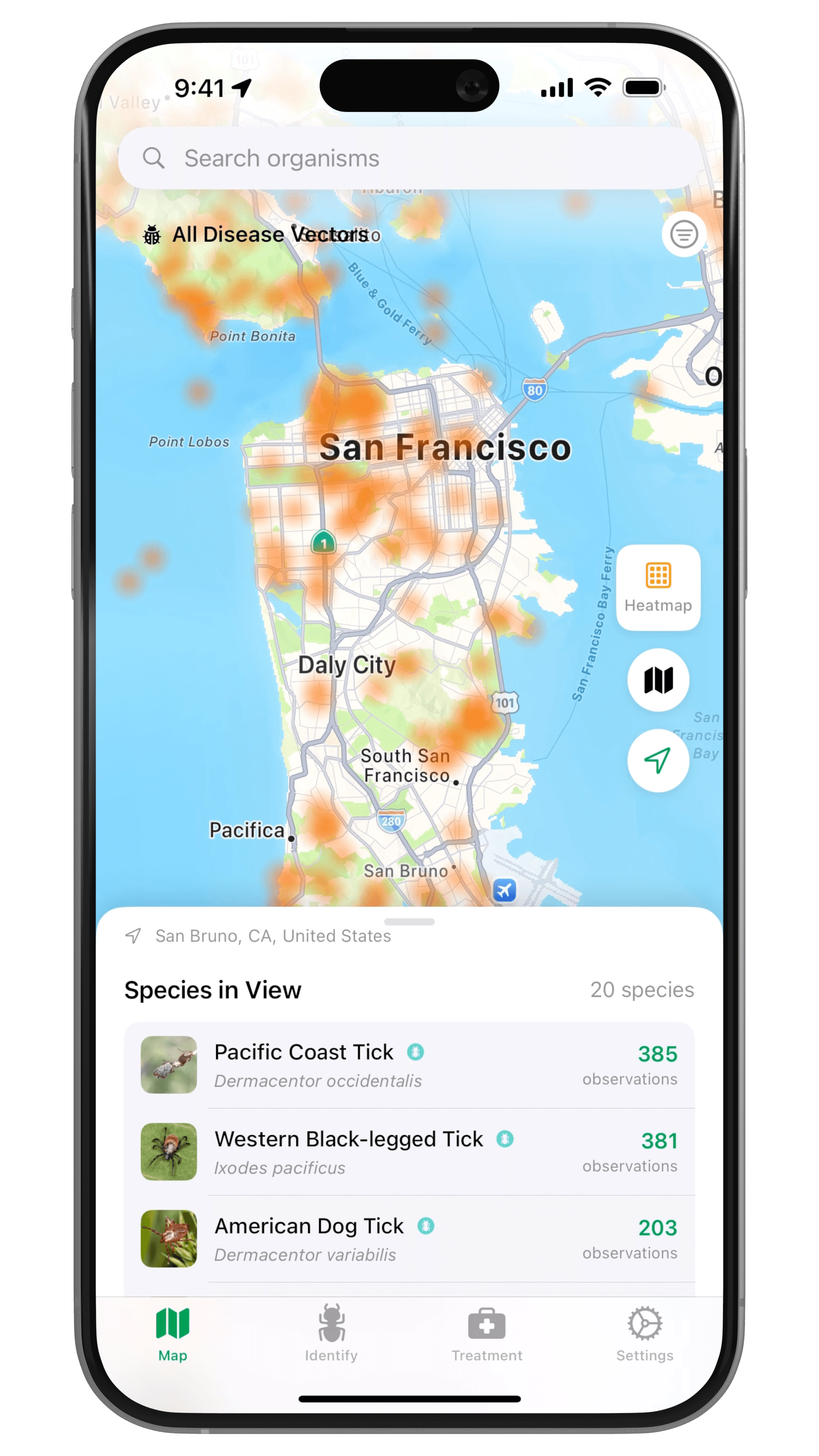
Founder & CEO of Vector Guard

Spot disease-carrying pests before they reach your family.

Top Health App
Read the case study
Vector Guard screenshots
Samantha Mae

Samantha Mae

Founder & CEO of NineLives

Cat health tracking from the world's most beloved Scottish Fold.

Top Health App150K+ followers
Read the case study
NineLives screenshots
Liv Merima

Liv Merima

Founder & CEO of Claim It

Custom affirmations that help millions choose themselves.

Top Lifestyle App150K+ followers
Read the case study
Claim It screenshots

Creator app strategy

Curious what your app could be?

Enter your handle and BUILT BY FOUNDRY will research your audience and present custom app concepts. Free.

Scott Clary: $1M Revenue and a $400K Social Budget