
Platform Reviews

Passes Review 2026: Is the 10% Fee Worth It?

August 7, 2026
Share
Passes Review 2026: Is the 10% Fee Worth It?

Get Creator Revenue Insights

How creators are turning audiences into subscription businesses
Share
Key Takeaways:
  • Passes takes 10% of creator earnings, so a creator grossing $10,000 keeps $9,000 before taxes and optional faster-payout fees
  • The platform combines memberships, paid DMs, one-to-one calls, livestreams, group chats, merchandise, digital products, and automation
  • Two-to-five-business-day payouts cost 0% extra, while one-day payouts add 6.5% and instant payouts add 10% when available
  • Passes works best for creators selling exclusive access and direct interaction, not custom tools, trackers, or guided product experiences
  • Rating: 3.5 out of 5. Passes is a capable monetization platform with a clear fee, but the creator still builds inside a shared product
Verdict: Passes is worth the 10% fee for established creators who can sell access, conversation, and exclusive content without assembling six tools. The direct-message, call, livestream, and membership stack is unusually complete. The fee costs $1,000 at $10,000 in monthly sales, and optional fast payouts can take more. Passes gives creators a better way to monetize attention. It does not give each creator a branded app, an App Store listing, or a differentiated software asset. Passes is a creator monetization platform for selling memberships, paid messages, exclusive content, livestreams, one-to-one calls, group access, merchandise, and digital products. Fans can buy through the web or the shared Passes iPhone app. Creators manage content, fan relationships, pricing, promotions, and earnings from one system. The current Passes homepage says the platform has more than 10,000 creators, 1.5 million fans, and nine figures paid to creators. It positions the product as a business backbone rather than a simple paywall. The feature list supports that pitch: a content vault, smart scheduling, mass messages, subscriptions, pay-per-view content, group chats, calls, and commerce all sit together. The strongest distinction is interaction. A newsletter platform sells reading. A course platform sells a curriculum. Passes lets a creator sell proximity through a paid DM, a private livestream, or a one-to-one call, then turn that fan into a recurring member. Passes takes 10% of creator earnings, and creators keep 90%. There is no published monthly creator subscription on the current public pricing experience. We verified the fee on the live Passes homepage on August 7, 2026. The page states both “Keep up to 90% of what you earn” and “Passes takes just 10%.”
Monthly Gross EarningsPasses Fee at 10%Creator Balance Before Taxes
$1,000$100$900
$5,000$500$4,500
$10,000$1,000$9,000
$25,000$2,500$22,500
Payout speed changes the math. Passes' current payout documentation lists a $50 minimum balance and three timing options when faster payouts are enabled.
Payout TimingExtra FeeCost on a $9,000 Balance
2 to 5 business days0%$0
1 business day6.5%$585
Instant10%$900
The last column applies the published percentage to the full $9,000 eligible balance to show the decision at scale. Waiting a few days protects the margin. A creator who routinely pays for instant access turns a 10% platform fee into much more expensive economics.
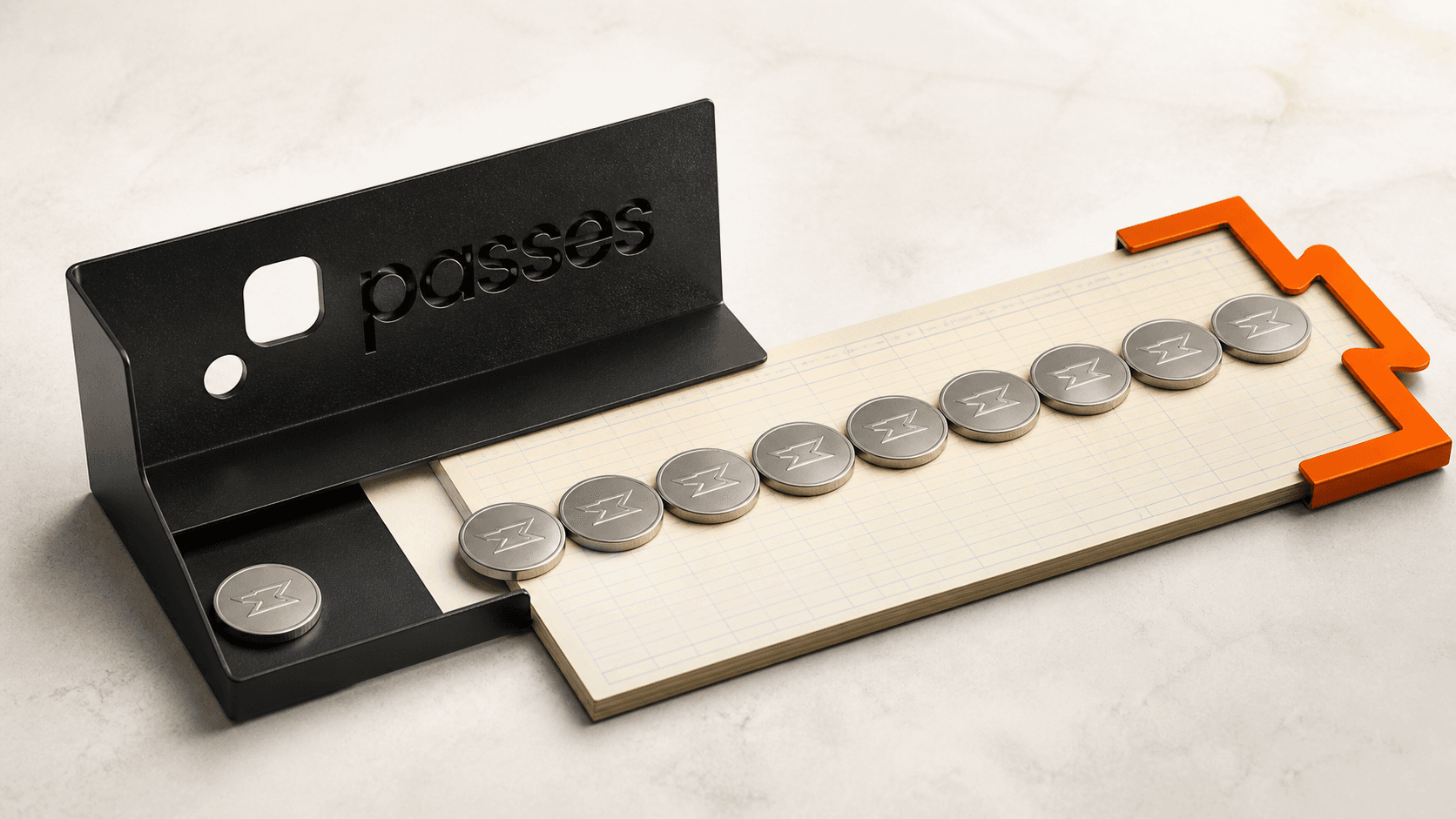
One revenue token entering a Passes fee tray while nine continue across an owned-business ledger framed by the Built by Foundry mark
Passes does three jobs especially well: it creates several ways to buy, turns fan interaction into a product, and keeps the operating workflow in one dashboard. First, the revenue menu is broad. Passes' creator documentation supports monthly, quarterly, and annual memberships alongside paid DMs, calls, livestreams, and pay-to-view content. A creator can publish video, photos, audio, PDFs, and text, then organize that material in a private vault and schedule its release. Second, the product is built for high-value access. A fitness creator can sell a group membership, charge for a form-review message, and host a live training session without sending fans through three checkouts. A music creator can pair behind-the-scenes posts with a paid call or merch drop. This is more flexible than a membership page that only gates a feed. Third, interaction creates an evergreen content loop. Fan questions reveal the next topic. Livestream comments expose confusion. Top-earning media shows which promise lands. Passes' analytics dashboard tracks profile visits, memberships, message revenue, media purchases, and results from social tracking links. The creator gets evidence for the next post instead of another blank content calendar. The consumer app is real, not a mobile web shortcut. Apple's listing shows a 4.6-star average across more than 500 ratings and describes access to memberships, livestreams, merch, messages, and personalized experiences. That shared app gives fans a familiar place to return. Freeze Dry Buddy by Brandon Whiteleather
Our work

How Brandon Whiteleather Launched Freeze Dry Buddy in 28 Days

We turned Brandon Whiteleather's freeze-drying know-how into Freeze Dry Buddy: on the App Store in 28 days, then Android, with public ratings anyone can check.

Read the case study → (opens in a new tab)
Passes falls short on fee scale, payout incentives, brand ownership, and product depth. The fee grows with every win. At $25,000 in monthly sales, Passes keeps $2,500. That can be fair when the platform replaces several tools and drives high-margin interaction. It becomes harder to defend when most revenue comes from a simple membership that needs little platform support. Fast payouts are expensive. A 6.5% one-day fee or 10% instant fee creates the wrong habit for a business owner. Recurring revenue should create cash-flow stability. Paying hundreds of dollars to accelerate a routine payout gives that advantage back. The app belongs to Passes. Fans download Passes and enter a marketplace of creators. Your page can build recurring revenue and deeper engagement, but it does not become your own App Store listing, review history, install base, or product brand. The platform can introduce discovery, yet the asset remains attached to the platform. The product model centers on access. Passes can deliver workouts as videos, recipes as PDFs, and advice through calls. It does not turn those assets into an adaptive workout plan, searchable recipe engine, progress tracker, streak, assessment, or personalized workflow. That distinction matters. Content gives a fan something to consume. Software gives the fan something to do. Passes markets “Data Ownership” on its public comparison page, which is a good promise. Before moving a large business, ask support for a test export and inspect the exact fields included: emails, membership status, purchase history, message history, consent records, and payment identifiers. Ownership should be demonstrated by the exit path, not accepted as a label.
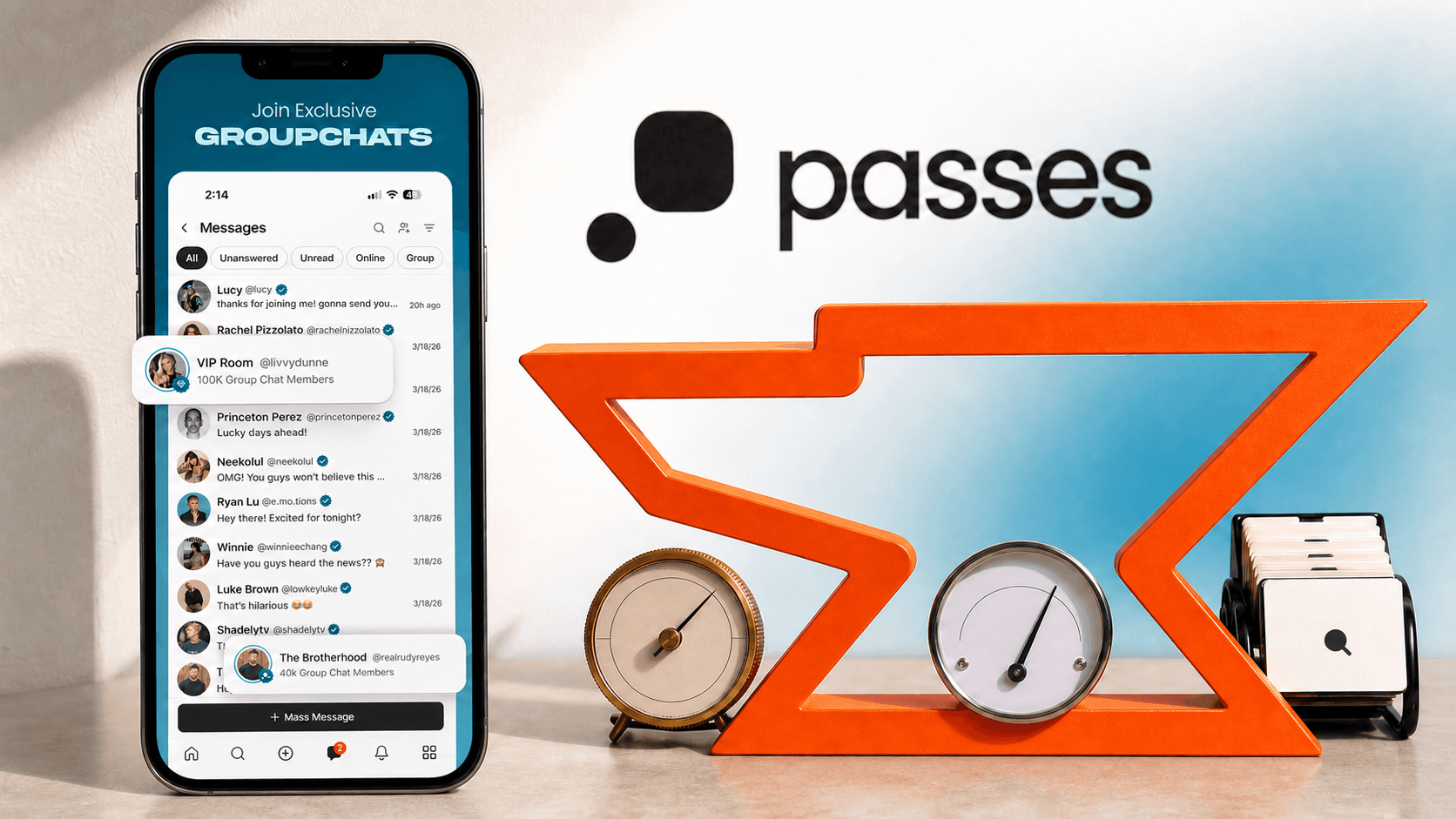
A real Passes group chat screen beside the Built by Foundry mark holding planning, progress, and search tools
Passes fits creators with an established audience, frequent exclusive content, and fans willing to pay for direct interaction.
  • Lifestyle and entertainment creators: Behind-the-scenes posts, private group chats, paid messages, and livestreams fit the platform's core behavior.
  • Athletes and experts selling access: Calls, form checks, Q&A sessions, and personalized replies can command more than a passive content library.
  • Creators testing recurring demand: A membership tier can prove that followers will pay monthly before the creator invests in a deeper product.
  • Small teams consolidating tools: Vault, scheduling, messaging, analytics, live video, and commerce in one place can reduce operational drag.
Passes is a weaker fit when the result requires custom behavior. If fans need a workout to adapt, a meal plan to remember preferences, a lesson to track mastery, or a challenge to score progress, you are describing software. A shared creator platform can market that idea. It cannot become that idea. If you have 50,000 engaged followers and already sell something, use Passes when the thing fans value most is access to you. Build an app when the thing they value is a repeatable result delivered through your method.
Live every Thursday

Watch us tear down a creator business, live

Every Thursday at 11 AM PT we take a real creator business and show the app hiding inside it: the wedge, the paid loop, the pricing, and what would sink it. Free, and the replay goes to everyone who registers.

Save your seat → (opens in a new tab)
Passes and Patreon now meet at the same headline platform fee. Patreon charges a 10% standard platform fee for new creators, before applicable processing and other charges. Passes differentiates with paid DMs, one-to-one calls, livestream monetization, content protection, and a more sales-oriented interaction model. Beacons charges 0% seller fees on its $30 Creator Plus plan, but its memberships are lighter and it does not offer the same paid-access stack. Beacons wins for link-in-bio, email, media kits, and simple digital commerce. Passes wins when the creator's time, replies, and live presence are part of the product.
OptionCore CostBest ForMain Limit
Passes10% of earningsPaid access and fan interactionShared platform and shared app
Patreon10% standard fee for new creatorsFamiliar membership and feedShared platform and shared app
Beacons Creator Plus$30 per monthStore, email, links, and media kitLightweight member product
Owned creator appUpfront build cost or revenue shareCustom recurring productRequires a product team
The right answer depends on what the fan is buying. If the promise is “get closer to me,” Passes is built for it. If the promise is “use my method to achieve this result,” an owned app creates the stronger business. Passes helps creators own recurring demand and direct fan relationships, but it stops short of giving each creator a standalone software company. That is why this Passes review lands at 3.5 out of 5. The platform moves creators beyond brand deals. Memberships renew. Fans participate instead of scrolling. Messages, purchases, and live sessions produce useful feedback. Those are meaningful upgrades from renting reach and starting revenue at zero every month. But a serious creator should ask what remains if the platform relationship ends. A portable customer record matters. So does the product itself, its App Store ranking, its reviews, its subscriber behavior, and the habit fans built around it. Those layers turn monthly revenue into company value. Built by Foundry builds subscription apps with creators for $0 upfront on a revenue share, usually in about three weeks. Then our App Care team runs updates, reliability, and growth work after launch. The creator brings the audience and method. Built by Foundry turns both into software the creator owns. Passes earns 3.5 out of 5. It is one of the stronger options for creators monetizing direct access. Memberships, paid messages, calls, live video, group chats, merch, automation, analytics, and content protection form a coherent system. The 10% fee is simple to understand, and the free slower payout protects the stated 90% creator share. The ceiling is ownership and product depth. At $10,000 in monthly sales, the platform fee is $1,000. At $25,000, it is $2,500. A creator paying that bill should know whether the platform is creating enough value to justify it. Use Passes to sell proximity. Use it to prove demand. But if fans keep asking for a tracker, plan, calculator, challenge, library, or workflow, listen carefully. They are no longer asking for more content. They are asking you to build the company. Passes takes 10% of creator earnings, according to its current homepage. A creator grossing $10,000 keeps $9,000 before taxes and any optional faster-payout fee. The standard two-to-five-business-day payout option costs 0% extra. When enabled, a one-business-day payout adds 6.5%, and an instant payout adds 10%. Passes requires at least $50 in eligible earnings for a payout. Yes. Passes has a shared iPhone and iPad app where fans can access creators, memberships, content, livestreams, merchandise, and messages. Creators do not receive their own branded App Store app. Passes is better for creators who monetize paid messages, calls, livestreams, and high-touch fan access. Patreon is better for creators who prioritize a familiar membership feed and established consumer brand. Both currently use a 10% headline platform fee for the creators covered by their standard public terms. Yes. Passes supports physical and digital products through its Shop, alongside memberships, pay-to-view content, paid messages, calls, and livestreams. Product availability and fees should be confirmed inside the creator dashboard before launch.
Our work

Creators who already did this

These are apps we designed, built, shipped, and still run today, with the creator keeping the code and the audience.

Creator app strategy

Curious what your app could be?

Enter your handle and Built by Foundry will research your audience and present custom app concepts. Free.

Passes Review 2026: Is the 10% Fee Worth It?