
Linus Tech Tips: $1 Channel to $100M Empire

Linus Tech Tips: $1 Channel to $100M Empire

Foundry
April 14, 2026
Key Takeaways:
  • Linus Sebastian acquired his YouTube channel from his employer for $1, then built Linus Media Group into a $100M+ business with 120 employees
  • Merchandise (not ads) makes up 55% of LMG's revenue, proving creators can own their income
  • He built Floatplane, his own subscription video platform, instead of depending on YouTube or Patreon
  • He turned down a $100M+ buyout in 2023 because "I have not regretted it for a moment" (Dexerto)

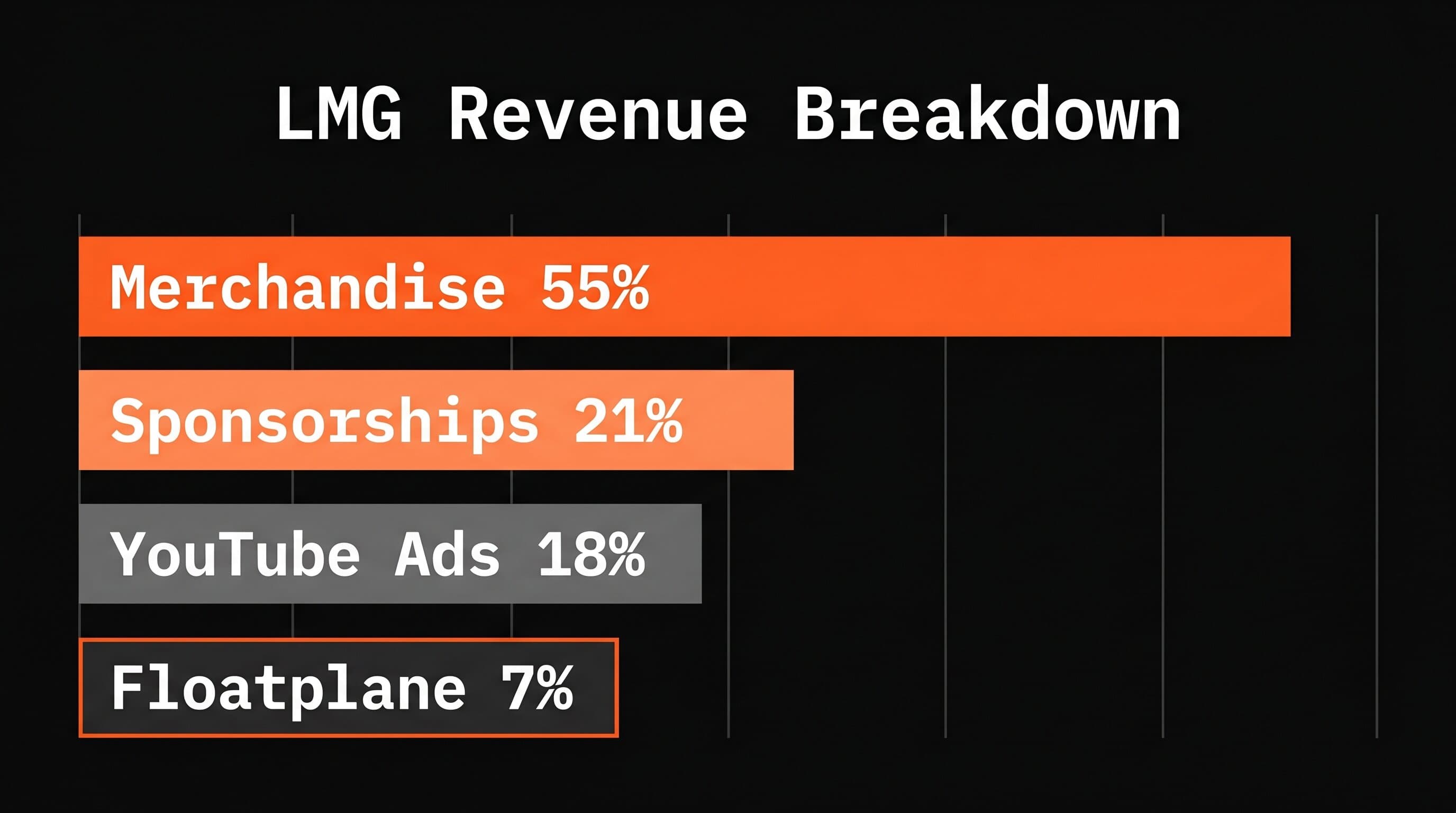
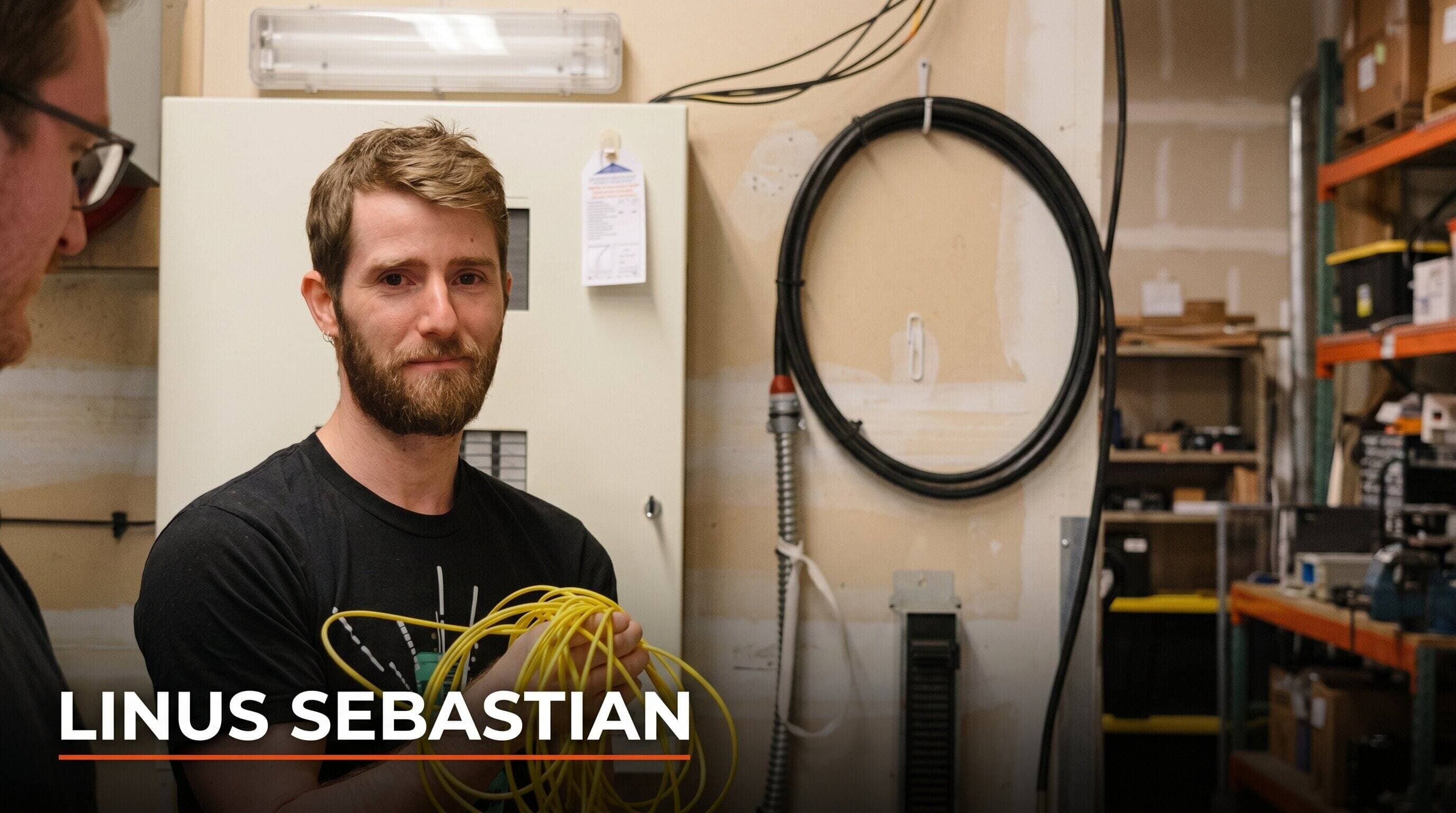
Linus Gabriel Sebastian is the founder and Chief Vision Officer of Linus Media Group (LMG), the company behind Linus Tech Tips, the largest independent tech YouTube channel on the planet. With 16.8 million subscribers on the main channel alone and 32 million combined across all LMG channels, he's turned tech reviews into a full media empire. But the subscriber count isn't what makes this story interesting. What makes it interesting is how a college dropout who painted houses for a living bought a YouTube channel for a single dollar and turned it into a company that employs 120 people, ships over a million merchandise orders a year, and runs its own subscription streaming platform. That's not a content creator. That's a founder. Sebastian grew up on a hobby farm in Maple Ridge, British Columbia. He enrolled at the University of British Columbia but struggled with coursework and landed on scholastic probation. He dropped out. He spent two summers painting houses through Student Works. Then he got a job at NCIX, a Canadian online computer retailer, working as a sales rep. In 2007, his boss asked him to host product demo videos on NCIX's YouTube channel. Most of those early videos got a few hundred views. Nobody thought this was a career. By 2008, Sebastian had created a separate channel called Linus Tech Tips to produce faster, more casual content that didn't carry the NCIX brand. When he eventually left NCIX after a management dispute, he negotiated something remarkable: he walked away with the Linus Tech Tips channel for $1. One dollar. For what would become a $100M business. In January 2013, he and his wife Yvonne Ho launched Linus Media Group from their garage. Here's where the story gets relevant for every creator reading this. Most creators with 16 million YouTube subscribers would call it a day. Collect the AdSense checks. Sign sponsorship deals. Maybe sell merch. Sebastian did all of that. And then he built Floatplane. What is Floatplane? Floatplane is a subscription streaming platform built and owned by Linus Media Group, offering creators a direct, ad-free way to monetize their audience outside of YouTube. LMG incorporated Floatplane in 2017. Subscribers pay $5 to $8 per month for early access to videos, higher bitrate streams, and ad-free viewing. It now hosts around 23 creator channels. Why build your own platform when YouTube is free? Because YouTube can change its algorithm tomorrow. YouTube can demonetize you overnight. YouTube can pull your video for violating community guidelines (which happened to LTT in September 2024). When you rent someone else's platform, you don't own the relationship with your audience. You're one policy change away from losing it. Floatplane gives LMG a direct, recurring revenue stream that doesn't depend on any algorithm. It's the difference between renting an apartment and owning the building. This is the same reason creators with 50K, 100K, or 500K followers should think about building their own products. Your Instagram feed, your TikTok account, your YouTube channel: those are distribution channels. They're not businesses. A business is something you own, something that earns whether you post or not, and something that grows through its own discovery mechanisms. Like an app in the App Store that people find without ever seeing your content. This is the part that should make every creator rethink their revenue model. Most creators depend heavily on ad revenue and sponsorships. Sebastian flipped that. Here's how LMG's revenue breaks down:
LMG revenue breakdown showing merchandise at 55%, sponsorships at 21%, YouTube ads at 18%, and Floatplane at 7%
Revenue SourceShareKey Detail
LTT Store (merchandise)55%Shipped 1M+ orders; grew from 15% to 55% in 4 years
Sponsorships21%In-video reads (9%) + dedicated sponsored content (12%)
YouTube AdSense18%Across all LMG channels
Floatplane subscriptions7%Direct recurring revenue; $5 to $8/month tiers
Merchandise accounts for 55% of total revenue. Not YouTube ads. Not brand deals. Products that LMG owns, sells directly, and controls the margin on. The LTT Store started with t-shirts and has expanded into tools, bags, and accessories. It went from 15% of revenue to 55% in just four years. The company's estimated annual revenue sits around $52 million (DevX), with a total valuation exceeding $100 million. Compare that to a creator of similar size who relies purely on brand deals and AdSense. They're earning a fraction, and they own none of it. As we explored in Creators Don't Scale. Products Do., the math always favors ownership.
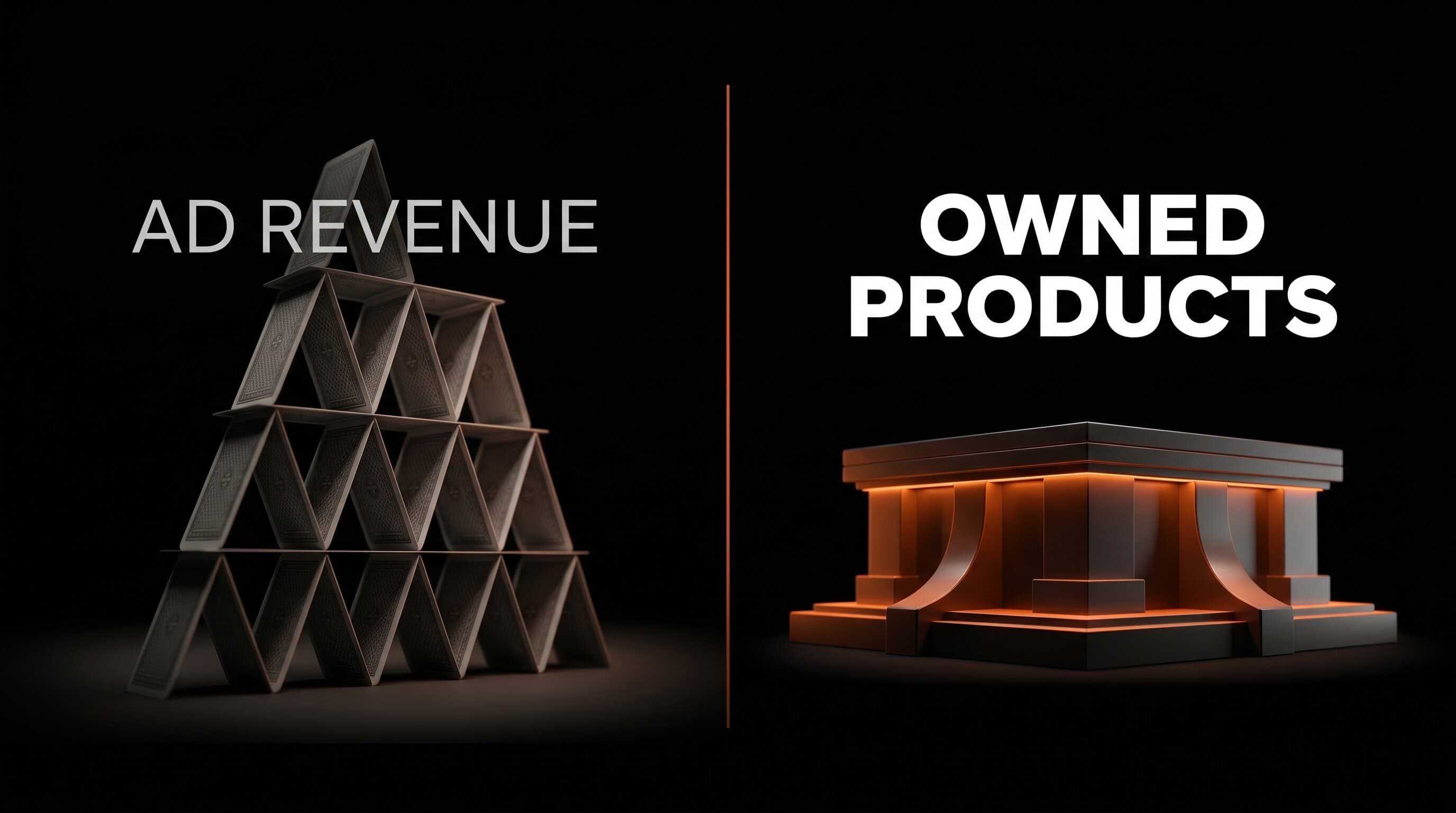
Ad revenue is fragile like a house of cards while owned products provide a stable foundation
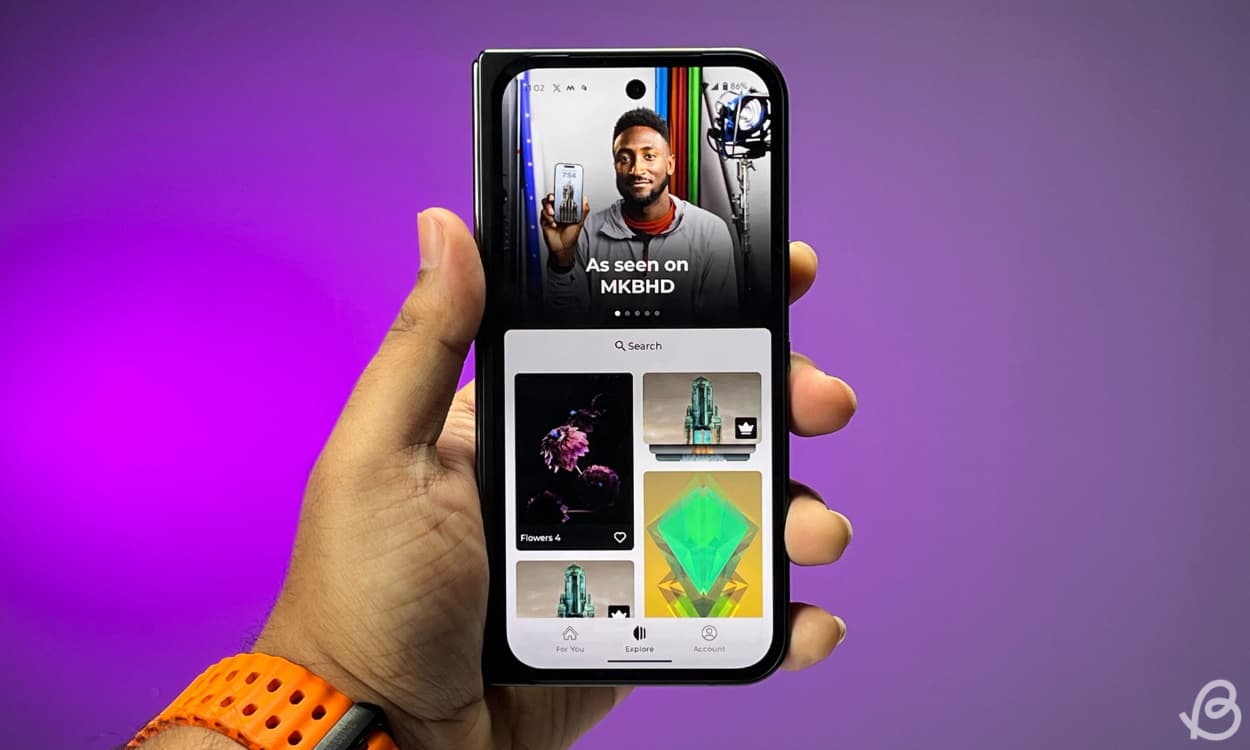
1. Own your revenue streams. Sebastian didn't stop at YouTube ads. He built Floatplane for recurring subscriptions, launched the LTT Store for direct product sales, and invested in companies like Framework Computer that align with his values. Every revenue stream he controls is one that can't be taken away by a platform decision. 2. Build the thing, then sell the thing. LMG didn't license someone else's merch platform. They created Creator Warehouse Inc. to handle manufacturing, fulfillment, and quality control in-house. The overhead is higher. The margin is higher too. And they own the customer relationship. This is the same logic that leads creators to build their own apps instead of selling through someone else's marketplace. 3. Your audience is your distribution, not your product. Sebastian has 32 million subscribers. That's distribution. The products are Floatplane, LTT Store, LTX Expo (their annual convention), and LTT Labs (their hardware testing division). The audience finds them through YouTube. They pay through everything else. 4. The right time to diversify is before you need to. Floatplane launched in 2017, years before YouTube's algorithm changes and demonetization waves made platform dependence feel dangerous. The LTT Store grew steadily while AdSense was still strong. Sebastian built his safety net on clear days, not during the storm. Mark Rober followed a similar path, turning his 72M-subscriber YouTube channel into CrunchLabs, a physical subscription product. The pattern repeats: the biggest creators stop being creators and start being founders. In May 2023, Linus Sebastian received a buyout offer for Linus Media Group. The reported price: over $100 million, with 60% cash and 40% equity in the acquiring company. He said no. "I have not regretted it for a moment," Sebastian told his audience on The WAN Show (Dexerto). He stepped down as CEO that same year, handing the role to Terren Tong (who, ironically, had been his boss at NCIX). Sebastian stayed on as Chief Vision Officer. He and Yvonne remain the sole shareholders. Why turn down nine figures? Because he wasn't done building. The company's mission wasn't complete. And $100 million, as he put it, "wouldn't really change our lifestyle much." That's the mindset shift. A creator sells when the offer is big enough. A founder keeps building because the business is worth more than any check. No profile is complete without honest assessment. LMG's strengths are obvious: diversified revenue, a direct-to-consumer platform, and a founder who thinks in decades. But there are gaps. Floatplane has roughly 40,000 subscribers (LTT Stats). For a creator with 32 million followers, that's a conversion rate of about 0.1%. The platform hosts only 23 channels total. Compared to what a dedicated mobile app with push notifications, offline content, and App Store discoverability could achieve, Floatplane barely scratches the surface of what's possible. MKBHD learned this lesson the hard way when Panels launched to mixed results. The medium matters. Where you build, how people discover it, and what keeps them coming back daily: those details separate a side project from a real business. Linus Media Group's estimated valuation exceeds $100 million. Sebastian declined a buyout offer at that price in 2023. The company generates an estimated $52 million in annual revenue across merchandise, sponsorships, YouTube ads, and Floatplane subscriptions. The main Linus Tech Tips channel has 16.8 million subscribers. Combined across all LMG channels (including TechLinked, ShortCircuit, Techquickie, and others), the total exceeds 32 million subscribers. Floatplane is a subscription streaming platform owned by Linus Media Group. Launched in 2017, it offers ad-free, early access video content from LTT and about 23 other tech creators. Subscriptions run $5 to $8 per month. LMG employs approximately 120 people as of January 2026, operating from their headquarters in Surrey, British Columbia.
Linus Sebastian built a $100M tech media company from a $1 YouTube channel. He owns his platform. He owns his merch operation. He turned down nine figures because he's building something bigger. The question for every creator reading this: what are you building? Want to turn your expertise into an app? Built by Foundry builds custom apps for creators. $0 upfront, 3-week delivery, we handle all the tech forever.
Let's Build →

Get Creator Revenue Insights

How creators are turning audiences into subscription businesses

You might also enjoy...

Linus Tech Tips: $1 Channel to $100M Empire