

Case Studies & Success Stories

James A. Janisse: 3 Lessons From Dead Meat's First Film

October 27, 2026
Share
James A. Janisse: 3 Lessons From Dead Meat's First Film

Get Creator Revenue Insights

How creators are turning audiences into subscription businesses
Share
James A. Janisse has spent years helping people appreciate horror movies through Dead Meat on YouTube. This October, his company gave that audience a film of its own: Fresh Meat, an anthology of 13 selected shorts with a connecting story he wrote and directed. The film opened in theaters on October 12, as Fandango's release listing confirms. It is now available to rent through Pijama, linked from Dead Meat's own public channels. For a creator who already sells something, this is a useful business to study. Janisse and his collaborators have made their judgment about horror part of a finished work people can choose to buy. Three decisions matter here: what the audience trusts them to select, how they find time to make it, and what each paid offer promises. Portrait: James A. Janisse's promotional photograph on IMDb, framed for this article. James A. Janisse founded Dead Meat in 2017 after five years co-running a comedy channel. Its flagship series, The Kill Count, grew to include filmmaking research and production stories. Today, Dead Meat combines free shows, a paid membership, merchandise, and its first theatrical film. The origin comes from Janisse's official biography. The early idea was unusually specific: count the deaths in horror films. That gave viewers an easy way to understand the show, while leaving room for deeper discussion of how the movies were made. He also built with other people. Chelsea Rebecca is Dead Meat's co-owner and producer and host of its podcast. The company's public team page names producers, writers, editors, a researcher, and a social media coordinator. Calling this a solo creator business would miss the work behind the host. Its commercial offers are visible. The official Patreon asks fans to support the company's continuing productions, while the merchandise store sells physical goods. Their existence tells us how a fan can pay. It does not establish Dead Meat's revenue, margins, or the share of viewers who become customers. For an entertainment creator, that distinction keeps the lesson practical. You can inspect the offer and the work it requires without borrowing someone else's estimated net worth. Our Rhett and Link profile examines another business built around shows and a recognizable creative identity.
See What We’d Build You →
Fresh Meat gives Janisse's judgment a concrete form. In his October 26 FilmSpeak interview, he discusses helping emerging filmmakers develop their work. The interview describes a selection from more than 550 submissions, resulting in 13 shorts and his wraparound story, Sate the Screen. The viewer buys a selection made by people whose taste they already know. That is a different promise from another video about a familiar movie. It gives an existing fan a clear reason to consider a separate purchase. Other creators can test that idea on a smaller scale. A music critic could assemble a licensed listening event. A craft educator could sell a kit of materials chosen for one project. A food creator could build a menu around a particular occasion. In each case, the selection needs a purpose the buyer can describe before paying. The useful test is specific: can you explain why these pieces belong together, who they serve, and what the customer gets at the end? A large collection can still leave the buyer doing all the choosing. A carefully bounded product can save that effort. For a film anthology, permission to distribute each contribution also matters. For your own version, establish contributor rights, payment terms, and responsibilities before accepting orders. The public material reviewed here does not disclose Dead Meat's full contracts, so it cannot tell us what ownership or profit share each participant holds. A creator needs protected production time and clear responsibility for the existing business before adding a major project. Janisse's account of developing films alongside Dead Meat's output makes that constraint visible: an established audience creates an opportunity, and serving that audience still takes work. In the FilmSpeak interview, Janisse describes the difficulty of finding time for films while maintaining the channel. He says Hades Films helped make Fresh Meat happen, and he would appreciate more time on a future installment. That is an operating lesson worth keeping alongside the release announcement. If you publish every week, put the proposed product on the same calendar as the work that already pays. Assign someone to customer questions, delivery, partner coordination, and the publishing schedule. Count the hours you will personally need to approve work. Then decide what can move, what needs help, and what should wait. There is a cost to leaving those decisions vague. A product can create a second deadline for every first deadline you already have. Customers still need access and answers while you record the next episode or prepare the next launch. That is why Built by Foundry's business model includes building and running the business. Creators bring expertise, taste, and direction; product operations need an owner too. A successful launch should give the creator a workable way to keep participating in the parts they value. Dead Meat's free coverage, Patreon membership, and paid film ask for different decisions. Someone can enjoy the channel without subscribing to its continuing work. Someone else can choose a finished film without wanting an ongoing membership. Dead Meat's official link page provides separate routes to those offers.
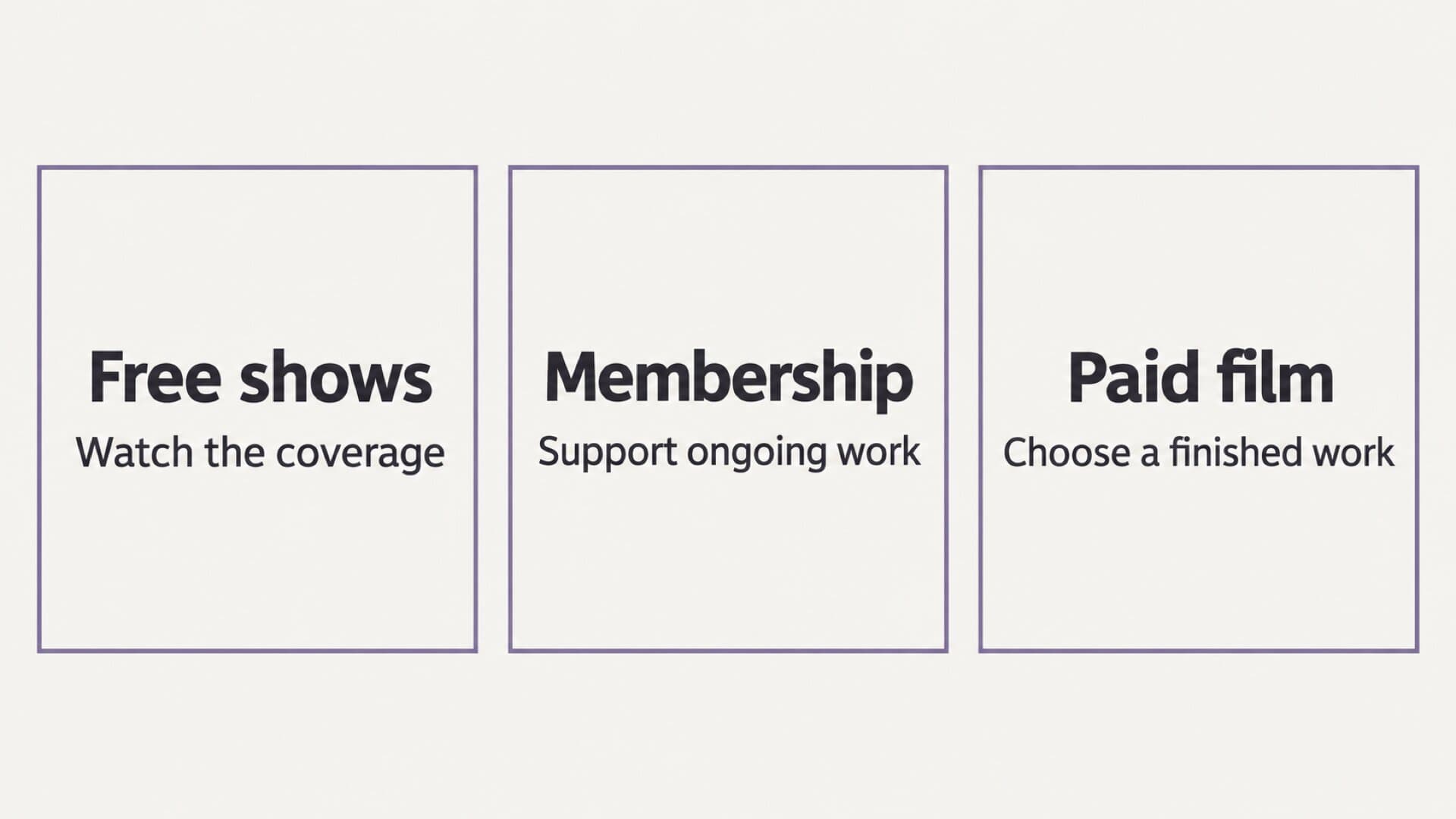
Three separate offers: free shows invite viewers to watch the coverage, membership supports ongoing work, and a paid film offers a finished work.
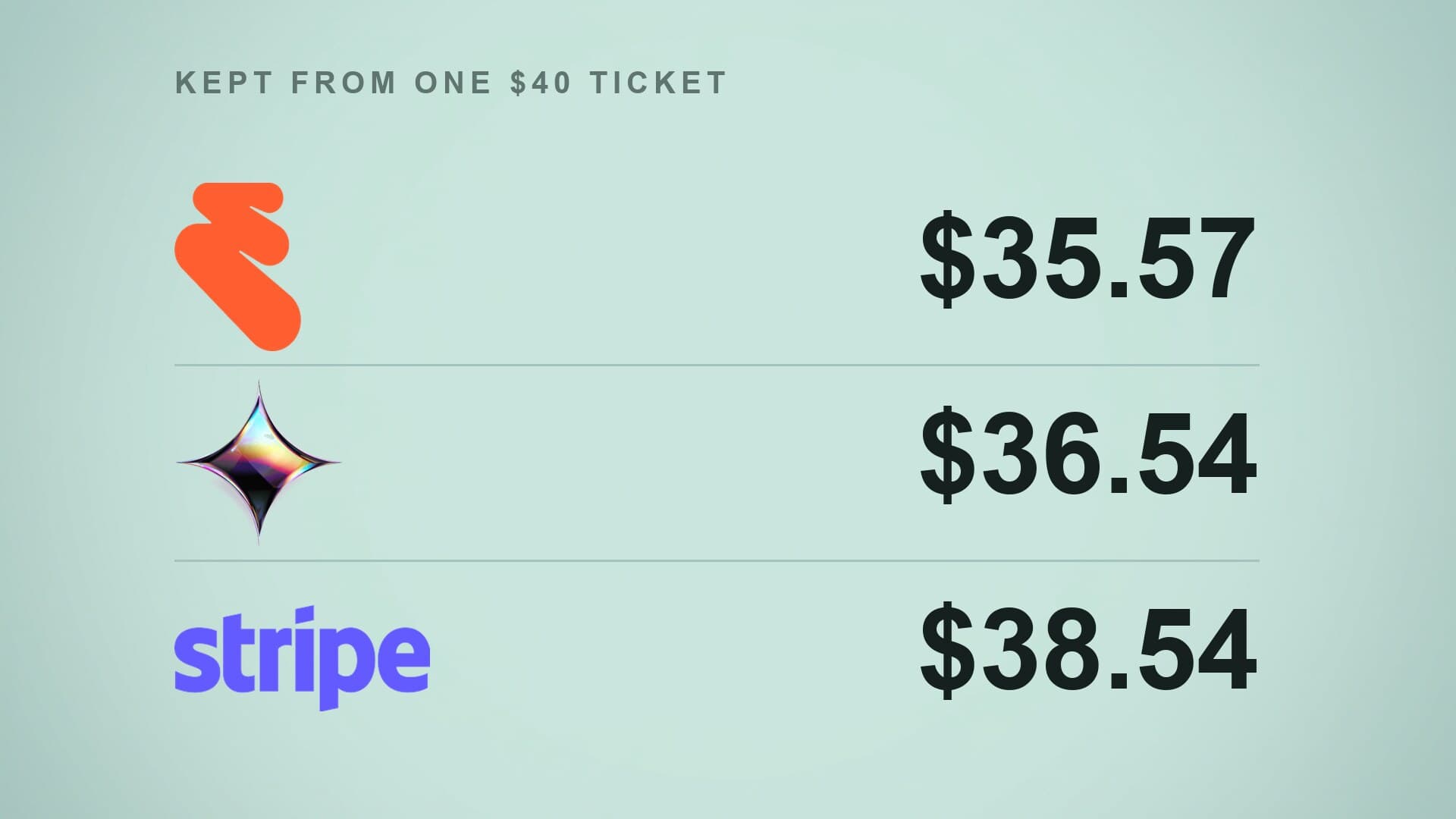
An editorial map of the customer promises, rather than a measured conversion funnel. The public pages do not show how often buyers move between offers. Before adding another product to your own business, write down the purchase decision in one sentence. Explain what is included, whether the payment repeats, when access begins, and who handles problems. If your audience cannot distinguish it from the offer already on sale, refine the promise before expanding the catalog. Match the selling route to that promise. A physical product requires fulfillment; a ticket requires an event and admission process; a digital rental requires reliable access. Our YouTube own-store guide explains why connecting a storefront does not establish that every product can use the same shopping features. The event-ticket fee comparison helps price a live version. For an entertainment creator with an audience that already buys, a manageable first test might be one paid screening or one finished collection. Define the costs and the minimum sales needed to cover them. Record what people bought, what they needed help with, and whether you could deliver it without exhausting the next month's production time. Those observations give the next release a useful starting point.
See What We’d Build You →
Our work

Creators who already did this

These are apps we designed, built, shipped, and still run today, with the creator keeping the code and the audience.

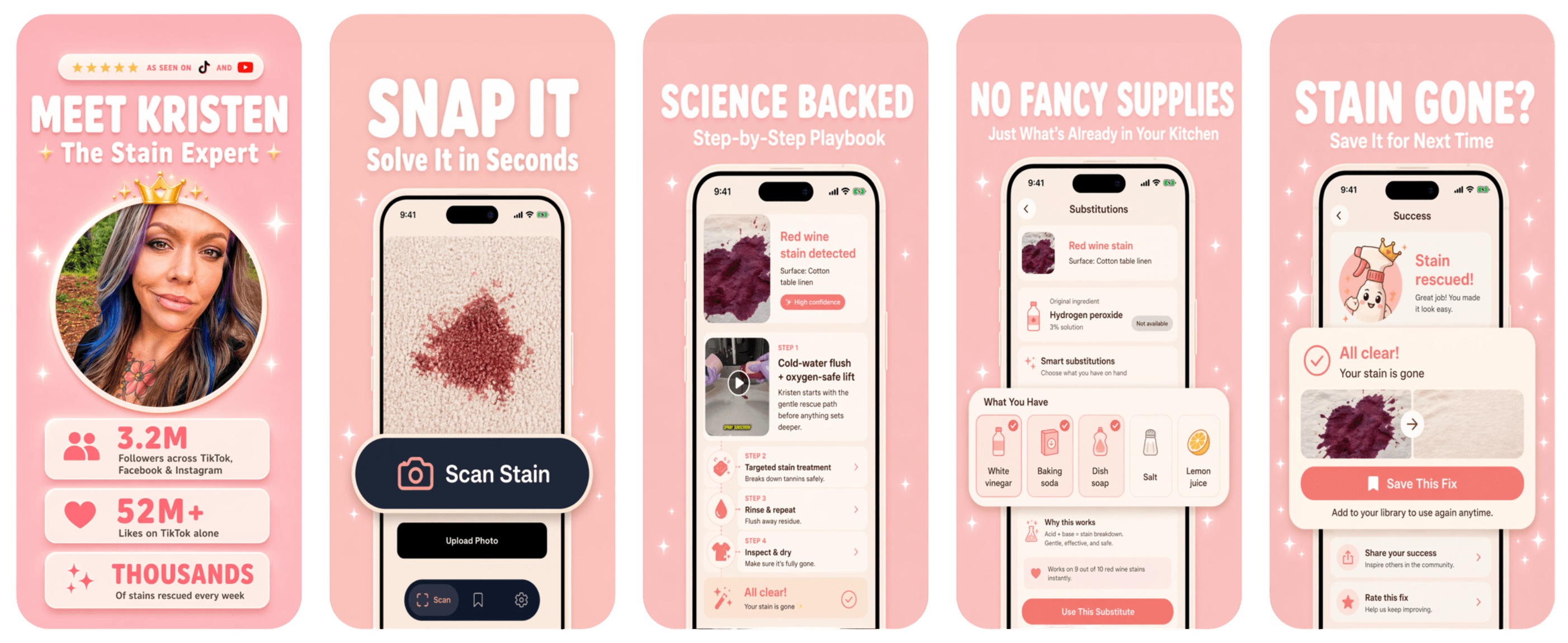
Kristen Donathan

Kristen Donathan

Founder & CEO of Stain Fix

Snap a stain. Get the fix in seconds.

Top Lifestyle App1.5M+ followers
Read the case study
Stain Fix screenshots
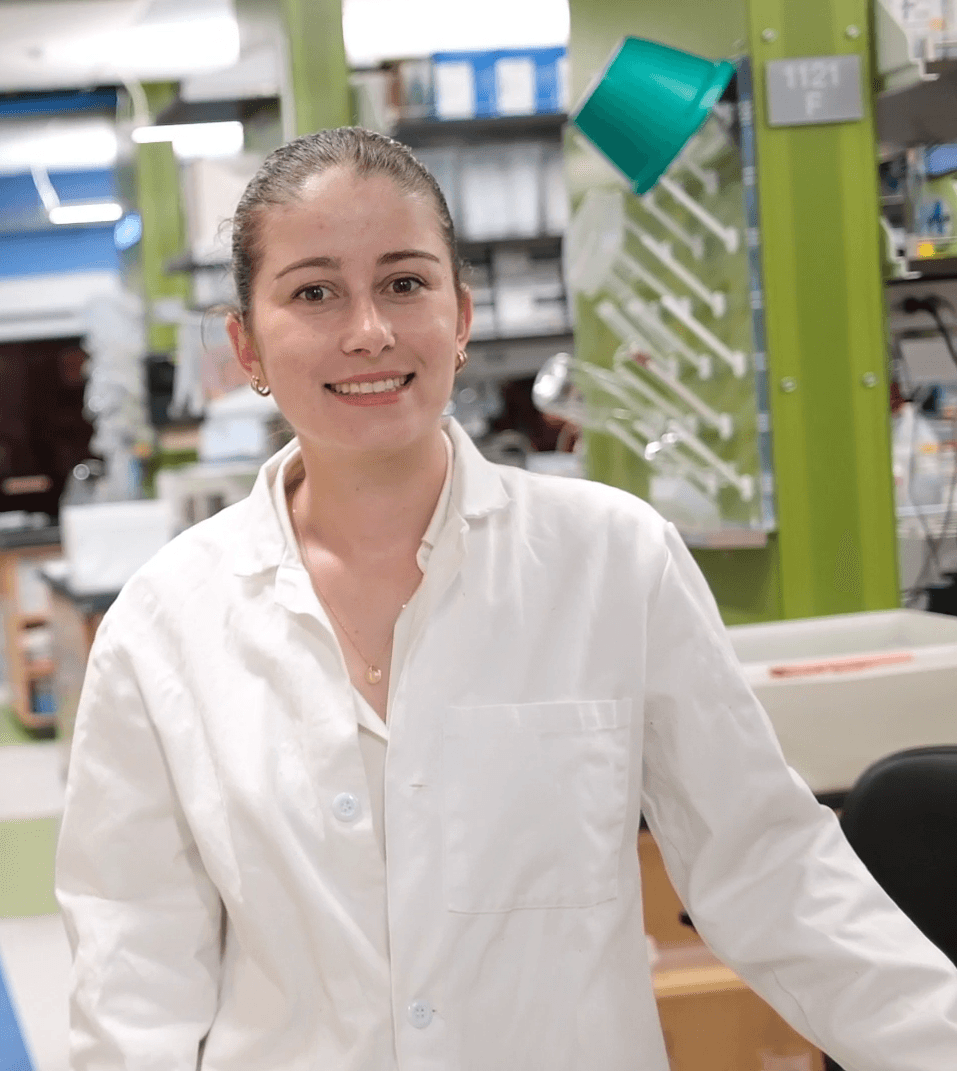
Ellie Fausett

Ellie Fausett

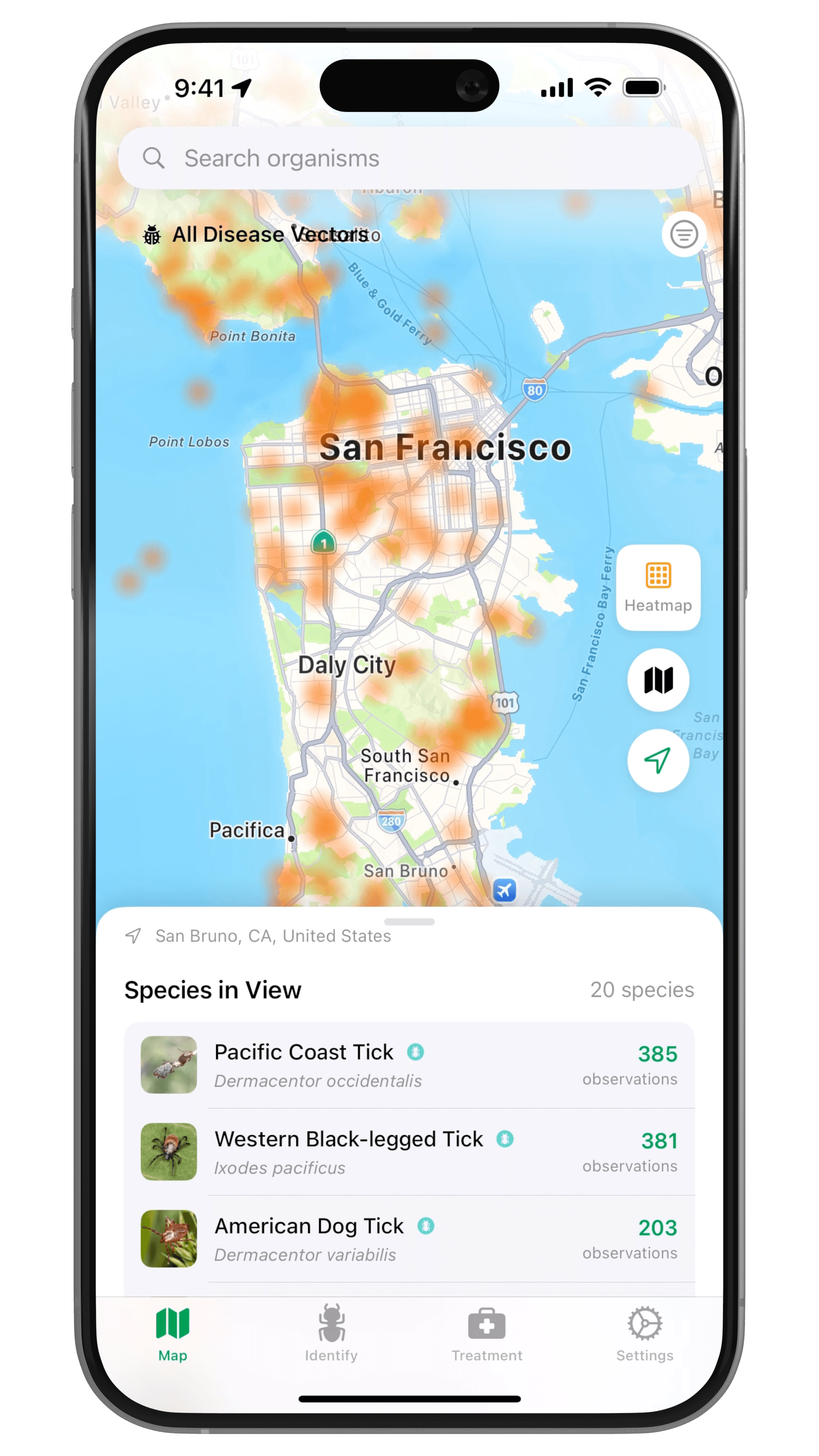
Founder & CEO of Vector Guard

Spot disease-carrying pests before they reach your family.

Top Health App
Read the case study
Vector Guard screenshots
Samantha Mae

Samantha Mae

Founder & CEO of NineLives

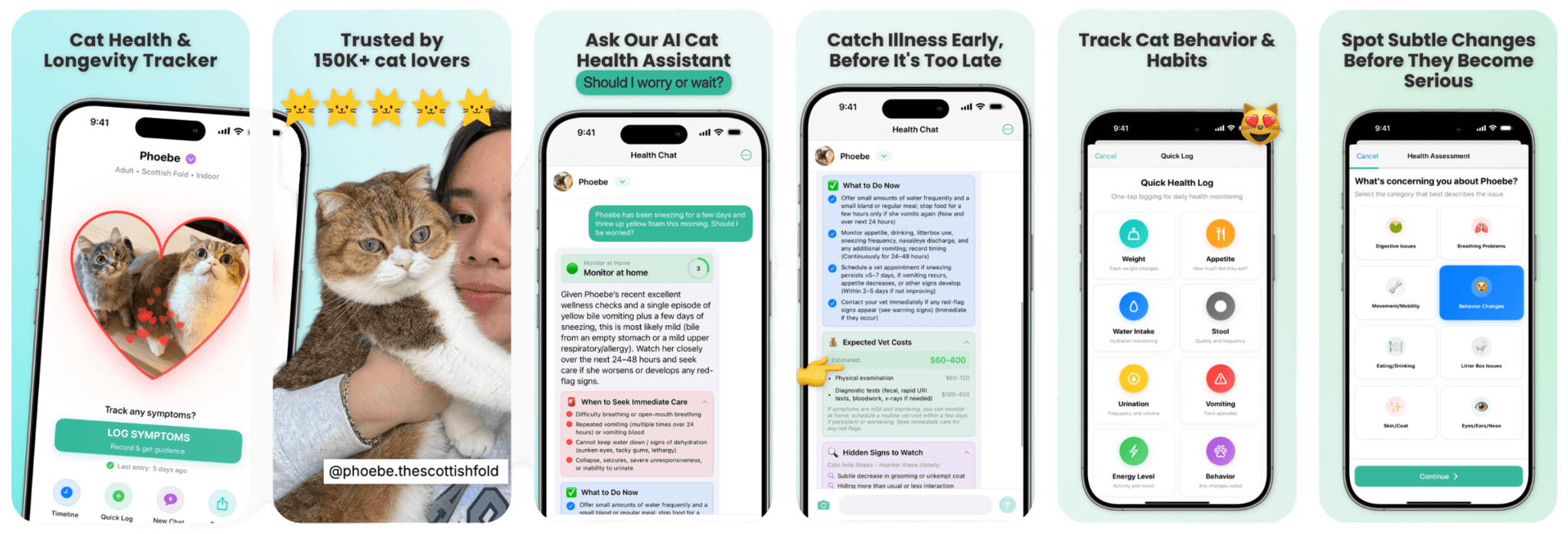
Cat health tracking from the world's most beloved Scottish Fold.

Top Health App150K+ followers
Read the case study
NineLives screenshots

Creator app strategy

Curious what your app could be?

Enter your handle and BUILT BY FOUNDRY will research your audience and present custom app concepts. Free.

James A. Janisse: 3 Lessons From Dead Meat's First Film