
Creator Economy Trends

The 'Duolingo for X' Boom: 4 Niche Apps Making Millions

July 18, 2026
Share
The 'Duolingo for X' Boom: 4 Niche Apps Making Millions

Get Creator Revenue Insights

How creators are turning audiences into subscription businesses
Share
Key Takeaways:
  • Duolingo posted $1.03 billion in revenue in 2025, and its formula of streaks, bite-size lessons, and daily habit loops is now the most copied template in consumer apps
  • "Duolingo for X" apps are printing money in unexpected niches: Bible Chat hit $15M in annualized revenue, Hallow raised $105M and topped the entire App Store, Mimo passed 40 million learners
  • Every one of these startups spends millions to acquire users. Creators already have the users, which is the single hardest part of the playbook.
  • The formula works anywhere people want daily progress: faith, coding, fitness, music, chess, cooking, money
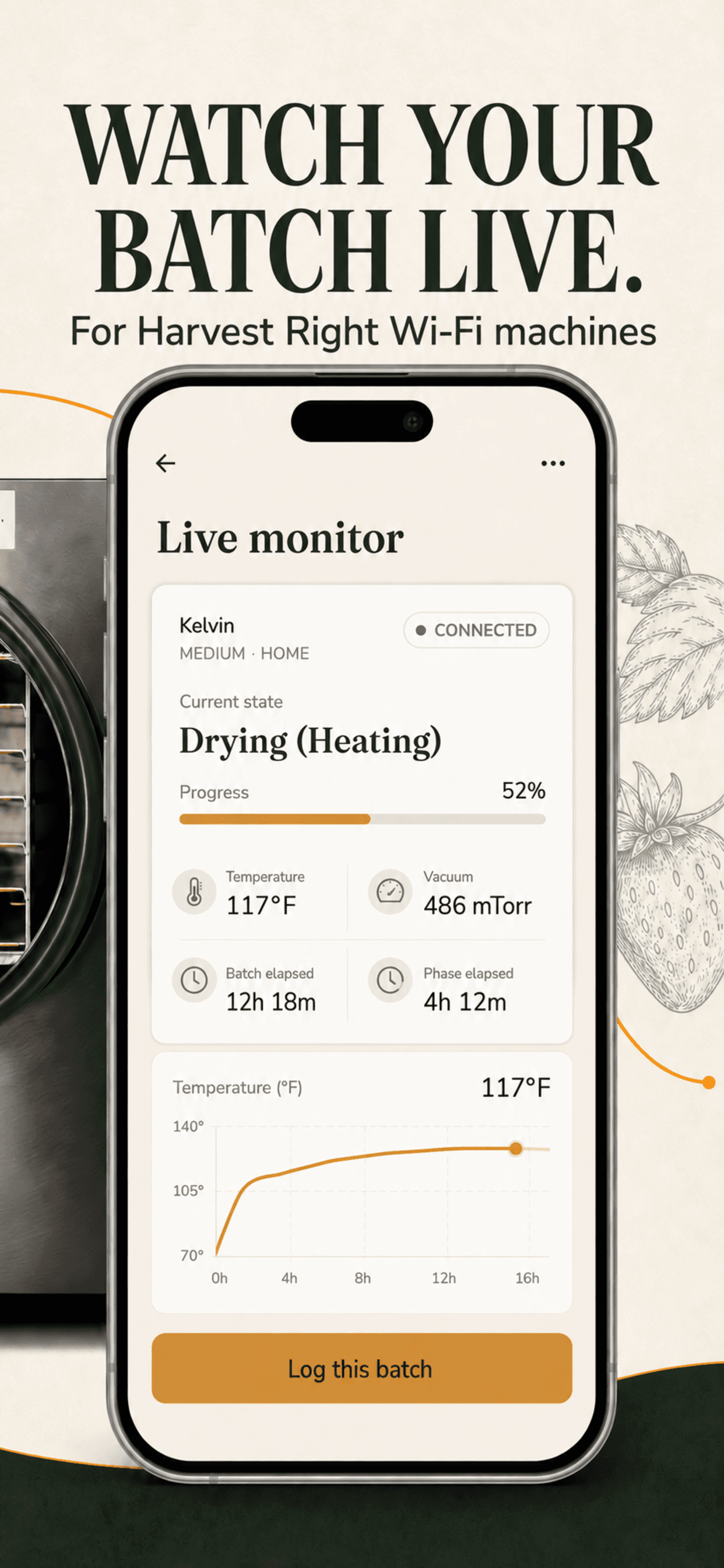
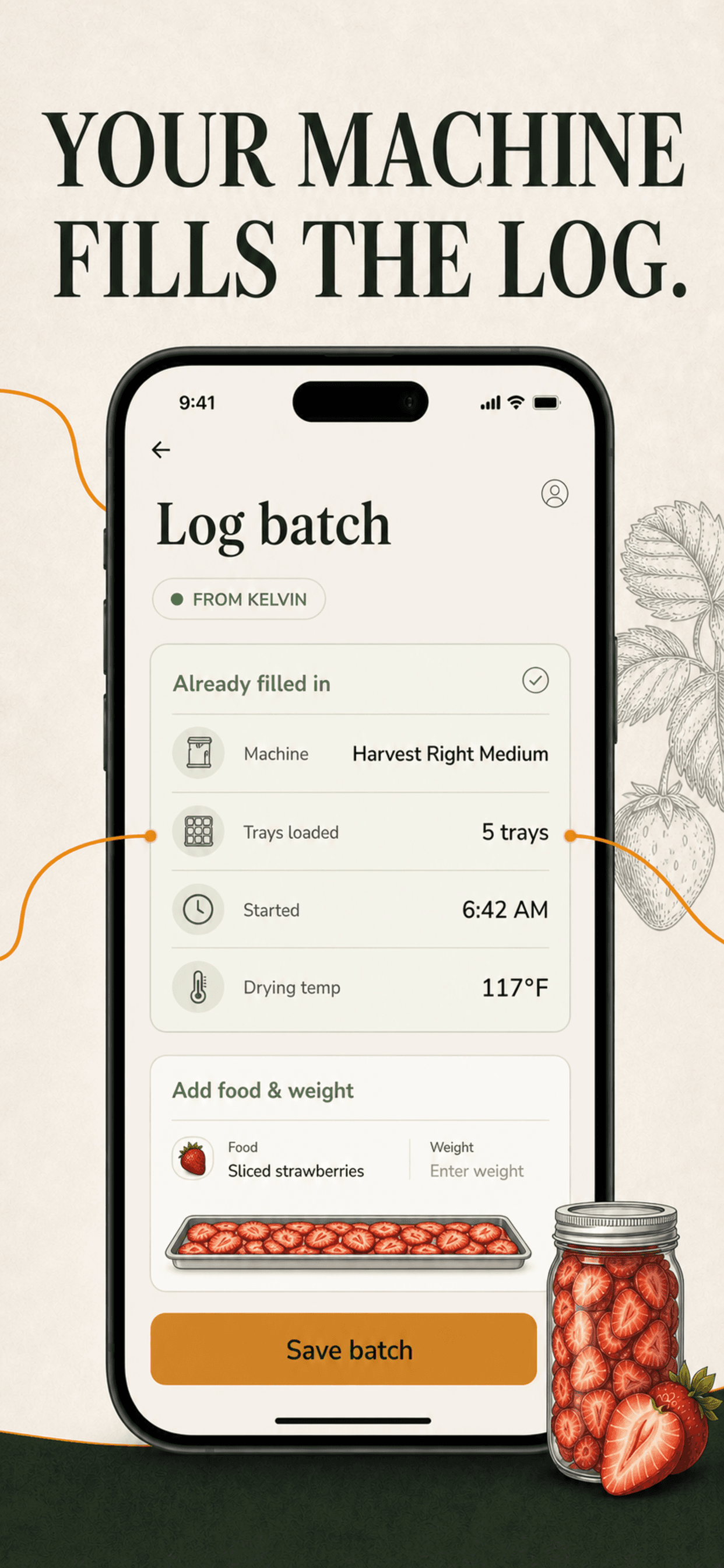
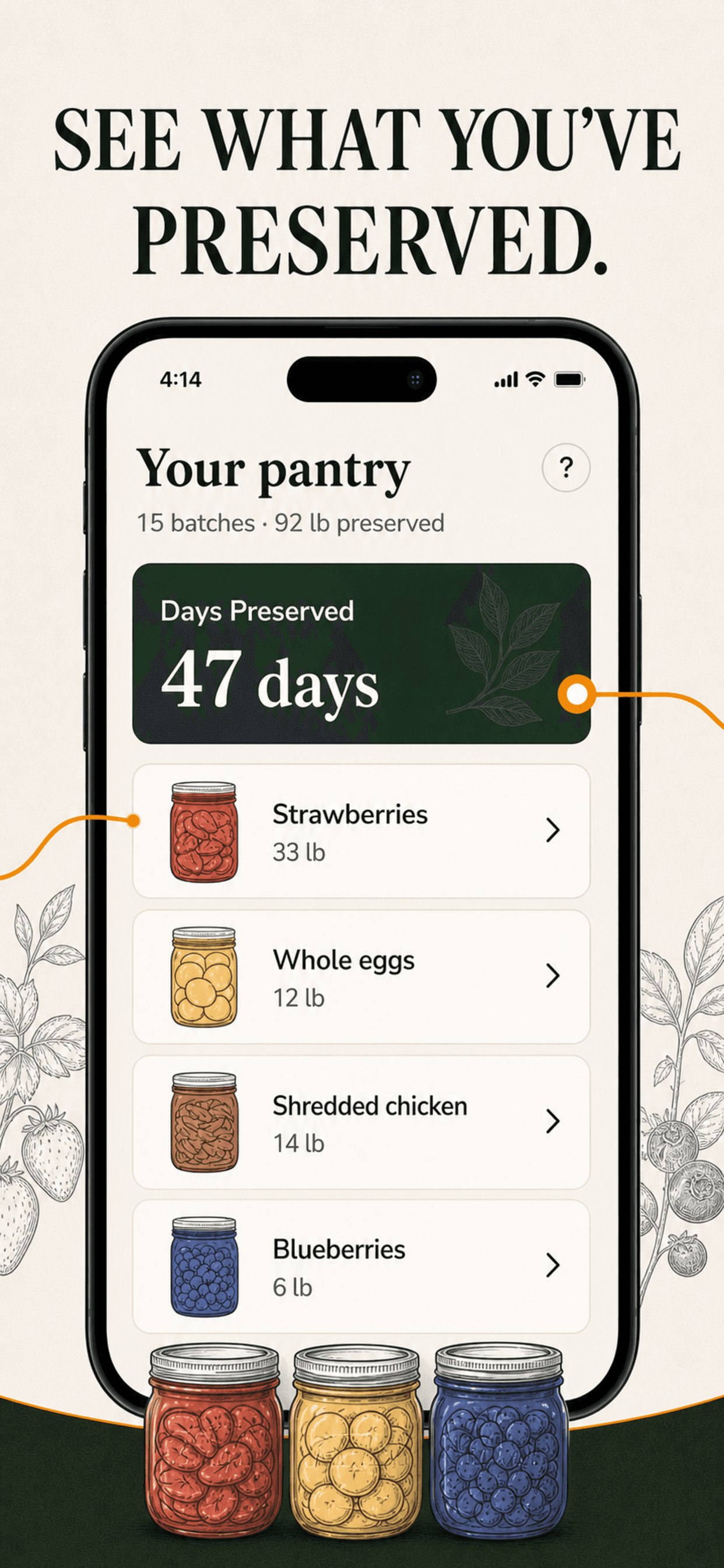
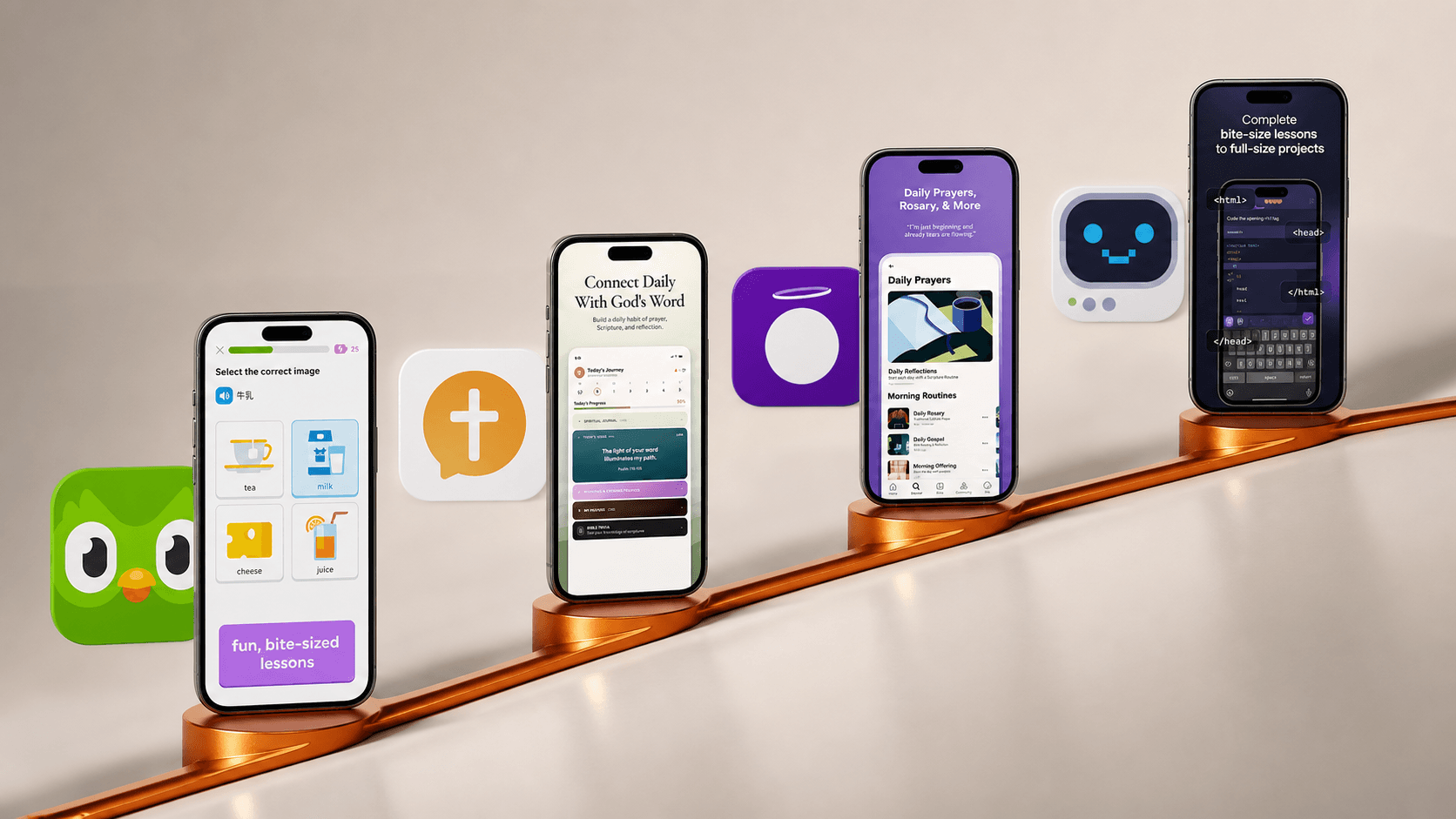
"Duolingo for X" is the most copied playbook in consumer software right now. Take one niche, break it into bite-size daily lessons, add streaks and progress bars, charge a monthly subscription. Founders have run that exact play on prayer, coding, chess, and history, and several of them built eight-figure businesses doing it. Here's what almost nobody says out loud: the hardest part of the playbook isn't the app. It's getting anyone to download it. The startups winning this wave burn millions on ads to solve that problem. Creators solve it with a single post. A "Duolingo for X" app applies Duolingo's habit mechanics, meaning streaks, bite-size daily sessions, progress tracking, and gentle guilt, to a niche other than language learning, monetized through a monthly subscription. Say "Duolingo for the Bible" or "Duolingo for coding" and anyone who's touched a phone in the last decade instantly understands the product. That instant understanding is the point. The comparison does your positioning for you. Nobody needs a demo to understand what a streak is, why they should come back tomorrow, or what the progress bar is asking of them. Duolingo spent 14 years and hundreds of millions of dollars training the entire market to understand this product shape. Every niche copy gets that education for free. The template these apps are copying is a public company you can audit. Duolingo's 2025 annual report shows $1.037 billion in revenue for 2025, up 39% in a single year. By Q1 2026, it counted 56.5 million people opening the app every single day. Read that DAU number again. Netflix would kill for that kind of daily ritual. And it's built on five-minute lessons and a streak counter. The subscription app wave underneath it is just as real. Non-game apps out-earned mobile games for the first time in 2025, a shift we broke down in the $82B creator opening. Gamified niche learning is where that shift is most visible. The copies aren't small. Three of the clearest winners: Bible Chat took the daily-lesson format into faith. The Romanian startup reached 10 million users and $15 million in annualized revenue, then raised a $14M Series A led by True Ventures in early 2025. Daily devotionals, reading plans, streaks. Same skeleton, different subject. Hallow ran the play on Catholic prayer. It crossed 10 million downloads and closed a $50M Series C, bringing total funding to $105 million, and became the first religious app ever to hit #1 on the entire US App Store. Its Pray40 challenge turns Lent into a 40-day streak, and Appfigures data shows the same download explosion every Ash Wednesday, roughly 1.2 million installs in 22 days. Mimo is Duolingo for coding: five-minute lessons, learning paths, streaks, and a paid subscription. It has passed 40 million learners without anyone ever confusing it for a computer science degree. It doesn't need to be one. It needs to be tomorrow's five minutes.
AppNicheTractionThe borrowed mechanic
DuolingoLanguages$1.03B revenue in 2025, 56.5M DAUThe original: streaks, XP, leagues
Bible ChatFaith10M users, $15M annualized revenueDaily devotionals + reading streaks
HallowPrayer10M+ downloads, $105M raised40-day challenges, daily prayer habit
MimoCoding40M+ learnersBite-size lessons, paths, streaks
Notice what's missing from that table: a celebrity, a viral moment, a brand deal. These are subscription businesses built on a mechanic, not a moment. Streaks work because they convert a product decision into an identity decision. On day 3, you're evaluating an app. On day 40, you're protecting something you built. Canceling stops feeling like unsubscribing from software and starts feeling like quitting on yourself.
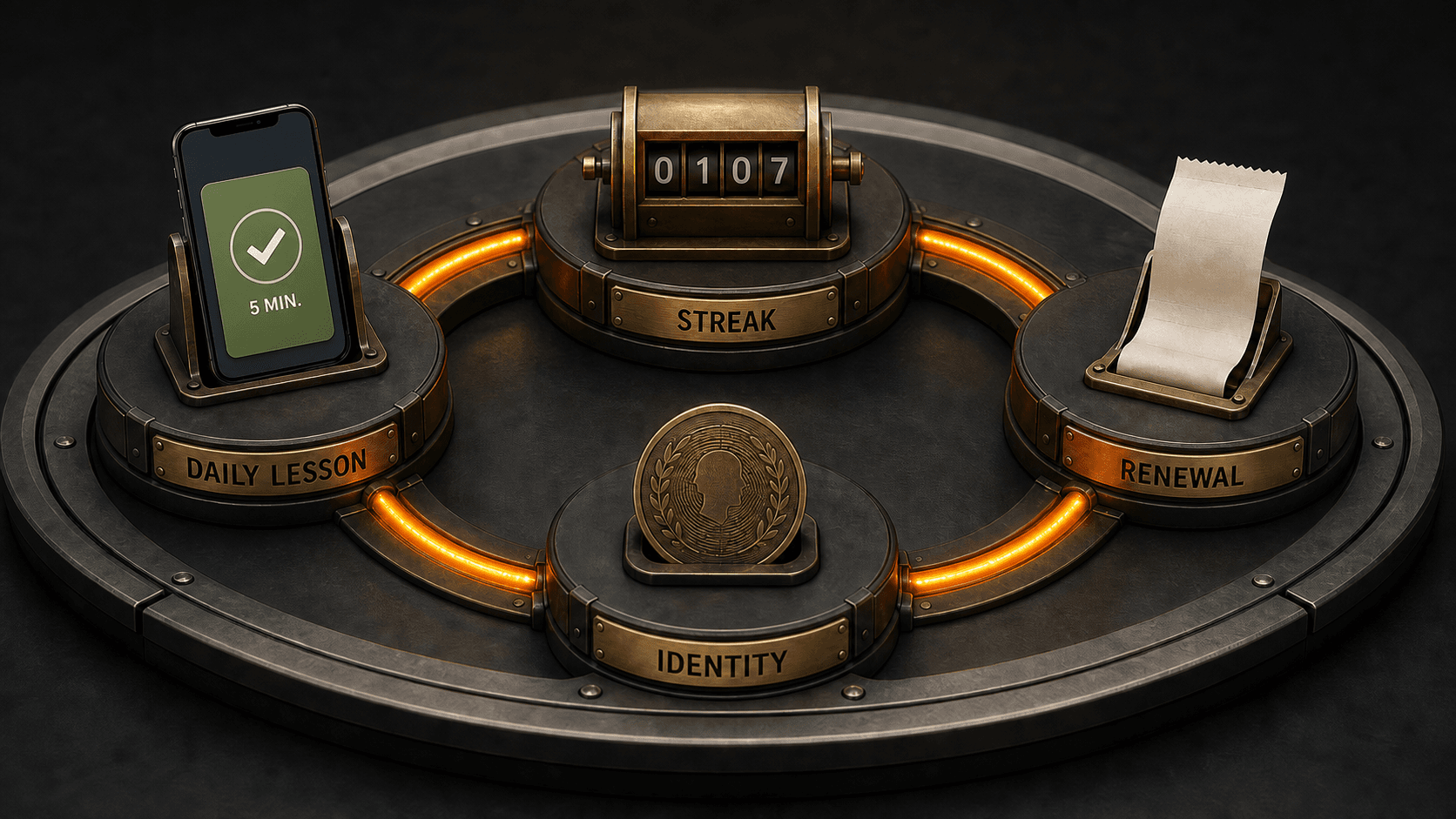
The four-step habit loop behind every Duolingo-style app: daily lesson, streak, identity, renewal
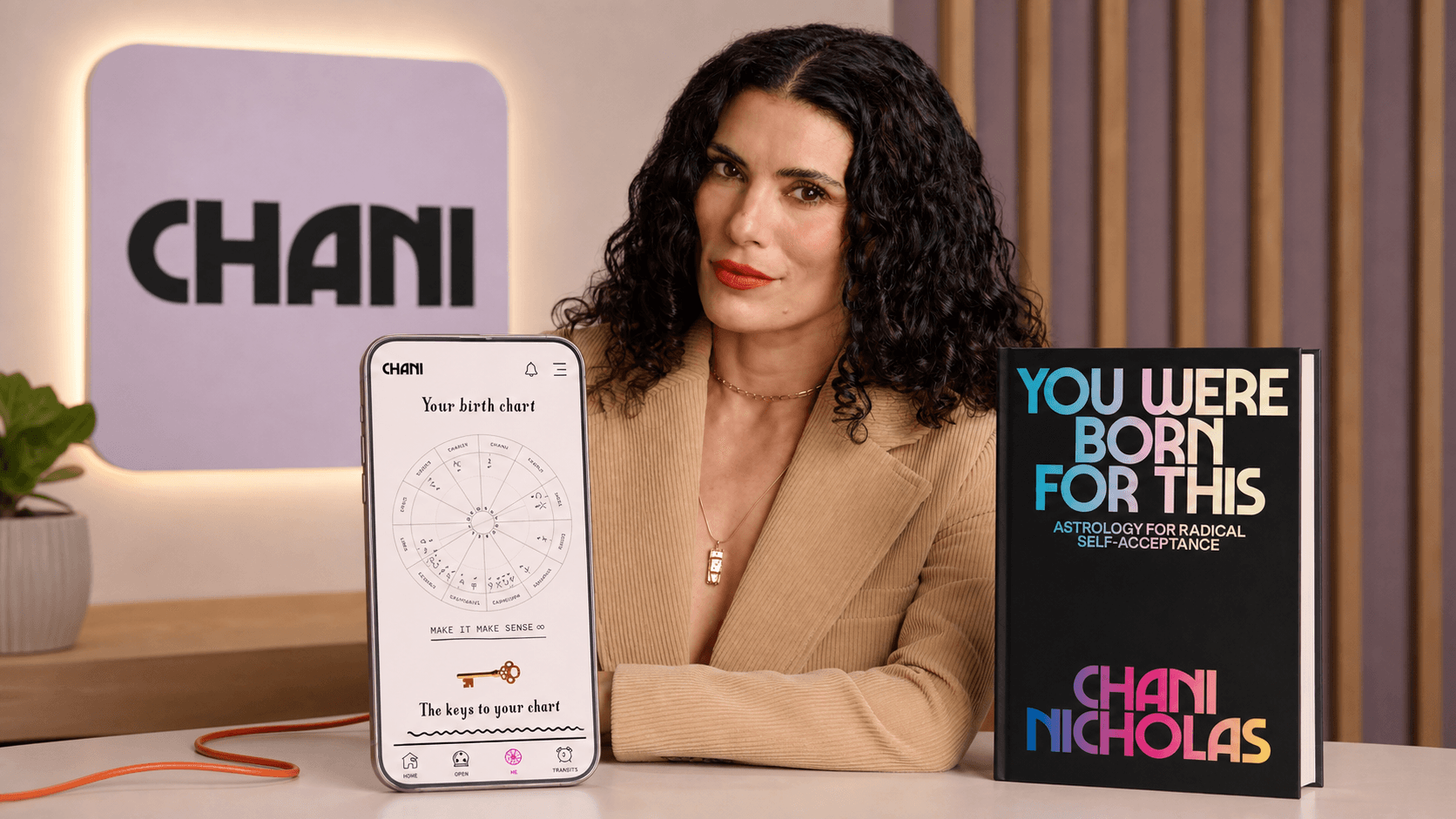
That psychology shows up directly in the numbers that decide whether a subscription app lives or dies. Retention is the whole game, and daily-habit mechanics are the strongest retention tool ever found in consumer apps. We covered the tactical side in how to reduce creator app churn, and streaks sit at the top of that list for a reason. It's the same pattern behind Chani Nicholas's $14M astrology app: a daily reading that users open every morning beats a brilliant feature they open twice a month. Daily ritual is the product. The content is what the ritual delivers. Here's the part of the playbook the funding announcements skip. Every "Duolingo for X" startup has the same weakness: nobody knows it exists. Roughly 14,700 apps launch every month, and the ones you just read about clawed out of that pile by spending venture money on ads. That's what the $14M and $50M rounds are actually for. Not engineering. Distribution. Now look at what a creator with 500K engaged followers holds: the exact asset those startups are buying at retail prices.
A creator facing an audience of glowing phone screens: distribution the startups have to pay for
  • The niche is proven. Your content already tells you what your audience wants to get better at every day.
  • The trust is built. Bible Chat had to convince strangers to take spiritual guidance from an app. Your audience already takes guidance from you.
  • The distribution is free. One pinned video does what a startup's six-figure ad budget does, and it keeps doing it.
A founder with the playbook but no audience raises millions to rent attention. A creator with the audience but no app leaves the playbook on the table. Only one of those problems takes three weeks to fix. The formula transfers to any niche where people want daily progress. Fitness form checks. Ear training. Chess puzzles. Knife skills. Budgeting. The question to ask isn't "could my niche be an app?" It's "what would my audience do in my app every single day?" Three filters that separate a real "Duolingo for X" opportunity from a nice idea:
  • Daily, not occasional. The habit has to fit in five minutes a day. If your niche only makes sense weekly, the streak mechanic starves.
  • Progress people can feel. Levels, skills unlocked, plans completed. Users renew subscriptions to protect visible progress.
  • You are the curriculum. The app packages judgment your audience already trusts. That's what our model is built around: you bring the expertise and the audience, we build and run the software business underneath it.
Duolingo proved the mechanics at a billion-dollar scale. The startups proved the mechanics transfer to any niche. The only question left is who owns the app in your niche: you, or a founder who's about to spend $14 million finding your audience the hard way. A "Duolingo for X" app applies Duolingo's habit mechanics, such as streaks, bite-size daily lessons, and progress tracking, to a niche outside language learning. Examples include Bible Chat for faith, Hallow for prayer, and Mimo for coding, all monetized through monthly subscriptions. Duolingo, the category original, generated $1.037 billion in revenue in 2025. Niche versions are smaller but real businesses: Bible Chat reported $15 million in annualized revenue with 10 million users, and Hallow has raised $105 million in venture funding on the strength of its subscription growth. No. Built by Foundry designs, builds, and ships the entire app, then runs it after launch: updates, App Store management, and subscription infrastructure. Creators bring the expertise and the audience. The build takes about three weeks and costs $0 upfront on a revenue-share model. Niches where the audience wants small daily progress: fitness, faith, music practice, chess, coding, cooking skills, personal finance, and language adjacent skills like accent training. If your audience asks "what should I do today?", the model fits. Your audience already wants a daily habit from you. The only question is whether you'll own the app that delivers it.
Let's Build →

Creator app strategy

Want us to review your creator business?

Apply for a Built by Foundry Creator App Review. We'll tell you whether there is a real app opportunity hiding in your audience.