
Creator Economy Trends

14,700 Apps Launch Monthly. Most Never Get Found

Built by Foundry
July 11, 2026
Share
14,700 Apps Launch Monthly. Most Never Get Found

Get Creator Revenue Insights

How creators are turning audiences into subscription businesses
Share
More than 14,700 new subscription apps now launch every single month, up from about 2,000 in early 2022, and the vast majority never find a single paying user. The App Store isn't a gold rush anymore. It's a traffic jam. And in a store adding a new app roughly every three minutes, the hardest problem stopped being building the app. It's getting anyone to see it. That single shift is the best news creators have had in years, and almost none of them have noticed. Key Takeaways:
  • Monthly subscription app launches jumped from ~2,000 in January 2022 to more than 14,700 by January 2026, a 7x increase in supply (RevenueCat, 2026).
  • Apps launched before 2020 still generate 69% of all subscription revenue, so new apps are fighting over a shrinking slice.
  • Organic App Store discovery is collapsing under the volume; paid user acquisition costs have made "just run ads" a rich company's game.
  • The only distribution that scales without a media budget is an owned audience, which is exactly what creators already have.
  • A creator launching an app starts with the one asset 14,700 monthly competitors are paying millions to fake.
For a decade, the story sold to would-be app founders was "build it and they will come." That was never fully true, but in 2022 it was at least survivable. In 2026 it's a fantasy. The supply of apps has outrun the supply of attention by an order of magnitude, and the math no longer works for anyone launching cold. Here's what actually changed, and why it hands creators a distribution advantage that money increasingly can't buy. Supply exploded. According to RevenueCat's State of Subscription Apps 2026, built from more than 115,000 apps and $16 billion in tracked revenue, the number of new subscription apps launching each month climbed from roughly 2,000 in January 2022 to over 14,700 by January 2026. That's a 7x jump in four years. The barrier to shipping an app fell to nearly zero, AI code tools poured fuel on it, and now everyone is shipping. Demand did not grow 7x to match. Consumers spent $166.8 billion across iOS and Android apps in 2025, with subscriptions making up the overwhelming majority of that, per Business of Apps. Real money, growing steadily. But it's being chased by seven times as many apps as it was four years ago. More boats, same size ocean.
Bar chart showing monthly subscription app launches rising from about 2,000 in 2022 to more than 14,700 in 2026
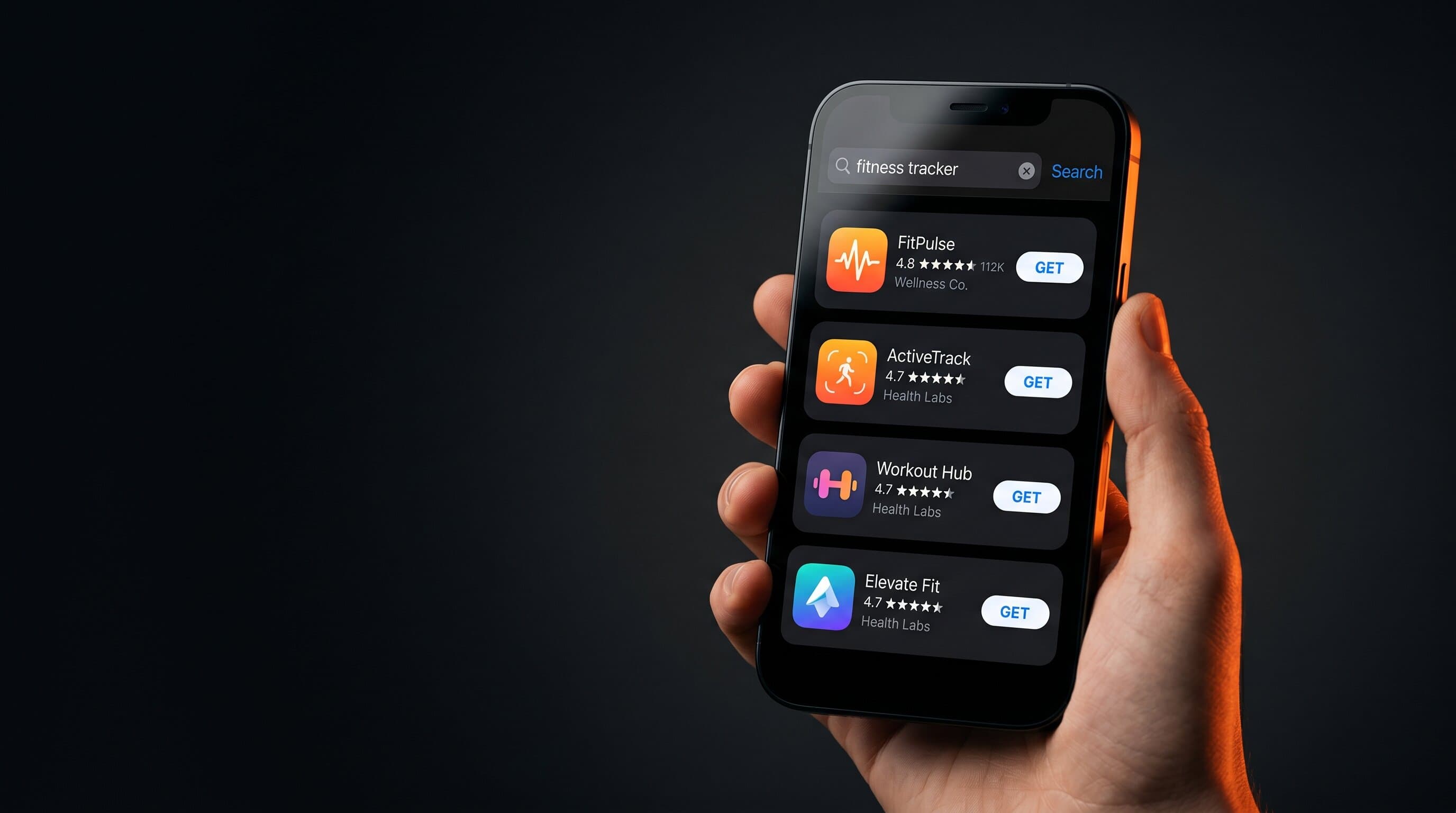
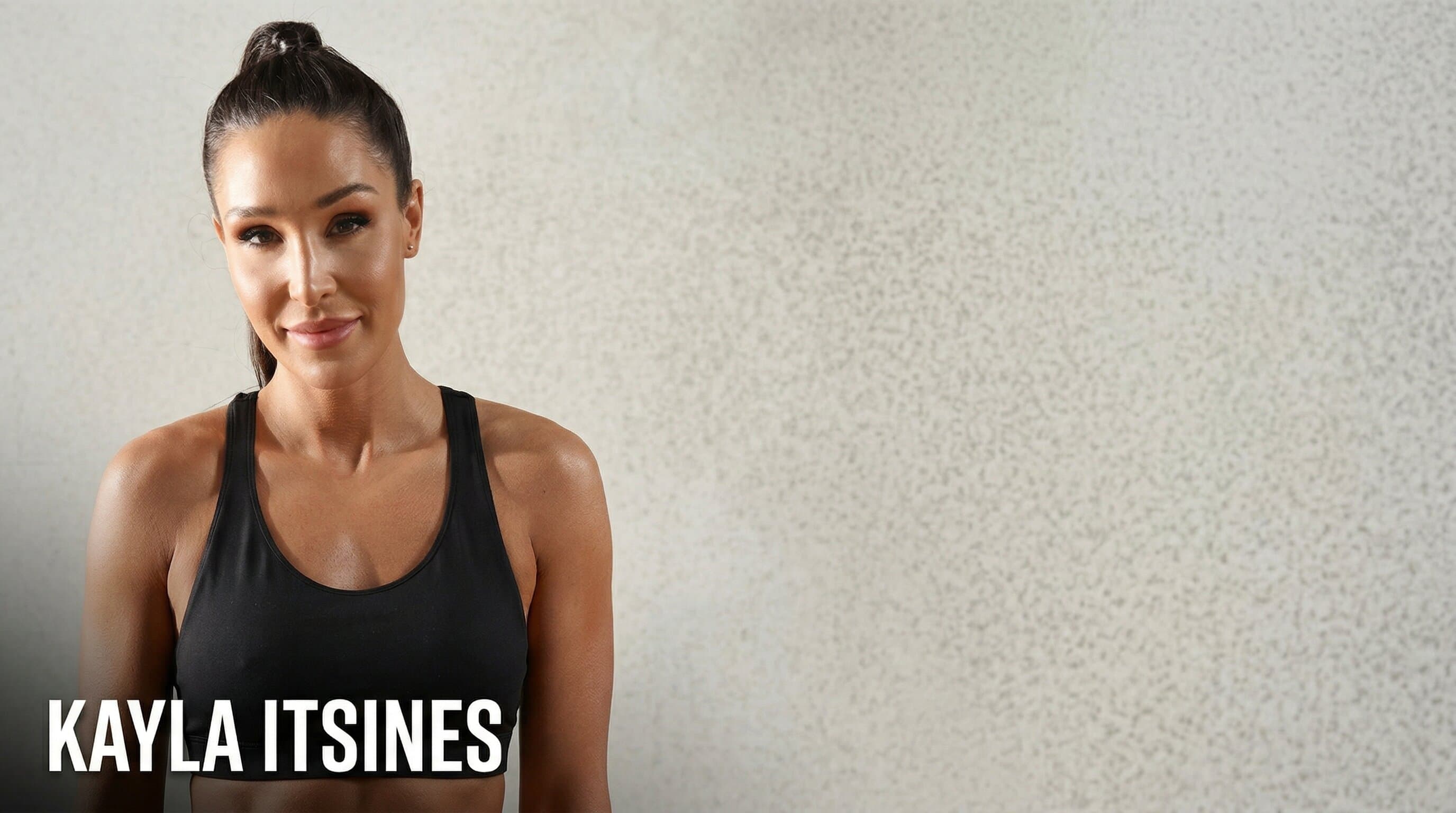
The result is a discovery crisis. When 14,700 new apps hit the store every month, the App Store's own charts and search can only surface a handful. Everyone else is invisible on day one and stays that way. Two doors into an app, and both are closing for unknowns. The first is organic discovery: search, charts, featuring, browse. In 2022, a well-built niche app could still stumble into a top-charts spot in its category. Today the category is stuffed with a hundred competitors launched this quarter alone, and the algorithm rewards apps that already have downloads and reviews. New apps have neither. It's a chicken-and-egg trap with no exit. The second door is paid user acquisition: buy your users with ads. This is where most cold-launch founders quietly go broke. Installs from paid channels routinely cost more than the app earns back for months, and for subscription apps you're paying that cost up front to acquire someone who might cancel their trial before they ever pay. Unless you have deep pockets and a finance team modeling payback windows, "just run ads" means renting a firehose of strangers who don't trust you and mostly don't convert. So the unknown developer is stuck. Organic discovery ignores them because they have no traction, and paid acquisition drains them because strangers are expensive and skeptical. That's the real reason most of those 14,700 monthly launches vanish. Not bad apps. No distribution. Because distribution compounds and new apps have to start from zero. RevenueCat's 2026 data holds a number that should stop every would-be founder cold: apps launched before 2020 still generate 69% of all subscription revenue. Seven times more apps are launching now than five years ago, yet the money keeps flowing to the incumbents who got in early and built an audience before the flood. That's not because old apps are better built. Code from 2019 is worse, not better. They win because they accumulated users, reviews, ranking signals, and word of mouth back when the store was quiet enough to get noticed. Every one of those assets makes the next user cheaper to acquire. A brand-new app has none of it, and now has to fight 14,700 monthly rivals to get the first crumb. This is the trend the "just launch on the App Store" crowd never mentions. Timing mattered, and the easy-discovery window closed. The apps still winning are the ones that brought their own crowd. Which is a very specific description of what a creator is. Here's the asset that doesn't inflate when supply explodes: a group of people who already trust you and will open a notification from you. What is owned distribution? Owned distribution is an audience you can reach directly, at zero marginal cost, without paying a platform or an ad auction for the privilege. An email list, a subscriber base, a following that actually watches. It's the opposite of rented distribution, where you pay per impression forever and the platform can shut off the tap. An unknown developer buys distribution one skeptical install at a time. A creator with 200,000 engaged followers announces the app once and drives more qualified installs in a day than most cold apps get in a year. Same store, same 14,700 competitors, completely different starting line. The creator's followers already know the voice, trust the taste, and want more access. They're not strangers to be converted. They're fans waiting for the thing. That advantage grows more valuable as the flood gets worse, not less. When apps were scarce, distribution was cheap and the product was the differentiator. Now apps are infinite and distribution is the only scarce thing left. Creators are sitting on the scarce resource and mostly using it to sell $9 ebooks and other people's protein powder. By pointing existing attention at a product they own instead of renting it out. The mechanics are simpler than they look, and the best creator apps compound on three loops at once. First, the audience becomes launch-day distribution. One announcement across the channels a creator already posts to puts the app in front of hundreds of thousands of warm, pre-sold users. No ad auction, no cold traffic, no chicken-and-egg. Second, the app becomes a content engine. Every leaderboard, streak, before-and-after, and user submission is a post the creator didn't have to brainstorm. The product generates the content that markets the product, which drives more installs, which generates more content. That flywheel is what pulled Kayla Itsines from Instagram workout photos to a subscription business that sold for a reported $400 million. The app fed the content, and the content fed the app. Third, the App Store itself becomes a second front door. Once an app has real subscribers and reviews, it starts ranking, and strangers who never followed the creator discover the app on its own. The App Store turns into a growth channel instead of a graveyard, precisely because the creator's audience gave it the initial traction the algorithm demands. The owned audience buys the ranking that then reaches people beyond the audience.
Split image contrasting a lone developer with no audience against a creator whose engaged following becomes instant app distribution
This is the loop that separates the winners in RevenueCat's data from the 14,700 monthly casualties. It's not a secret. It's just unavailable to anyone who has to buy their users. To understand which product decisions convert that traffic into revenue once it arrives, look at why the best creator apps are pulling away in 2026. Same idea, same store, same month. The only difference is who's holding the audience. Here's how the two launches actually go.
Launch factorCold developerCreator
Day-one installsAd budget or nothingAn announcement to existing fans
Cost per userHigh, paid to the ad auctionNear zero, owned channel
Trust at installStranger, high skepticismFan, pre-sold on the voice
Content to market itMust be created from scratchGenerated by app usage
App Store rankingNo traction to rankEarly subscribers drive the chart
Runway to surviveBurns cash chasing installsEarns from day one
The developer is playing the game on hard mode against 14,700 monthly opponents. The creator skipped the level. This is the whole argument for building on top of an audience you already own instead of trying to manufacture one after the fact. The window that closed on cold developers is wide open for you, and it won't stay that way. Every month that supply climbs, an owned audience gets more valuable and the App Store gets harder for anyone without one. The creators who launch apps in 2026 are locking in the same early-mover distribution advantage that let pre-2020 apps keep 69% of the revenue while everyone else fought for scraps. The move isn't to learn to code or to gamble a marketing budget on ads. It's to point the audience you spent years building at a product you own, and let someone else handle the App Store submissions, the payments, the push notifications, and the ongoing maintenance that keeps an app alive. You bring the crowd. That's the part nobody can flood. A content creator watches 14,700 apps launch a month and assumes the space is too crowded to enter. A founder looks at the same number and realizes they're the only entrant who brought a crowd. That's the whole difference, and it's a decision, not a talent. More than 14,700 new subscription apps launched per month by January 2026, up from roughly 2,000 in January 2022, according to RevenueCat's State of Subscription Apps 2026 report. Counting all app types, not just subscriptions, the total is far higher. App Store search and charts reward apps that already have downloads, reviews, and ranking signals. New apps have none of those, and with over 14,700 subscription apps launching monthly, there isn't enough organic surface area to show them. Paid ads can buy visibility, but the cost per install usually exceeds what a cold app earns back for months. Yes. The single hardest and most expensive part of launching a subscription app is distribution, getting real users to install and pay. Creators start with an engaged audience they can reach for free, which replaces the ad budget cold developers burn through. That owned distribution is the scarce asset in a market flooded with supply. With Built by Foundry, $0 upfront. We build the app, ship it to the App Store in about three weeks, and run it forever in exchange for a share of the revenue. The creator brings the audience and approves the vision. We handle design, development, submission, and maintenance. 14,700 apps launched this month. Only one of them gets to have your audience.
Let's Build →

Creator app strategy

Want us to review your creator business?

Apply for a Foundry Creator App Review. We'll tell you whether there is a real app opportunity hiding in your audience.

14,700 Apps Launch Monthly. Most Never Get Found