
Turning Knowledge into Products

How to Reduce Creator App Churn: 5 Fixes That Work

Built by Foundry
July 12, 2026
Share
How to Reduce Creator App Churn: 5 Fixes That Work

Get Creator Revenue Insights

How creators are turning audiences into subscription businesses
Share
What is subscription churn? Churn is the percentage of paying subscribers who cancel in a given period. If 100 people subscribe to your app in January and 8 cancel by February, your monthly churn is 8%. For a creator app, churn is the single number that decides whether your recurring revenue compounds or quietly leaks away. Key Takeaways:
  • Most trial cancellations happen on day zero. The first session decides whether someone pays and whether they stay (RevenueCat State of Subscription Apps 2025).
  • A hard paywall converts about 5x better than a leaky free tier: 10.7% versus 2.1% download-to-paid by day 35 (RevenueCat).
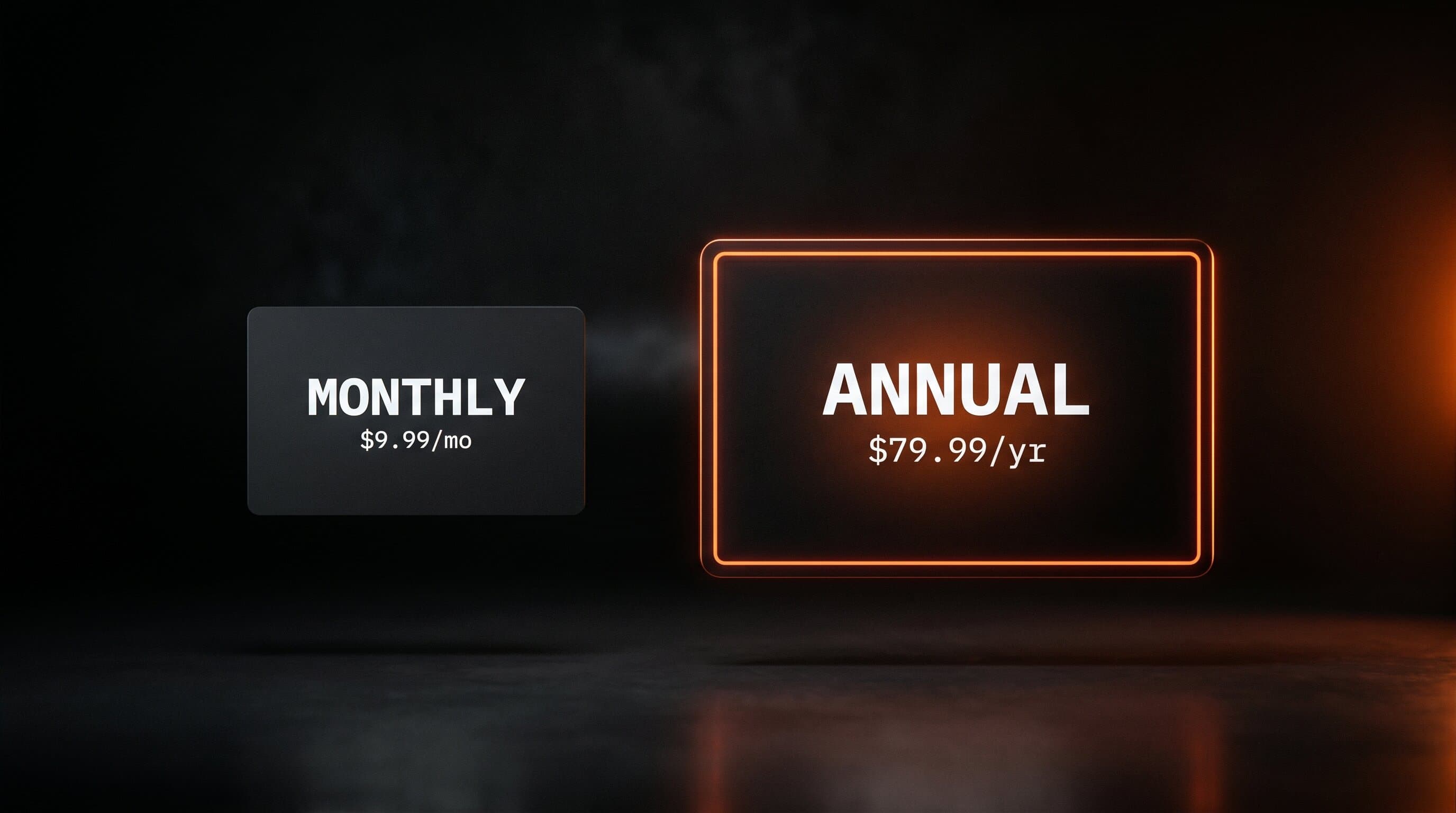
  • Annual plans lock in retention. In health and fitness, 68% of subscribers pick the annual plan (RevenueCat).
  • Subscriber value grows roughly 60% from month one to month twelve, so every month you keep someone is worth more than the last (RevenueCat).
  • Churn is not a launch problem you fix once. It is a job someone has to own for the life of the app.
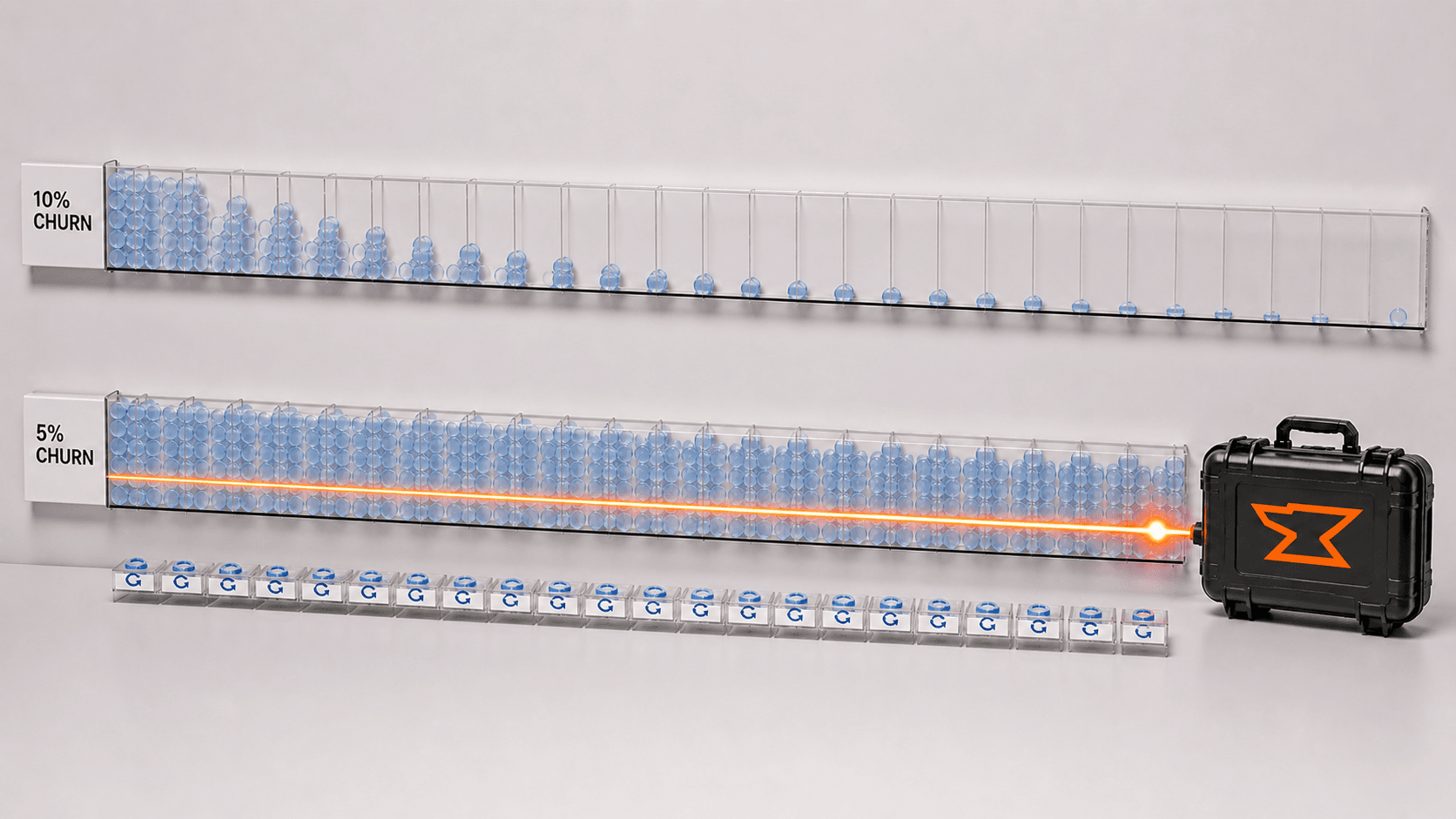
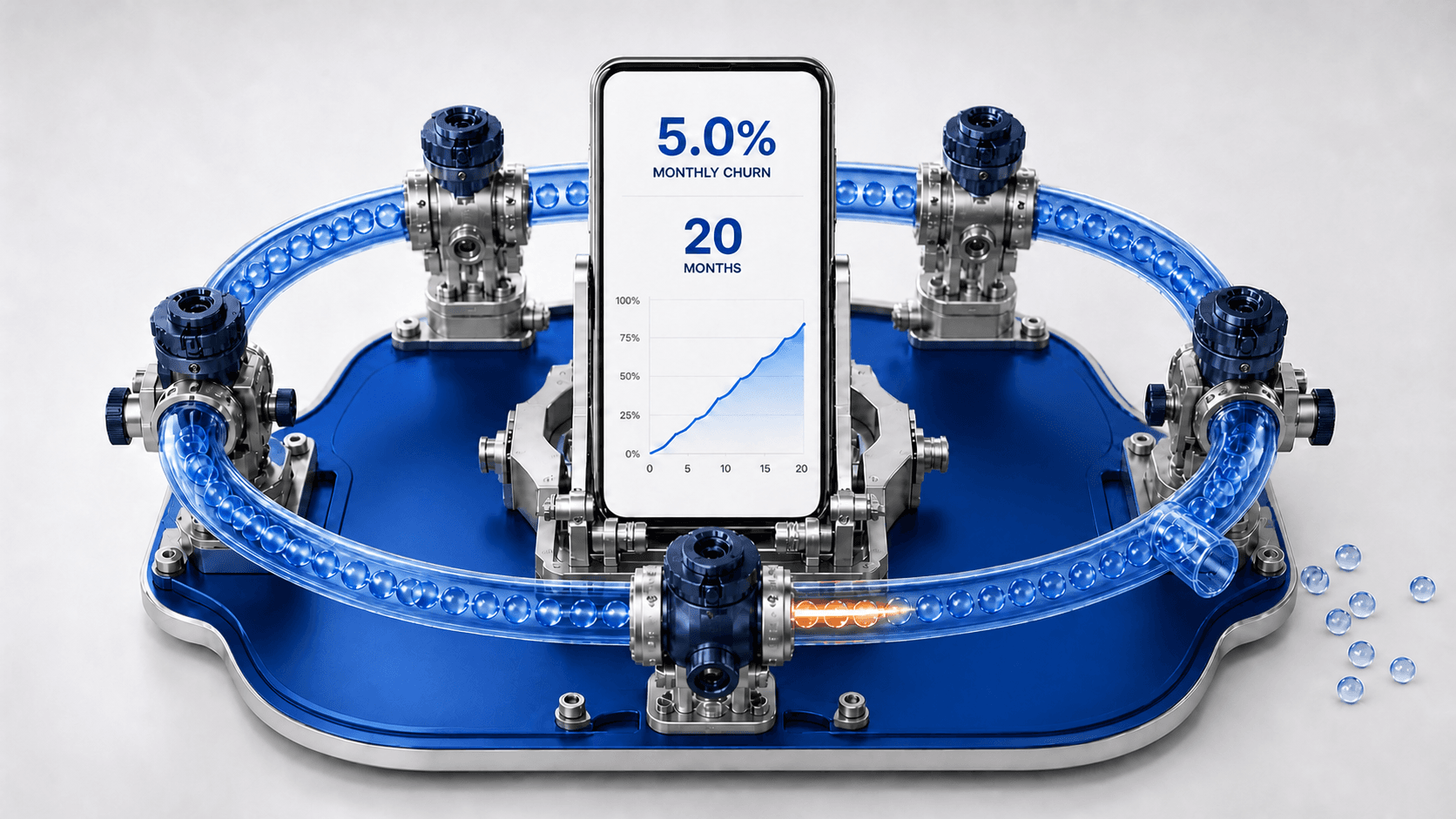
You spent months building an audience. You got them to download your app. Some of them even paid. And then, three weeks later, half of them were gone. That is churn, and it is the quiet killer of creator apps. You can pour every follower you have into the top of the funnel, but if they leak out the bottom, you are running on a treadmill that never turns into a business. The good news: churn is fixable, and most of the fixes are cheaper than acquiring new subscribers. Here are the five that move the number. Churn is the rate at which paying customers cancel. The lower it is, the longer each subscriber stays, and the more every one of them is worth. That is the whole game with recurring revenue, and it is why churn matters more than almost any acquisition metric you track. Here is the math that makes it real. Average subscriber lifespan is roughly one divided by your monthly churn rate. At 10% monthly churn, the average subscriber stays 10 months. Cut churn to 5% and they stay 20 months. You did not sign a single new customer, and you doubled the value of every one you already had. RevenueCat's State of Subscription Apps 2025, which analyzed more than 115,000 apps and over $16 billion in revenue, found that subscriber value grows about 60% from month one to month twelve. Retention is not defense. It is the engine. If you want the vocabulary behind the numbers, our breakdown of MRR for creators covers how recurring revenue actually compounds. They cancel because the app stopped being worth the money before they built a habit around it. Most of the time it is not one dramatic reason. It is a slow drift: they downloaded during a burst of motivation, opened the app twice, forgot the password, and let the renewal hit their card until they noticed and cancelled. Break the reasons down and they cluster into four buckets:
  • No day-one win. The first session was confusing or slow, so they never felt the value.
  • No reason to come back. Nothing pulled them into the app tomorrow, so the habit never formed.
  • Wrong plan. They were on a monthly plan, which makes cancelling a monthly decision.
  • The app went stale. Nothing changed for months, so the subscription started to feel like a bill.
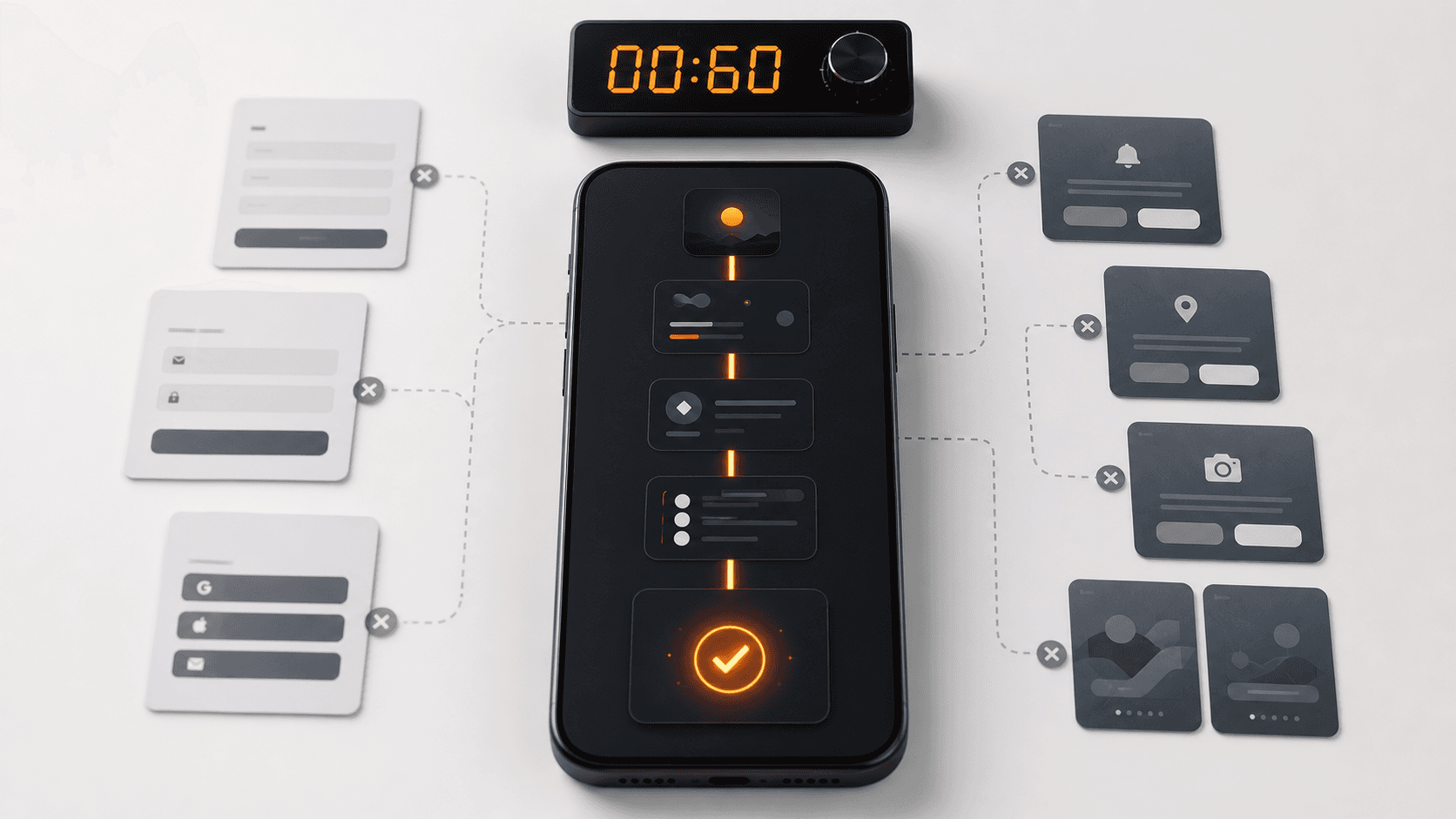
Fix those four and you have fixed most of your churn. The five moves below map directly onto them. Your best shot at keeping a subscriber is the first time they open the app. RevenueCat's data is blunt on this: the majority of trial cancellations happen on day zero, and the first session is when users decide both whether to pay and whether to stay. You do not get a second first impression. So treat the first session like a launch, not a formality. The subscriber should feel the core value inside 60 seconds. If your app is a fitness product, they finish a real workout on day one. If it is a learning app, they complete a lesson and see progress. If it is a community, they post something and someone responds. The goal is a single unmistakable win before the app ever asks for loyalty. Cut everything that stands between download and that win. Long sign-up forms, permission popups stacked five deep, a tutorial nobody reads. Every extra tap between the subscriber and their first moment of "oh, this is good" is a tap where they close the app and never come back.
A single spotlit stopwatch on a dark surface with a molten orange glow, representing the sixty-second window to win a new subscriber on day zero
Retention is built on returning, and returning is built on reasons. A subscriber who opens your app once a week churns. A subscriber who opens it daily almost never does. The job is to manufacture a reason to come back that feels earned, not nagging. The best creator apps do this with structure: a plan that updates, a streak worth protecting, a next step that unlocks only when you show up. Kayla Itsines built one of the biggest fitness apps in the world on exactly this loop. As we covered in how Sweat became a $400M business, the app gives users a new workout scheduled for a specific day, so opening it is not a choice, it is the plan. That daily pull is why subscribers stayed long enough for the business to compound. Push notifications help, but only when they carry real value. "Your Tuesday session is ready" earns the open. "We miss you!" gets muted, then ignored, then reported as spam. Every notification should point at the next win, not beg for attention. Yes, and the effect is large. A monthly plan asks the subscriber to re-decide every 30 days. An annual plan makes that decision once a year. You are not tricking anyone. You are removing 11 monthly moments where a distracted person might cancel on a whim. The data backs it up. In health and fitness, 68% of subscribers choose the annual plan, according to RevenueCat, and those categories post some of the strongest retention in the entire app economy. Annual buyers also tend to be your most committed users, so you are locking in the exact people you most want to keep. Move subscribers toward annual by anchoring on it. Show the annual plan first, priced as a monthly-equivalent number with the yearly total stated clearly, and offer a discount in the 15% to 20% range. That is the sweet spot that overcomes the psychological hurdle of paying upfront without giving away revenue. We go deeper on this in our guide to annual versus monthly subscriptions for creator apps, and the pricing mechanics live in how to price a creator subscription app. Some churn is silent and preventable. A card expires, a payment fails, and a subscriber who never meant to leave gets kicked out anyway. This is called involuntary churn, and it can quietly account for a meaningful chunk of your losses. The fix is automated: retry failed payments on a smart schedule and prompt the user to update their card before the subscription lapses. The other kind is voluntary, and you can intercept it too. When someone taps cancel, that is not the end of the conversation, it is the start of one. A short cancellation flow that asks why, then offers the right response, saves a real percentage of would-be quitters. Too expensive? Offer a pause or a downgrade. Not using it? Point them at the feature they missed. The subscriber told you they were leaving. Do something with that. None of this is about trapping people. It is about not losing subscribers who never actually decided to go. An app that never changes starts to feel like a bill. An app that ships something new every few weeks feels alive, and alive is hard to cancel. This is the fix creators underrate the most, because it never ends. Retention is not a launch you nail once. It is a job someone owns for as long as the app exists. The hard part is that "keep shipping" competes with everything else a creator does. You are making content, running a business, and living a life. Building and maintaining the app on top of that is where most creator apps stall out, go stale, and bleed subscribers. Someone has to watch the churn dashboard, run the experiments, fix the bugs, and ship the next update every single week. That ongoing work is exactly what Foundry's app care model exists to handle, so the app keeps improving without the creator becoming a full-time product manager.
A dark line chart showing two subscriber retention curves over 24 months, a steep declining line at 10% churn and a shallow line at 5% churn, with molten orange accents
More than you think, because churn does not cost you one payment, it costs you every payment that subscriber would have made. Run the numbers at a common $12.99 monthly price and the gap between good and bad retention is enormous.
Monthly ChurnAvg Subscriber LifespanLifetime Value at $12.99/mo
10%10 months$129.90
7%14 months$181.86
5%20 months$259.80
3%33 months$428.67
The subscriber at 3% churn is worth more than three times the one at 10%, at the exact same price. You did not raise your rate. You did not run a single new ad. You just kept people longer, and the value compounded on its own. This is also why the paywall you choose matters. A hard paywall filters for people who actually want the product, and it converts about five times better than a leaky free tier.
Paywall TypeDownload-to-Paid (Day 35)Best For
Hard paywall10.7%Most creator apps with a warm audience
Freemium2.1%Apps where free users drive network effects
For a creator with an engaged audience, a hard paywall usually wins, because your followers already trust you enough to pay. The data is from RevenueCat, cross-referenced with market pricing benchmarks from Business of Apps, which puts the most common monthly price point at $9.99. Someone with the time and the tooling to work on it every week, which is almost never the creator alone. This is the uncomfortable truth about churn: it is not a problem you solve with one clever feature. It is a discipline. The apps that keep subscribers have a team watching the dashboard, running the experiments, and shipping the fixes on repeat. That is the difference between a creator and a founder. A creator launches an app and hopes it sticks. A founder has a system that catches churn, tests against it, and compounds retention month after month. You do not have to build that system yourself. You do have to make sure it exists. Learn more about how the Foundry model works and who runs the app after launch. Want an app that keeps its subscribers instead of leaking them? We build custom apps for creators, then run the retention machine for you, $0 upfront, three weeks to the App Store.
Let's Build →
Strong consumer subscription apps aim for monthly churn under 5%, which means the average subscriber stays 20 months or longer. Anything above 10% monthly means you are replacing your entire subscriber base within a year, and growth becomes a treadmill. Health and fitness apps tend to post the lowest churn because they build daily habits. Because the first session decides everything. RevenueCat found that most trial cancellations happen on day zero, when users decide both whether to pay and whether to stay. If someone does not feel the core value fast, they cancel before a habit ever forms. Winning that first session is the single best retention move you can make. Yes. An annual plan replaces 12 monthly cancel decisions with one, and annual subscribers are typically your most committed users. In health and fitness, 68% of subscribers choose annual, and those categories show the strongest retention in the app economy. Anchor on the annual plan and offer a 15% to 20% discount to move people onto it. Building an app yourself runs $50K to $150K upfront plus 15% to 20% a year to maintain, and maintenance is where retention work lives. Built by Foundry builds your app for $0 upfront and takes a revenue share, so we only earn when your subscribers stay. We handle the ongoing retention work, updates, and fixes for the life of the app. Reducing churn is usually cheaper and compounds faster. Cutting monthly churn from 10% to 5% doubles the lifetime value of every subscriber you already have, without spending a dollar on acquisition. Most creator apps have far more upside in keeping the subscribers they win than in chasing new ones.

Creator app strategy

Want us to review your creator business?

Apply for a Foundry Creator App Review. We'll tell you whether there is a real app opportunity hiding in your audience.

How to Reduce Creator App Churn: 5 Fixes That Work