
Thought Leadership

Creator App Growth: 1,800 Apps Reveal the Edge

August 5, 2026
Share
Creator App Growth: 1,800 Apps Reveal the Edge

Get Creator Revenue Insights

How creators are turning audiences into subscription businesses
Share
Key Takeaways:
  • An analysis covering more than 1,800 consumer apps found that paid ads still drive most acquisition, while creator content is becoming the creative testing layer behind those ads.
  • App companies spend $15,000 to $20,000 a month to build a minimum viable creator network. Established creators already own the voice, production habit, audience trust, and feedback loop those networks try to manufacture.
  • The advantage is not follower count alone. It is the ability to connect content, product use, customer proof, and the next piece of content in one operating system.
  • Creators should use paid ads after organic content reveals a winning message, then judge both channels by subscription revenue instead of views.
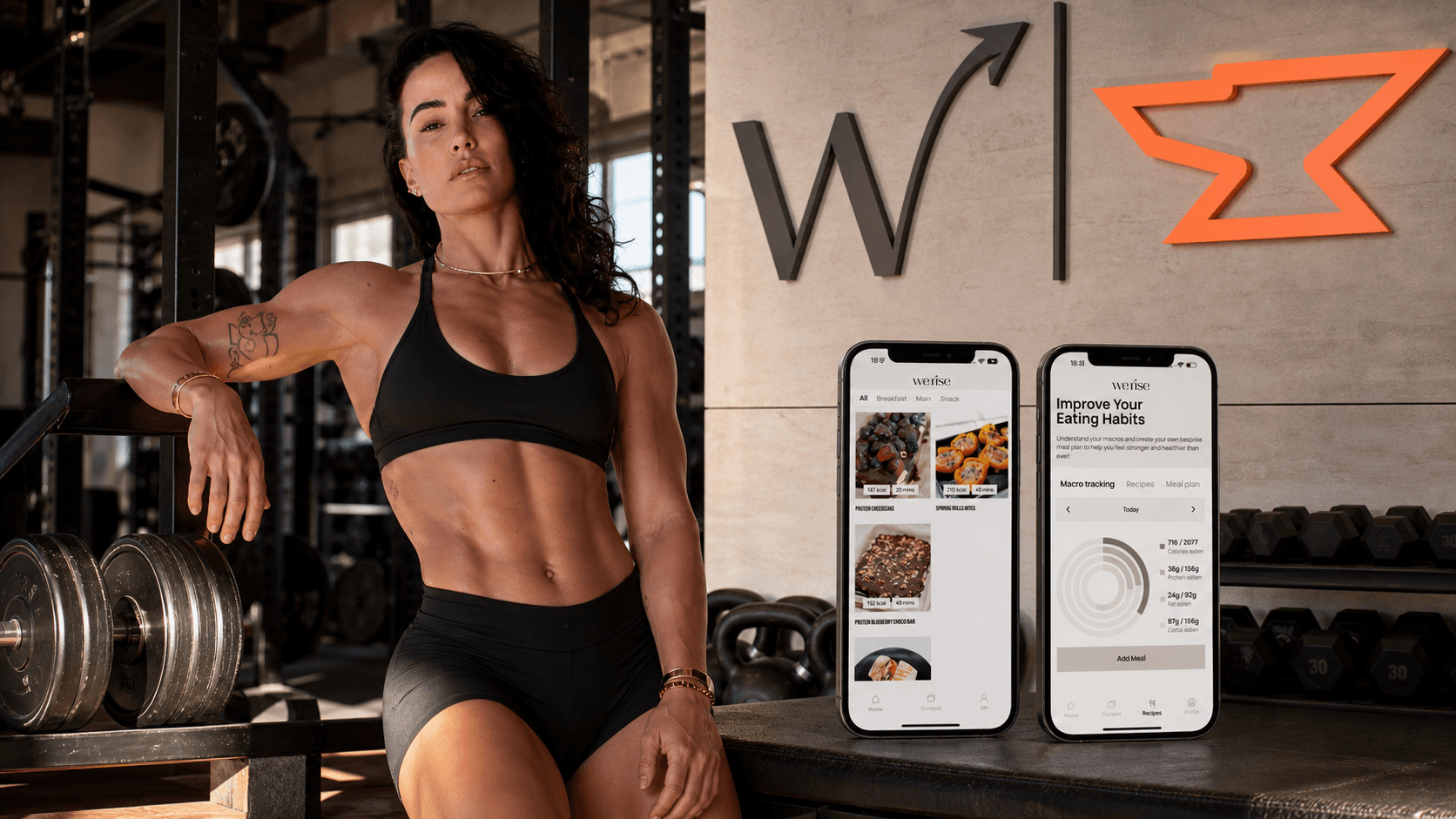
Creator app growth has a strange new reality: app companies are paying creators to learn how to sound like creators. A July 2026 Adapty analysis of more than 1,800 consumer apps found that paid ads still do most of the acquisition work. But the creative feeding those ads increasingly comes from creator content. The strongest organic videos become paid campaigns. The content operation becomes a testing lab. That should change how established creators see their own advantage. You do not merely bring followers to an app. You bring the hardest part of the growth engine: a trusted voice that can produce, test, learn, and sell without pretending to be native to the feed. The data shows that creator content is becoming the research and development layer for paid app growth, while paid media remains the measurable distribution layer. The analysis found fewer than 10 apps using a scaled organic creator playbook in 2024. Its database now covers more than 1,800. A minimum viable network costs $15,000 to $20,000 per month and produces 600 to 900 short videos. Winning teams reuse the best organic formats as paid creative. The same report includes a useful warning. Roughly 75 percent of installs in Adapty's 2025 data landed in an organic or unattributed bucket. Content explicitly tagged as creator or influencer work represented less than 3 percent of attributed volume. Organic creator content can move demand without leaving a clean trail from video to install. That makes views an easy scoreboard and a bad business metric. A million views can produce weak subscribers. A 40,000-view demonstration can attract customers who renew for a year. An app startup has to hire creators, teach them the product, approve scripts, manage dozens of accounts, and wait for a format to work. An established creator begins with a point of view people already recognize. That difference is worth more than free impressions. It compresses the learning cycle. When a cooking creator demonstrates a meal-planning app, the product appears inside a behavior the audience already trusts. Comments expose objections. Saves reveal intent. Member questions point to the next feature. User results become proof. This is what Senada Greca did with the WeRise fitness app. Her free workouts proved the teaching method in public. The app packaged that method into programs, tracking, nutrition, and community. Content established the promise. Product use made the promise repeatable.
Growth InputApp StartupCreator Founder
Trusted voiceMust recruit or manufacture itAlready established
Content productionNew operating teamExisting weekly habit
Product feedbackSurveys and paid testsComments, DMs, and member behavior
First distributionPurchasedExisting engaged audience
Customer proofArrives after launchCan return to the content feed immediately
The creator founder does not get growth for free. The advantage is a shorter distance between idea, content, customer, and revenue. Follower count is reach, while the real creator growth advantage is the speed and credibility of the learning loop. The scaled app playbook in Adapty's analysis often uses small creators on fresh accounts. Those accounts can win because recommendation feeds judge each video, not only the size of the account behind it. A creator with 50K engaged followers can outperform a celebrity with 5 million passive ones when the smaller creator knows exactly which problem the audience wants solved. That is why the product has to match the method. A finance creator who is trusted for practical budgeting should not launch a generic motivation app. A strength coach known for 20-minute home sessions should not bury that advantage inside an enormous wellness library. The sharpest promise makes better software and better content. It also gives new users a reason to find the product through App Store search before they know the creator.
A camera shutter, product tile, and customer token connected by one continuous orange rail
Content without a product rents attention for a moment. A product gives that attention somewhere to go. The first loop is familiar: publish a useful demonstration, earn attention, and invite the viewer into the app. The second loop is stronger: app usage produces streaks, questions, transformations, challenges, and feature requests. Those become the next demonstrations. Each cycle makes the product more visible and the content more specific. We broke down that mechanism in six ways an app writes a creator's content. The business result matters most. Every useful post can acquire a subscriber. Every active subscriber can supply proof for another post. Recurring revenue funds the next product improvement, which creates another reason to publish. That is deeper than an influencer campaign. The creator is not borrowing a product for a post. The creator owns the business the post grows. Creator founders should buy ads after organic content identifies a message that attracts paying, retained subscribers. Paid media is not the enemy. Premature paid media is. A creator who spends before finding the winning promise pays to test basic positioning against strangers. The existing audience can provide that learning faster. Start with three content formats: a live product demonstration, a customer outcome, and a direct answer to the objection blocking purchase. Track which format moves product-page visits, trials, paid conversions, and renewals. Then put paid distribution behind the strongest one. Apple gives product owners another measurable layer. Product Page Optimization lets an app test up to three alternate combinations of icons, screenshots, and preview videos against the original page. The content wins the click. The App Store page still has to win the download. The order matters:
  • Use organic content to test the promise.
  • Use the App Store page to test conversion.
  • Use paid media to scale the proven combination.
  • Judge the system by subscription revenue and retention.
For the full channel sequence, read how to market a creator app. Paid should accelerate a working engine, not hide a weak one. A creator with 50K engaged followers does not need a 100-account content farm. The first version is smaller and more honest. Publish two product-led videos each week. One shows the method inside the app. The other shows what a member did with it. Give each format four weeks. Use a distinct App Store custom product page or campaign link where possible, and compare trials, paid conversions, and early retention. Then do the founder's work. Keep the winning format. Kill the vague one. Turn the best customer question into a product improvement and the next video. Ask active users for proof with permission. Build a loop that gets sharper every month. The broader market already values this skill. IAB projected US creator ad spend at $37 billion in 2025, up 26 percent year over year. Brands and app companies keep paying to access creator credibility. A creator founder can aim that credibility at an asset they own. Built by Foundry exists to supply the other half: product strategy, design, engineering, App Store launch, analytics, and the ongoing App Care operation. The creator keeps the voice and vision. The product team turns both into a company. No. The current evidence shows paid ads still drive most subscription app acquisition. Creator content gives teams a fast way to discover messages and formats that can work organically and then become stronger paid creative. Measure product-page visits, trials, paid conversions, early retention, and cohort revenue during the period each format runs. Views show reach. They do not show whether the app acquired customers who stay. Built by Foundry focuses on creators with 50K or more engaged followers who already sell something or see repeated demand for a clear method. Engagement and purchase intent matter more than raw follower count. Content attracts users. Product use creates results and questions. Those results become the next content. New content attracts more users, while subscriptions renew and fund continued product improvement.

Creator app strategy

Curious what your app could be?

Enter your handle and Built by Foundry will research your audience and present custom app concepts. Free.

Creator App Growth: 1,800 Apps Reveal the Edge