Case Studies & Success Stories

Bill Simmons: 3 Lessons From Grantland, Ringer and ChatGPT

November 21, 2026
Share
Bill Simmons: 3 Lessons From Grantland, Ringer and ChatGPT

Get Creator Revenue Insights

How creators are turning audiences into subscription businesses
Share
Bill Simmons has spent more than a decade on the same lesson: whoever owns the room decides what happens in it. In 2015 ESPN closed the website he had built inside the company. In 2016 he launched The Ringer as his own company. In 2020 Spotify bought it. And in November 2026 he cancelled a ChatGPT sponsorship because, in his words, "our audience just didn't like them." Key Takeaways:
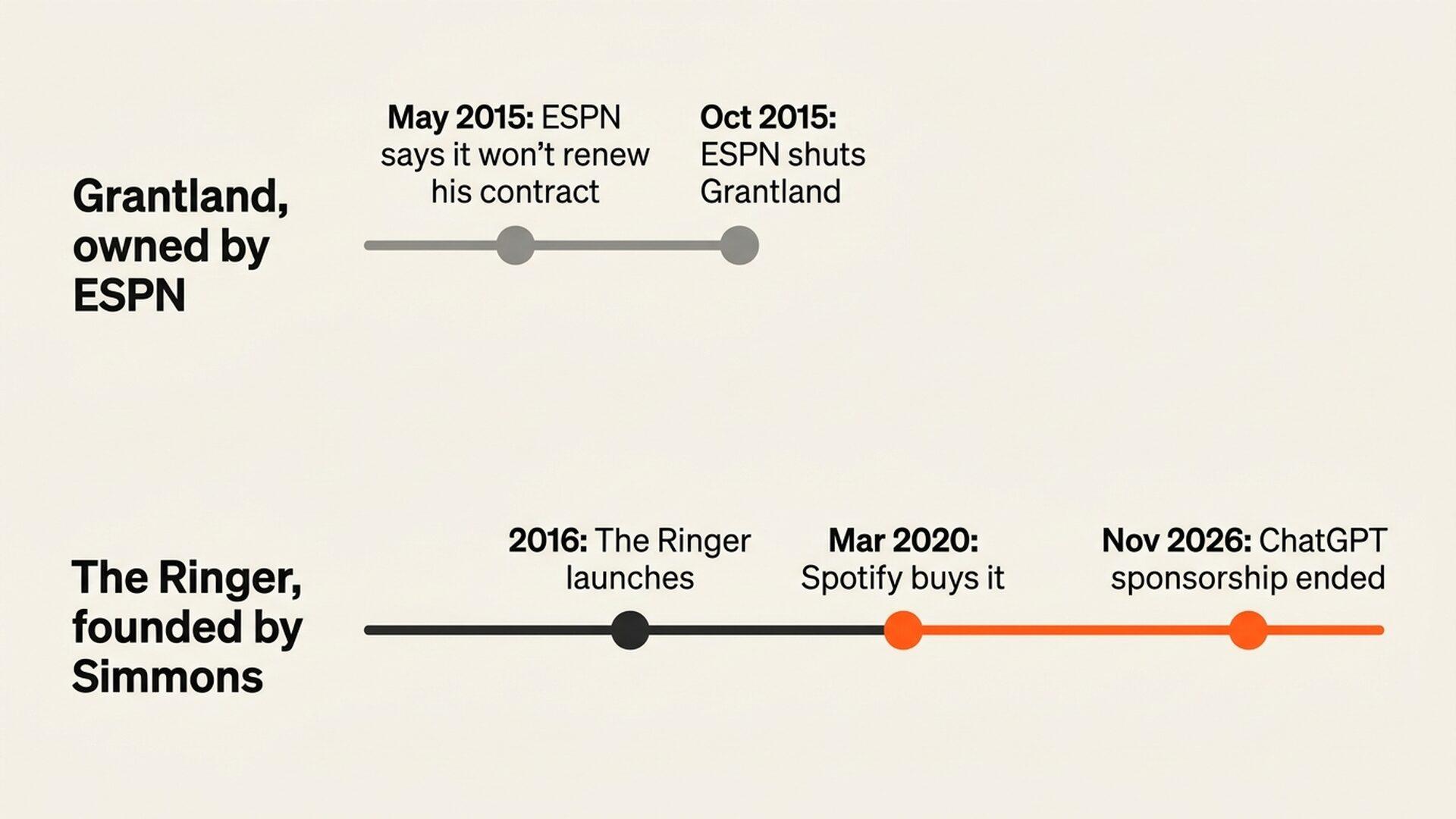
  • ESPN said in May 2015 it would not renew Simmons's contract, then shut Grantland five months later. The work stayed with the company that owned it.
  • Spotify's own filing put the fair value of The Ringer purchase at €170 million, plus €47 million in payments contingent on certain Ringer employees staying.
  • In 2026, a ChatGPT sponsorship built into Simmons's shows drew immediate listener backlash. He ended it and told Bloomberg the segments "weren't a fit for us."
Bill Simmons is a sports and pop culture writer and podcaster who founded The Ringer, a media company and podcast network that Spotify acquired in 2020. He hosts The Bill Simmons Podcast and posts as @BillSimmons on X. Before The Ringer, Simmons ran Grantland, a sports and culture site he created at ESPN. He did not own it. When the relationship ended, that difference decided everything that followed. After Spotify bought The Ringer, he stayed on. In March 2025, Fortune, carrying a Bloomberg report, said he had signed a new deal to keep his show and become Spotify's head of talk strategy. It belongs to the house. On May 8, 2015, Fortune reported that ESPN would not renew Simmons's contract. ESPN president John Skipper said in the same statement: "ESPN remains committed to Grantland and we have a strong team in place." Five months later, on October 30, 2015, ESPN shut Grantland down, saying it would put its energy into projects with "a broader and more significant impact." Simmons had built the audience, hired the writers and set the voice. None of that gave him a say in whether the site survived. In February 2016, Bleacher Report covered his announcement of The Ringer. It would start as an email newsletter that March, with the full site later in the year. Editor in chief Sean Fennessey and several early hires had worked at Grantland. The talent was the same. This time, Simmons owned the company.
Timeline: Grantland, owned by ESPN, ends in October 2015; The Ringer, founded by Simmons, launches in 2016 and is bought by Spotify in March 2020
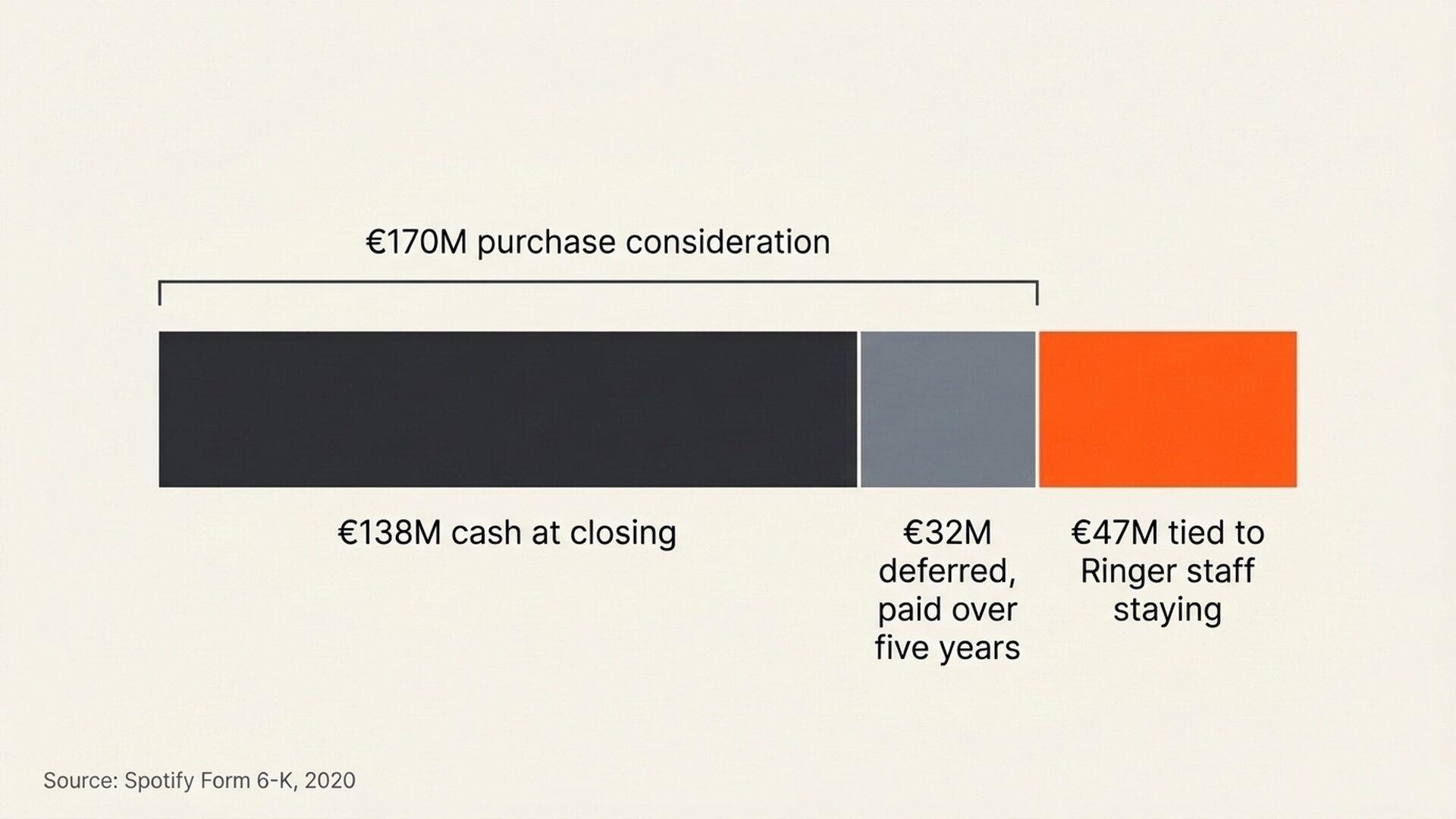
Most creators are in Simmons's 2015 position without realizing it. A YouTube channel, a TikTok following or a newsletter on someone else's platform is valuable work inside a house you don't own. Our creator equity guide explains five ways to turn that work into something you can sell. Spotify paid for a company and the people who ran it. Its April 2020 Form 6-K says it acquired 100% of Bill Simmons Media Group on March 6, 2020. The fair value of the purchase consideration was €170 million: €138 million in cash at closing and a €32 million liability, the present value of €44 million in payments over five years. The same note lists another €47 million in cash payments "contingent on the continued employment of certain Ringer employees." Spotify counted that money separately because it depended on people staying, not on what The Ringer already was. Press reports rounded the whole deal to about $250 million.
Spotify's 2020 filing: €138M cash at closing, €32M deferred, and €47M tied to Ringer staff staying
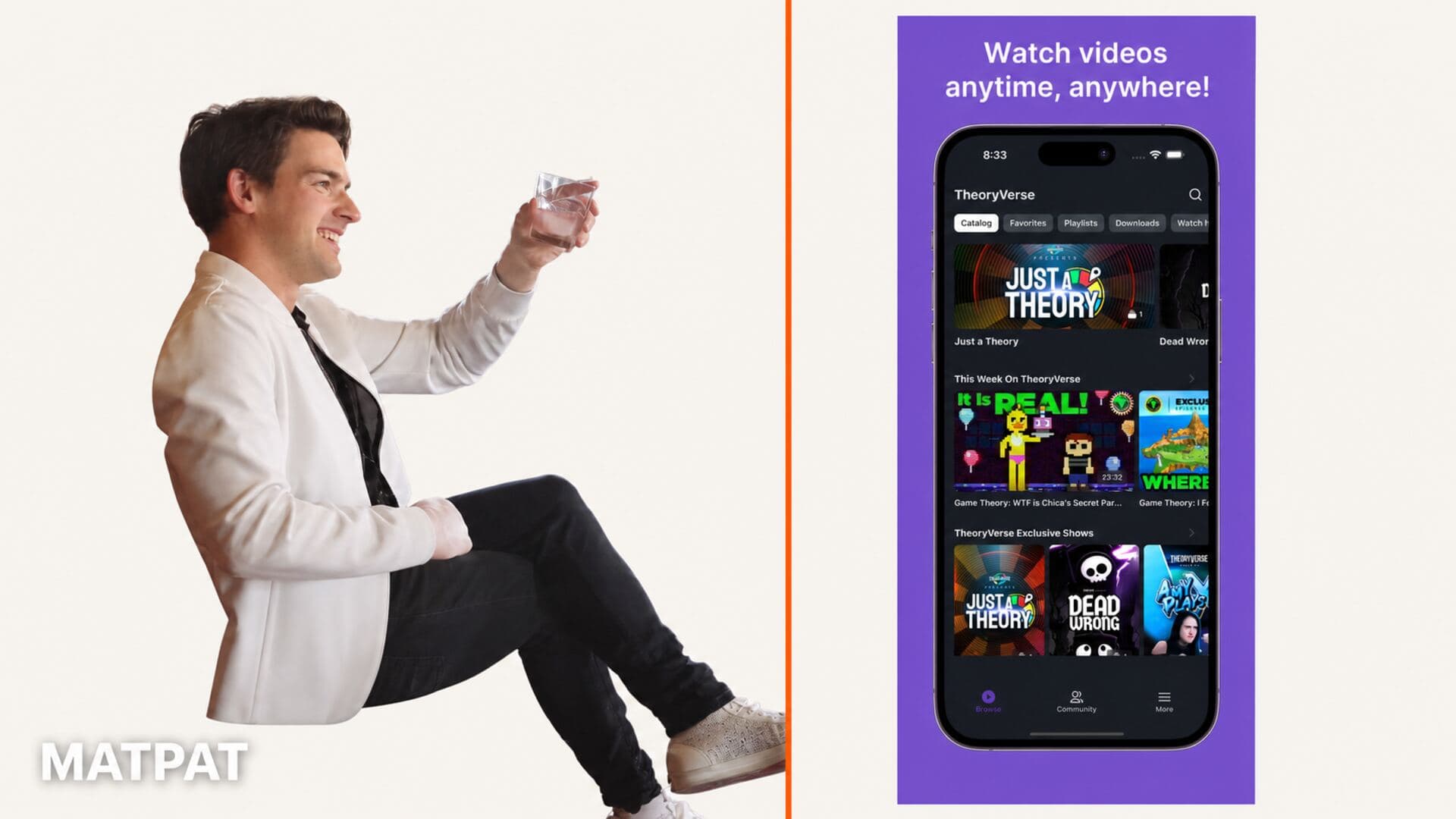
That split is worth studying if you ever want to sell what you build. The €170 million paid for the company: its shows, its brand, its audience relationships and its revenue. The €47 million was the price of keeping key people. A business that only works while particular people show up gets valued with strings attached. MatPat's exit from Theorist makes the same point from another angle: the company had to keep working after its most famous face stepped back. Planning for that early is easier than fixing it during a sale. The third lesson is the newest. According to TheWrap, Simmons wanted to add AI research segments to some shows in spring 2026. ChatGPT became the sponsor, appearing on The Bill Simmons Podcast and The Ringer Fantasy Football Show. In an August episode about Russell Westbrook's retirement, Simmons asked ChatGPT to pick the defining game of Westbrook's career as part of the sponsored segment. Awful Announcing reported on August 18 that the top five Spotify comments on that episode were teasing or angry. The top post on the show's subreddit that day was titled "The ChatGPT of it all kind of makes me want to stop listening." Bloomberg reported on November 12 that the sponsorship was over. Simmons's statement: "This time we learned almost immediately that those segments weren't a fit for us," and "our audience just didn't like them." A sponsor read sits inside your show, and your audience judges it as yours. Simmons could cancel quickly because he still had authority over the show. Many creators in a brand deal have far less control over the message, the timing or the exit. Our guide to sponsorship disclosure rules covers the legal side. The trust side has no rulebook, which is why it moves so fast. You don't need a podcast network to use these lessons. Each one comes down to a question you can answer this week:
  • Who can shut down the thing you built? If the answer is a platform or an employer, you're where Simmons was in 2015.
  • What would a buyer pay for if you stepped back for a month? Recurring revenue, customer relationships and a product that runs without you are worth more than a feed that stops when you stop posting.
  • What are you putting in front of your audience that isn't yours? Every sponsor you take borrows trust you built. A product you own lets that trust build up for you.
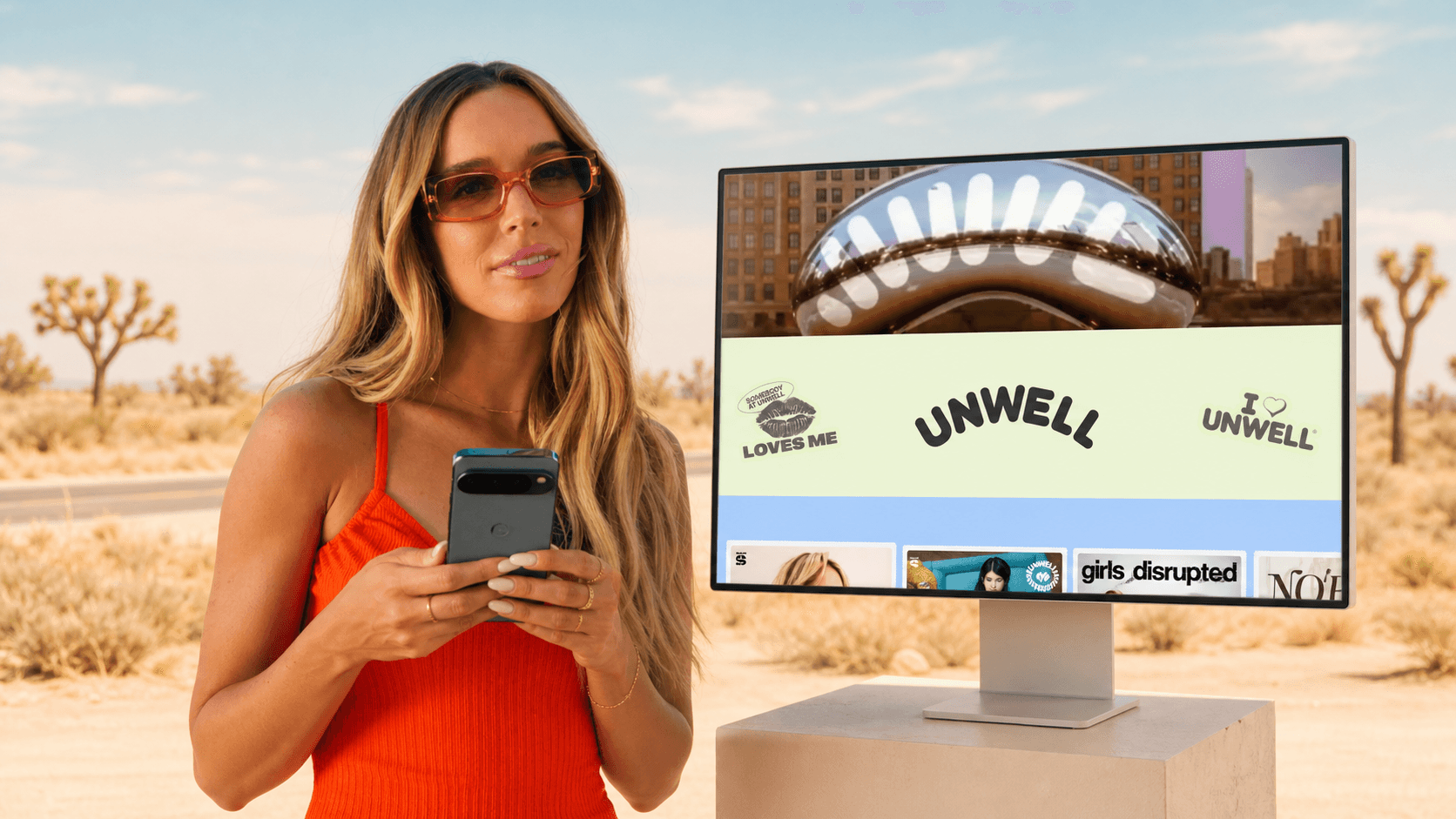
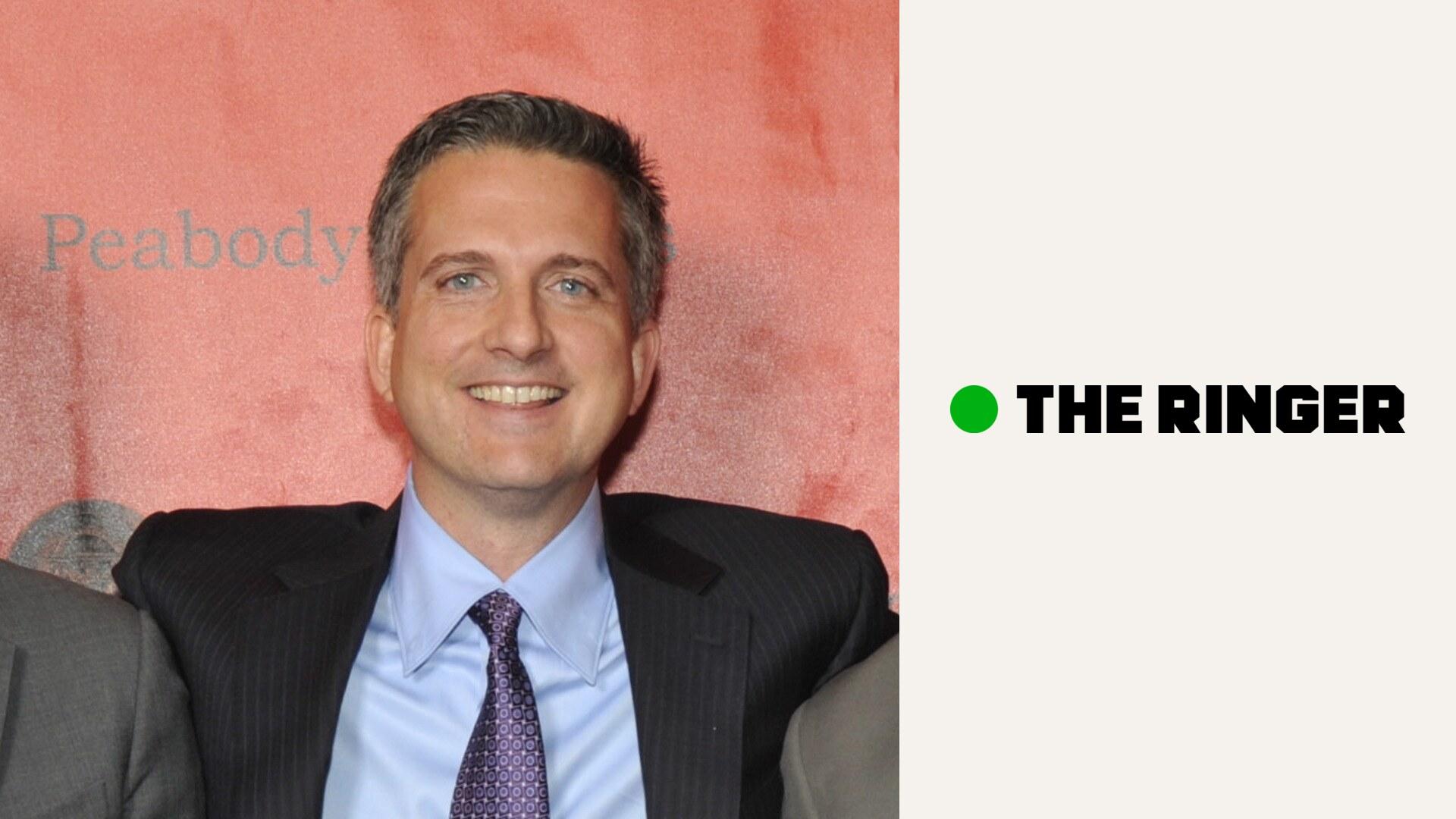
Alex Cooper's Unwell and Simmons's Ringer both suggest the same thing: the payoff comes from the business behind the show, not the show alone. At Built by Foundry, we build, launch and run businesses for creators at $0 upfront, on a revenue share. Usually that's a subscription app, because it earns monthly whether or not you post that day. You own the business. We handle the build, the launch and the ongoing care that keeps it working. That's the Grantland lesson in practical form: build something with your name on the ownership, not just the content. Spotify's April 2020 Form 6-K put the fair value of the purchase consideration at €170 million: €138 million in cash at closing plus a €32 million deferred liability. A further €47 million depended on certain Ringer employees staying. Press reports described the deal as worth about $250 million. ESPN said on May 8, 2015 that it would not renew his contract. ESPN shut Grantland, the site he had created there, on October 30, 2015. Listeners objected to the sponsored AI segments on his shows. Simmons told Bloomberg in November 2026 that the segments weren't a fit and that his audience didn't like them. Public sources checked November 21, 2026. Euro figures come from Spotify's 2020 SEC filing. Hero adapted from a 2011 Peabody Awards photograph of Simmons (CC BY 2.0).
Our work

Creators who already did this

These are apps we designed, built, shipped, and still run today, with the creator keeping the code and the audience.

Kristen Donathan

Kristen Donathan

Founder & CEO of Stain Fix

Snap a stain. Get the fix in seconds.

Top Lifestyle App1.5M+ followers
Read the case study
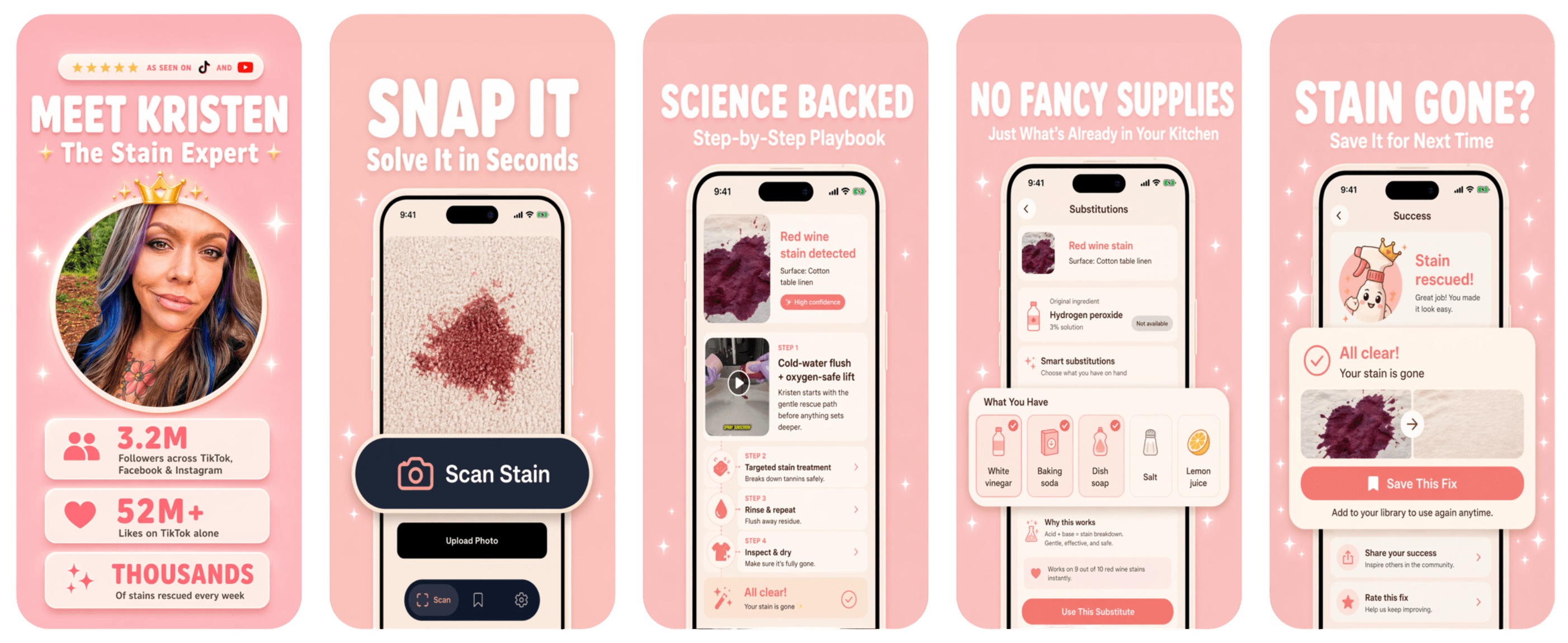
Stain Fix screenshots
Ellie Fausett

Ellie Fausett

Founder & CEO of Vector Guard

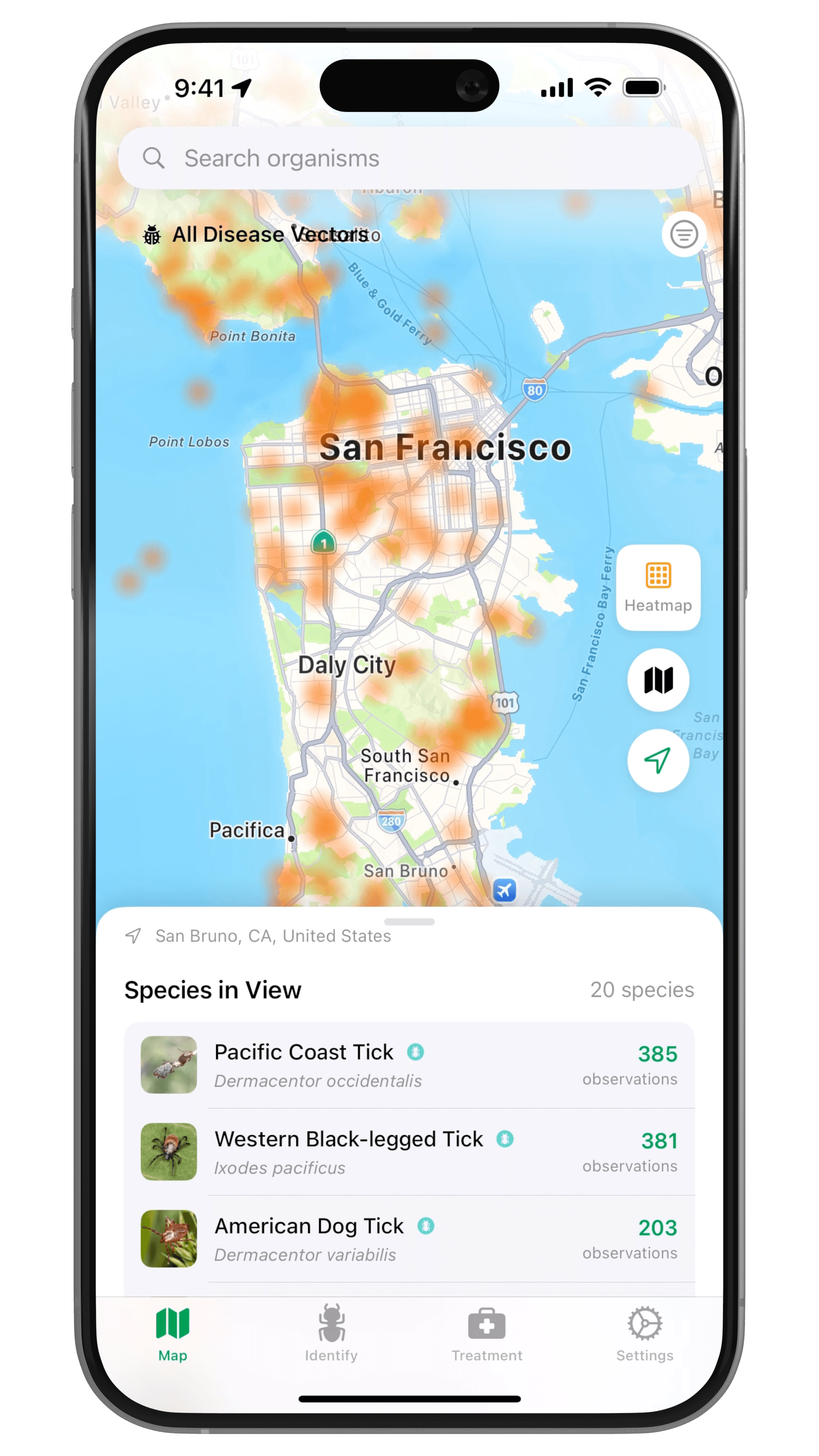
Spot disease-carrying pests before they reach your family.

Top Health App
Read the case study
Vector Guard screenshots
Samantha Mae

Samantha Mae

Founder & CEO of NineLives

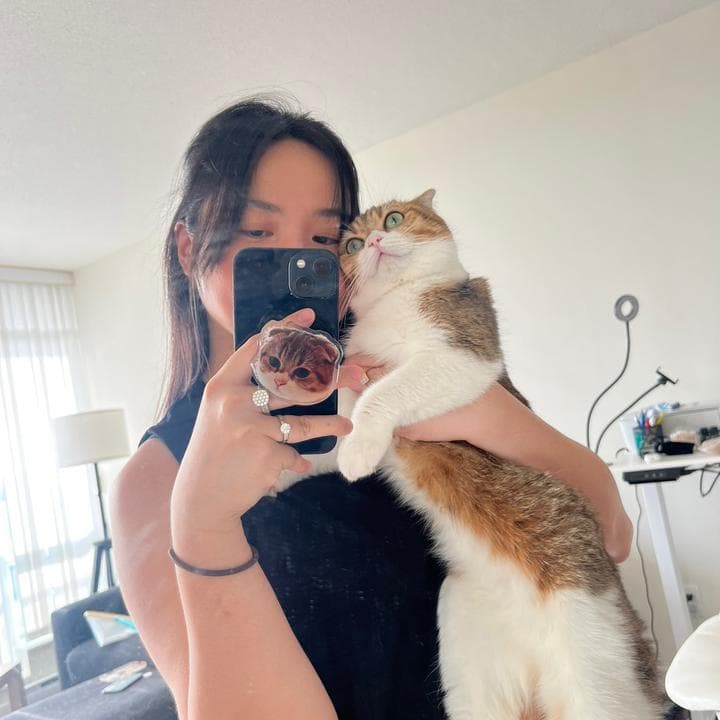
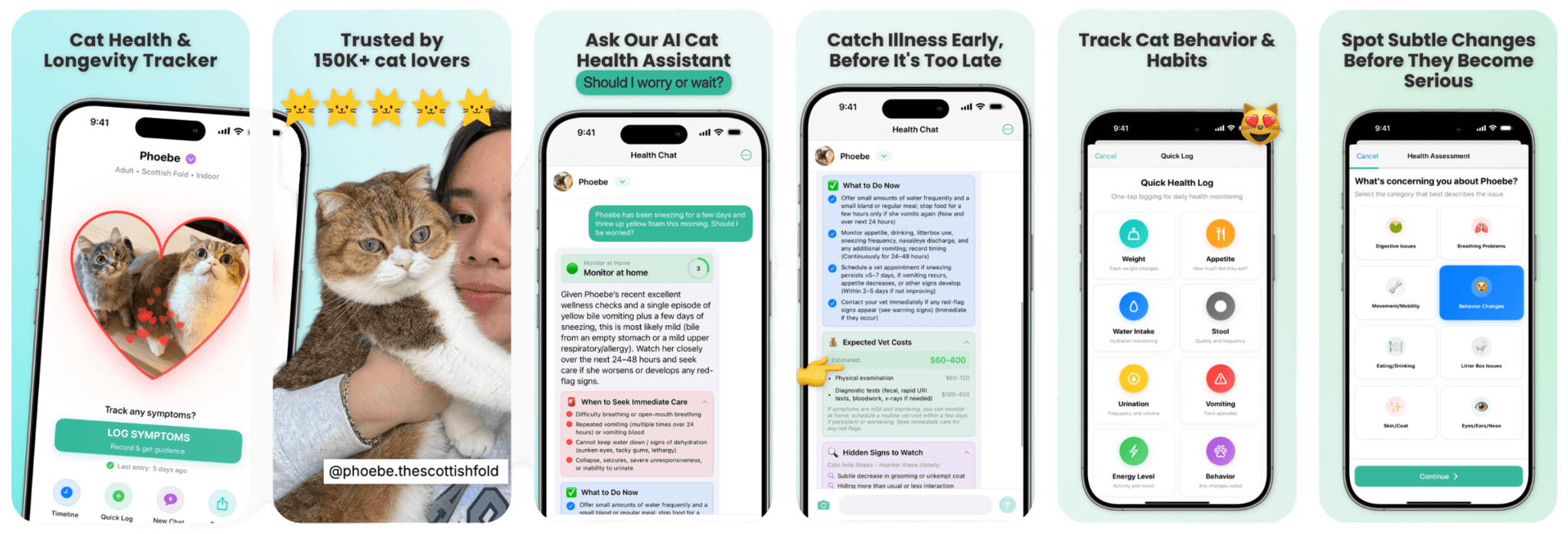
Cat health tracking from the world's most beloved Scottish Fold.

Top Health App150K+ followers
Read the case study
NineLives screenshots

Creator app strategy

Curious what your app could be?

Enter your handle and BUILT BY FOUNDRY will research your audience and present custom app concepts. Free.

Bill Simmons: 3 Lessons From Grantland, Ringer and ChatGPT