

App vs Course: The Revenue Math for Creators

App vs Course: The Revenue Math for Creators

Foundry
March 27, 2026
Key Takeaways:
  • The average online course sells for $137 (Podia, 132,000+ sales analyzed). An app subscription at $9.99/month generates $120/year per user, recurring
  • 71% of course creators earn less than $30,000/year. Most never launch a second course
  • Kayla Itsines went from selling $70 PDF guides to $100M/year in app subscription revenue with Sweat
  • Course completion rates sit at 12.6% median. Over half of buyers never open the course they paid for
  • App subscriptions compound: 500 subscribers at $9.99/month is $60K/year in MRR that grows every month you retain and acquire
Because courses look easy. Pick a topic you know, record some videos, upload them to Teachable or Kajabi, and sell. The tools are everywhere. The playbook is proven. And the first launch feels great. The problem is what happens after launch week. Course revenue follows a spike pattern. You promote hard, sell a batch of units, then watch sales taper off. To make more money, you need another launch, another promotion cycle, another round of convincing your audience to buy something new. Every dollar resets to zero the moment a campaign ends. Apps work differently. Every new subscriber adds to a base that pays you again next month. The revenue line goes up and to the right without requiring a new product every quarter. That difference compounds faster than most creators expect. Let's look at real numbers. A Podia analysis of 132,000+ sales found the average course sells for $137. The median first course sells for $89. Kajabi reports its creators earn $37,000 per year on average. That sounds decent until you realize it's skewed by top earners. Goldman Sachs data shows 71% of independent creators earn less than $30,000/year, and only 9% clear six figures. Platform fees eat into those numbers too:
PlatformMonthly CostTransaction FeeWhat You Keep on a $137 Sale
Teachable (Starter)$29/mo7.5% + processing~$121
Kajabi (Kickstarter)$71/mo (annual)0% + processing~$133
Thinkific (Basic)$49/mo0% + processing~$133
A $137 course sale nets you roughly $121 to $133 after fees and payment processing. That's your ceiling per customer. One transaction, one relationship, done. What is an online course? A packaged set of video lessons, worksheets, or resources sold as a one-time digital product, typically hosted on platforms like Teachable, Kajabi, or Thinkific. Now run the same math on a subscription app priced at $9.99/month. One subscriber pays you $9.99 this month, then $9.99 next month, then $9.99 the month after that. The RevenueCat 2025 State of Subscription Apps report (covering 115,000+ apps) shows that annual subscribers retain at roughly 28% after one year. Monthly subscribers retain at about 17% after 12 months. Even at a conservative 17% annual retention rate, the math gets interesting fast:
MetricOnline CourseApp Subscription ($9.99/mo)
Revenue per customer (Day 1)$137$9.99
Revenue per customer (Month 6)$137$59.94
Revenue per customer (Month 12)$137$119.88
Revenue per customer (Month 18)$137$179.82
Recurring?NoYes
New users find you viaYour content onlyApp Store search + your content
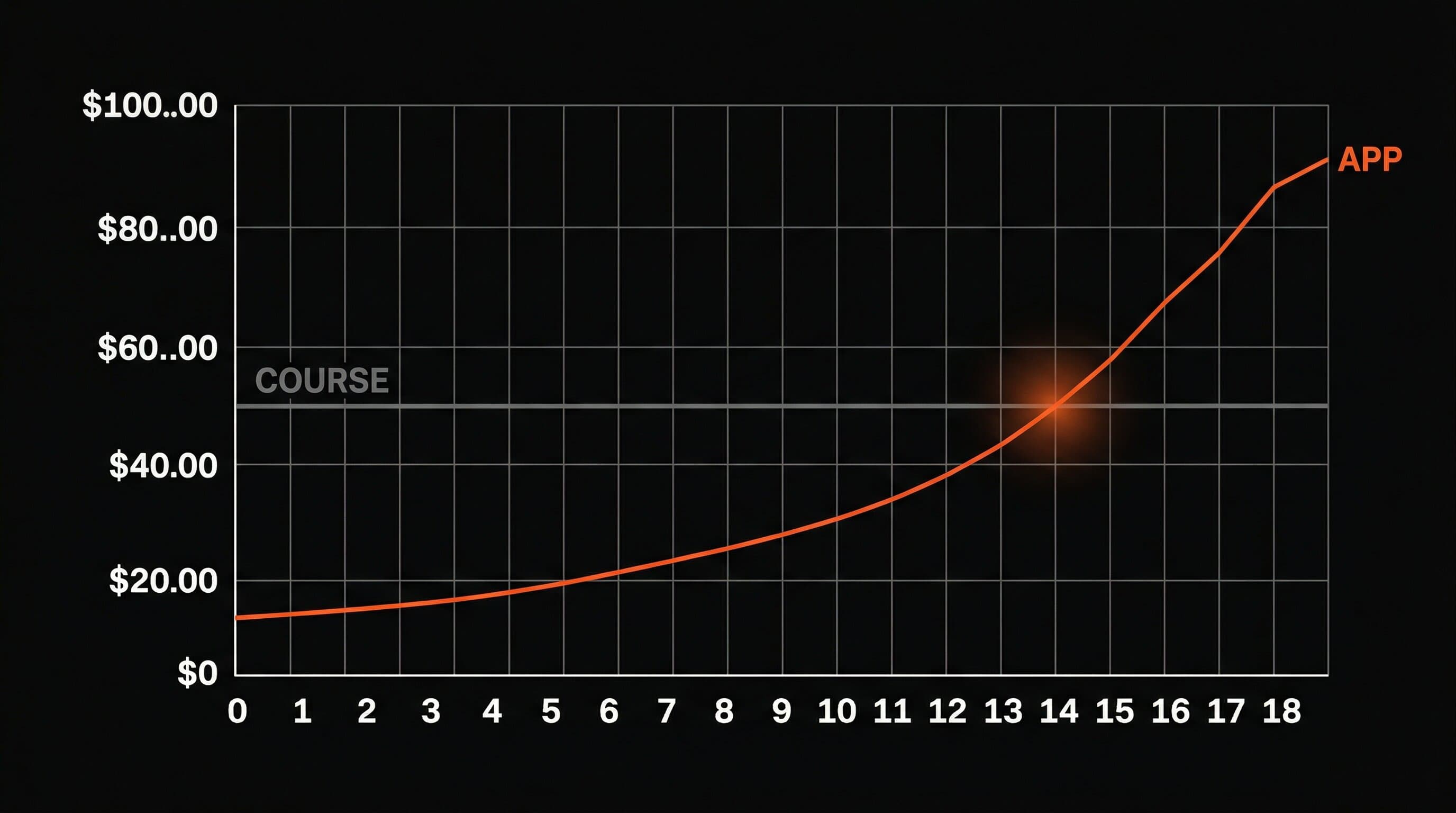
By month 14, a single app subscriber has paid you more than a course buyer ever will. And you didn't have to sell them anything new. The real difference: while your course buyer moves on, your app subscriber is still paying, still using, still engaged. And every month, new subscribers stack on top of the ones who stayed. That's how Kayla Itsines went from selling $70 PDF workout guides to $100M/year in recurring revenue with the Sweat app. Same expertise, same audience, completely different business model.
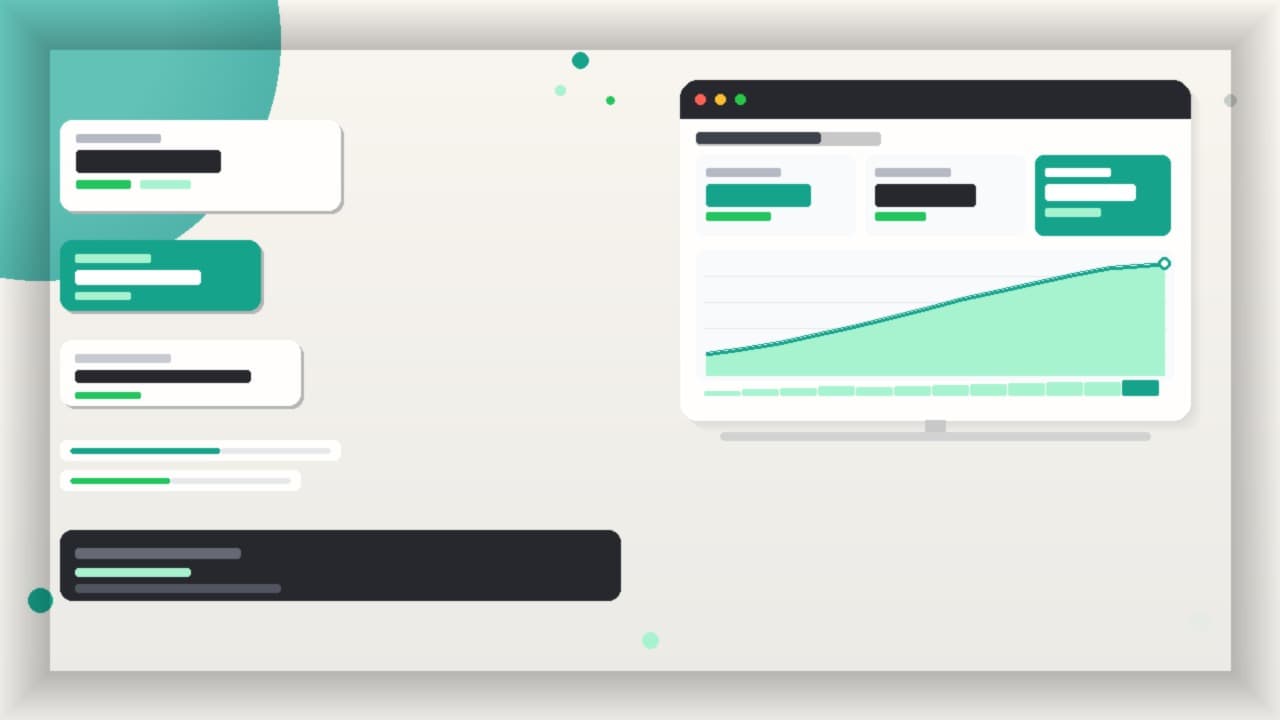
Revenue comparison showing how app subscription revenue compounds over time while course revenue stays flat
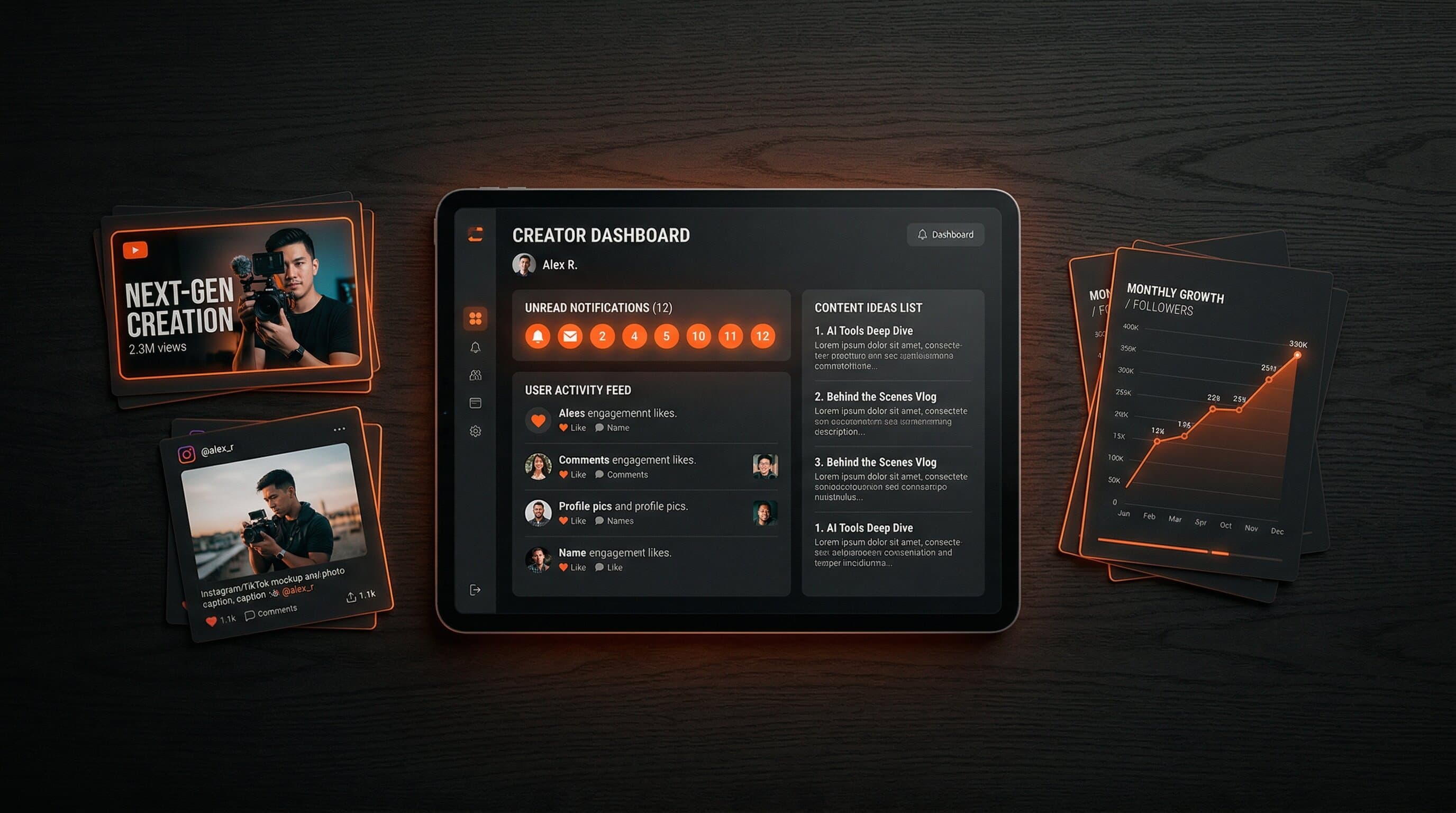
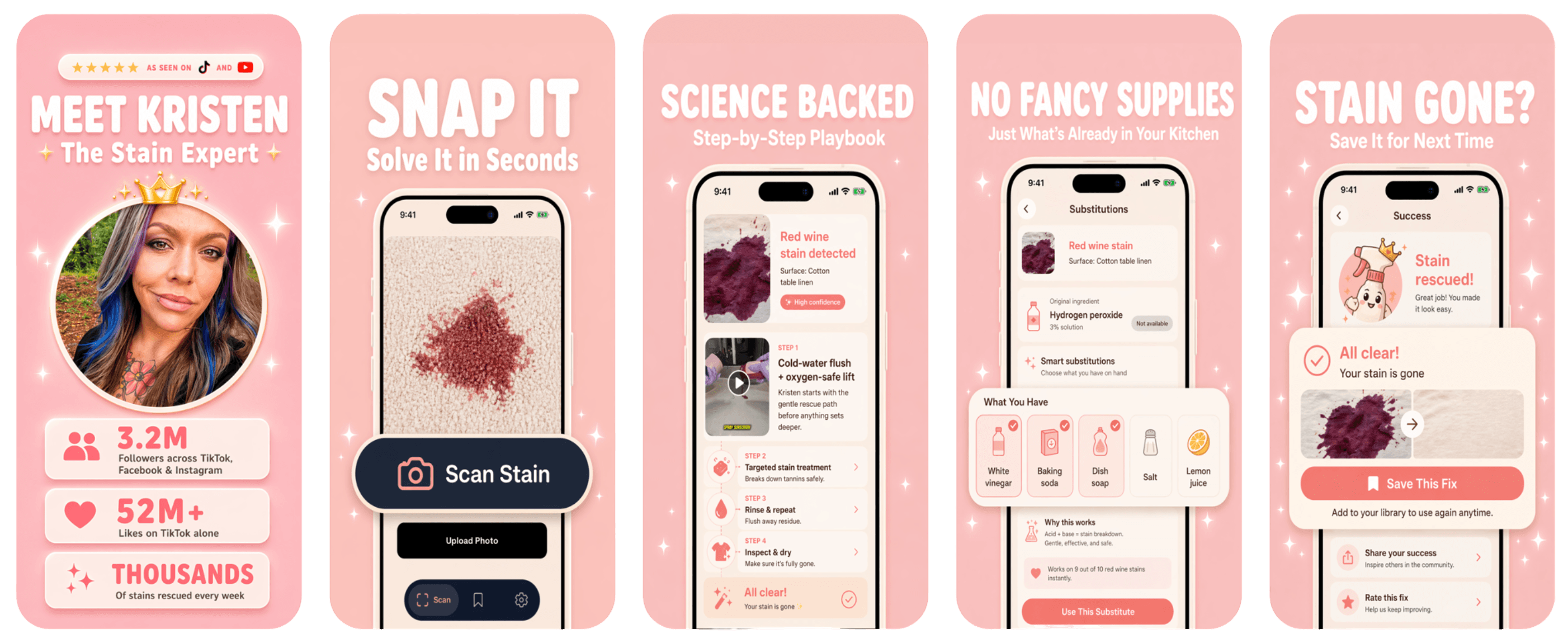
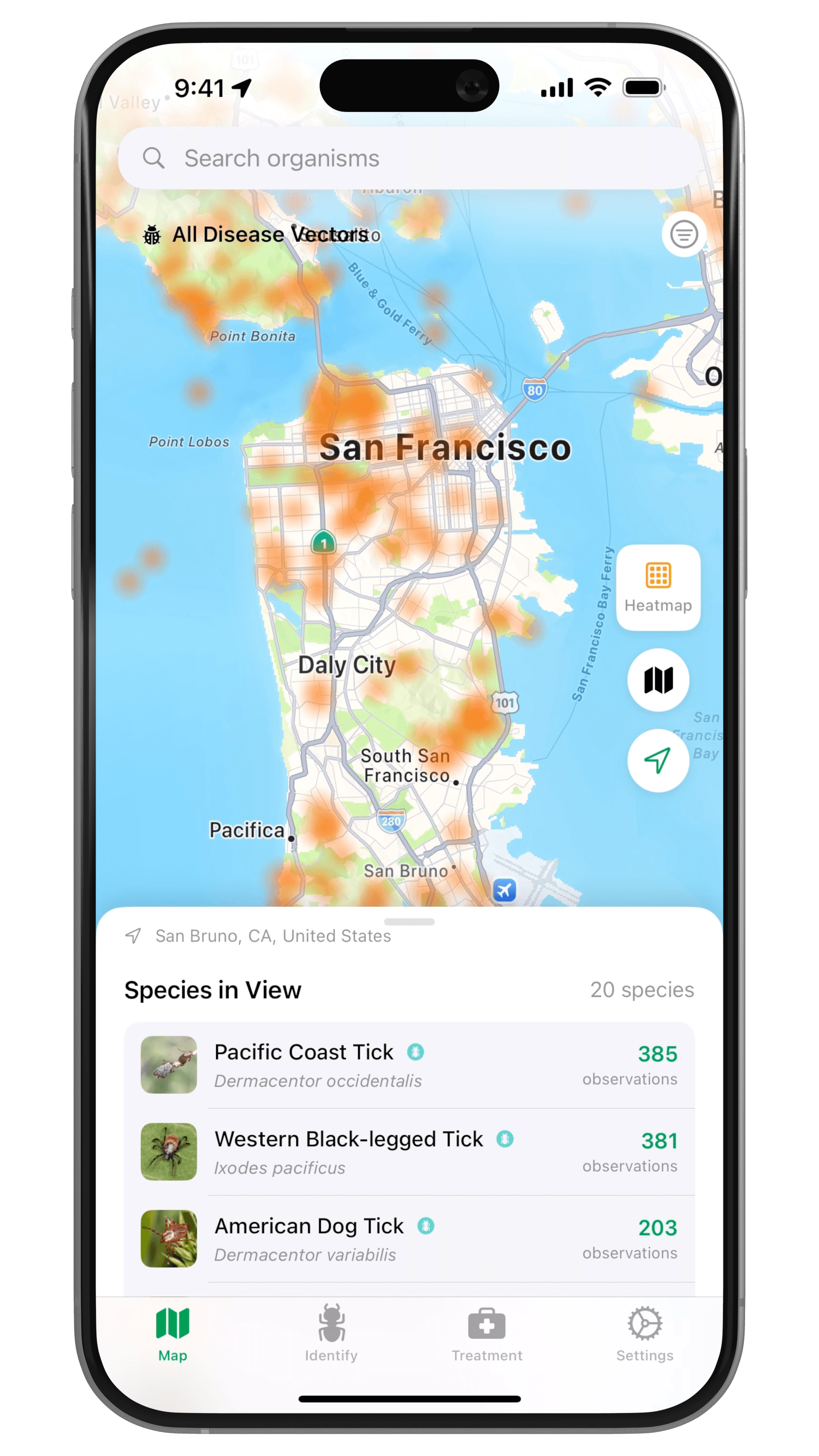
Here's the number that should make every course creator uncomfortable: the median MOOC completion rate is 12.6%. HarvardX and MITx data shows 52% of registrants never even start the course they signed up for. That means for every 100 people who buy your course, roughly 13 will finish it. The other 87 paid you once, got minimal value, and will never buy from you again. This isn't a quality problem. It's a format problem. Courses are static. They sit in a dashboard waiting for motivation that rarely comes. There's no daily pull, no reason to come back tomorrow, no social proof that other people are doing the work right now. Apps solve this structurally. Push notifications. Streaks. Leaderboards. Daily content drops. Social features. The format itself creates daily engagement that courses can't replicate. The best creator apps build habits, not just content libraries. Bobby Parrish's Bobby Approved food scanner app has 138,000+ ratings at 4.9 stars because people use it every time they walk into a grocery store. It's not a thing you consume once. It's a thing you use. That's the structural advantage. A course is something you take. An app is something you use. Taking implies a beginning and an end. Using implies a habit. The RevenueCat data backs this up: trial subscribers who form a habit retain 1.4 to 1.7x better than those who don't. Health and fitness apps see 30% first-renewal retention. Utility apps hit 58%. Compare that to courses where nearly 30% of buyers regret at least one digital education purchase. Regret doesn't renew. There's a second advantage to apps that course creators never consider: your app becomes your content calendar. Every user submission is a reaction video. Every leaderboard update is a weekly post. Every before and after result writes a transformation story. Your app generates content ideas on autopilot while a course just... sits there. Course creators face the same blank screen every morning: "What do I post today?" App creators open their dashboard and see stories, data points, and user moments waiting to be shared. The product feeds the content, and the content feeds the product. This is why the smartest creators don't think of an app as an alternative to content. They think of it as the engine that powers their content indefinitely.
A creator's app generating content ideas from user activity and engagement data
Courses live on your landing page. People find them because you promote them. If you stop promoting, sales stop. Apps have the App Store. Every day, people search "workout app" or "meal planner" or "meditation timer" and discover apps from creators they've never heard of. The App Store is a distribution channel that works while you sleep, reaching customers your social content would never touch. We've written about why your next 10,000 fans won't come from social media before, and this is the mechanism. Courses don't have an equivalent. There's no "Course Store" where millions of people browse for education products daily. You are the entire marketing engine for your course. With an app, Apple and Google do some of that work for you. Courses aren't always the wrong choice. They work well when:
  • You're testing whether your audience will pay for anything at all (validation)
  • Your expertise is a one-time knowledge transfer (how to pass the bar exam, how to file taxes)
  • You want to build a quick revenue spike for a specific campaign
  • You're creating a high-ticket coaching program ($2,000+) with live cohort elements
But if your expertise involves ongoing practice, daily habits, or repeated use, an app will outperform a course every time. Fitness routines, meal planning, language learning, productivity systems, creative workflows: these are all app businesses disguised as course ideas. The Built by Foundry approach is built for this exact realization. When a creator's knowledge is something people need to use daily, not just learn once, a subscription app is the right product. Let's make this concrete. Say you have 50,000 engaged followers and you convert 1% to paying customers. Course path: 500 buyers at $137 = $68,500. Great launch. Now what? You need another course, another launch, another promotion cycle. Your revenue next month: $0 unless you sell something new. App path: 500 subscribers at $9.99/month = $4,995/month in recurring revenue. That's $59,940 in year one, with new subscribers stacking on top every month. If you add just 50 new subscribers per month and retain 85% monthly, you're at $11,000+/month by month 12. The course gave you a bigger check on day one. The app gives you a bigger business by month eight. That's how brand deals and one-time products lose to subscriptions every time. Want to turn your expertise into a subscription app? We build custom apps for creators. $0 upfront, 3 week delivery, ongoing care forever.
Let's Build →
Most agencies charge $50,000 to $200,000 upfront. Built by Foundry charges $0 upfront and takes a revenue share instead. We earn when you earn. Yes. Some creators use a free mini-course as a lead magnet that funnels people into their subscription app. The course teaches the framework; the app delivers the daily practice. But if you're choosing one, the app builds a bigger business long-term. A quality course takes 2 to 6 months to record, edit, and produce. Built by Foundry ships apps in 3 weeks. The app also updates continuously after launch, so it keeps getting better while a course stays frozen in time. You need fewer subscribers than you think. 200 subscribers at $9.99/month is $24,000/year in recurring revenue. If you have 10,000 engaged followers, that's a 2% conversion rate. Most creators with strong engagement can hit that. The math says yes. A $137 course is a ceiling. A $9.99/month subscription is a floor that rises every month you retain users and add new ones. By month 14, a single app subscriber has paid more than a course buyer ever will.

Get Creator Revenue Insights

How creators are turning audiences into subscription businesses

You might also enjoy...