
Creator Economy Trends

6 Creator App Niches Quietly Printing MRR in 2026

Foundry
May 24, 2026
Share
6 Creator App Niches Quietly Printing MRR in 2026

Get Creator Revenue Insights

How creators are turning audiences into subscription businesses
Share
Most creators chase the niches everyone is already in. Beauty. Lifestyle. Generic mindset. They open a Substack, post a Reel, hope something sticks. The creators printing real recurring revenue in 2026 are in niches nobody is fighting over. They built apps in the corners of the App Store the rest of the internet forgot about. This is a field report, not a forecast. Six niches where creator apps are quietly compounding subscription revenue right now, with real apps and the numbers attached. Key Takeaways:
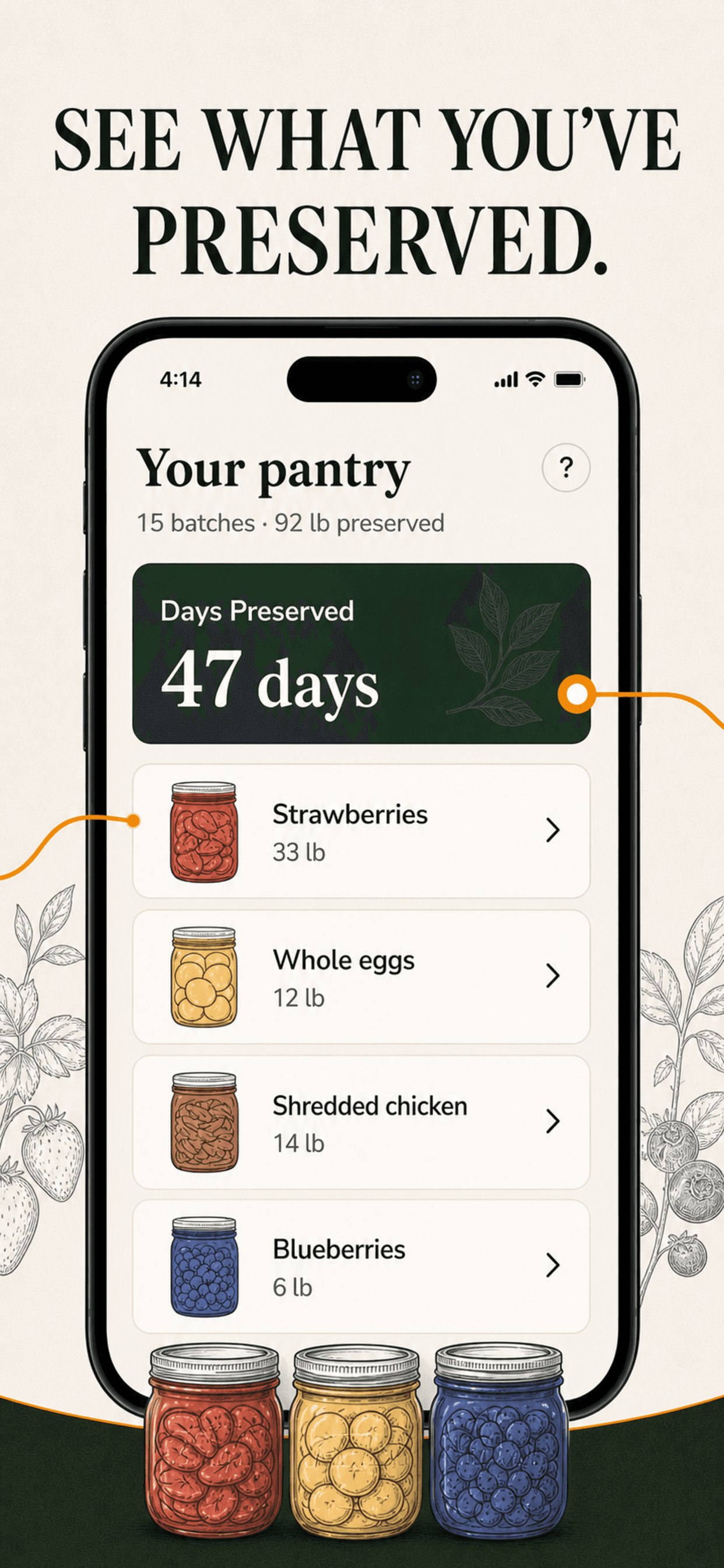
  • Faceless habit apps now outearn many face-led wellness brands, led by James Clear's Atoms model
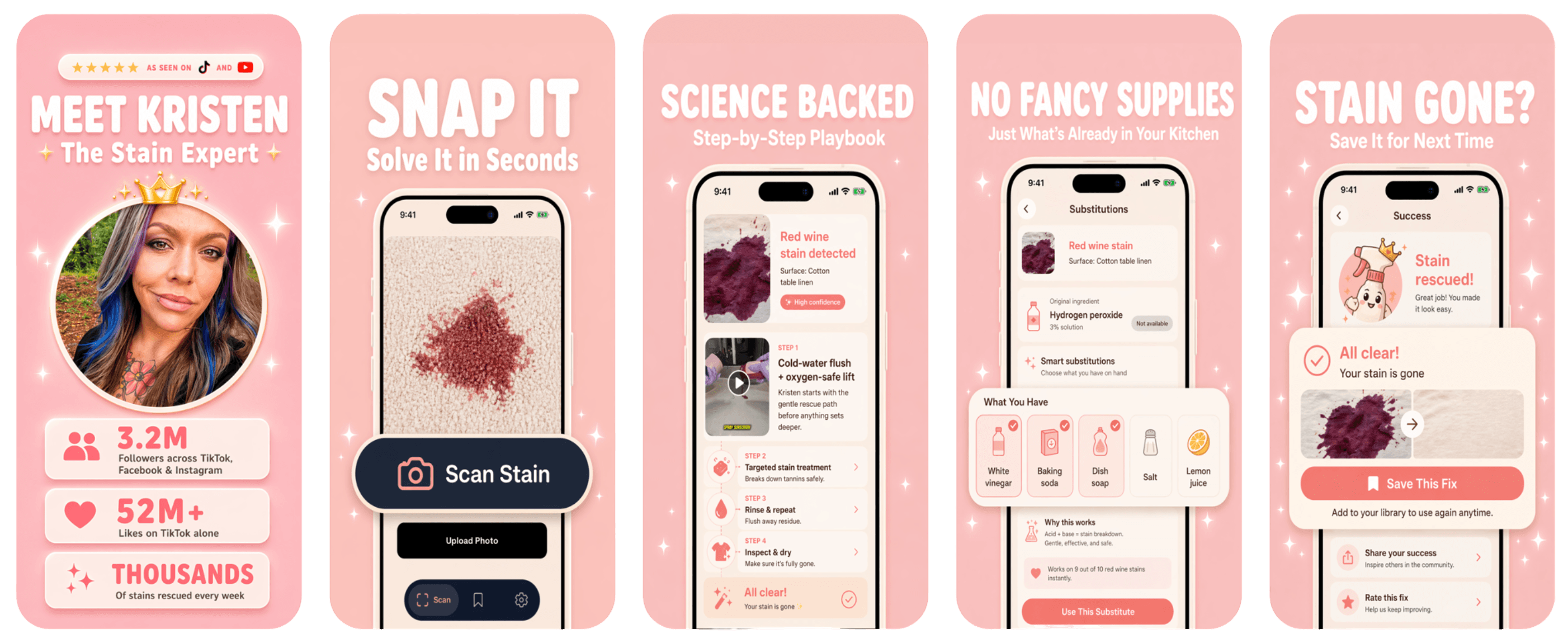
  • Hyper-niche fitness, sub-30 minute, mom-specific, post-injury, beats general fitness on retention
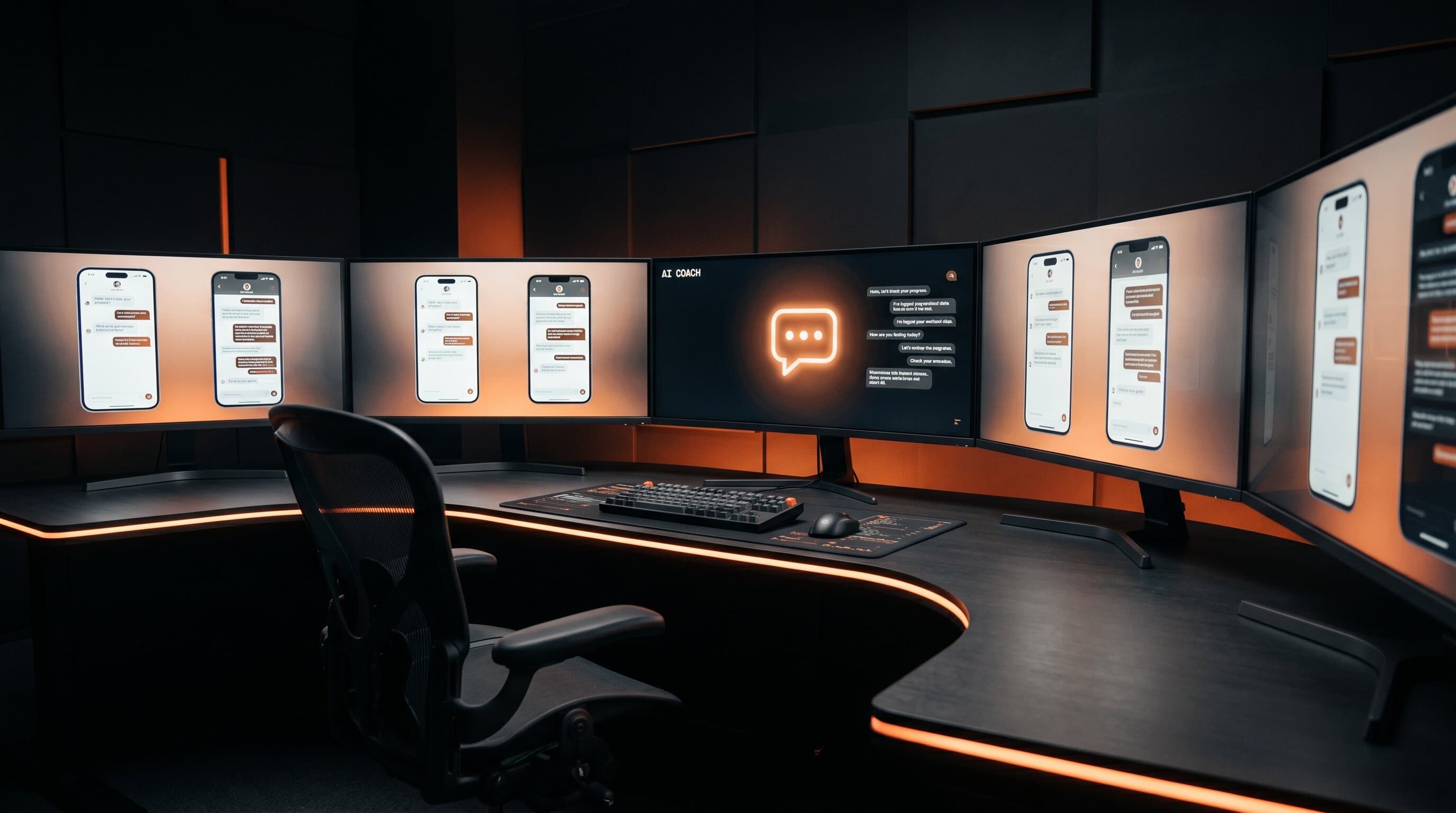
  • Every top creator app in 2026 now ships with an AI coach; the ones without are losing churn battles
  • Sleep and recovery is the fastest-growing subscription category outside of dating, per Sensor Tower's 2024 State of Mobile
  • Micro-community apps, 200 to 2,000 paying members, are out-monetizing 100K-member free Discords
  • Kid edutainment from educator creators is a quiet App Store goldmine with sky-high parent LTV
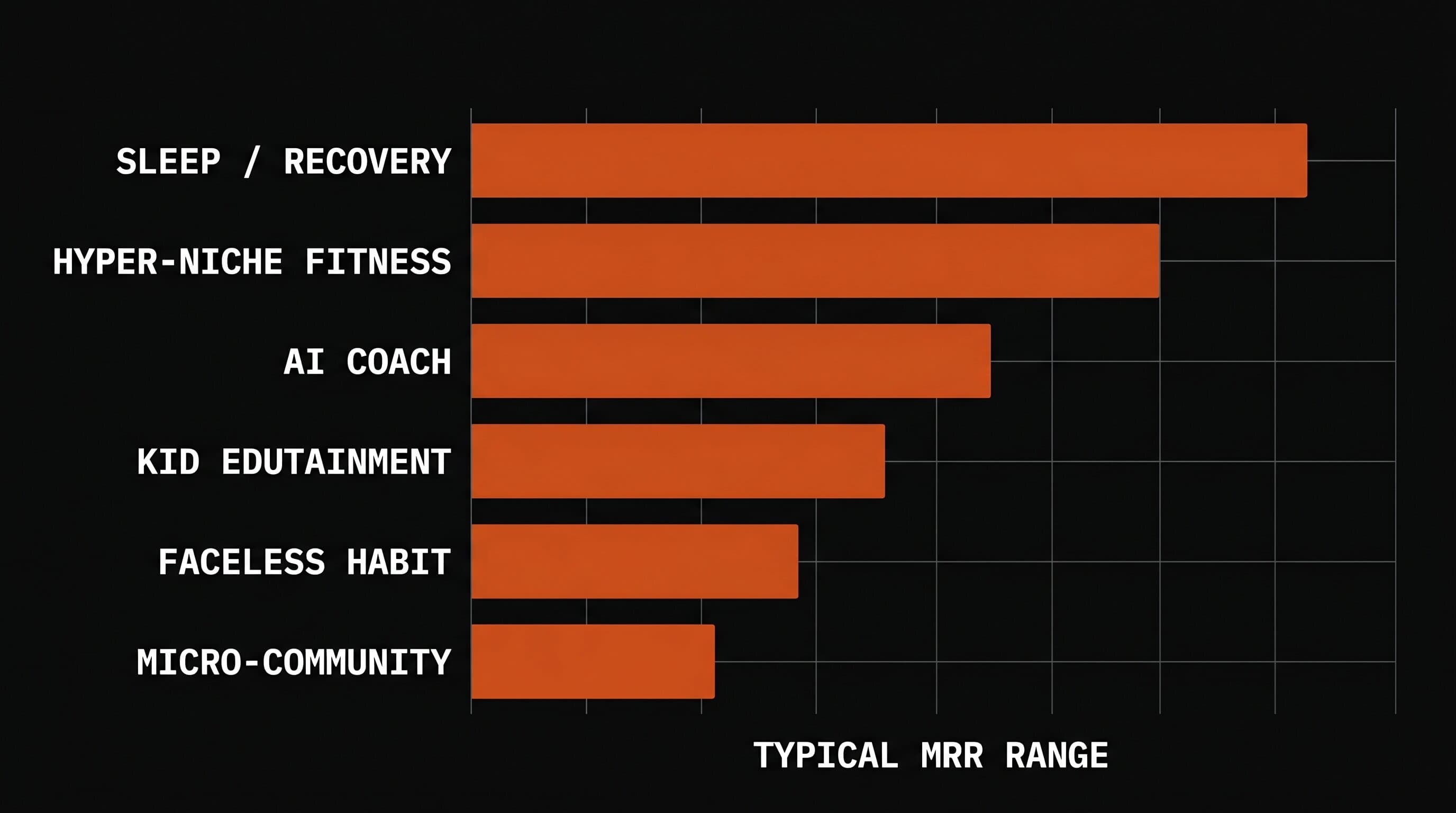
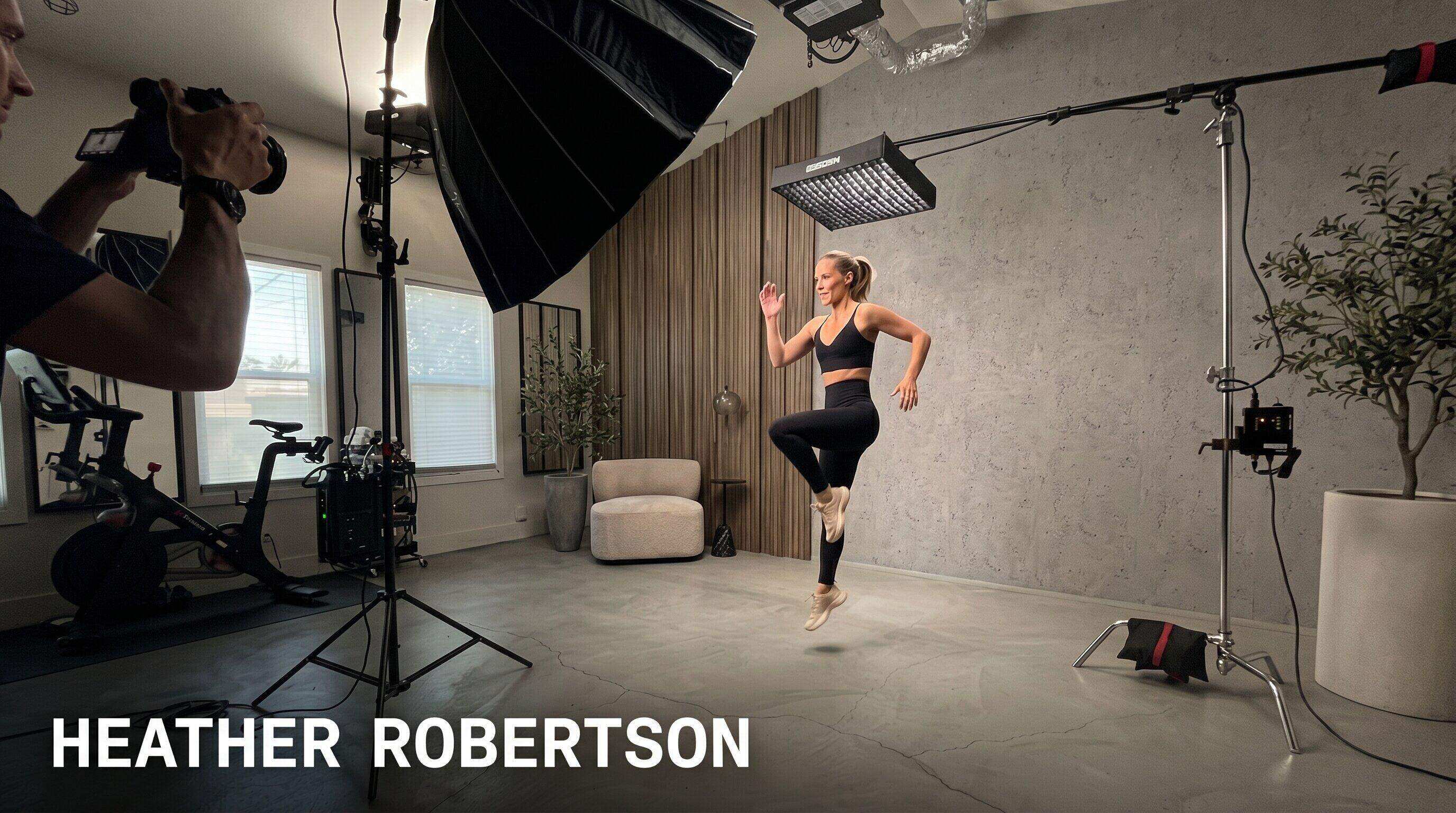
The boring answer is search and retention. App Store discovery rewards specific. A creator app called "Postpartum Strength" gets found by exactly the person who will pay $19.99 a month for it. A generic fitness app fights Sweat, Peloton, and 40,000 competitors for the same query. We covered the dynamic in why niche creator apps beat big tech. The data has only sharpened since. Retention follows the same logic. A specific app solves a specific problem. Specific problems generate specific habits. Specific habits compound into multi-month subscriptions. That is how recurring revenue gets built. Here are the six niches where this is working in 2026. Creators in this niche stay off camera. The app does the work. James Clear's Atoms is the cleanest example. The app charges around $120 a year and sits on top of 20+ million copies of Atomic Habits sold worldwide, per Penguin Random House. Clear barely posts his face. The app's interface is the product. The wider category is hot. Habit-tracking apps drove a notable share of growth in the productivity subcategory through 2024, according to data.ai's State of Mobile 2024 report. What changed in 2026 is creators with niche expertise, sobriety coaches, sleep specialists, writers, financial educators, started shipping habit apps tied to their methodology instead of selling a course about it. The expert is the framework. The app is the framework with daily friction removed. For more context on how these creators built their stack, see James Clear's Atoms playbook. General fitness is a graveyard. Hyper-niche fitness is a printing press. Sami Clarke's FORM targets pilates and low-impact strength. It grew into a $42M business, per reporting from Forbes. Heather Robertson runs a free YouTube channel for women's fitness and converts it into a paid app focused on no-equipment routines. We broke down that journey in Heather Robertson's free-to-paid fitness app playbook. The pattern is the same across every winning fitness app in 2026. They name one audience. Post-injury runners. Moms with 20 minutes. Power-lifters over 50. The audience size looks small. The conversion rate looks big. The math works because the creator was already serving that audience for free. The app just turns the relationship into a subscription. Every top creator app in 2026 now ships with an AI coach. The ones that do not are losing the churn battle. The reason is simple. A subscription needs a reason to open the app on day 22, day 47, day 113. Static content runs out. An AI coach trained on the creator's methodology does not. Tony Robbins shipped an AI coaching layer trained on his content library. Brendon Burchard's GrowthDay leans on AI prompts for daily habit reflection. The smaller wave is creator-specific AI coaches, writers, dietitians, parenting experts, all packaging their content corpus into an LLM-powered chat layer their subscribers actually use daily. We put together the full thesis here: why every creator app will have an AI coach by 2027. Sleep is the subscription category quietly eating the wellness market. Calm passed $150M in annual revenue, per CNBC's 2022 reporting. Headspace crossed similar numbers. The category leader for creator-built apps is Sam Harris's Waking Up, an estimated $700K in monthly revenue from a podcast audience that converted to a paid meditation app. The Sam Harris case study breaks it down in detail in Sam Harris's meditation app empire. What changed in 2026 is the second wave. Creators with sleep, breathwork, or recovery expertise are launching specialized apps that target one wellness sub-need instead of stacking everything into one bloated meditation product. A boxing coach's recovery app. A trauma therapist's nervous system regulation app. A perimenopause sleep app. Each pulling between $5K and $80K MRR with audiences under 500K followers. The reason it works is that sleep, anxiety, and recovery are problems people pay to solve every month. A course solves them once. An app keeps showing up. Forget the 100,000-member free Discord. The MRR is in 500 paying members. Micro-community apps charge $20 to $80 a month for access to a small private community, weekly creator calls, and a content library that grows with the cohort. The creator does not need a million followers. They need 500 buyers. The category is being built on top of the platforms covered in our Discord alternatives roundup, but the winners are not platforms at all. They are custom apps. A custom app means push notifications the creator owns, data the creator keeps, and a paywall structure not designed around someone else's take rate. The economics: 500 members at $50 a month is $300K a year. That is more than most brand deal-dependent creators earn at 10x the follower count. Do the math. The category nobody talks about. Parents will pay anything to keep a child entertained on a screen that does not melt their brain. Kid edutainment apps from educator creators, teachers with YouTube channels, learning podcasters, child psychologist creators, are quietly dominating the App Store kids subcategory. The case for it is simple. Parent LTV is the highest of any creator app vertical. Most parents stay subscribed until the kid ages out, that is multiple years of recurring revenue per signup. The App Store kids subcategory has a fraction of the competition of fitness or productivity. And kid edutainment apps generate evergreen content for the creator, every parent screenshot of their kid using the app is a piece of social proof. Khan Academy Kids and Cocomelon's apps proved the demand. Independent educator creators with 100K to 500K followers are now claiming the long tail. A side-by-side look at typical MRR ranges, audience size required, and the moat each niche relies on. These are field estimates aggregated from public reporting, App Store data, and our own conversations with creators we work with. Treat them as direction, not financial advice.
NicheTypical MRR RangeAudience Size to StartPrimary Moat
Faceless habit apps$10K to $200K+50K to 500KMethodology IP
Hyper-niche fitness$20K to $500K+100K to 1MNiche specificity
AI coach apps$15K to $300K+50K to 500KPersonalization
Sleep and recovery$20K to $1M+100K to 2MDaily habit loop
Micro-community$5K to $100K5K to 100KCohort intimacy
Kid edutainment$10K to $250K+50K to 500KParent LTV
Notice the audience-size column. Half these niches do not require a million followers. They require 50,000 of the right ones.
Horizontal bar chart ranking six creator app niches by typical MRR range, with sleep and hyper-niche fitness leading and micro-community at the bottom
Three things. First, a recurring problem. Sleep, fitness, habits, learning, community, coaching, none of these are fixed by one purchase. The user pays every month because the problem returns every day. Second, a creator with proprietary methodology, not just personality. The niche is built around what the creator knows, not just who they are. That is the difference between a content creator and a founder. Third, an app, not a Linktree or a course or a paid newsletter. An app is the only product that generates daily push notification surface area, App Store discovery, and a subscription billing relationship the creator owns. The right product structure matters as much as picking the right niche, which is why we wrote the creator app retention playbook on the back of working with creators across these categories. The creators winning in 2026 picked one specific niche and built the app the rest of the internet could not be bothered to build. The opportunity is not that these niches are secret. The opportunity is that most creators are still chasing audience size when they should be chasing audience specificity. Micro-community apps. A creator with 5,000 to 10,000 engaged followers can build a 500-member paid community at $30 to $80 a month. That is $15K to $40K MRR from an audience small enough to email by hand. Not universally, but in the habit and productivity categories the gap is closing fast. Faceless apps depend on methodology and App Store discoverability, not personality, so they keep earning when the creator stops posting. That is the entire pitch. Most agencies charge between $50K and $200K upfront. Built by Foundry builds and runs the app on a revenue share, $0 upfront. We earn when you earn. Read more about how we work. Most well-positioned creator apps cross $10K MRR within 90 days of launch. The faster the creator picks a tight niche and the faster the app ships, the faster compounding starts. Three weeks to App Store is the build window. Six to twelve weeks of marketing is the typical ramp. Picking the niche they want to be in instead of the niche their audience already pays them to be in. The creators in these six niches did not invent demand, they noticed it, then built the product their audience was begging for. Your audience already told you which niche to pick. Build the app.
Let's Build →
6 Creator App Niches Quietly Printing MRR in 2026