
Case Studies & Success Stories

MeAndMyGolf: 900K Subs to a Global Golf App

Built by Foundry
July 8, 2026
Share
MeAndMyGolf: 900K Subs to a Global Golf App

Get Creator Revenue Insights

How creators are turning audiences into subscription businesses
Share
MeAndMyGolf turned the world's No.1 golf instruction channel on YouTube into a subscription golf coaching app, and it did it without a single viral gimmick. Two PGA coaches, Piers Ward and Andy Proudman, spent a decade giving away swing tips to millions of golfers. Then they built the product those golfers actually pay for every month. This is the pattern we see over and over: the audience is the easy part. The business is the app. Key Takeaways:
  • Piers Ward and Andy Proudman built MeAndMyGolf into the No.1 golf instruction channel on YouTube, with more than 900,000 subscribers and 1.5M+ followers across platforms.
  • They packaged 25 years of coaching into a subscription app with 20+ structured plans, rated 4.2 stars on the App Store.
  • Public figures point to 12,500+ paying members and 30,000+ golfers coached, which turns free YouTube reach into recurring revenue.
  • Their student Aaron Rai went from an 11-year-old junior to a PGA Tour winner, proof the method works at the very top.
  • The lesson for any creator: free content is the funnel, the app is the business.
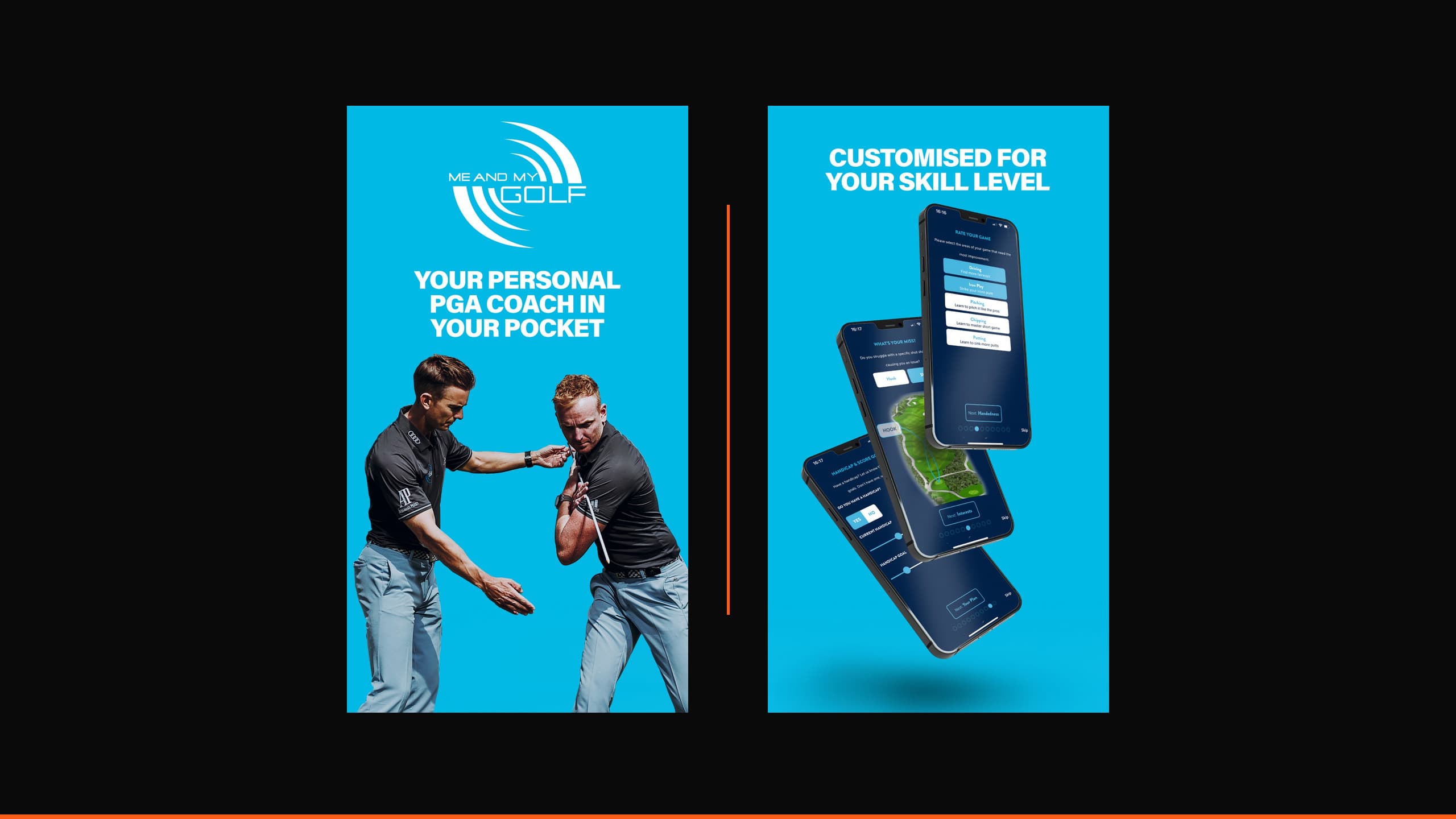
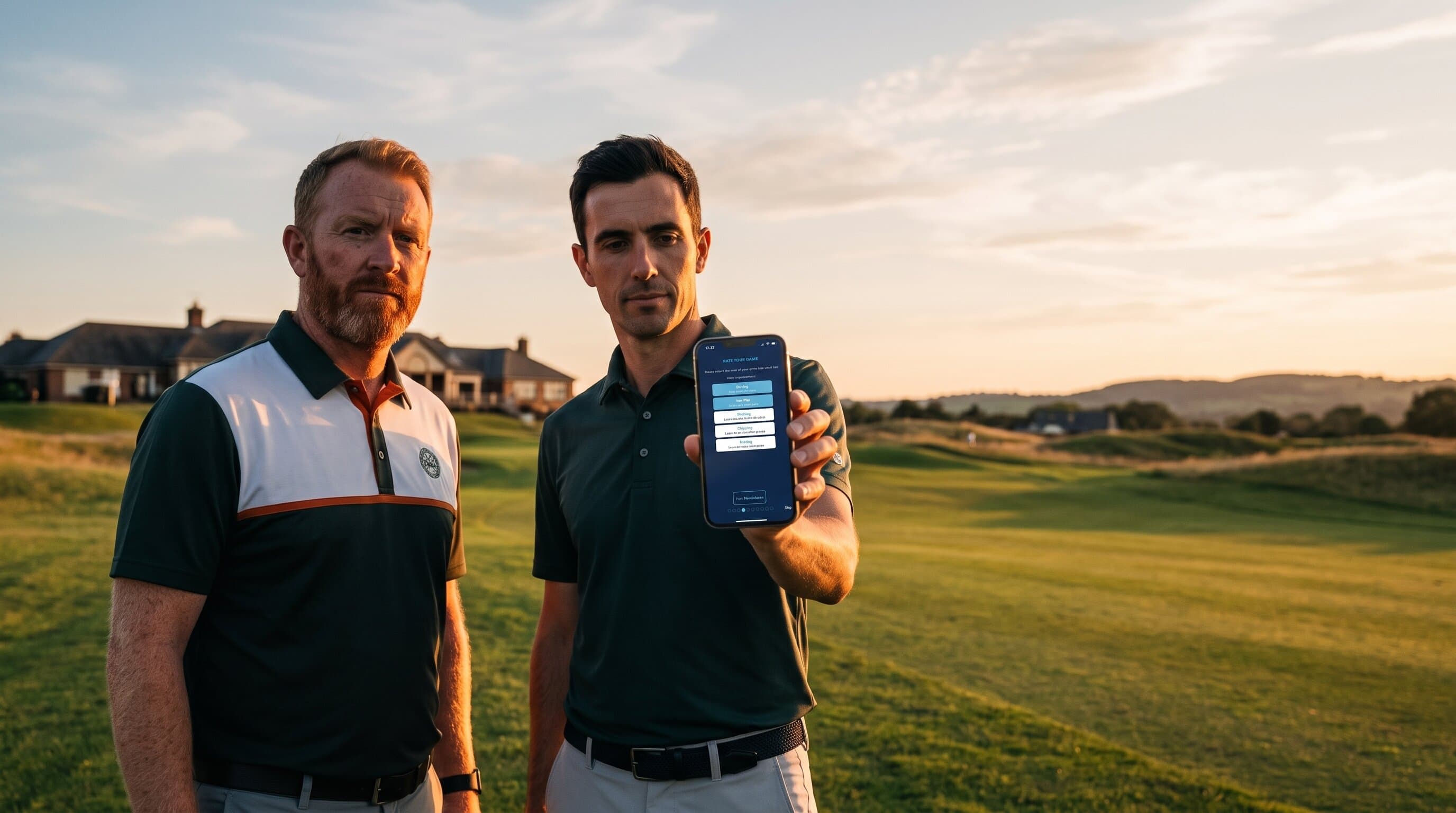
Piers Ward and Andy Proudman are PGA Professionals who met in 1993 at Oxley Park Golf Club in Wolverhampton, England. They spent the next two decades coaching, delivering more than 30,000 in-person lessons between them, including working with Aaron Rai from age 11 until he became a PGA Tour winner. In 2011 they started filming their lessons and posting them free on YouTube. That decision changed the ceiling on their careers. A single PGA pro can teach maybe 8 lessons a day. A YouTube channel can teach 8 million. Ward and Proudman built MeAndMyGolf into the most-subscribed golf instruction channel in the world, reaching golfers in more than 180 countries. They did it by giving the good stuff away: fix your slice, strike your irons, break 90, all free, all searchable, all built to answer the exact questions a frustrated golfer types at 9pm after a bad round. Free content is a discovery engine. It is the same play JustinGuitar used to build a 4.5M-user guitar app and the same one Jared Falk ran to turn Drumeo into a lessons empire. Teach for free, build trust at scale, then sell the tool that makes the teaching stick. The channel proved the demand. The app captured it. What is a golf coaching app? A golf coaching app is a subscription product that turns a coach's instruction into a structured, self-paced improvement program on your phone, with a personalized plan, video lessons, drills, and progress tracking, so a golfer gets ongoing coaching without booking a single in-person lesson. The MeAndMyGolf Coaching App builds a roadmap based on your skill level, then walks you through more than 20 coaching plans: How To Play Golf, Break 100, Break 90, Break 80, Fix Your Slice, Total Driving, Complete Chipping, Complete Putting, and more. It adds swing analysis, a member community, and partner discounts from brands like Adidas and TaylorMade. It holds a 4.2-star rating on the App Store.
MeAndMyGolf App Store screenshots showing the two PGA coaches and the app's personalized onboarding on a dark background
Pricing is built to catch golfers at every level of commitment:
PlanPriceBest for
Lite (monthly)$19.99/moTrying it out
Monthly$29.99/moA quick fix
6-month$142.99A full season
Annual$219/yearCommitted improvers
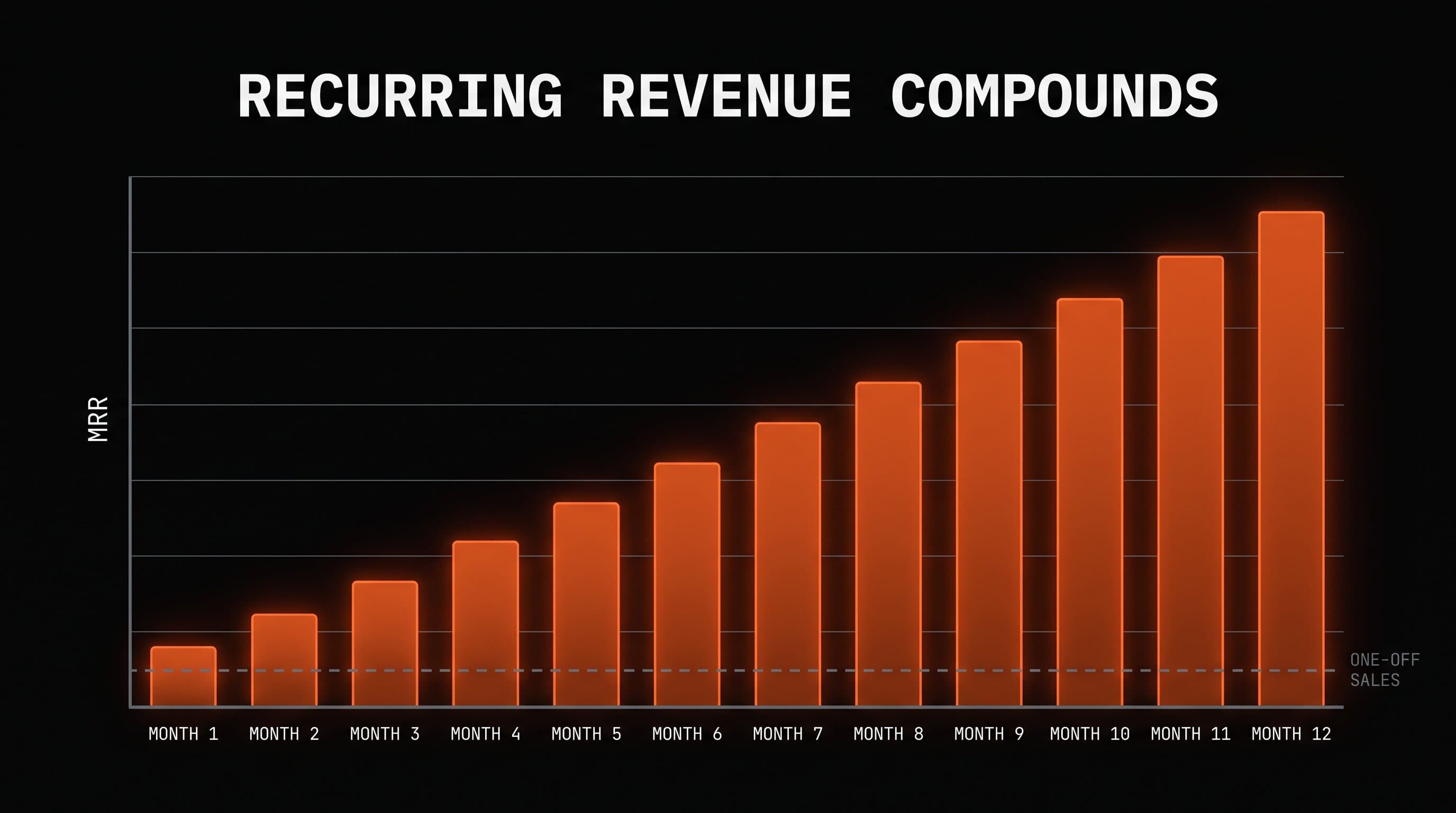
Golfers who want just one problem solved can also buy individual plans outright, from $99.99 to $149.99, keeping them for life. Every price point is a door into the same business. The honest answer: a lot more than ad revenue, and it compounds. MeAndMyGolf does not publish its numbers, but the arithmetic is public. When the platform announced a partnership with the golf-data company Clippd, it put its membership at 12,500 golfers. At the app's roughly $200-a-year range, that is about $2.5 million in recurring revenue, before a single one-off plan sale. Now compare that to the alternatives a creator with 900,000 subscribers usually reaches for.
Bar chart titled Recurring Revenue Compounds showing monthly subscription revenue rising over 12 months against a flat one-off sales line
ModelHow it paysRevenue ceiling
SponsorshipsOne deal at a time, resets to zeroCapped by how often you post
YouTube ad revenuePennies per view, tied to uploadsLow and volatile
One-off video coursePays once per buyerFlat, needs constant new buyers
Subscription appEvery member, every monthCompounds as members stack
A sponsorship pays once. An ad view pays a fraction of a cent. A subscriber pays this month, and next month, and the month after that, whether or not the coaches film anything new. Twelve thousand members paying every month is a different kind of business than twelve million views paying once. Because a subscription app does three jobs at once, and each one feeds the others. It earns recurring revenue that keeps paying while the coaches sleep. It runs on the content the channel already produces, so every free YouTube lesson doubles as an ad for the paid plan behind it. And it turns passive subscribers into daily users who track their handicap inside the app, which is a far deeper relationship than a like on a swing video. That is the whole case for turning a YouTube channel into a subscription app. The channel builds reach. The app builds a company. One is rented attention on someone else's platform. The other is an asset you own, which is exactly the model we build for creators. You do not need 5 million followers. You need a specific problem, real expertise, and the discipline to give the teaching away until people trust you enough to pay for the tool.
  • Own a niche, not a topic. "Golf" is a category. "Break 90" is a plan someone will pay $99 to finish. Specific beats broad.
  • Give away the lesson, sell the system. Free content answers one question. The app organizes the answers into a path, and the path is worth a subscription.
  • Turn your credibility into a product. A tour-winning student is proof. Proof sells software the same way it fills a lesson book.
  • Price for commitment, not just access. Monthly, seasonal, annual, and one-off plans let every golfer buy in at their own level.
This is the same route we map in our guide on turning a coaching business into an app. Ward and Proudman just ran it a decade early, on a golf course in the West Midlands. The uncomfortable question for any creator with an engaged audience: your followers already trust your expertise. Why are they still only watching it for free? Want to turn your expertise into an app? We build custom apps for creators. $0 upfront, three-week delivery, and we handle all the tech forever.
Let's Build →
MeAndMyGolf is a subscription golf coaching app built by PGA Professionals Piers Ward and Andy Proudman. It gives golfers a personalized improvement roadmap, more than 20 structured coaching plans, swing analysis, and a member community, with a 7-day free trial and plans from $19.99 a month. They are PGA Professionals who founded MeAndMyGolf in 2011 and grew it into the No.1 golf instruction channel on YouTube, with more than 900,000 subscribers. They have delivered over 30,000 lessons and coached Aaron Rai from junior golfer to PGA Tour winner. Most agencies charge $50K to $200K and take 6 to 12 months. Built by Foundry charges $0 upfront, ships in about three weeks, and takes a revenue share, so the app is built and run for you and you only pay as it earns. No. A focused, engaged audience with a clear problem to solve converts better than a massive passive one. MeAndMyGolf built a multi-million-dollar app on a niche audience of golfers who wanted to shoot lower scores.

Creator app strategy

Want us to review your creator business?

Apply for a Foundry Creator App Review. We'll tell you whether there is a real app opportunity hiding in your audience.

MeAndMyGolf: 900K Subs to a Global Golf App