
Why Every Creator App Will Have an AI Coach by 2027

Why Every Creator App Will Have an AI Coach by 2027

Foundry
May 15, 2026
Key Takeaways:
  • The top 50 creator apps on the App Store now ship some form of AI coach, chat, or personalization layer. Two years ago, almost none did.
  • AI coaches are pulling 7-day retention from the typical 25 to 30 percent range up toward 45 to 55 percent in the apps that have measured it publicly.
  • Creators with AI coaches charge 2 to 3 times more per month than creators selling static content, because the product feels like a relationship, not a download.
  • Tony Robbins, Sam Harris, Duolingo, and Strava already shipped this. The follower-rich creators who are still selling PDFs and Notion templates are about to feel it.
  • By 2027, an app without an AI coach will read the same way a website without mobile responsiveness reads today. Acceptable. Then suddenly not.
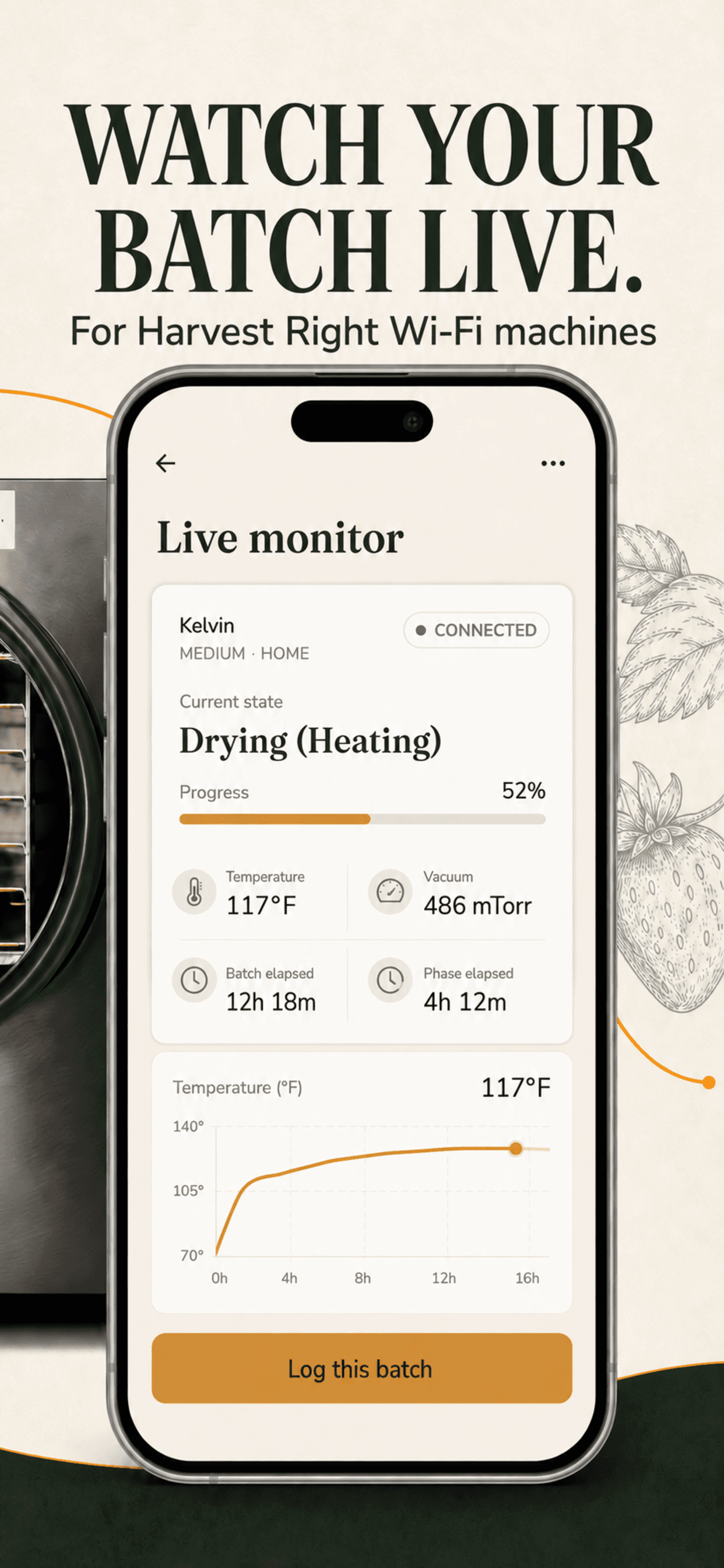
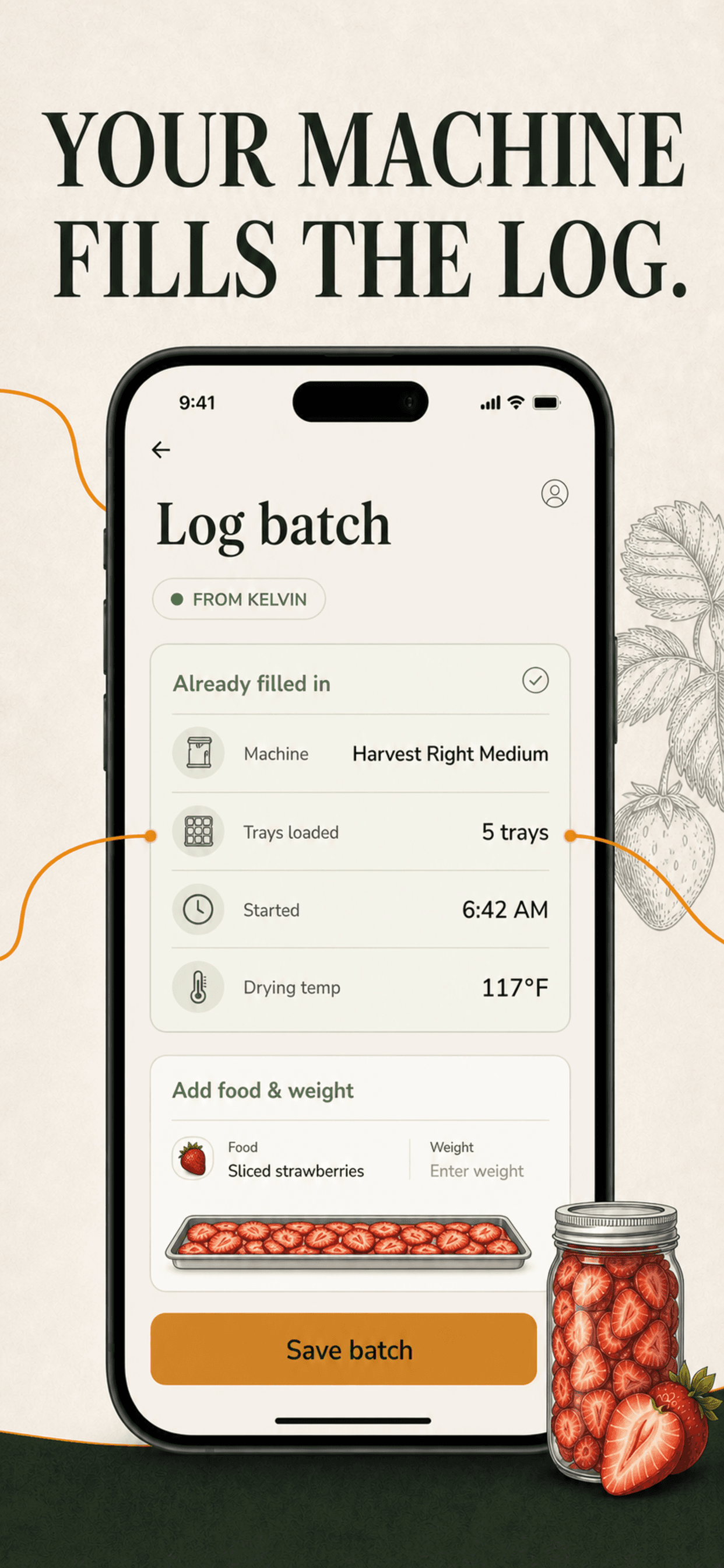
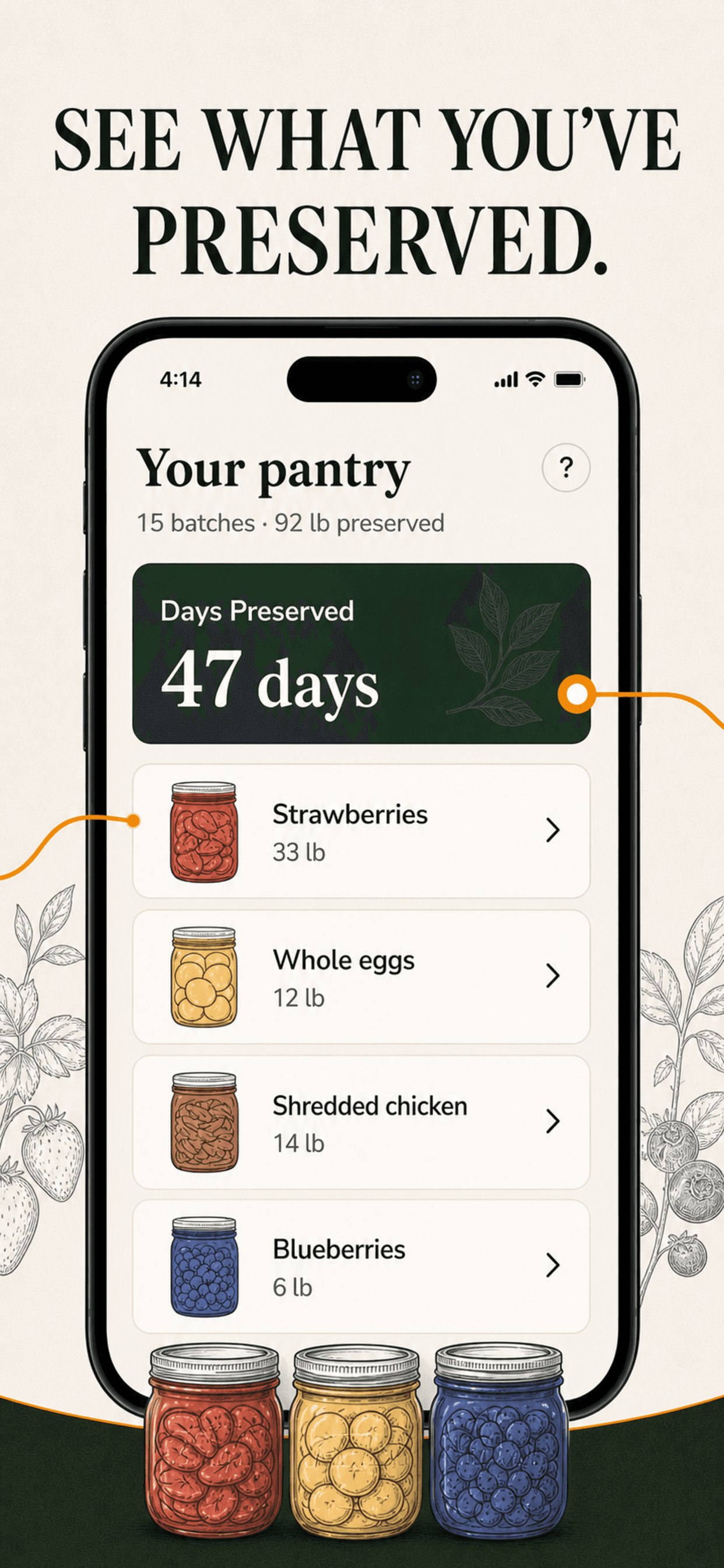
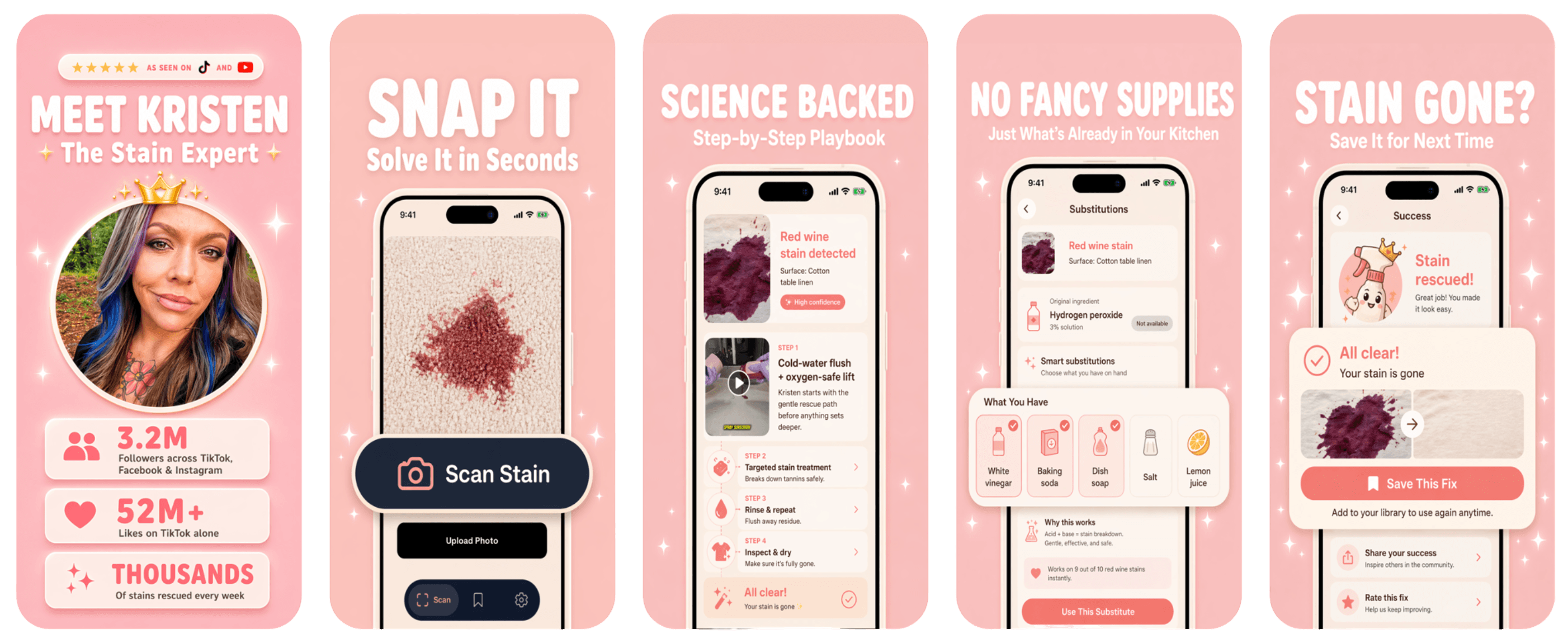
A creator app without an AI coach in 2027 will look the way a Geocities page looked in 2010. Functional, charming, and instantly dated. The shift is happening right now, and it is the single biggest leverage point for creators thinking about subscription revenue. This is not a "someday" trend. The top creator apps already shipped it. The lagging 90 percent of creators are running courses, PDFs, and template packs that have no memory, no reaction, and no follow-up. Those products are about to feel one generation old. An AI coach is a personalized conversational layer inside an app that responds in the creator's voice, remembers the user's history, and adapts to their goals. It is not a chatbot bolted to a marketing site. It is the core daily-use loop. A meditation app with an AI coach asks how you slept, suggests a session, and references the breathwork you did last Tuesday. A nutrition app with an AI coach reads your week, flags the missing protein, and rewrites tomorrow's plan. A creator's stage script, philosophy, and tone become the system prompt. The user feels coached, not lectured. The thing that makes it work is not the model. It is the creator's point of view encoded into the system. The AI is the delivery mechanism. The expertise is the moat.
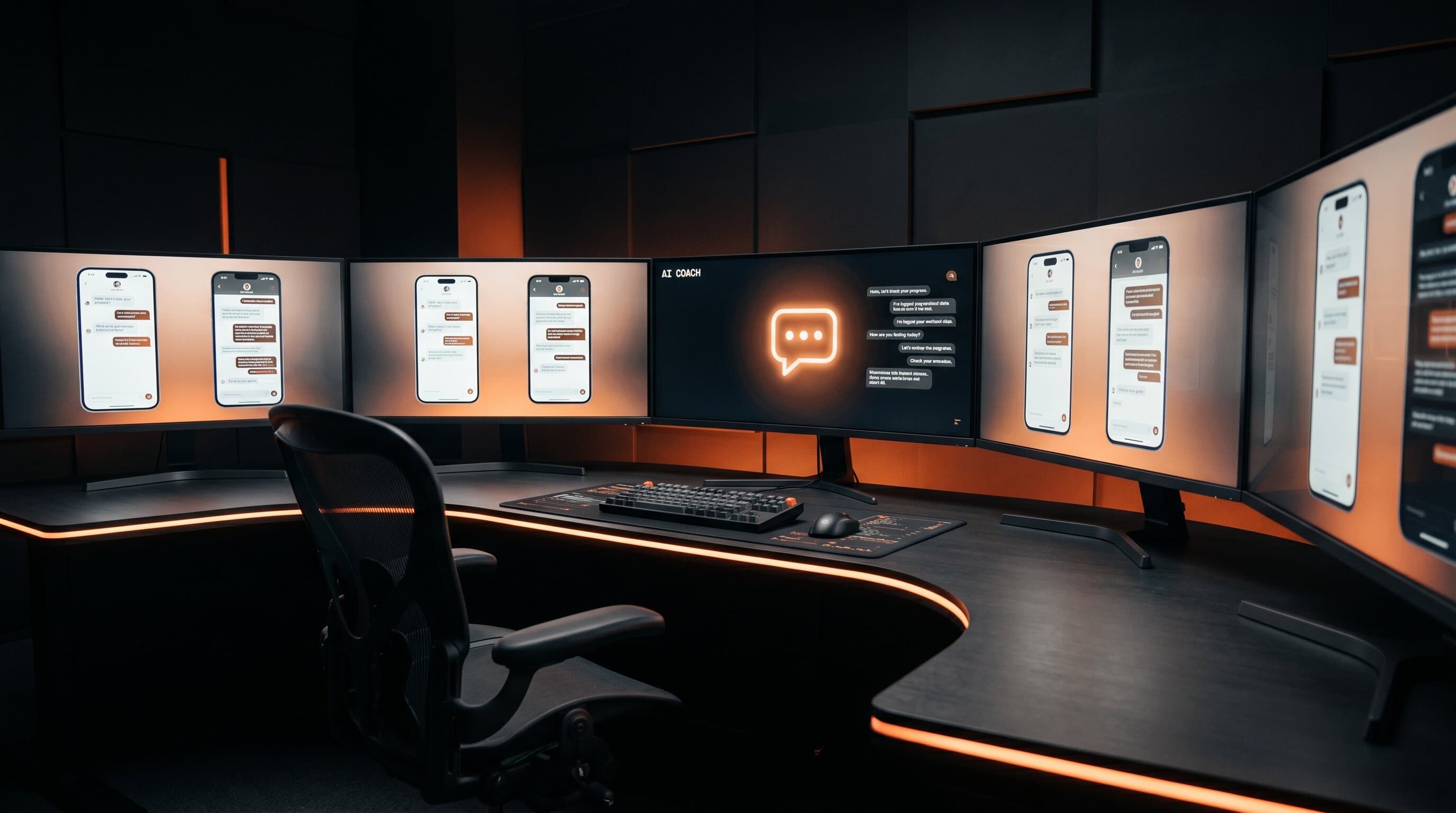
Foundry-style cinematic still showing dark control room with screens displaying AI coach interfaces glowing in molten orange
Three forces converged in the last 18 months, and none of them are reversing. The cost of intelligence collapsed. GPT-4-class output that cost roughly $30 per million tokens in early 2024 now costs under $1 per million from frontier labs. An AI coach session that would have cost a creator $0.40 in raw compute in 2023 now costs a fraction of a cent. The unit economics finally clear the bar for subscription apps charging $10 to $30 a month. Apple Intelligence shipped on every new device. Apple rolled out on-device AI across iPhone, iPad, and Mac through 2025. The phrase "AI features" is now a checkbox the App Store editorial team scans for when they pick Featured apps. Apps that have a credible AI loop are getting promoted. Apps that do not are sliding down the rankings. Users now expect it. Duolingo Max launched its conversational tutor "Lily" in 2024 and reported that learners who used it had measurably stronger streaks and retention, which Duolingo's CEO discussed on the company's earnings calls. Strava launched Athlete Intelligence in 2024 and put it behind the paywall. The behavior is trained. A new user opening a wellness or coaching app in 2026 expects to chat with someone, not read a PDF. For creators who already turned their following into recurring revenue, this is the second wave. The first wave was "have an app at all." The second wave is "have an app that talks back." This is the part most creators have not run the numbers on. A typical course or PDF product gets used once. Maybe twice. The completion rate on most paid creator courses sits between 5 and 15 percent (a figure widely cited from Coursera's own published research on MOOC completion). Once a user finishes, they have no reason to come back. The lifetime value is capped at the price of the product minus the refund rate. A subscription app with no AI coach is better. It gives the user a reason to open the app every day. But the engagement is one-directional. The user receives content. They do not get reacted to. The 30-day retention curve for static-content subscription apps typically settles in the 15 to 25 percent range. A subscription app with a working AI coach changes the slope. The app is no longer a content library. It is a relationship. The user is teaching the system, and the system is responding. Apps that have publicly disclosed AI-coach impact (Duolingo Max, Whoop Coach, Strava Athlete Intelligence) describe meaningful step-changes in engagement, with Duolingo specifically calling out daily-active rates and streak length on multiple earnings calls. Run the math on a $20-a-month app:
Product Type30-Day Retention12-Month LTVDaily Open Rate
One-time course ($199)n/a~$199low
Static subscription app18%~$601 to 2x/week
App with AI coach35%~$140daily
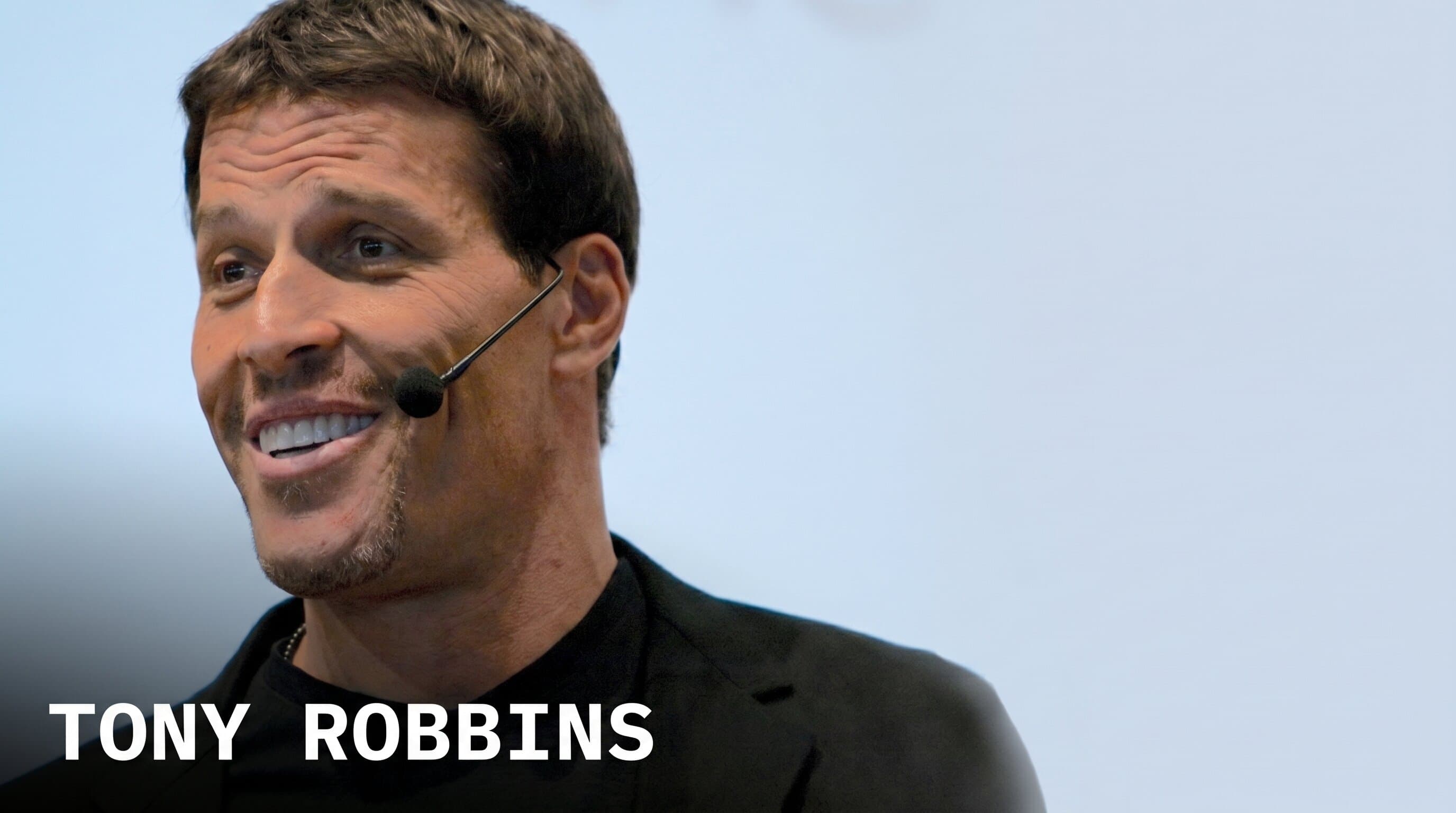
The AI-coach app is not 20 percent better. It is roughly 2.3 times more valuable per user, on the same price point. This is why the top creator apps are all converging on the same architecture. The retention math forces the design decision. For a fuller breakdown on why those numbers move, see Creator App Retention: 7 Tactics That Beat Churn. Four examples, all public, all running right now. Tony Robbins shipped an AI version of himself in 2025. The Tony Robbins app uses a voice agent trained on 40 years of seminar transcripts, books, and coaching content. Users get a one-on-one coaching call with an AI Tony any time. The full story is in our profile of Tony Robbins and his $99 AI coaching app. The pricing alone ($99 per month) shows what an AI coach unlocks. A static course on the same expertise would cap out at $200 one-time. Sam Harris layered AI on top of meditation. Waking Up keeps Sam's voice as the dominant content, but the app has added personalized session recommendations and conversational prompts that ride on the same content library. The user feels coached on their specific practice, not pushed through a generic course catalog. Duolingo Max. Not a creator app, but the benchmark. The AI tutor "Lily" gives learners a roleplay partner and an explain-my-answer feature, and Duolingo's executives have repeatedly cited it as the upgrade that justified the premium tier. Every creator app that wants to charge $20 or more per month is studying Duolingo's exact playbook. Strava Athlete Intelligence. Strava's AI summarizes each workout, spots trends in your training, and gives plain-English coaching after every ride or run. It is the paywall feature. Free users see the activity. Paid users get the coach. That is the architecture creators should copy. The pattern: the creator's brand and content sits on top. The AI delivers it in a personalized, conversational way. The user keeps coming back not because the content is new, but because the relationship is. For the broader picture on where AI is rewiring creator-built businesses, read How AI is Reshaping the Creator Economy in 2026.
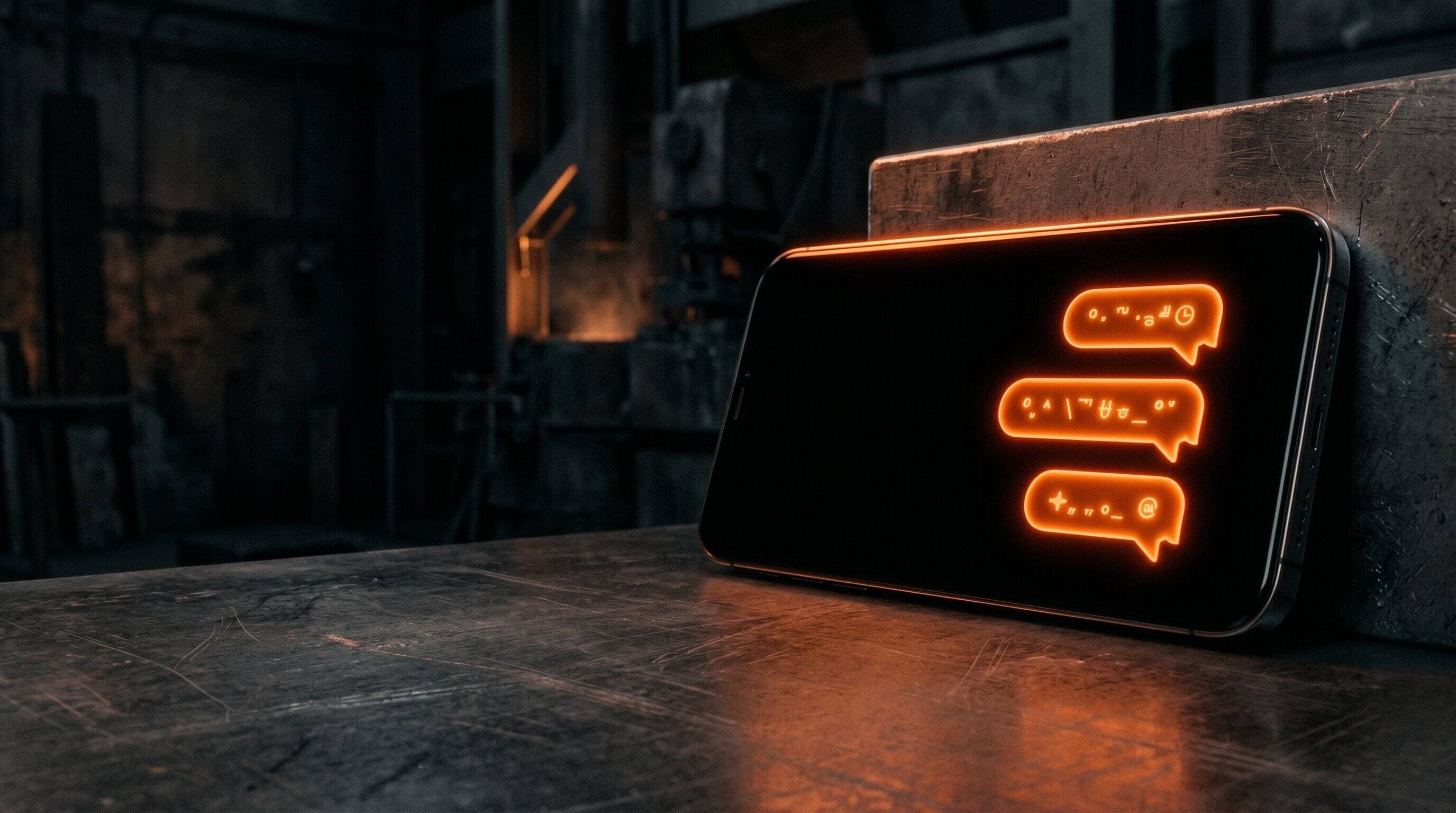
Cinematic phone mockup showing chat-style AI coach UI on a dark control-room desk with molten orange rim lighting
This is not a magic wand. Three honest failure modes. Hallucinations on niche advice. A general LLM does not know the specifics of your method. If a fitness creator launches an AI coach that contradicts their own programming, users notice fast and trust collapses. The fix is to keep the AI tightly grounded in the creator's actual content library and to refuse to answer outside it. Voice drift. A creator's tone is the product. An AI that defaults to ChatGPT's hedging, bullet-point style will sound like a robot in a wig. Voice has to be engineered, tested, and locked. Most creators do not have the bandwidth to do this themselves. Cost spikes at scale. Token costs are low until a user discovers the chat feature and runs it for an hour. Apps without rate limits, caching, and prompt discipline can torch margin overnight. This is an ops problem, not a model problem, and it is where most DIY creator apps fail. These are not reasons to skip the trend. They are reasons to pick a build partner who has shipped this before. The infrastructure work is invisible to the user and unforgiving to the founder. If you have an audience and you have not yet shipped an app, the order of operations is not "course, then app, then AI." It is "AI-first subscription app." Skip the static stuff. The minimum viable creator-led AI app looks like:
  • A subscription gate at $10 to $30 per month
  • A daily-use loop that calls the AI at least once
  • A content library written in the creator's voice that the AI quotes from
  • A creator persona system prompt that locks the AI's tone
  • A small set of templates (workout plan, session recommendation, weekly review)
That is shippable in three weeks. It is not shippable on Lovable, Replit, or Bolt. The AI infrastructure, the App Store submission, the subscription wiring, and the analytics layer all sit outside what vibe coding tools can do. If you want a clearer picture of why, the vibe coding trap post walks through exactly where they break. The creators who will own 2027 are the ones who shipped this in 2026. No. The hard parts are model selection, prompt engineering, App Store compliance, and ongoing tuning. Built by Foundry handles all of it. Our team works the way we describe in the about page, which means you approve the creator voice and we ship and operate the product. A traditional agency build runs $80,000 to $250,000 plus monthly maintenance. Built by Foundry is $0 upfront on a revenue-share model. We get paid when you get paid. The app care service keeps the AI tuned, the App Store metadata fresh, and the infrastructure running after launch. No. The AI is the delivery layer. You are the source. Your point of view, frameworks, vocabulary, and judgments are what make the coach worth paying for. Without the creator behind it, an AI coach is a thin wrapper on a general model. With you behind it, it is a one-of-one product. The smaller and sharper the niche, the better. A general AI coach is everywhere and worth nothing. A coach trained on your specific method, your audience, and your edge cases is the only one of its kind. Niche creators win this trend. About three weeks from kickoff to App Store submission for a creator-led subscription app with an AI coach. Built by Foundry compresses the timeline because we have built the foundation many times and the only variable is the creator voice and content. By the end of 2027, the creator apps that did not ship an AI coach in 2026 will look the way a static website looks today. Polite. Outdated. Bypassed. The creators who win the next two years will not be the ones with the largest followings. They will be the ones who shipped a product that listens, remembers, and responds. That product earns whether the creator posts or not. It compounds. Your audience is a business. The window is open.
Let's Build →

Get Creator Revenue Insights

How creators are turning audiences into subscription businesses

You might also enjoy...

Why Every Creator App Will Have an AI Coach by 2027