
Turning Knowledge into Products

YouTube vs X Creator Bonuses: 2 Clocks to Watch

October 23, 2026
Share
YouTube vs X Creator Bonuses: 2 Clocks to Watch

Get Creator Revenue Insights

How creators are turning audiences into subscription businesses
Share
The YouTube Shorts bonus and X Video Kickstart Bonus are invitation-only programs with different scheduling rules. YouTube ties the first eligible month to when you accept. X counts separate posting days. For a creator deciding whether to hire an editor or republish an existing library, that difference changes the work required. Key takeaways:
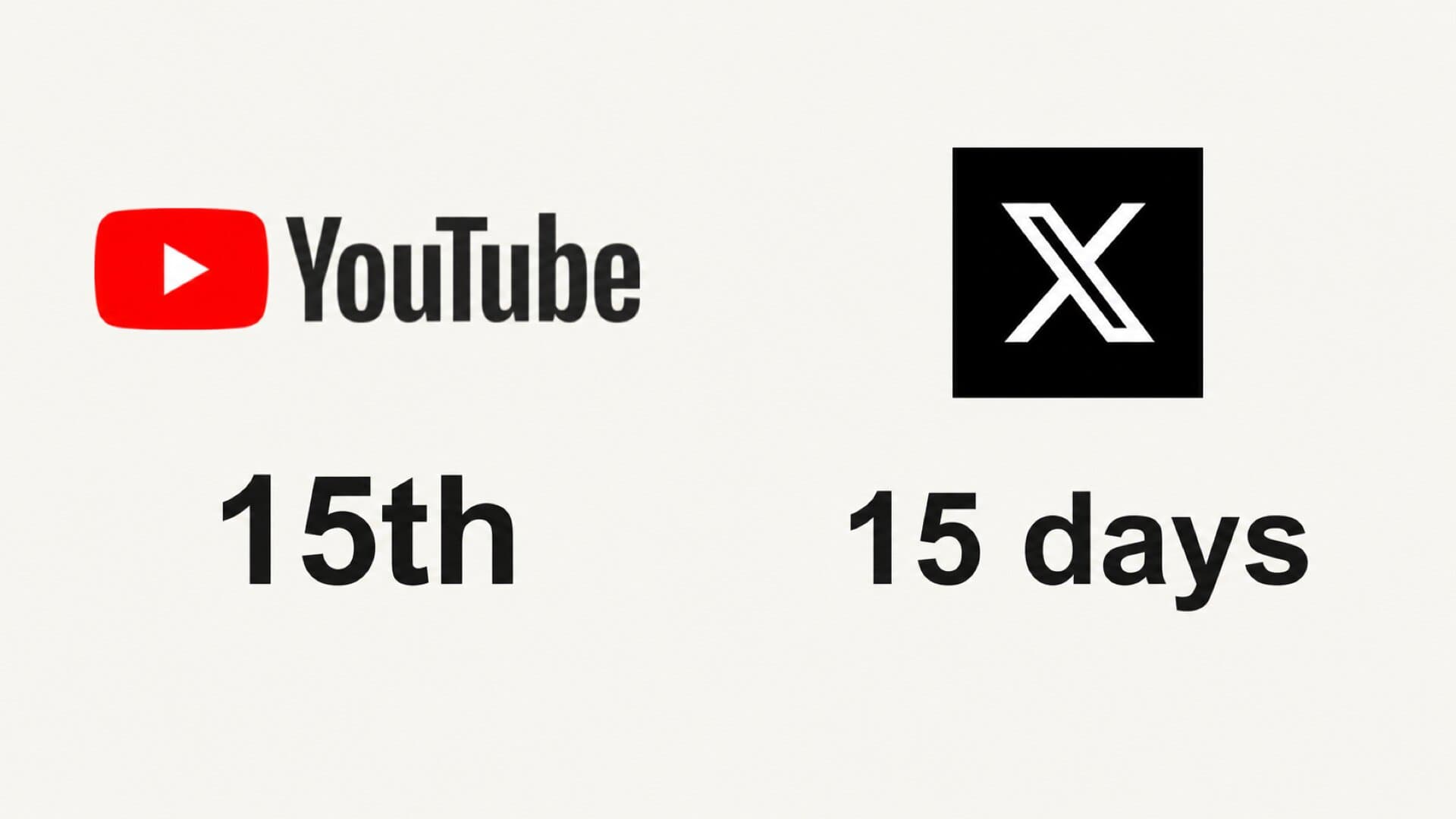
  • YouTube's cutoff is the 15th of the month. Your invitation supplies the upload requirement and offer details.
  • X requires 15 qualifying videos on 15 different days. Its first enrollment deadline is October 30, 2026, Pacific Time.
  • Compare each offer with the extra hours it creates. Keep payment timing and final review separate from the number shown in a progress tracker.
Both programs require an invitation, but they reward different patterns of activity. Here is the practical distinction in YouTube's bonus documentation and X's program guide, checked October 23, 2026.
DecisionYouTube Shorts bonusX Video Kickstart Bonus
Where to startYouTube Studio, Earn, Active bonusesCreator Studio, Programs, Video Kickstart Bonus
Timing ruleAccept by the 15th for that month's activity to countEnroll first, then post on 15 different Pacific Time calendar days
Production requirementMinimum public Shorts uploads specified in your invitationAt least 15 qualifying videos during the period
AmountOffer-specific minimum payment and possible engaged-view bonusInvitation shows your amount; final payment is subject to the terms
YouTube says creators accepting after the 15th start counting activity the following month. The program uses organic engaged views and requires continued monetization at month-end. Its public page supplies neither a universal dollar rate nor a country-by-country invitation list. Read your own offer before estimating income. For planning purposes, keep three figures apart: what the invitation offers, what your account currently shows, and what has actually arrived in your payout account. That habit also helps when comparing the advertising income explained in our YouTube RPM guide. X's promotional terms, effective October 15, specify a first period running October 15 through November 14, 2026, with enrollment closing October 30 at 11:59 p.m. Pacific Time. Check your invitation and current terms before acting on those dates. Fifteen uploads in one sitting give you one posting day. The days can be nonconsecutive, according to X's guide. If you enroll on the final date, you have little room to recover from a missed day or an ineligible clip. Build a schedule backward from the last eligible date. Reserve more posting opportunities than the minimum, where your remaining window permits, and identify which original video belongs to each date. Keep the source files together so a missing export does not consume the day's production time. The business implication is straightforward: a batch of finished videos and a calendar of completed posts are different assets. Your editor may finish the batch on Monday while the publishing obligation continues for weeks. Include that coordination in the cost of accepting the offer. X's guide permits your own previously published videos, provided they carry no other platform's watermark, name, or logo. Videos must be vertical 9:16, under three minutes, and posted after enrollment. Sponsored posts, duplicates, and other people's clips do not qualify. Its tracker can take up to 48 hours to update, and final review can change the result. X lists the exclusions here. For YouTube's ordinary Shorts revenue sharing, the monetization policy excludes non-original, artificial, and advertiser-ineligible engaged views. Accepting the Shorts Monetization Module is a separate action from joining a bonus offer. Audit your normal monetization status alongside the invitation. Keep a clean master export of each original clip before adding platform-specific graphics. Record rights restrictions and paid-partnership commitments beside the file. An editor should be able to answer whether a video is eligible without scrolling through your entire publishing history. Our guide to Shorts originality rules covers the broader content-policy question. For this decision, start with the exact files you could publish this week. The useful comparison is the offer against additional work. Your existing production budget belongs in the background; the new expense is what you would take on because you accepted. Consider two hypothetical workflows for 15 videos:
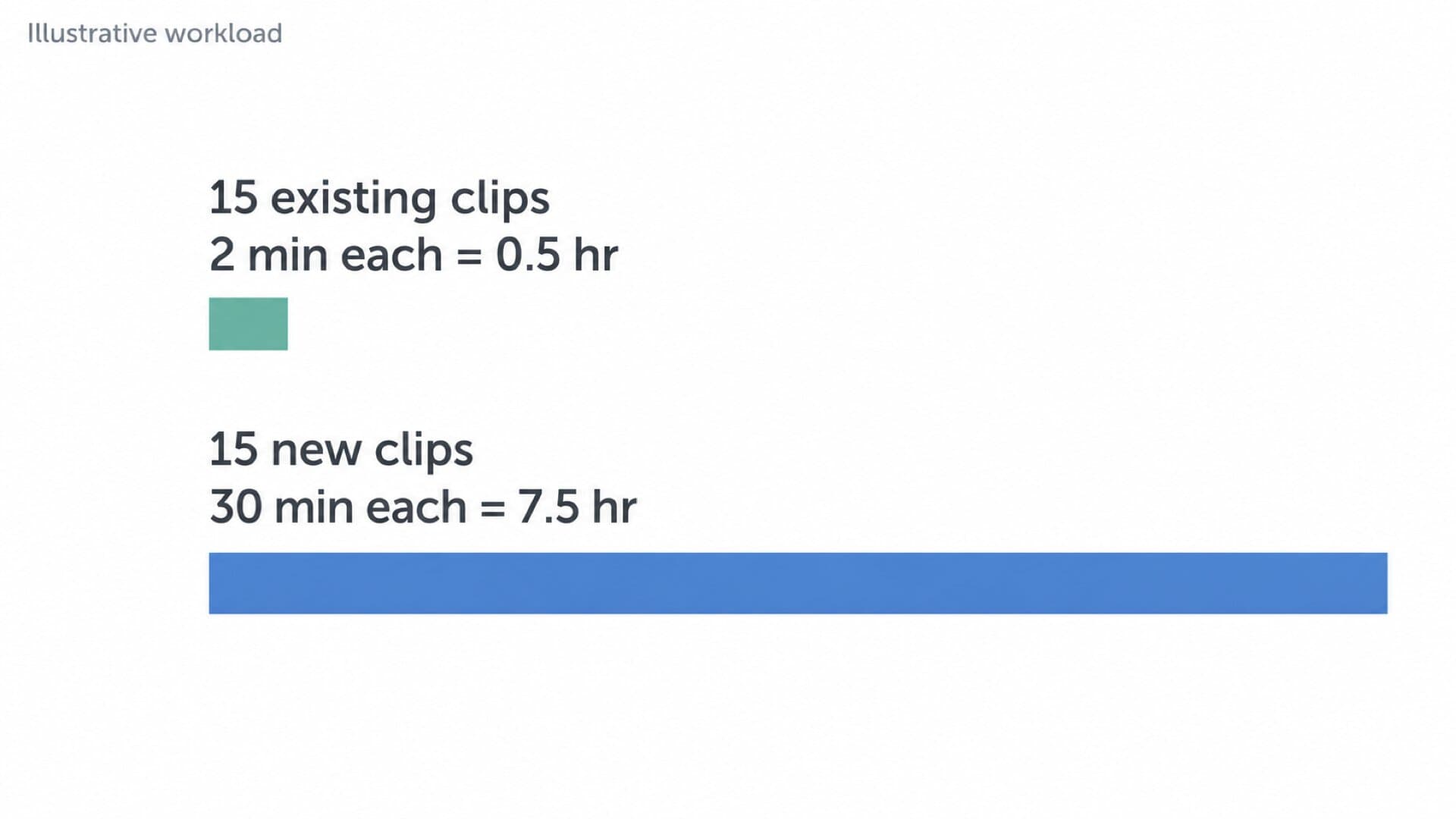
Illustrative workloadTime per videoTotal extra time
Publish an existing clean clip2 minutes30 minutes, or 0.5 hour
Make a new clip30 minutes450 minutes, or 7.5 hours
Illustrative workload comparison: publishing 15 existing clips at two minutes each takes half an hour; making 15 new clips at 30 minutes each takes seven and a half hours
These are planning assumptions, not measured creator averages. They exclude account setup, scheduling, review, and troubleshooting. Replace them with your own times. At an illustrative internal time value of $50 an hour, the first workflow consumes $25 of time and the second $375. That is a $350 difference before software, contractor costs, or an unsuccessful final review. No universal bonus amount is assumed here. Use a conservative calculation: Offer amount minus added production, publishing, and administration costs = potential contribution before tax, if paid. Then write down what you would postpone to complete the work. For someone already selling a course, membership, or physical product, answering customer questions may be competing for those same hours. An attractive invitation can still be expensive if it delays the work customers already paid for. Budget from cleared payments. YouTube's payment-process documentation says the previous month's earnings are finalized between the 7th and 12th, and the balance must meet the payment threshold by the 20th. AdSense's payment timeline gives a normal issuance window of the 21st through 26th when thresholds are met and holds are cleared. Bank arrival can take longer. X's help page describes earning a bonus after completing the requirements. Its promotional terms are more restrictive: satisfying the criteria creates eligibility for consideration, and payments remain discretionary. The terms also require qualifying posts to remain public and unedited for at least 30 days after the period ends. Read that retention obligation before planning to remove a campaign. The governing terms explain payment and post retention. Keep a bonus in a separate planning line from repeat customer purchases. If it arrives, decide what it can fund once: an editing experiment, a customer interview round, or a better product onboarding sequence. Recurring expenses need an income source you can reasonably expect to repeat. For another business model to examine, our Adriene Mishler profile follows the relationship between free discovery content and a paid membership. A product brings its own work: acquisition, delivery, support, and renewals. That work belongs in its budget too. Public program pages checked October 23, 2026. This comparison uses published documentation; we did not enroll an account or receive a pilot payout. Invitations, eligibility, dates, and terms can change. Both pilots are invitation-only. YouTube says Creator Support cannot manually invite channels. Check the program inside your account before making a production commitment. No. You must also reach 15 different qualifying posting days within the period. Compare your actual invitation, eligible files, available posting days, and added costs. A clean library can reduce production work, but payment and eligibility still depend on the program terms.
Our work

Creators who already did this

These are apps we designed, built, shipped, and still run today, with the creator keeping the code and the audience.

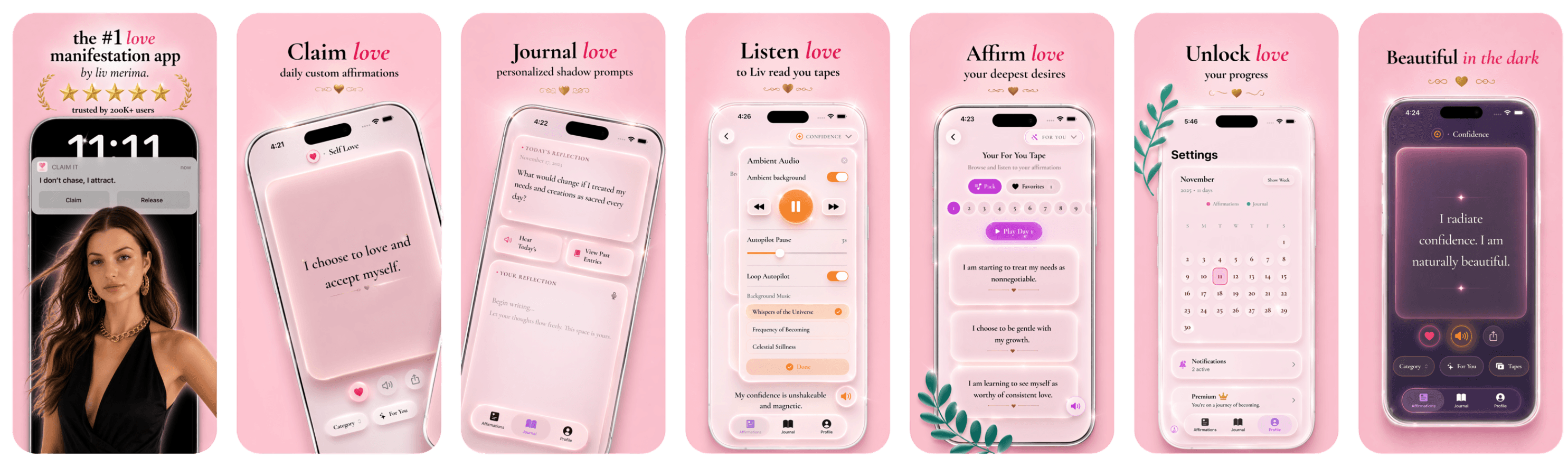
Liv Merima

Liv Merima

Founder & CEO of Claim It

Custom affirmations that help millions choose themselves.

Top Lifestyle App150K+ followers
Read the case study
Claim It screenshots
Brandon Whiteleather

Brandon Whiteleather

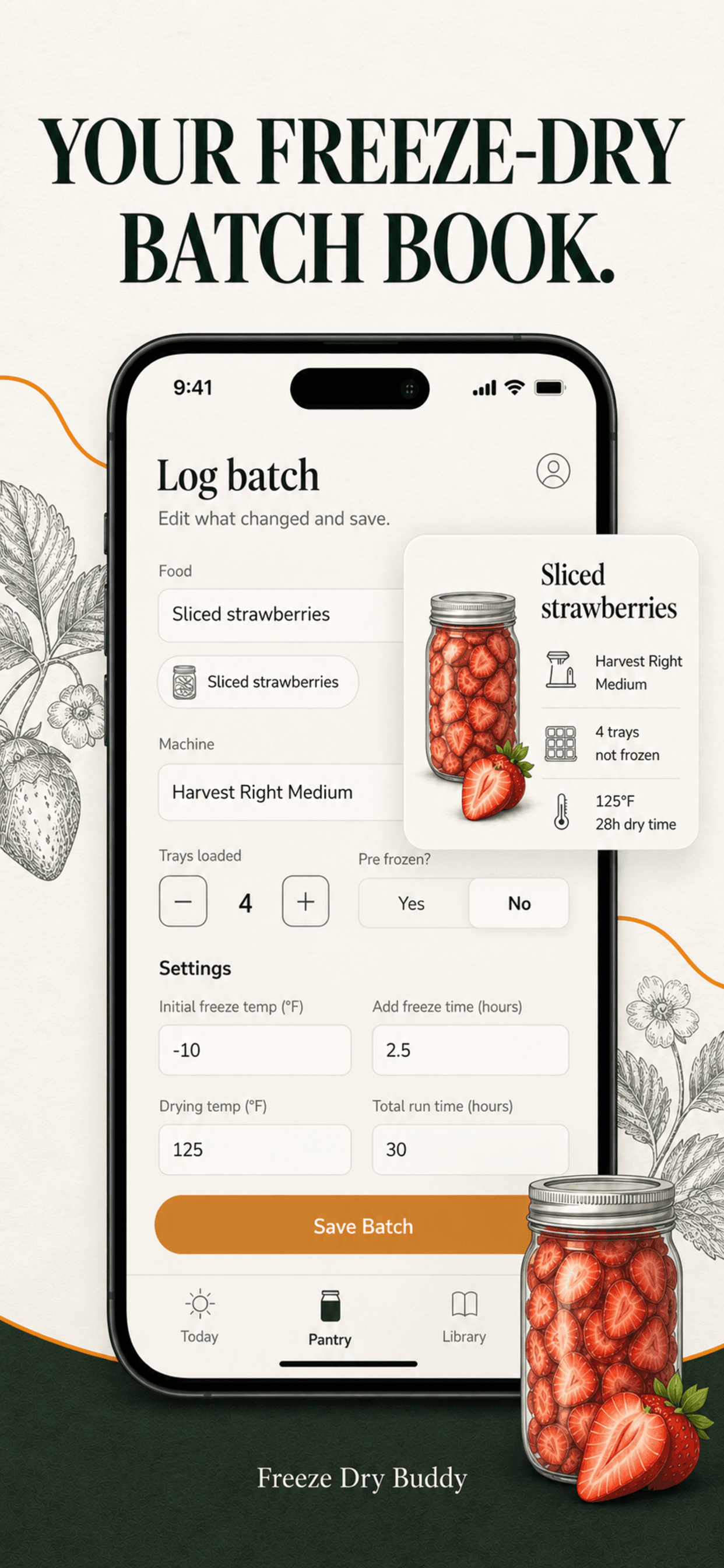
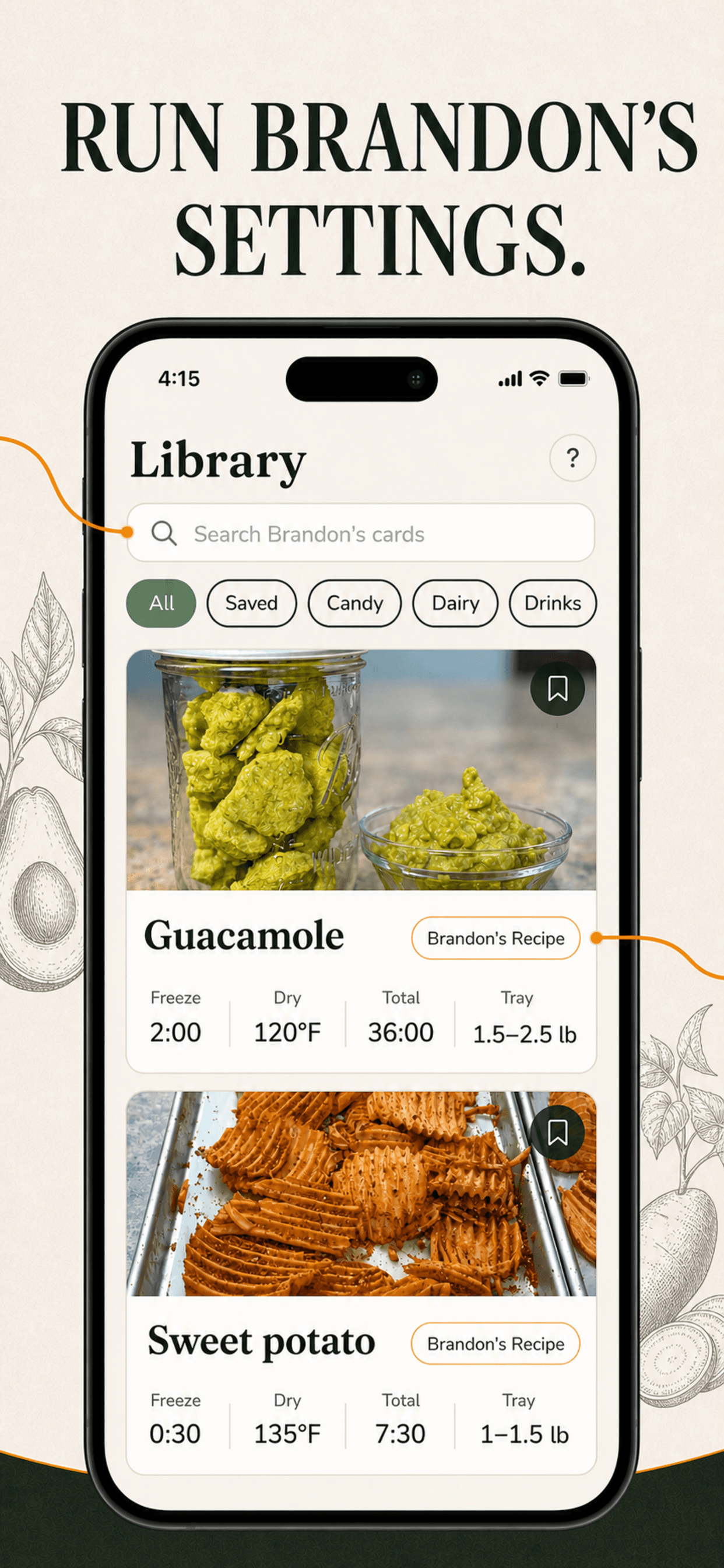
Founder & CEO of Freeze Dry Buddy

Freeze drying made foolproof, from a homesteader who's done it 1,000 times.

Top Food App1.4M+ followers
Read the case study
Kristen Donathan

Kristen Donathan

Founder & CEO of Stain Fix

Snap a stain. Get the fix in seconds.

Top Lifestyle App1.5M+ followers
Read the case study
Stain Fix screenshots

Creator app strategy

Curious what your app could be?

Enter your handle and BUILT BY FOUNDRY will research your audience and present custom app concepts. Free.

YouTube vs X Creator Bonuses: 2 Clocks to Watch