
Creator Economy Trends

YouTube Spam Termination Test 2026: 30 Days, 3 Options

October 30, 2026
Share
YouTube Spam Termination Test 2026: 30 Days, 3 Options

Get Creator Revenue Insights

How creators are turning audiences into subscription businesses
Share
On October 29, 2026, YouTube said it is testing a second chance for some channels facing immediate termination under its Spam policy. Instead of being removed at once, an eligible channel enters a 30-day locked period. In that window the owner can fix or delete the offending videos, delete every video on the channel, or appeal. If the owner does nothing for 30 days, the channel is terminated. Until now, a single serious spam violation could end a channel with no warning, and YouTube's termination rules still say so. The test turns that moment into a 30-day choice for some creators. One of the options asks you to delete everything you have ever uploaded in exchange for keeping your subscribers. We read YouTube's announcement and the help pages behind it on October 30, 2026. This guide covers what the test does, how the three options compare, and the one thing worth doing this week whether or not your channel is ever flagged. Key Takeaways:
  • YouTube is testing a 30-day locked period, instead of immediate termination, for "certain" Spam policy violations (YouTube Help Community)
  • While locked, a channel cannot upload videos or post comments. The owner is notified by email and in YouTube Studio on desktop
  • Option 1: fix or delete specific videos, then pass a review. Option 2: delete all videos to unlock the channel immediately. Option 3: appeal
  • Deleting every video keeps your subscribers, channel handle and YouTube Partner Program status, according to YouTube
  • A terminated channel can no longer download its YouTube content (YouTube Help). Back up your library now, while you still can
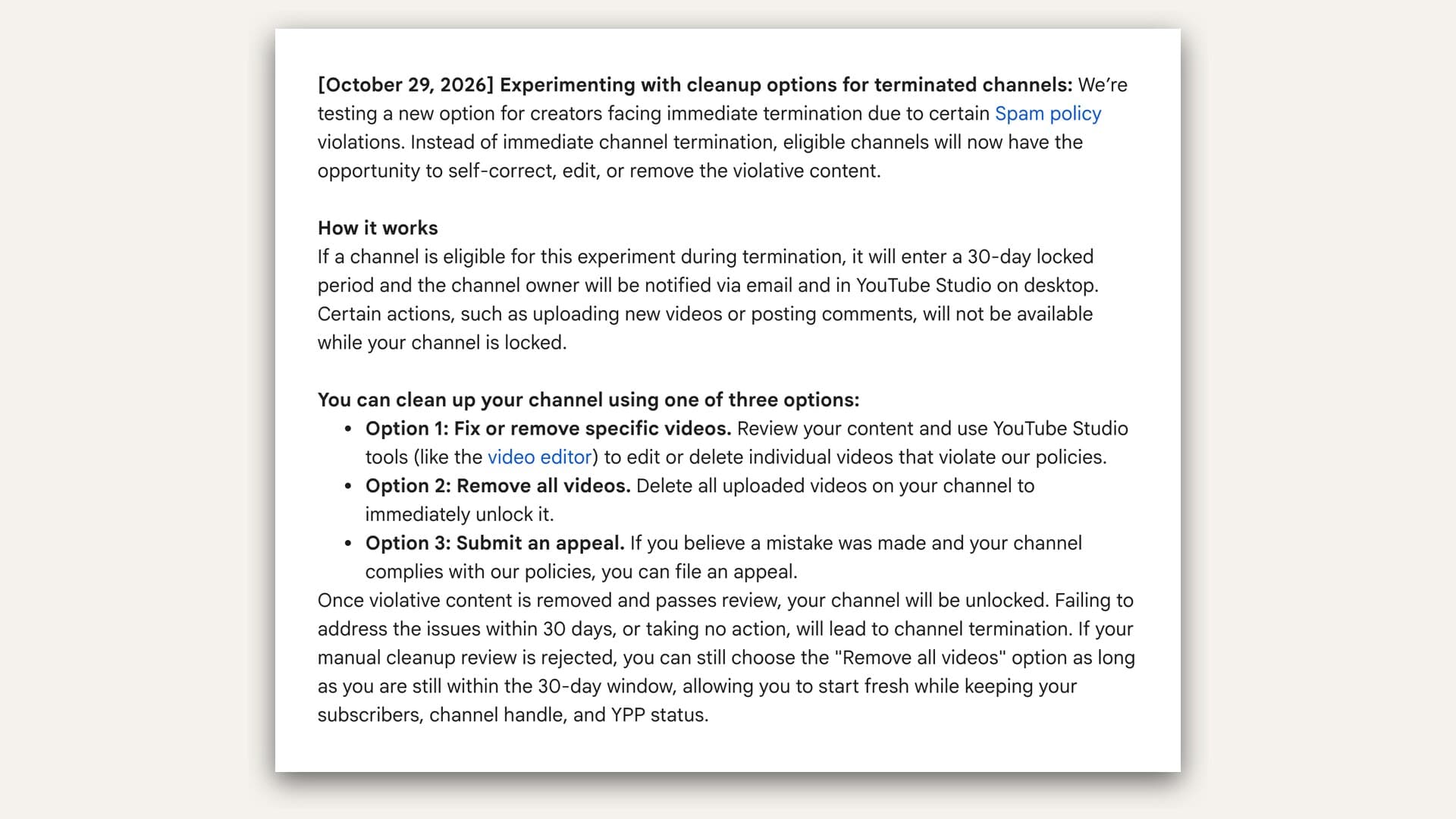
YouTube announced an experiment that replaces immediate termination with a 30-day cleanup window for some spam cases. TeamYouTube posted it in the YouTube Help Community's test features and experiments thread under the heading "Experimenting with cleanup options for terminated channels."
TeamYouTube's October 29, 2026 announcement in the YouTube Help Community, describing the 30-day locked period and three cleanup options for channels facing termination under the Spam policy
The post says eligible channels "will now have the opportunity to self-correct, edit, or remove the violative content." Three words in it limit who benefits:
  • "Experimenting." This is a test. YouTube gave no end date, no rollout plan and no share of channels included.
  • "Certain." The test covers only some Spam policy violations, and YouTube did not list which ones.
  • "Eligible." YouTube decides eligibility at the moment of termination. Nothing you can apply for puts your channel in the test.
If your channel is terminated and you receive no locked-period notice, assume the standard process applies: you can appeal the termination, and nothing else. YouTube's Spam policy lists nine kinds of behavior, and its termination page lists spam as an example of "a single case of severe abuse" that can end a channel without a warning. The policy applies to every video, Short, comment, link, post and thumbnail, including unlisted and private ones.
Category in YouTube's policyYouTube's own example
Engagement manipulationCoordinated "sub-for-sub" schemes
Fake engagementMany repetitive, low-effort polls a day
Comment spamThe same "check out my channel" message on hundreds of videos
Off-platform diversionA short video pointing to a malware link
Detection evasionA TV episode mirrored to dodge detection
Automated or synthetic mass-productionMany near-identical AI videos with the same music and imagery
Scraped contentPopular clips re-uploaded with nothing added
ScamsFake payouts that steal passwords or bank details
Malicious clickbaitA "full match" title on a video that shows one clip
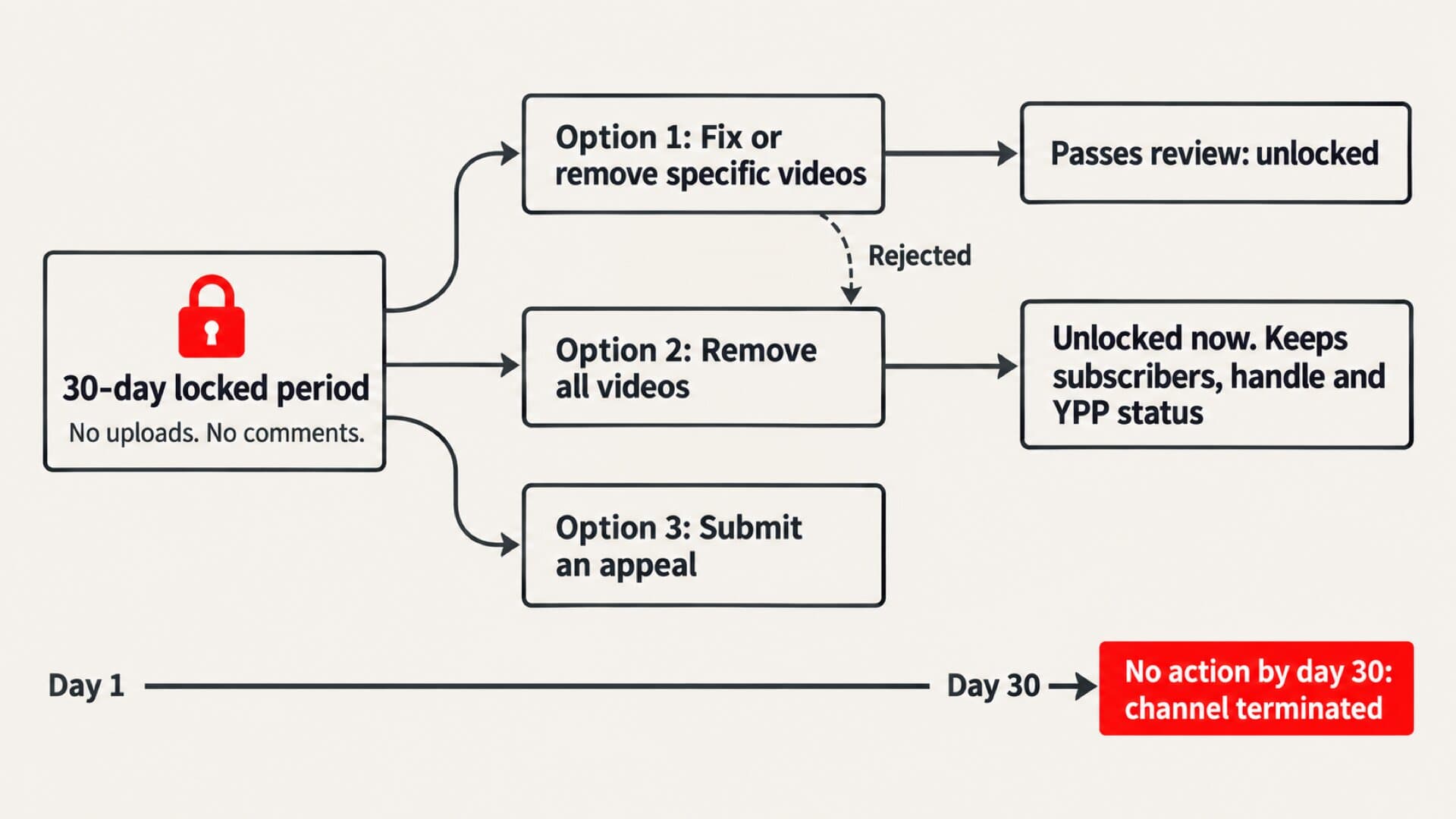
Two of those rows describe ordinary creators more often than scammers. "Automated or synthetic mass-production" reaches faceless channels that publish AI-scripted videos at volume. "Scraped content" reaches clip and compilation channels that add little of their own. We covered how YouTube judges originality on Shorts in the 3 places originality now counts, and the same reasoning applies here: the less of yourself a video contains, the closer it sits to this policy. A channel in the test is locked for up to 30 days, and the clock ends in termination unless the owner acts. According to YouTube's post, the owner is notified "via email and in YouTube Studio on desktop," and "certain actions, such as uploading new videos or posting comments, will not be available" while the channel is locked.
Flow diagram of YouTube's spam termination test: a 30-day locked period with no uploads or comments branches to three options. Fixing specific videos leads to review, and a rejected review can fall back to removing all videos. Removing all videos unlocks the channel while keeping subscribers, handle and YPP status. No action by day 30 means termination.
Here are the three options as YouTube describes them:
OptionWhat you doWhat happens next
1. Fix or remove specific videosEdit or delete the violating videos in YouTube StudioThe channel unlocks "once violative content is removed and passes review"
2. Remove all videosDelete every uploaded videoThe channel unlocks immediately
3. Submit an appealArgue the channel complies with the policyYouTube did not describe the timing or the result
There is one built-in fallback. If your Option 1 cleanup is rejected, YouTube says you can still choose "Remove all videos" as long as you are inside the 30-day window. That makes Option 2 the floor under Option 1, but only if you leave yourself time to use it. A creator who spends 28 days editing and waits for a review may run out of window before the fallback is available. Only if the channel's value lies in its subscribers rather than its library, and only after you have a copy of the library. YouTube's post says Option 2 lets you "start fresh while keeping your subscribers, channel handle, and YPP status." That is a real concession. Under the standard process, termination ends Partner Program earnings, and YouTube "may also withhold unpaid earnings," according to its termination page. But look at what Option 2 costs. Every video's view history, search ranking, comments and suggested-video placement is gone. For a channel whose older videos still earn most of its ad revenue, deleting them keeps the subscribers and loses the revenue. So the decision comes down to two questions:
  • Where does the channel's money come from? If most views come from subscribers' feeds and notifications for new uploads, Option 2 keeps most of the value. If most come from search and older videos, it destroys most of it.
  • Do you have the files? Deleting a video on YouTube does not delete your original edit, if you kept one. Many creators did not.
YouTube's post does not say whether you can re-upload the deleted videos after the channel unlocks, or how a re-upload would be reviewed. Re-uploading the same videos that triggered the lock is the obvious way to end up locked again. A complete download of your uploaded videos, made while your channel is in good standing. YouTube's termination page is blunt: "If your channel is terminated, you can no longer download your YouTube content." The download routes also close earlier than many creators expect. YouTube's page on downloading videos you've uploaded sets these limits:
  • Studio downloads come as MP4 files at 720p or 360p, depending on the video's size, which is below the resolution most creators upload at
  • You cannot download a video that has been removed, or one with a copyright or Community Guidelines strike against it
  • Each video can be downloaded at most five times in 24 hours
For a whole library, YouTube points to Google Takeout, which exports "all the videos you've uploaded" in one archive. Google notes that a channel owned by a Brand Account may need you to switch accounts before the videos appear in the export. Do it once now and again every quarter. Your full-resolution project files are a better backup than either route, so keep them somewhere that is not your editing laptop. If your audience matters as much as your videos, the same logic applies to member lists. Our YouTube Memberships vs Patreon comparison walks through which platform lets you export your paying members. The rest of YouTube's enforcement system works exactly as before. Per its Community Guidelines strike page:
StepWhat YouTube does
First violationUsually a warning. An optional policy training lets it expire after 90 days
First strikeOne week without uploads, live streams, scheduled videos or new custom thumbnails
Second strike in 90 daysTwo weeks without posting
Third strike in 90 daysThe channel may be permanently removed
Single case of severe abuseTermination without warning (where the new test can apply to some spam cases)
Two appeal limits are worth knowing. A warning or strike can be appealed for six months after it is issued, and each strike only once, according to YouTube's appeals page. A termination can be appealed for one year, and creators can submit only two appeals in that year. The strike page also warns that "deleting your content doesn't remove a strike." The new test is the exception to that pattern, and only inside a locked period. A terminated creator also cannot sidestep the ban. YouTube's termination page prohibits "using, possessing, or creating any other YouTube channels," including channels where the terminated creator is "repeatedly or prominently featured." A YouTube channel is a business you operate on someone else's terms. This test is a fairer version of those terms. It still shows how much YouTube controls: whether your videos stay up, which mistakes get a second chance, and whether your earnings continue. The same is true of every platform that pays creators, and we wrote about how quickly that changes in what Patreon's layoffs mean for platform risk. The creators who are least exposed to a 30-day lock also sell something on their own. Paul Sellers gives his woodworking away on YouTube and sells a $16-a-month membership on Woodworking Masterclasses, a separate paid site. When he was injured in 2024, the episodes kept coming because they had already been filmed. A lock on his channel would pause his marketing. It would not cancel his members. That is the kind of business Built by Foundry builds with creators: a product your audience pays you for directly, built at $0 upfront for a share of revenue, then run and maintained after launch so a policy change on a platform you rent is not an emergency for your income. It is a test YouTube announced on October 29, 2026. Some channels facing immediate termination for certain Spam policy violations are locked for 30 days instead of terminated. While locked, they cannot upload videos or post comments. The owner can fix or delete violating videos, delete all videos, or appeal. No action within 30 days leads to termination. Yes, if your channel is in the test and you choose to remove all videos within the 30-day window. YouTube says that option lets you keep your subscribers, channel handle and YouTube Partner Program status. You lose the deleted videos and their view history. No. YouTube decides whether a channel is eligible at the moment of termination and notifies eligible owners by email and in YouTube Studio on desktop. If you receive no locked-period notice, the standard termination and appeal process applies. No. YouTube's help page says a terminated channel can no longer download its YouTube content, although you keep the ability to download other Google data. Back up your uploads with YouTube Studio or Google Takeout while the channel is in good standing. One year from the date of termination, and creators can submit only two appeals within that year. Warnings and strikes can be appealed for six months after they are issued.
Our work

Creators who already did this

These are apps we designed, built, shipped, and still run today, with the creator keeping the code and the audience.

Liv Merima

Liv Merima

Founder & CEO of Claim It

Custom affirmations that help millions choose themselves.

Top Lifestyle App150K+ followers
Read the case study
Claim It screenshots
Brandon Whiteleather

Brandon Whiteleather

Founder & CEO of Freeze Dry Buddy

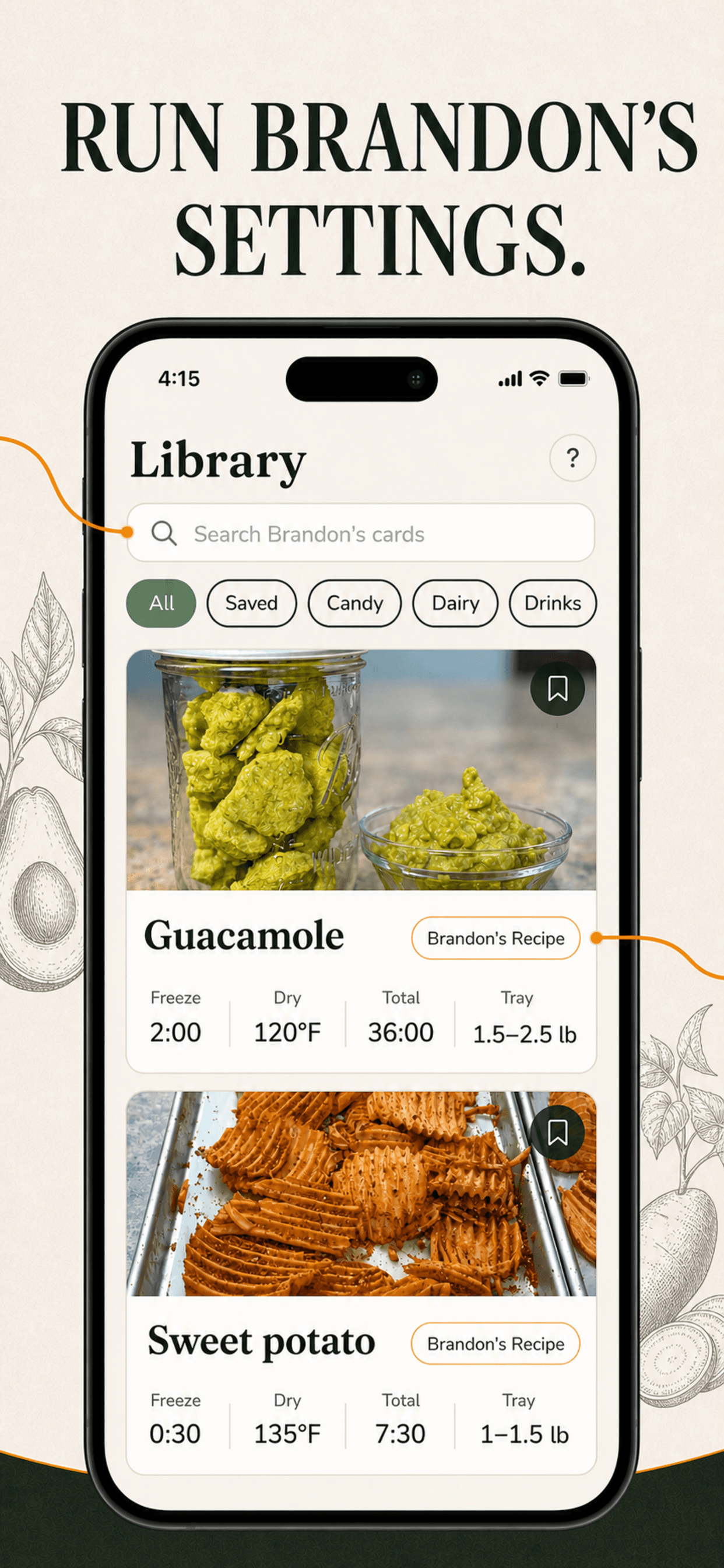
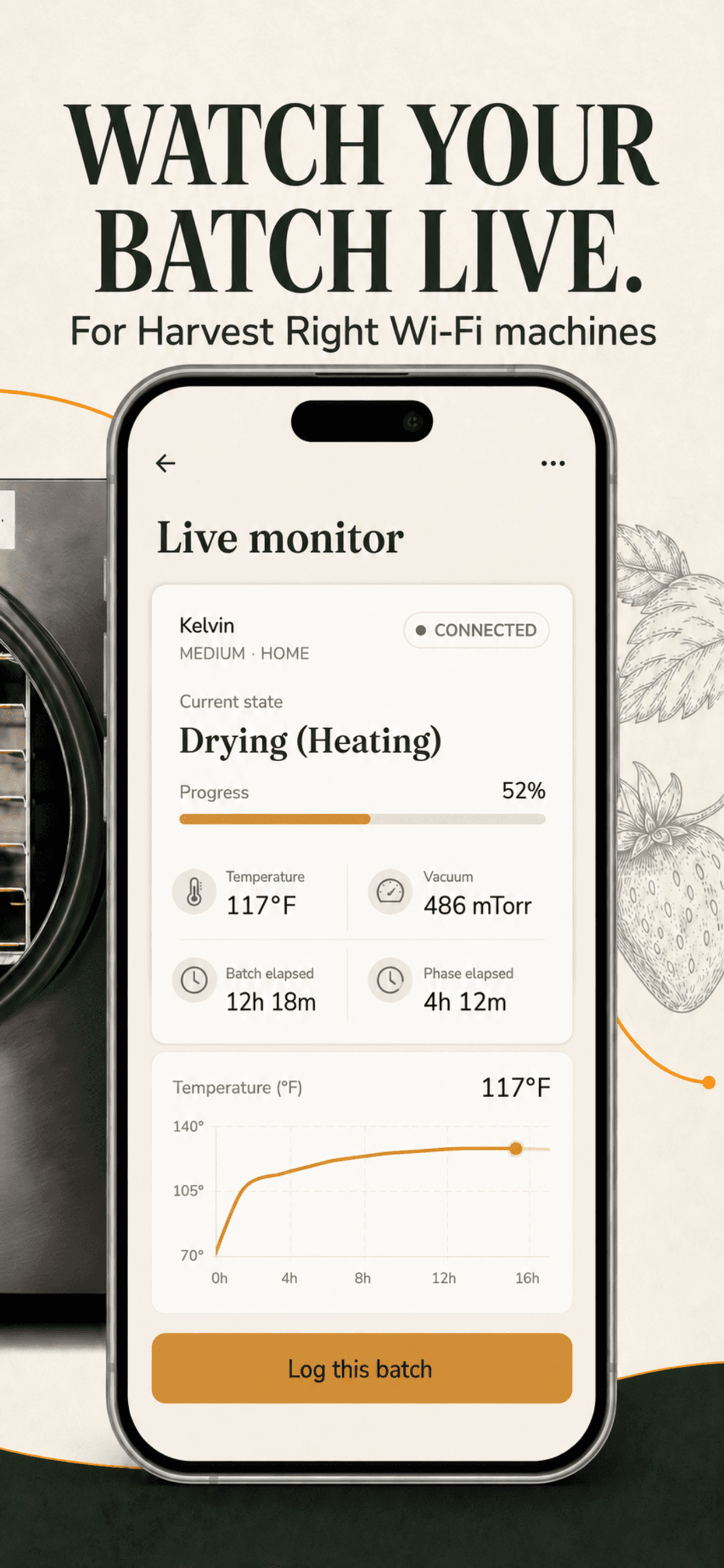
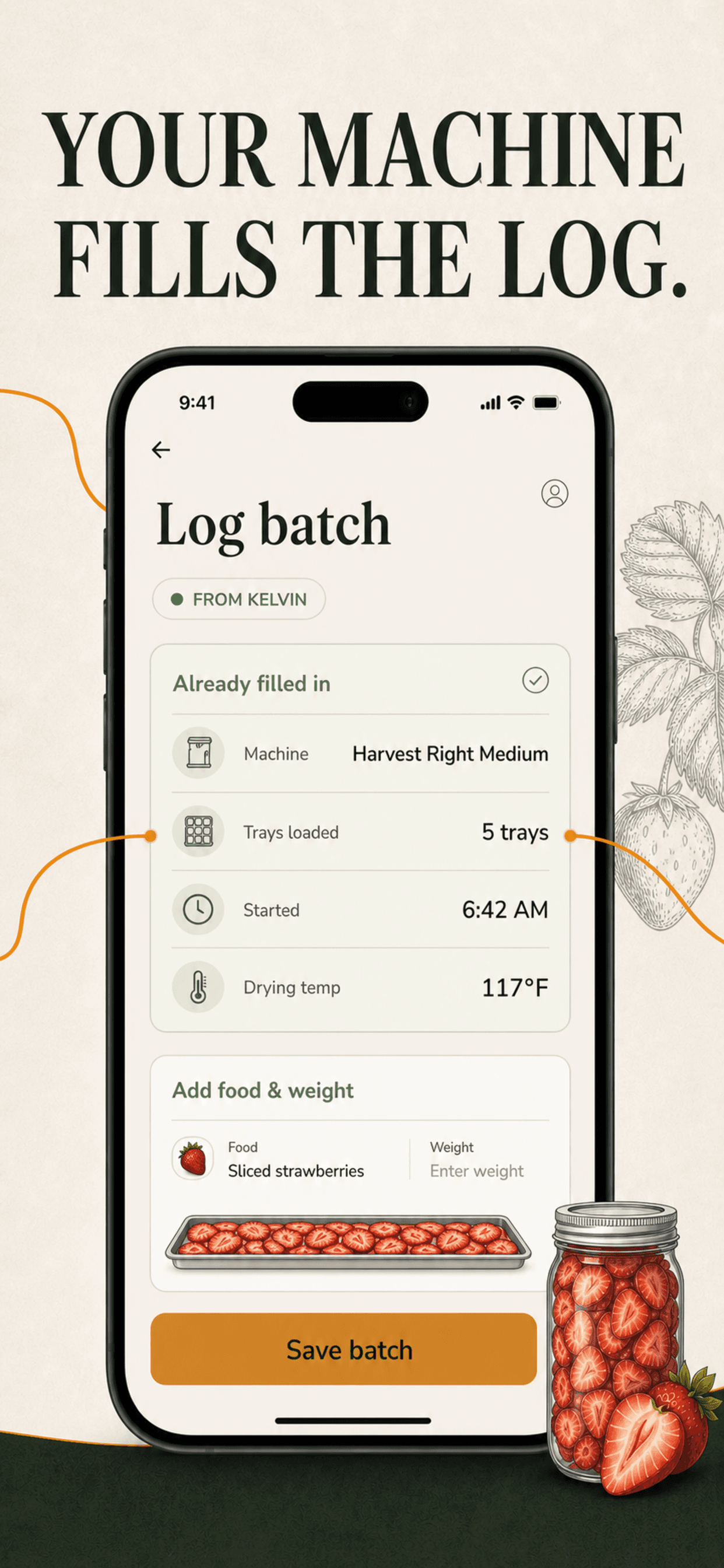
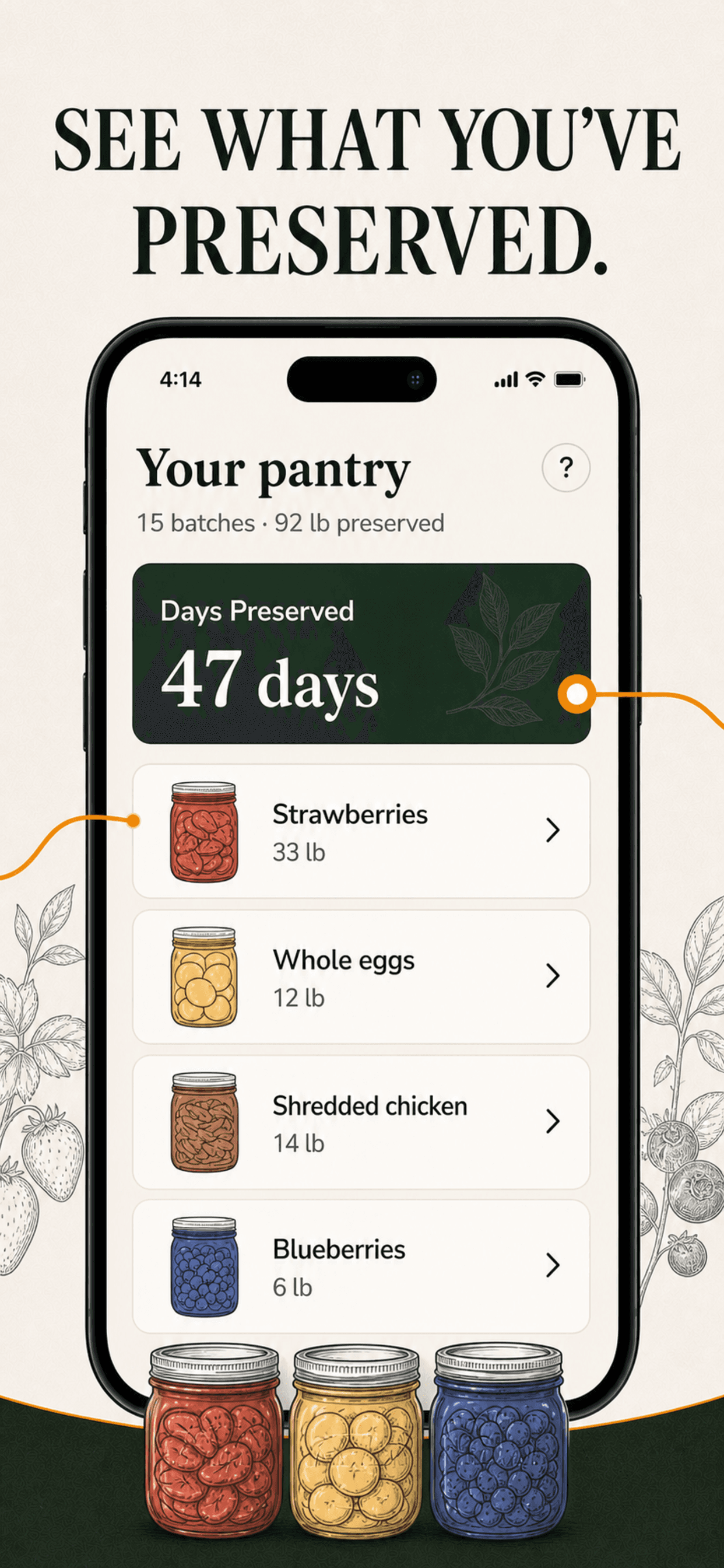
Freeze drying made foolproof, from a homesteader who's done it 1,000 times.

Top Food App1.4M+ followers
Read the case study
Kristen Donathan

Kristen Donathan

Founder & CEO of Stain Fix

Snap a stain. Get the fix in seconds.

Top Lifestyle App1.5M+ followers
Read the case study
Stain Fix screenshots

Creator app strategy

Curious what your app could be?

Enter your handle and BUILT BY FOUNDRY will research your audience and present custom app concepts. Free.

YouTube Spam Termination Test 2026: 30 Days, 3 Options