
The Content Treadmill Is Killing Creators

The Content Treadmill Is Killing Creators

Foundry
April 23, 2026
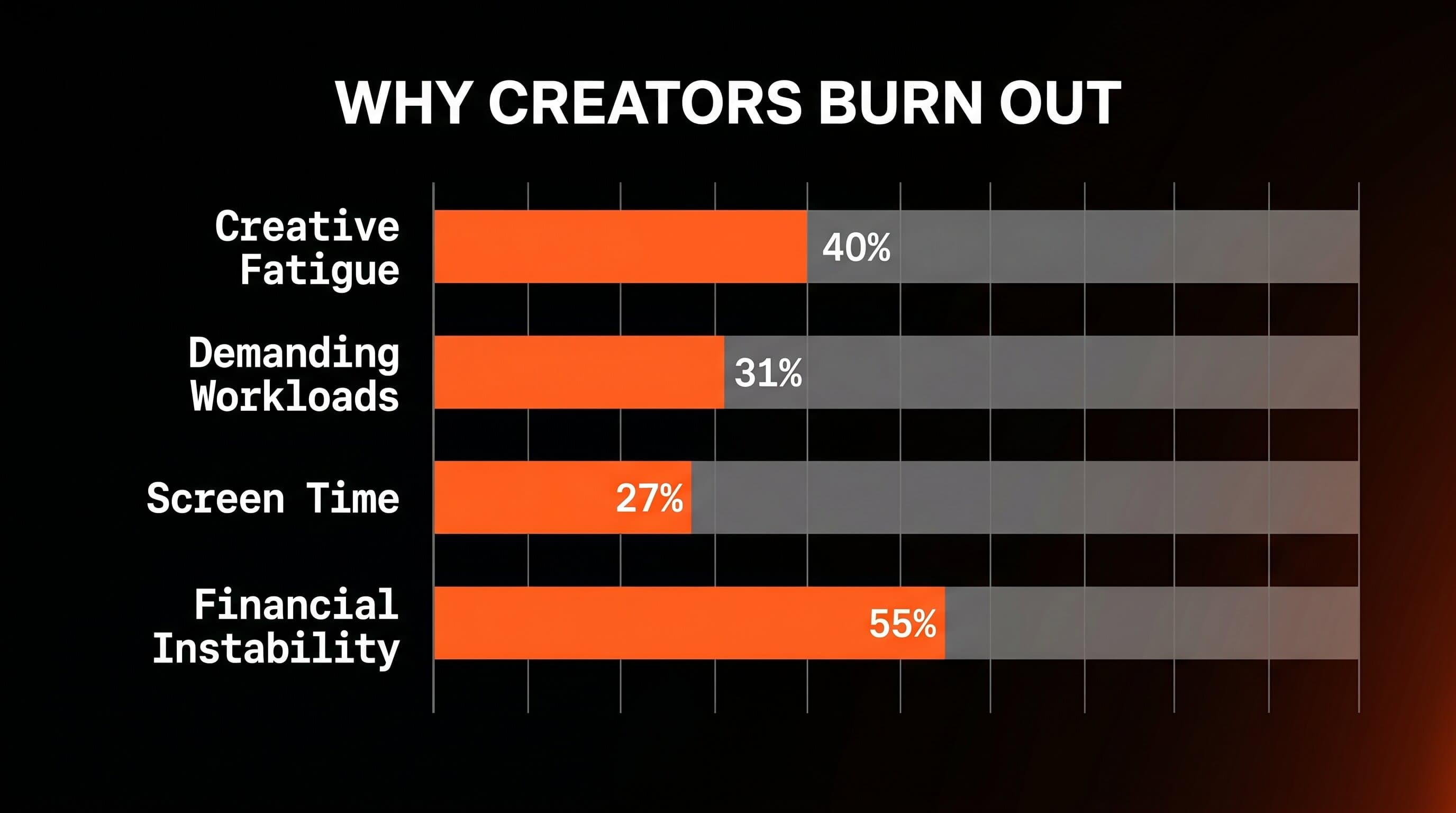
90% of content creators report experiencing burnout. The number one cause? Creative fatigue. Not brand deals falling through. Not algorithm changes. The daily grind of staring at a blank screen and asking yourself "what do I post today?" is what's breaking creators. Key Takeaways:
  • 90% of creators report burnout, with creative fatigue (40%) as the top cause
  • 55% of Gen Z creators are considering quitting the industry entirely
  • The content treadmill resets your effort to zero every day; products compound it
  • Creator apps turn every user interaction into content material you didn't have to brainstorm
  • Founders don't run on treadmills. They build engines.
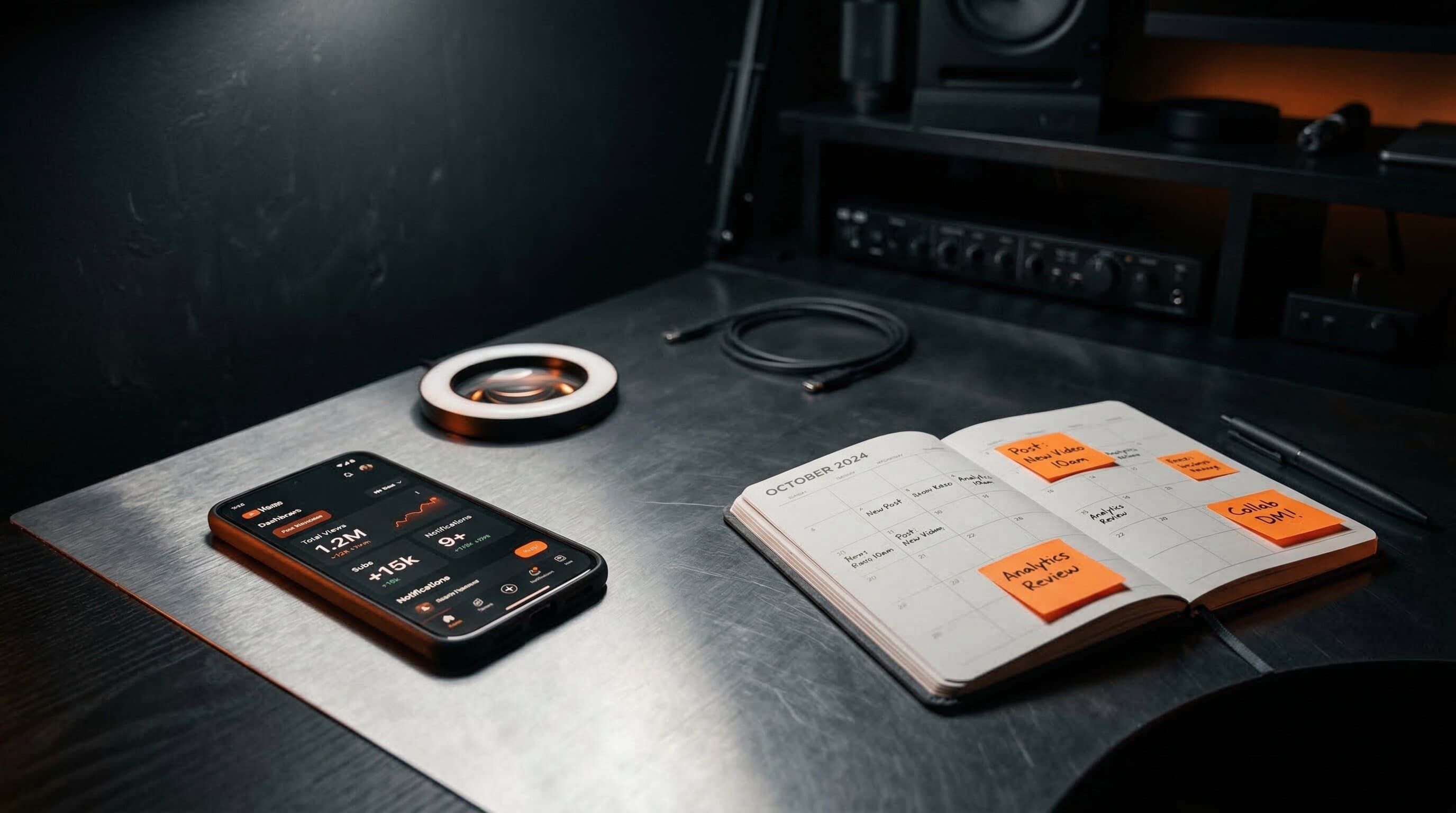
You know the feeling. You wake up, check your phone, and the first thought isn't excitement about your work. It's anxiety about your feed. What haven't you covered yet? What's trending? What will the algorithm reward today? You brainstorm, you script, you shoot, you edit, you post. And tomorrow, you do it again. From scratch. That's the treadmill. And it's not a productivity problem. It's a structural one. Here's what nobody tells you about being a content creator: the product is you. Your face, your ideas, your energy, your consistency. Every piece of content you publish is a single-use asset. It performs for 24 to 72 hours, then it's buried under the next wave. A Vibely survey found that 63% of US creators report burnout symptoms. Billion Dollar Boy's research puts the number at 52%, with 37% considering quitting entirely. Among Gen Z creators, that number climbs to 55%. The cause isn't laziness or lack of passion. It's math. If your income depends on content volume, and content has a 48-hour shelf life, you need to produce constantly just to stay visible. More than 45% of full-time creators say the pressure to post everywhere is what burns them out. Compare that to a founder. A founder builds a product once. Users come back to it daily without being asked. The product improves over time. The founder's effort compounds instead of resetting to zero every morning. That's the gap. Creators run. Founders build.
Why creators burn out: creative fatigue leads at 40%, followed by demanding workloads at 31%, screen time at 27%, and financial instability at 55% severity
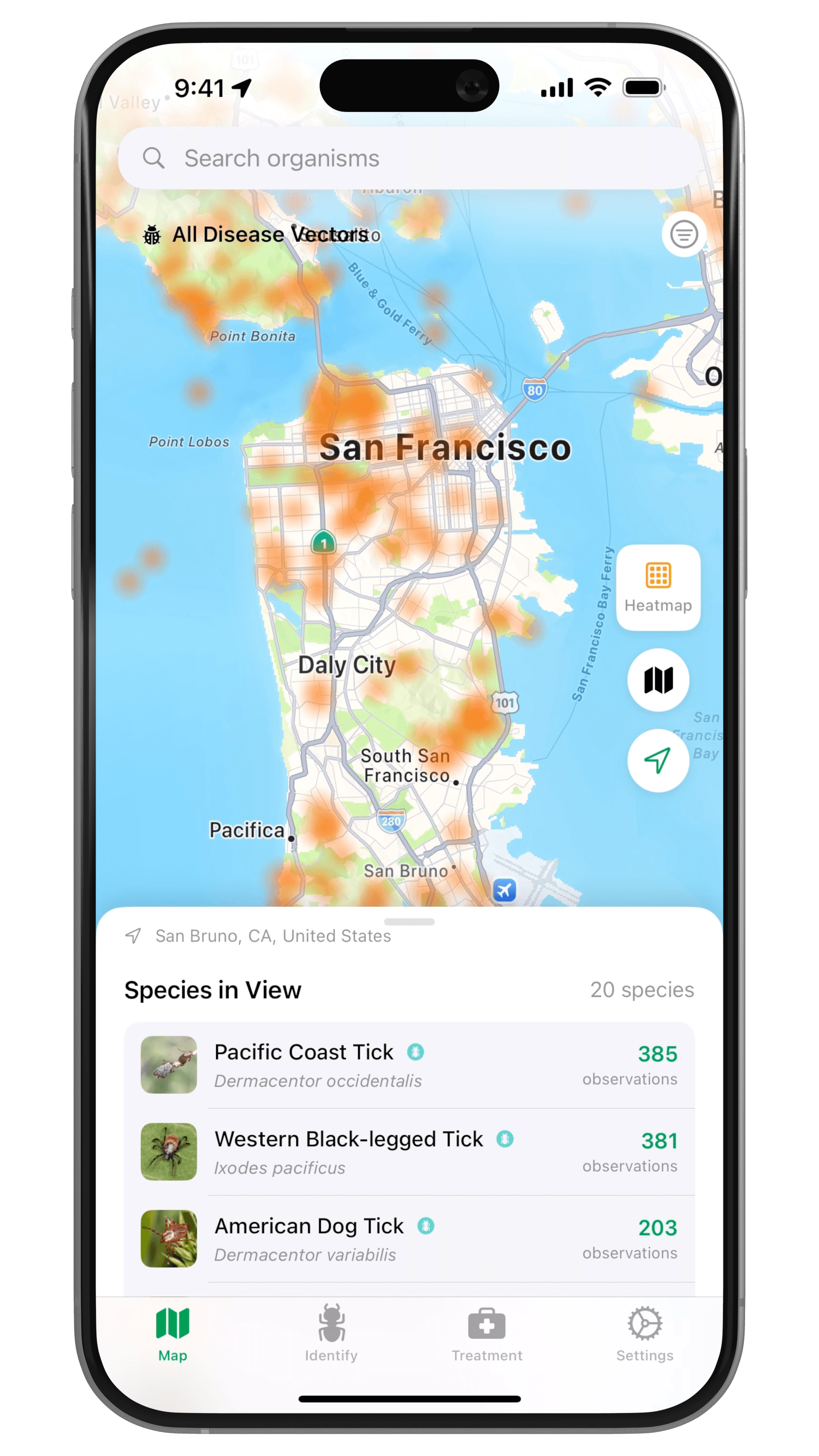
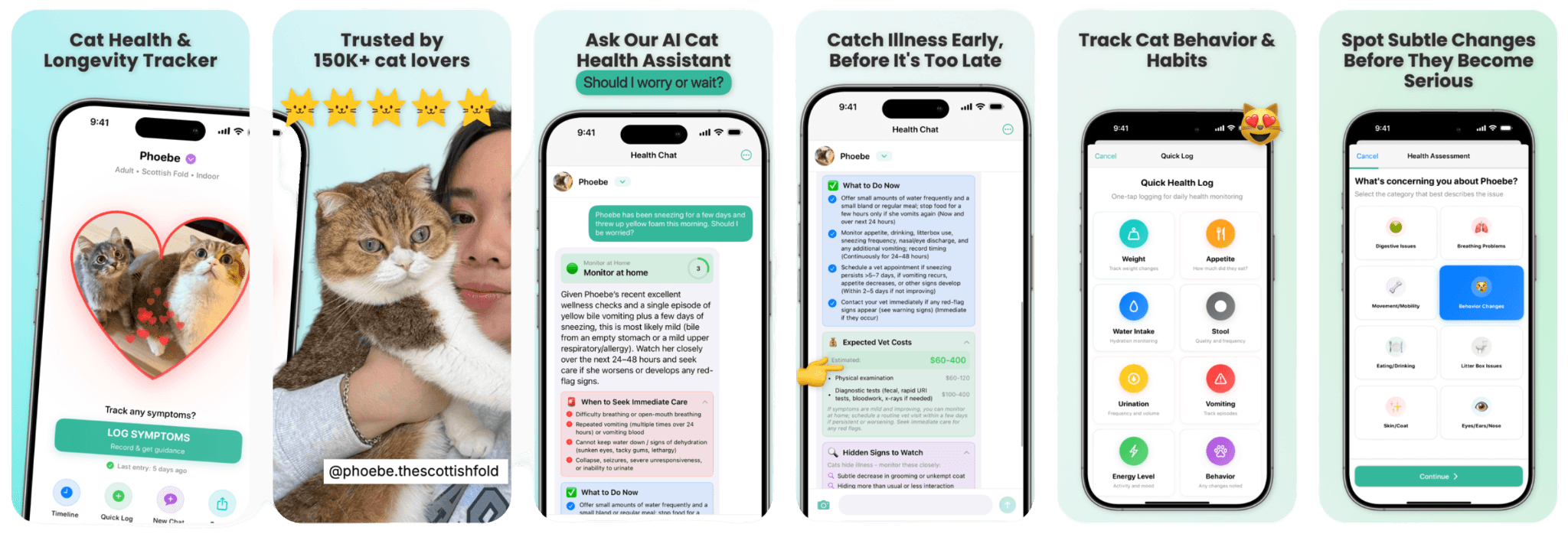
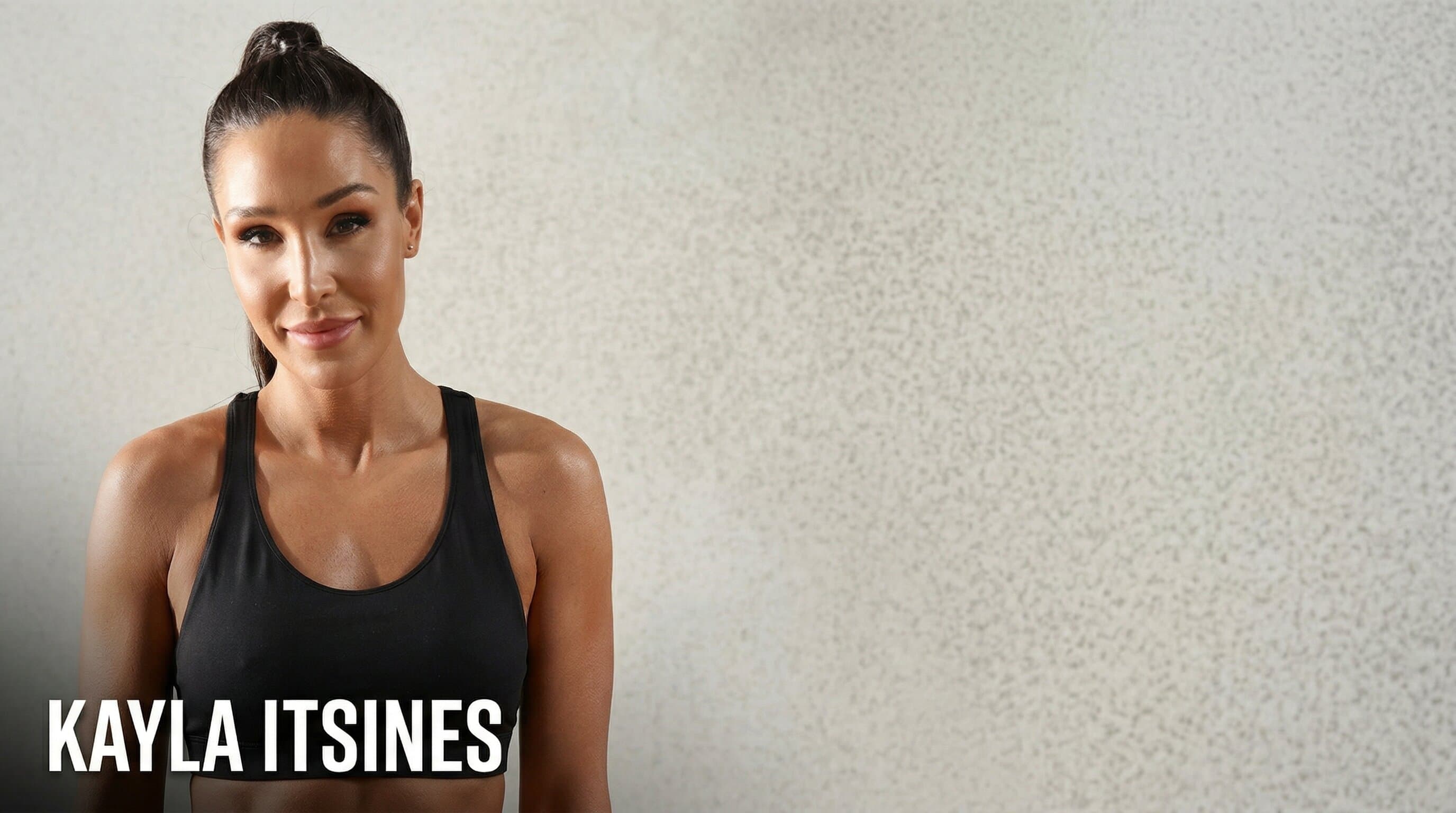
This is the part most creators haven't considered: a well-designed app doesn't just generate revenue. It generates content. Every user who submits a before-and-after photo is a transformation story you didn't have to script. Every leaderboard update is a weekly roundup that writes itself. Every milestone a subscriber hits is a celebration post. Every question in your app's community is a topic for your next video. Babish built a 10M-subscriber empire partly because his format generates content by design. Each recipe is a video. Each video sells cookbooks. Each cookbook buyer watches more videos. The content and the product feed each other. He's not brainstorming from scratch every morning. The system produces ideas faster than he can film them. Kayla Itsines turned her Sweat app into a content machine. Every user transformation became an Instagram post. Every community challenge became a marketing event. Every new workout program became launch content. The app didn't just make money. It solved the "what do I post?" problem that burns out every other fitness creator. This is the second value prop of a creator app that nobody talks about: your app becomes your content calendar. We wrote a full breakdown of this in How Your App Becomes Your Content Calendar. The short version: when your product generates user actions, those actions are content. You stop being a content factory and start being a curator of stories your product already created. Let's put numbers on this. A creator posting 5 times per week on Instagram and 2 YouTube videos per week spends roughly 10 to 20 hours per week on content creation alone. High-earning video creators spend 4+ hours per day. That's 20+ hours weekly just on the treadmill, not counting DMs, brand deal negotiations, or community management. Now look at the other side. A subscription app with 1,000 users paying $9.99/month generates $120K/year. Those 1,000 users create data every day: workouts completed, meals logged, lessons finished, scores posted, questions asked. Each data point is a potential piece of content.
ActivityContent TreadmillProduct Engine
Revenue modelPer-post (resets daily)Subscription (compounds monthly)
Content sourceYour brain, every dayUser actions, automated
Time to create10-20 hours/weekCuration, not creation
Shelf life24-72 hoursEvergreen (app lives forever)
Burnout risk90% report symptomsBuilt-in variety from user stories
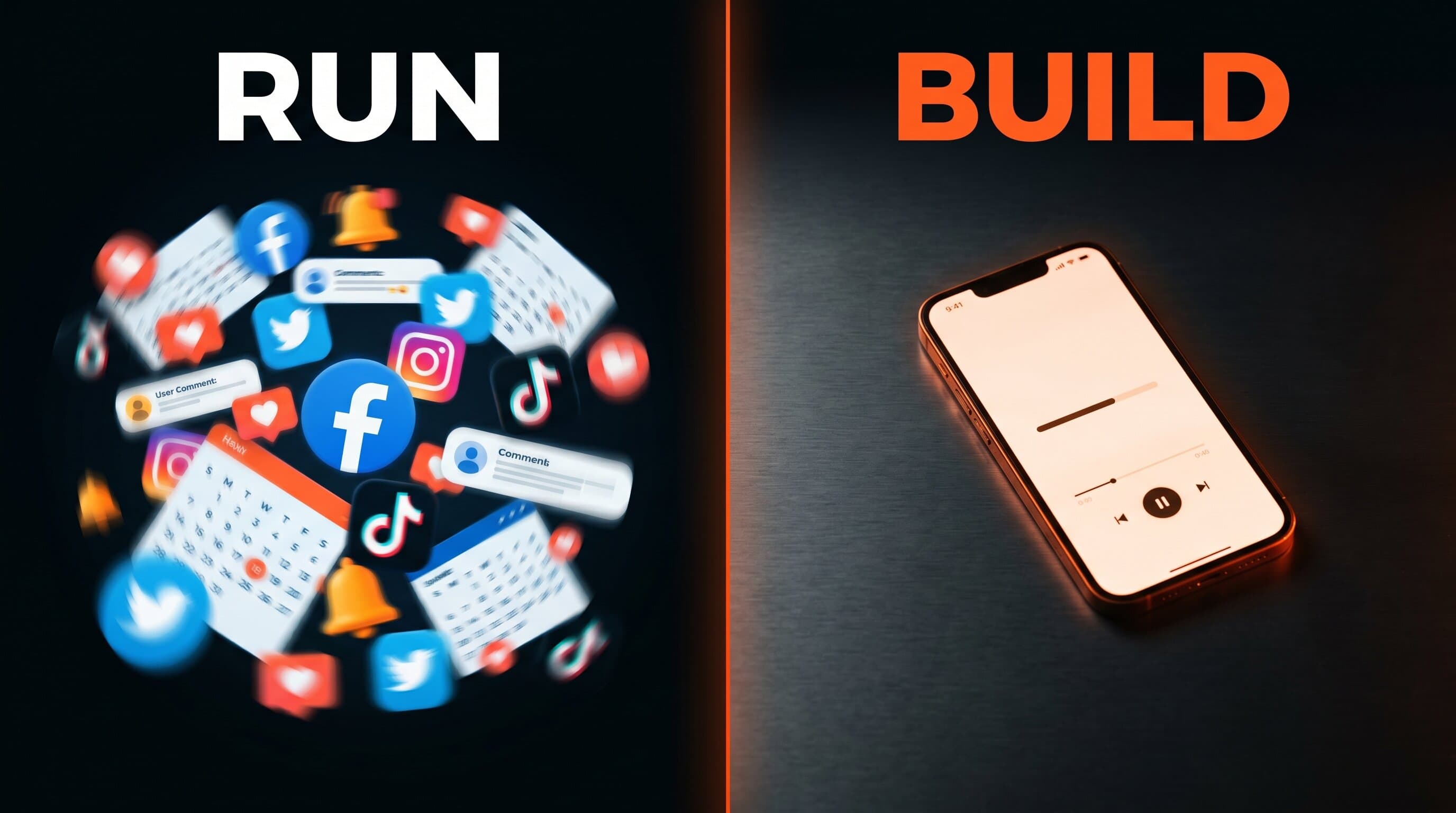
The creator on the left is running. The founder on the right is building. Same audience. Completely different relationship with time.
Creators run on the content treadmill while founders build product engines that generate content automatically
The creators who figured this out didn't get there by accident. They built products that generate their own gravity. Mark Rober films his subscribers opening CrunchLabs boxes. The product is the content. Bobby Parrish turned 138,000 app ratings into proof that his audience will pay for meal plans, and every user review is a testimonial he didn't have to ask for. Chris Bumstead built a $150M fitness empire where every customer transformation is marketing material. None of these creators are posting less. But they're posting differently. They're not brainstorming from nothing. They're curating from abundance. The product feeds the content, the content feeds the product. It's a loop, not a line. Every creator reading this has tried to fix the treadmill. You've batched content. You've hired editors. You've built templates and swipe files and content calendars color-coded by platform. You've read every "work smarter not harder" thread. And the treadmill is still there. Because the problem isn't how you create content. The problem is that content is all you have. The fix isn't a better system. It's a product. Something that lives outside your feed, earns while you sleep, and generates the raw material for content you didn't have to think up. An app. A subscription. A business that compounds instead of resets. Creators who understand this are already building. The creator economy hit $234 billion in 2026, and subscription revenue is the fastest-growing segment. The ones who keep running on the treadmill will burn out. The ones who build products will still be here in five years. Which one are you? Your audience already gives you everything you need to build. Built by Foundry builds, launches, and runs your app so you can stop brainstorming and start building a business. $0 upfront. Three weeks to the App Store.
Let's Build →

Get Creator Revenue Insights

How creators are turning audiences into subscription businesses

You might also enjoy...

The Content Treadmill Is Killing Creators