
Babish: Tiny Kitchen to 10M-Sub Cooking Empire

Babish: Tiny Kitchen to 10M-Sub Cooking Empire

Foundry
April 21, 2026
Key Takeaways:
  • Andrew Rea invested $6,000 in camera gear and launched Binging with Babish from a cramped Queens apartment in 2016
  • The channel hit 10.5M subscribers and 3 billion total views, earning an estimated $8M+ in YouTube ad revenue alone
  • Rea built a media company (Babish Culinary Universe) with three cookbooks, a cookware line through Gibson USA, and sponsored content making up 50%+ of revenue
  • In 2024, Made In Network made a multimillion-dollar investment to expand BCU's team by 50% and launch four new shows

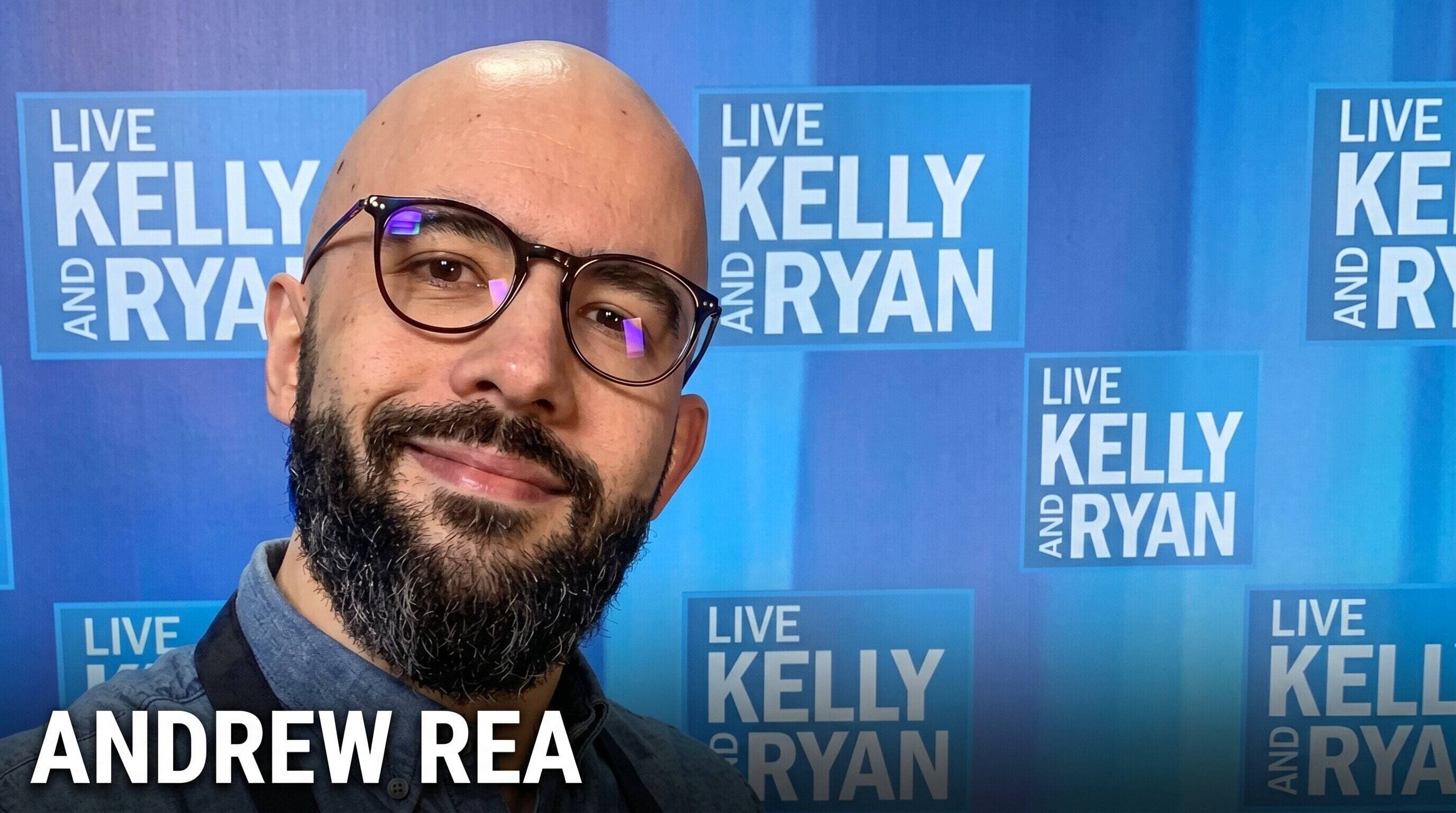
Andrew Rea is the creator behind Babish Culinary Universe, the 10.5 million-subscriber cooking channel formerly known as Binging with Babish. What started as one guy recreating dishes from movies and TV shows in a tiny kitchen became a full media company with multiple shows, three cookbooks, a cookware line, and a multimillion-dollar production investment. Rea isn't a trained chef. He studied film at Hofstra University and worked as a visual effects artist before ever picking up a camera in his kitchen. His mother taught him to cook before she died when he was 11. That early education, combined with a film degree nobody was hiring for, turned out to be the exact recipe for what came next. In 2016, Rea was living with a friend in Queens, New York. He'd recently ended his marriage to his high school sweetheart after 10 years together. He was depressed. Working a job in visual effects he didn't love. And he had $6,000 worth of camera equipment he'd bought on a whim. The apartment was small. The only room big enough to film in was the kitchen. He set up a tripod, and it accidentally cut off his head in the frame. That mistake became his signature style. His first video, a turkey burger from Parks and Recreation, got about 2,000 views. Not viral. But the concept clicked: take a dish from a movie or TV show, and figure out how to actually cook it. It was specific, repeatable, and nobody else was doing it. Then the Moistmaker happened. Rea recreated the Thanksgiving sandwich from Friends, and the video exploded: 2 million views, tens of thousands of new subscribers, and enough Patreon support ($10,000/month) to quit his day job (Mashed). Within a year of that episode, he was a full-time creator. Three things separated Babish from every other cooking channel on YouTube. He picked a niche nobody owned. Recreating fictional dishes from pop culture was so specific that it created its own category. You didn't search "cooking channel" and find Babish. You searched "how to make the Krabby Patty from SpongeBob" and found the only person who'd made a real one. He let the food be the star. The faceless format (born from a camera accident) removed ego from the equation. No personality mugging. No "hey guys, welcome back." Just hands, a cutting board, and a running voiceover. It felt more like a documentary than a vlog. He expanded before he plateaued. In 2017, at just 70,000 subscribers, Rea published his first cookbook, Eat What You Watch. That same year he launched Basics with Babish, a fundamentals cooking show that captured an entirely different audience: people who wanted to learn, not just watch. His second cookbook, Binging with Babish (2019), became a New York Times bestseller with a foreword by Jon Favreau. By 2020, Rea had rebranded the channel to Babish Culinary Universe and turned a solo YouTube operation into a media company. His Instagram hit 1M+ followers. The business today spans five distinct revenue streams:
Revenue StreamDetails
YouTube Ads20M+ monthly views, estimated $8M+ lifetime ad revenue
Sponsored Content50%+ of channel revenue from brands like Squarespace and Bokksu
Cookbooks3 published (2017, 2019, 2023), one NYT bestseller
CookwareLicensed line with Gibson USA: knives, Dutch ovens, cast iron
Production InvestmentMultimillion-dollar backing from Made In Network (2024)
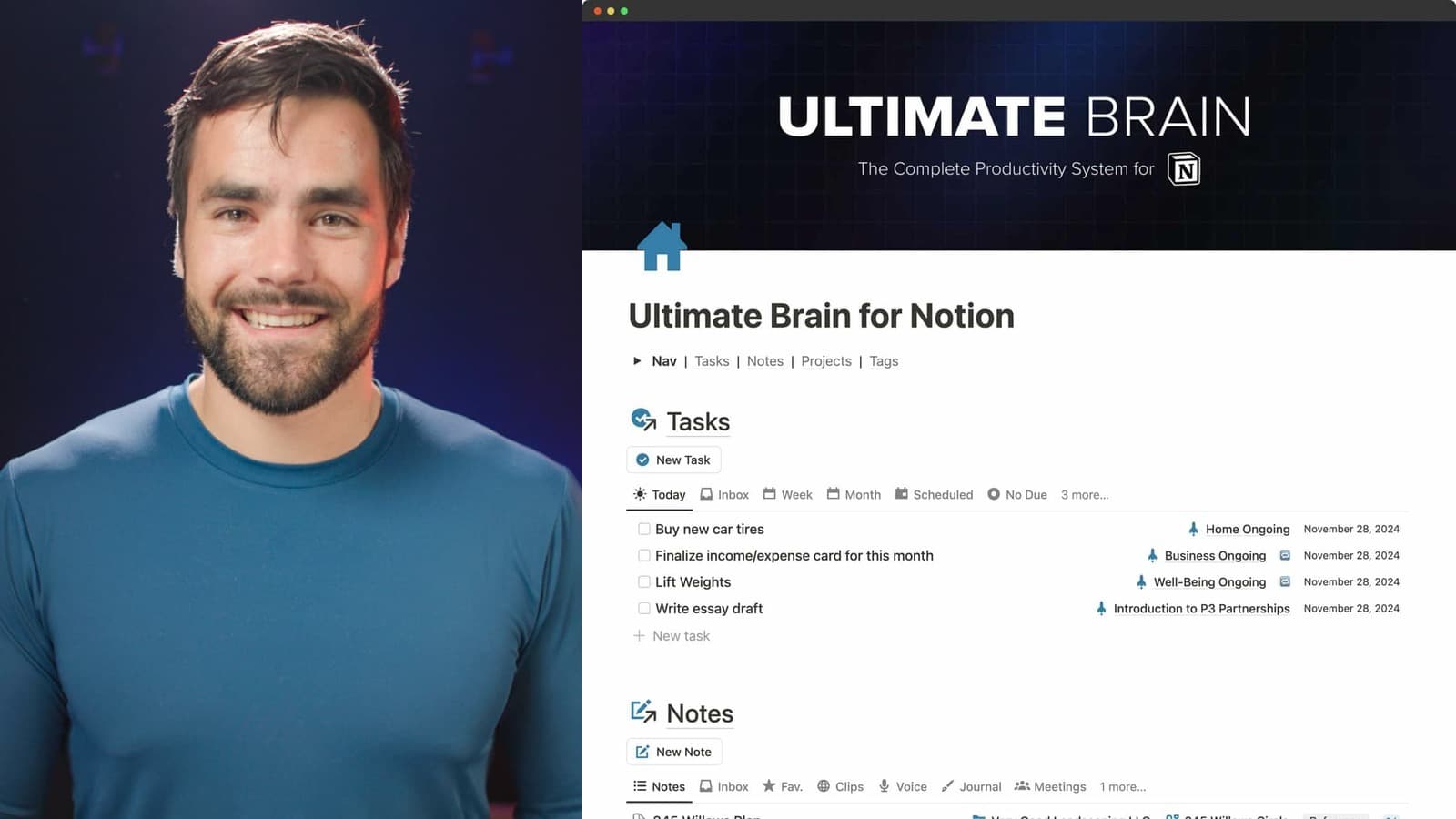
The Made In Network investment is worth paying attention to. They'd been Rea's production partner since 2017. In 2024, they put real capital behind BCU to increase staff by 50%, launch four new series, and get Babish-branded products into retail stores (Tubefilter). "Their investment has enabled us to operate better and ideate bigger," Rea told Tubefilter. That's the trajectory: single camera, then media company, then retail brand. A similar arc to Thomas Frank's path from college blog to $2M Notion template empire.
Babish Culinary Universe expanded from a single YouTube show to cookbooks, cookware, and a full production company
Niche beats broad every time. Rea didn't try to be a cooking channel. He tried to be the one channel that makes fictional food real. That specificity made him impossible to ignore and impossible to replicate. The same principle applies to creator apps: the more specific the product, the harder it is to compete with. Your audience generates your content. Every new movie and TV show gave Rea a new video idea without brainstorming. His viewers requested dishes in the comments, creating an infinite content loop. This is exactly how creator apps function as content calendars: user activity writes your next post for you. Revenue diversification keeps you alive. Rea has said publicly that YouTube's revenue swings unpredictably when other creators' controversies affect the entire platform. Cookbooks, cookware, sponsorships, and investments all reduce that dependence. But the strongest diversification play is one Babish hasn't made yet. Andrew Rea proved something most creators never figure out: a single content niche can become a real business. Cookbooks, cookware, a production company, retail distribution. That's founder territory. But everything in the Babish empire is either a one-time purchase (cookbooks, cookware) or dependent on someone else's platform (YouTube ads, brand deals). There's no recurring revenue that compounds month over month. The playbook for turning content into a subscription product already exists. The audience is already there. The only missing piece is the product itself. Picture a Babish subscription app: guided cooking lessons, recipe collections organized by technique, community challenges where subscribers recreate dishes together. Fans who already watch every video would pay $5/month to cook along interactively. At just 1% conversion of his 10.5 million subscribers, that's 105,000 paying subscribers. At $5/month, that's $525,000 in monthly recurring revenue, or $6.3M per year, from a single product. That's more than YouTube ads. More predictable than brand deals. And it compounds while he sleeps. Built by Foundry builds these products for creators in three weeks, at $0 upfront. We handle all the tech forever. You own the business. Babish proved the audience. The question is whether he'll build the product.
Let's Build →
Babish Culinary Universe has over 10.5 million YouTube subscribers and more than 3 billion total video views. Estimates vary, but YouTube ad revenue alone is estimated at $8M+ lifetime from 3 billion views. Sponsored content makes up over 50% of channel revenue. Combined with cookbooks, cookware, and brand deals, total annual revenue likely exceeds $2M. Yes. In 2020, Rea partnered with Gibson USA to launch a Babish-branded cookware line including German steel knives, cast iron skillets, Dutch ovens, and other kitchen essentials. The products are available at major retailers. No. Rea studied film at Hofstra University and describes himself as an "enthusiastic home cook." He learned to cook from his mother as a child and is entirely self-taught.

Get Creator Revenue Insights

How creators are turning audiences into subscription businesses

You might also enjoy...

Babish: Tiny Kitchen to 10M-Sub Cooking Empire