

App Development

Apple App Store Payment Dates 2026: When Do You Get Paid?

Built by Foundry
July 7, 2026
Share
Apple App Store Payment Dates 2026: When Do You Get Paid?

Get Creator Revenue Insights

How creators are turning audiences into subscription businesses
Share
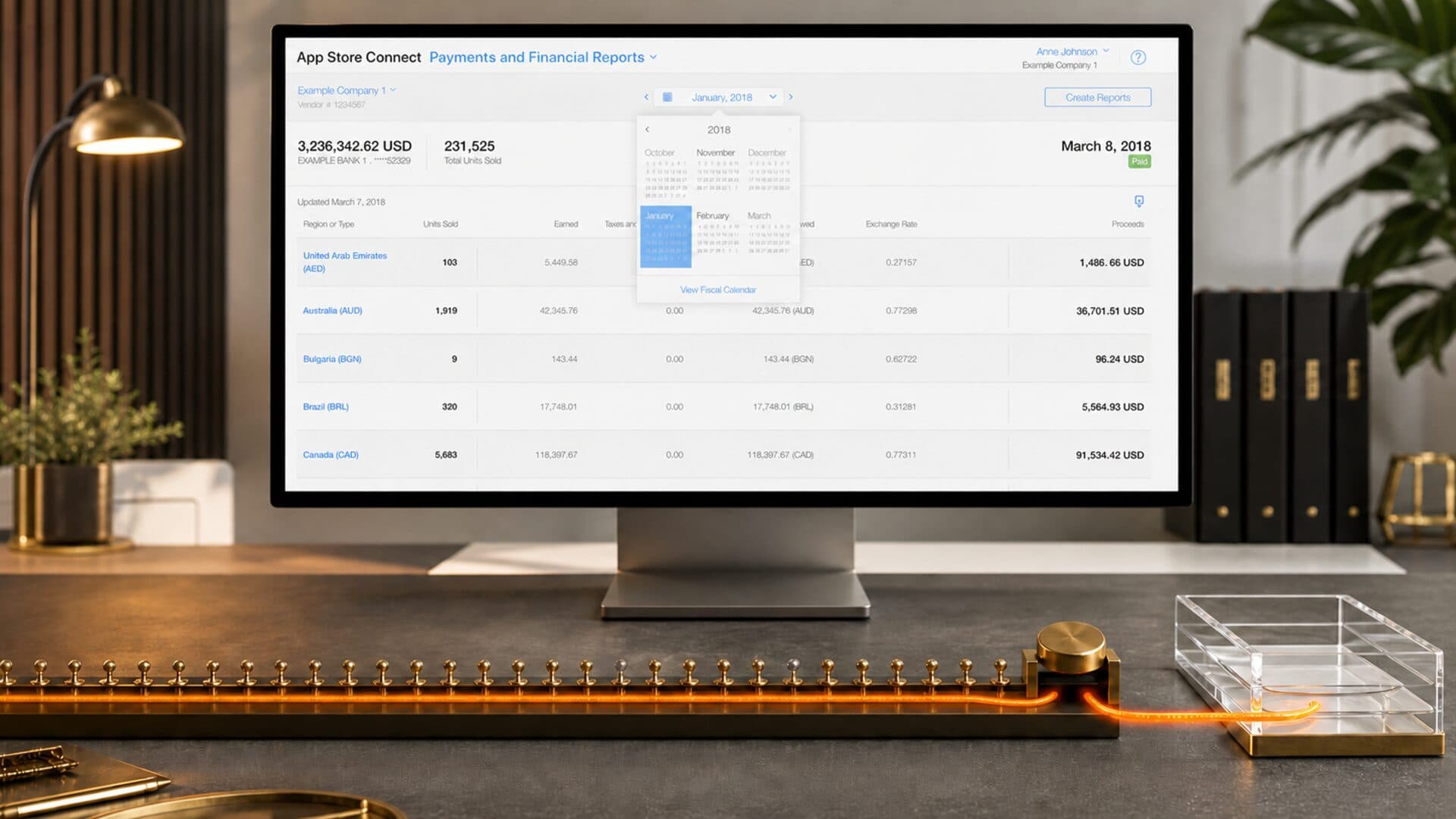
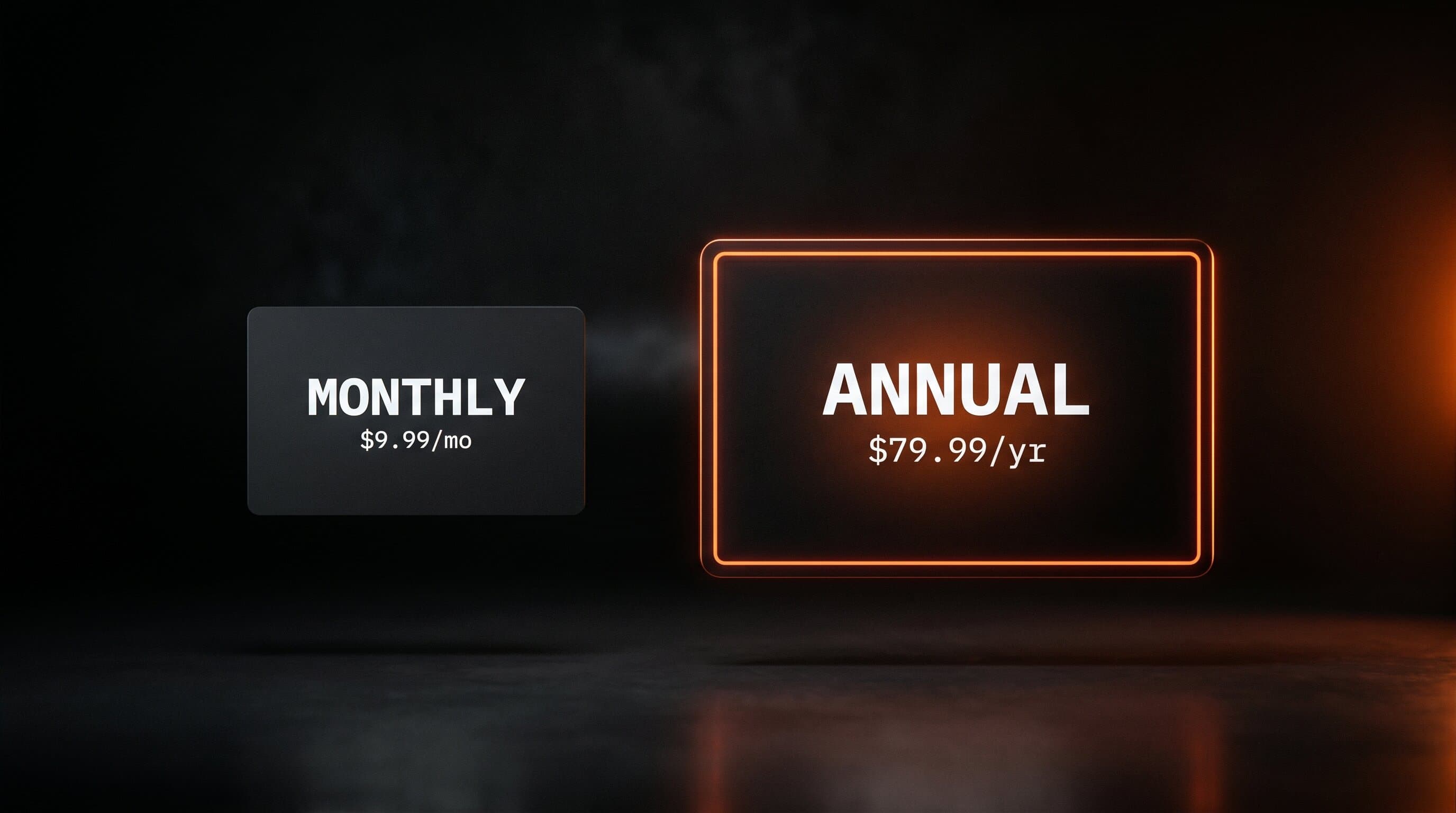
Your app makes a sale on a Tuesday. A subscriber in Ohio taps the annual plan, Apple charges their card, and your dashboard ticks up by $79.99. Then a strange thing happens: nothing. No deposit, no transfer, no email. The money exists, you can see it, and it will not arrive for roughly two months. That gap confuses every app owner the first time, and it has nothing to do with you or your app. Apple runs its own fiscal calendar, pays on its own schedule, and has done it the same way for years. Once you know the rhythm, the payouts land like clockwork. This guide lists every App Store payment date for 2026, explains the fiscal calendar behind them, and covers Google Play's schedule too, so you always know when the next payout is coming. Key Takeaways:
  • Apple pays App Store developers 12 times a year, once per fiscal month, 33 days after that fiscal month closes.
  • The next Apple payment date is July 30, 2026, covering sales from May 31 through June 27.
  • The gap between a sale and the cash arriving is usually 5 to 9 weeks. That is normal and applies to every app on the App Store, from indie games to Netflix.
  • Google Play pays faster: sales from one calendar month pay out around the 15th of the next month.
  • Your dashboard revenue is real. It is earned money sitting in Apple's payout queue, not an estimate.
  • Apple does not publish an official payment schedule, so the dates below are reliable estimates built from Apple's fiscal calendar. They occasionally shift by a day.
Apple divides its year into fiscal months that do not line up with calendar months. Each fiscal month covers a specific sales window, and the payment for that window arrives 33 days after the window closes. Here is the full 2026 App Store payout schedule:
Payment dateCovers sales from
January 2, 2026November 2 – November 29, 2025
January 29, 2026November 30 – December 27, 2025
March 5, 2026December 28, 2025 – January 31, 2026
April 2, 2026February 1 – February 28, 2026
April 30, 2026March 1 – March 28, 2026
June 5, 2026March 29 – May 2, 2026
July 2, 2026May 3 – May 30, 2026
July 30, 2026May 31 – June 27, 2026
September 3, 2026June 28 – August 1, 2026
October 2, 2026 (estimated)August 2 – August 29, 2026
October 30, 2026 (estimated)August 30 – September 26, 2026
December 4, 2026 (estimated)September 27 – October 31, 2026
Read it left to right: if your app sold subscriptions in early June, that money arrives July 30. If it sold subscriptions in July, that money arrives September 3. The dates toward the end of the year are estimates because Apple has not closed its fiscal 2027 calendar yet, but they follow the same 33-day pattern Apple has kept for years. Apple's fiscal year is 364 days split into four quarters. Each quarter holds one 35-day fiscal month and two 28-day fiscal months, which is why the sales windows in the table above are uneven. Every five years or so Apple adds an extra week to realign the fiscal calendar with the regular one. When a fiscal month closes, Apple reconciles everything inside it: currency conversions across 175 storefronts, refunds, failed renewals, and local taxes. Then it pays 33 days later. The one quirk worth knowing is the November fiscal month, which sometimes pays a few days early, right around the new year. None of this is negotiable and none of it is unique to your app. Apple pays Spotify, Duolingo, and your app on the exact same dates. Google runs a normal calendar. Sales from the 1st through the end of a month pay out around the 15th of the following month. June sales arrive around July 15, July sales around August 15, and so on. Google skips weekends and bank holidays, so the deposit can slide a day or two. The practical difference: Android revenue reaches your account roughly two to four weeks faster than iOS revenue. If your app is live on both stores, expect two deposits a month on two different rhythms. Yes. The number you see in your dashboard is recognized revenue from completed transactions. The subscriber's card was charged the moment they subscribed. The money is earned and sitting in Apple's or Google's payout queue with a scheduled arrival date from the table above. The clean way to think about it: your dashboard tells you how the business is performing today. Your bank account tells you how the business was performing about two months ago. Both are accurate. They are just on different clocks. The dashboard number is the one that matters for tracking your MRR, because it reflects real subscriptions the moment they happen. This matters most in your first quarter after launch. A strong launch month feels strange when the bank account stays quiet for eight weeks, and then the deposits start stacking. From that point on, money arrives every month like a payroll, always trailing the dashboard by the same predictable gap. If your app leans on annual plans (and it probably should), those larger upfront payments follow the exact same schedule, so the first deposits after launch can be substantial. The short version to remember: Apple pays about five weeks after its fiscal month ends, Google pays on the 15th, and every sale your app makes is already yours. The calendar just takes a moment to catch up. Apple pays 12 times a year, once per fiscal month, 33 days after the fiscal month closes. The gap between an individual sale and the deposit is usually 5 to 9 weeks depending on where the sale falls in the fiscal month. The next Apple payment date is July 30, 2026, covering sales from May 31 through June 27, 2026. After that, September 3, 2026 covers sales from June 28 through August 1. The full 2026 schedule is in the table above. Monthly, around the 15th, covering the previous calendar month's sales. Google skips weekends and bank holidays, so the deposit occasionally lands a day or two later. Effectively yes. Apple and Google pay on the same schedule everywhere, though local bank processing can add a day or two before the deposit shows up in your account. Both stores hold a payout if the balance is under their minimum threshold for a given region, then roll it into the next cycle. Nothing is lost. It just arrives a month later in one larger deposit. The payout is net of the store's commission, refunds issued during the period, and local taxes the store collects on your behalf. Dashboards typically show proceeds after commission, so the numbers land close, but refunds and tax adjustments can move a payout by a few percent. How that payout then splits between you and a development partner depends on your deal, which is worth understanding before you sign one (here is how revenue share works in creator app deals). Inside App Store Connect, under Payments and Financial Reports. Apple keeps about two years of fiscal calendars there. The payment dates themselves are not officially published anywhere, which is why every resource on the internet, this one included, calls them estimates.

Creator app strategy

Want us to review your creator business?

Apply for a Foundry Creator App Review. We'll tell you whether there is a real app opportunity hiding in your audience.

Apple App Store Payment Dates 2026: When Do You Get Paid?