

Case Studies & Success Stories

Max Miller: 5 Paid Tiers, One Free Tasting History Show

November 8, 2026
Share
Max Miller: 5 Paid Tiers, One Free Tasting History Show

Get Creator Revenue Insights

How creators are turning audiences into subscription businesses
Share
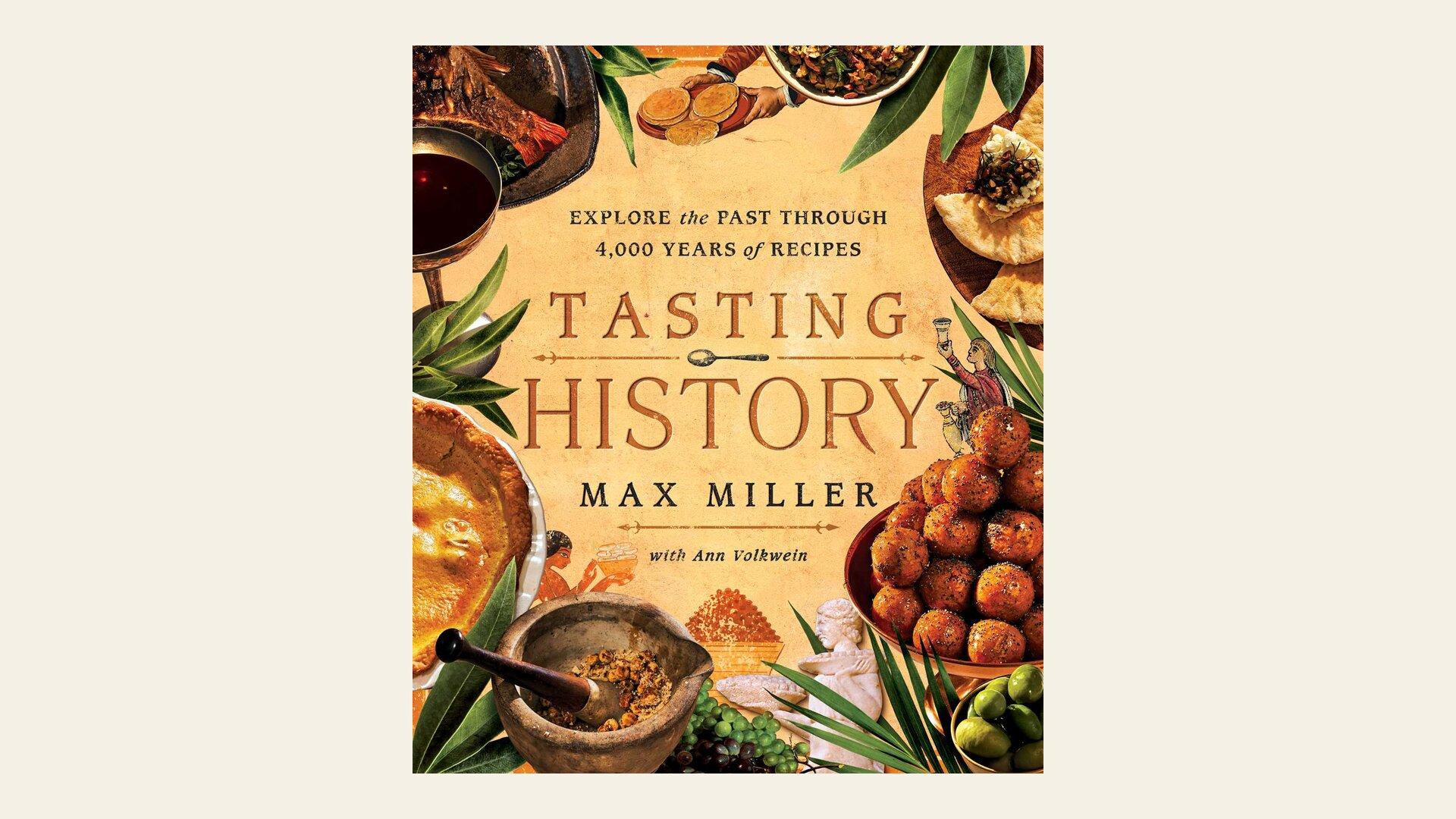
Max Miller's latest recipe is available without a subscription. His November 3 post supplies the ingredients, method and historical source for medieval fried beans, including an explanation of how he adapted the seasoning. You can watch the episode, cook the dish and leave without paying him. Beside that free work sits a business with several invitations to buy: a cookbook, five paid membership tiers and trips built around food and history. Miller's Tasting History YouTube channel displayed 4.52 million subscribers when checked on November 8, 2026. That audience count establishes reach. The more useful question for a creator building a business is what each customer gets for paying. Miller offers a particularly clear example because access to the underlying recipe remains free. Each paid offer has to earn its place beside it. Hero photograph: Shanna Fisher, via Simon & Schuster. Reframed from the publisher's author portrait. Max Miller's public offers include a cookbook, Patreon memberships, merchandise and guided travel experiences. These establish ways customers can pay; they do not disclose his revenue, profit or the share each activity contributes. The origin matters. In his 2023 interview with Eater, Miller said he expected a narrow audience and was surprised by how much viewers enjoyed the history. His show began in February 2020. Its appeal gave him something specific to carry into products: the pleasure of discovering the past through food. His merchandise page offers shirts referencing hardtack and garum, alongside an embroidered apron. These are references a regular viewer can recognize. They extend the show's identity into objects people can use or wear. That is a useful starting point for another specialist creator. Before choosing a product format, identify the part of your work people return for. A cooking audience may be buying curiosity, confidence, companionship or a dependable dinner. Those lead to different businesses. The publisher lists Tasting History, by Max Miller with Ann Volkwein, at $32.50 for the 256-page hardcover edition. Retail prices may differ. Published in April 2023, it collects more than sixty dishes, pairing original recipes with modern recreations. The book gives a buyer a finished selection, photographs and a physical reference. Those are meaningful differences from searching an episode archive. Someone can put it beside a stove, read it away from a screen or give it to a friend who has never subscribed to the channel.
The authentic Tasting History cookbook cover, credited to Max Miller with Ann Volkwein, centered on a landscape canvas
Cover supplied by Simon & Schuster. A free archive and a paid collection can serve different occasions. The editorial work of selecting and assembling material is part of what the buyer receives. Charging for that requires a clear account of why this particular collection belongs in someone's life. For a creator considering a similar product, the practical question is which use the audience already attempts. Do viewers bookmark recipes? Ask for reading lists? Want a giftable introduction to your subject? Those observations provide a better brief than assembling every popular post into a download. Our gross margin guide then helps separate what a product sells for from what the business keeps. Tasting History's $5 monthly Patreon tier offers ad-free episodes and community access. Higher tiers add recognition, live participation and, at some levels, merchandise. Members can pay for their relationship with the show while the public recipe remains available. The live membership page, viewed in US dollars on November 8, showed these monthly options:
TierMonthly price
Yeoman of the Pantry$5
Steward of the Buttery$10
Marshal of the Spicery$15
Dean of the Larder$25
Chef Master Cook of the Kitchen$40
The tier descriptions connect support to ingredients used in production. A monthly live happy hour appears from the $15 tier. The $25 tier adds merchandise after three months of patronage, with further items at three-month intervals and an international shipping qualification. That last detail has an operating consequence. A reward can create packaging, fulfillment and support work long after the subscription charge. Higher prices need to cover the obligations attached to them. For an educational creator, this expands the range of possible offers. A subscription can support the continued work and give customers a way to participate. It does not have to remove the useful public lesson. Our JustinGuitar profile examines another business built around keeping instruction accessible. Miller's own website links to Tasting History journeys with Journey Goal Travel. The partner's page advertises a Paris and Seine trip for November 12 to 19, 2026, including private events with Max and culinary experiences. It also lists departures in 2027. These are advertised itineraries, not evidence of sold seats or completed trips. The offer fits the subject closely. Watching someone explore food history can create a desire to explore it together. A guided journey gives that desire a different purchase occasion from a book or membership. It also requires a different operation: reservations, suppliers, itineraries and traveler support. The named travel partner makes that operating relationship visible. The public pages do not reveal Miller's contract, ownership arrangements or earnings, so those remain unknown. For creators, the lesson is to match the product's promise with the people responsible for delivering it. A compelling announcement is only the beginning of a customer obligation. If you make food, craft, history or science content for an engaged audience, some fans may love the subject without wanting to practice it. Miller's offers accommodate several ways to enjoy his work: watch an episode, keep a collection, support production, join a conversation or travel around the theme. Before committing to your own paid product, investigate three things:
  • The occasion. Ask recent buyers what they were trying to do when they purchased. Keep their actual answers, including gifts and simple enjoyment.
  • The continuing value. For a subscription, describe what remains useful in month four. Include the work required to provide it.
  • The delivery. Assign responsibility for support, fulfillment and improvements before you promise them to customers.
With the holidays approaching, the difference between a book and a membership becomes practical: one is a finished object, while the other promises access over time. Our gift subscription guide explains what happens when that access expires. At Built by Foundry, our model starts with a business the creator can own and customers have a reason to use. Miller's public offers provide a useful standard for the product brief: specify the experience being purchased and the operation needed to deliver it.
Our work

Creators who already did this

These are apps we designed, built, shipped, and still run today, with the creator keeping the code and the audience.

Brandon Whiteleather

Brandon Whiteleather

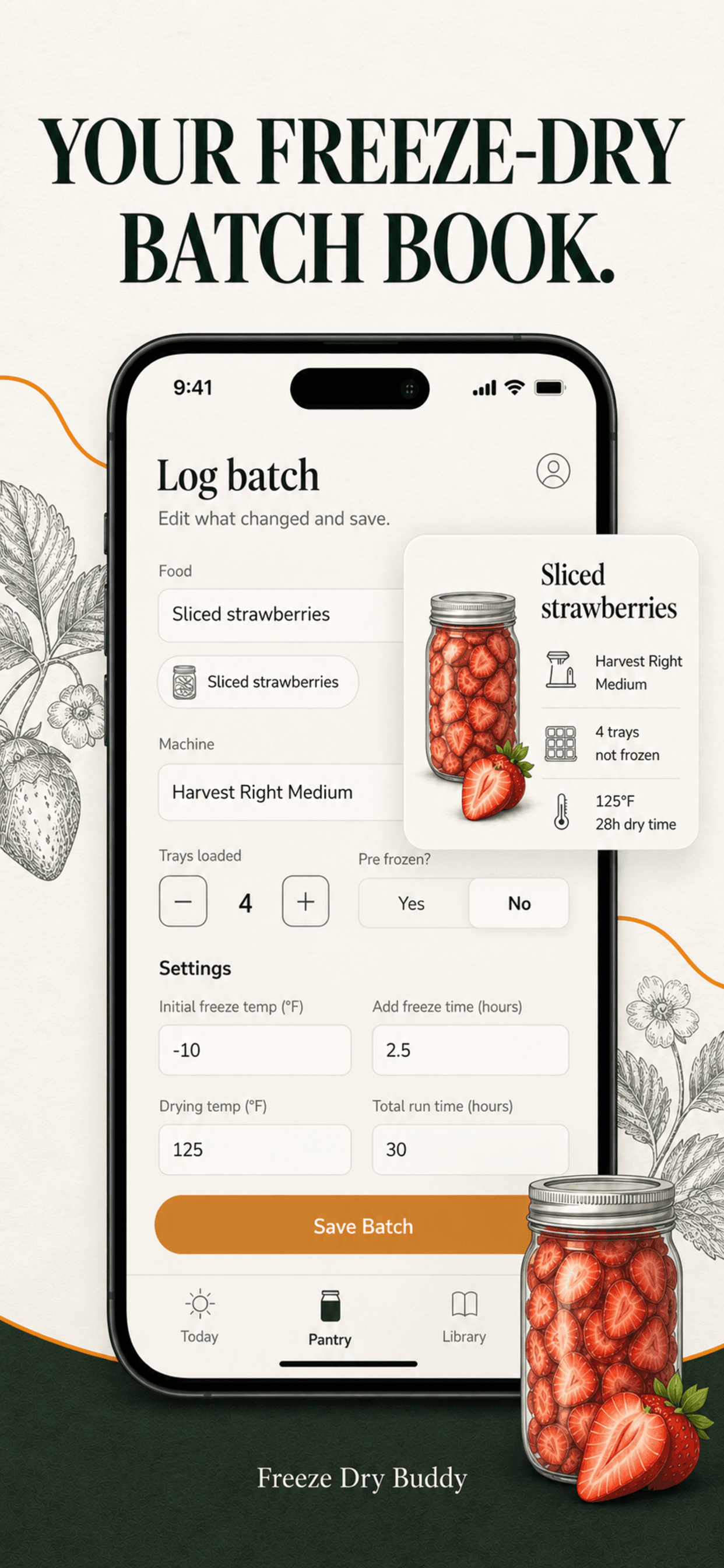
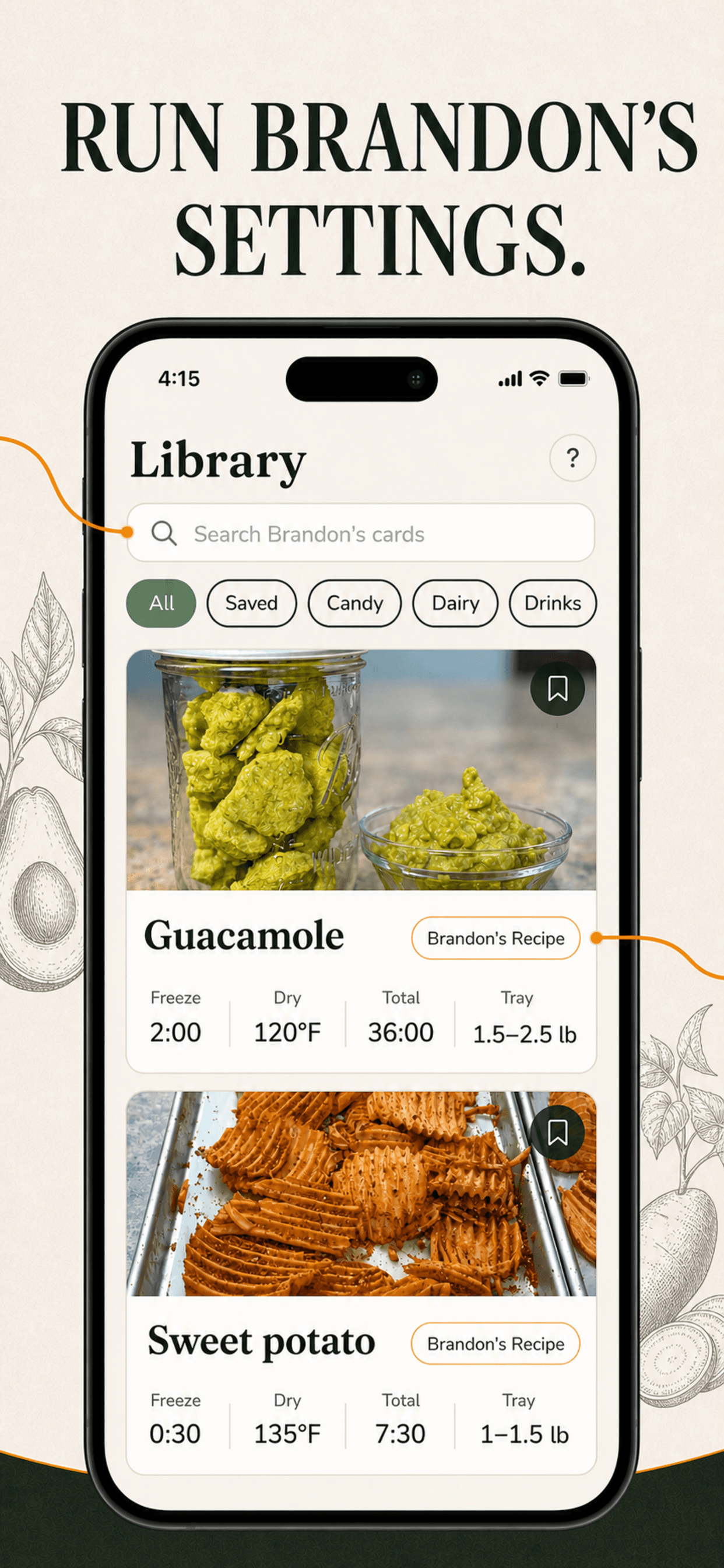
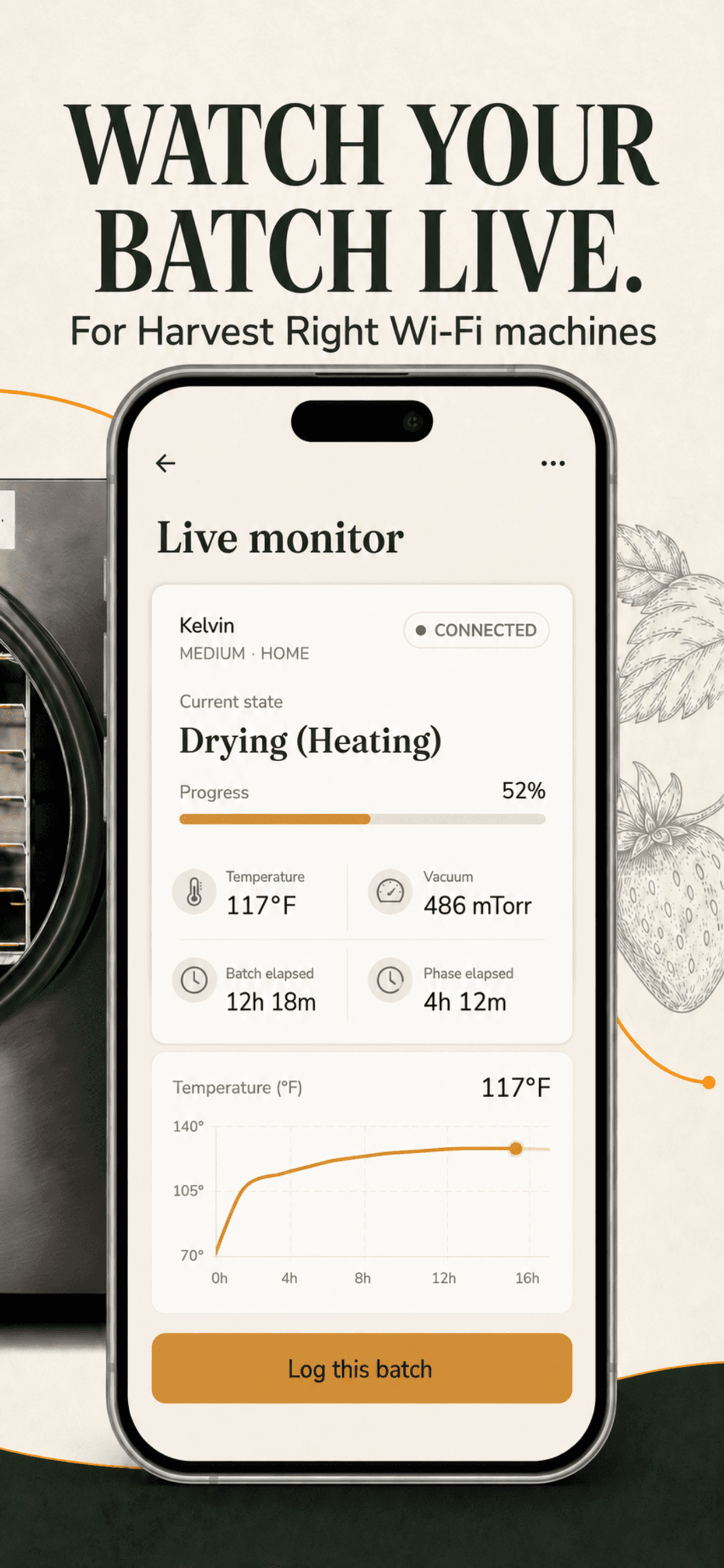
Founder & CEO of Freeze Dry Buddy

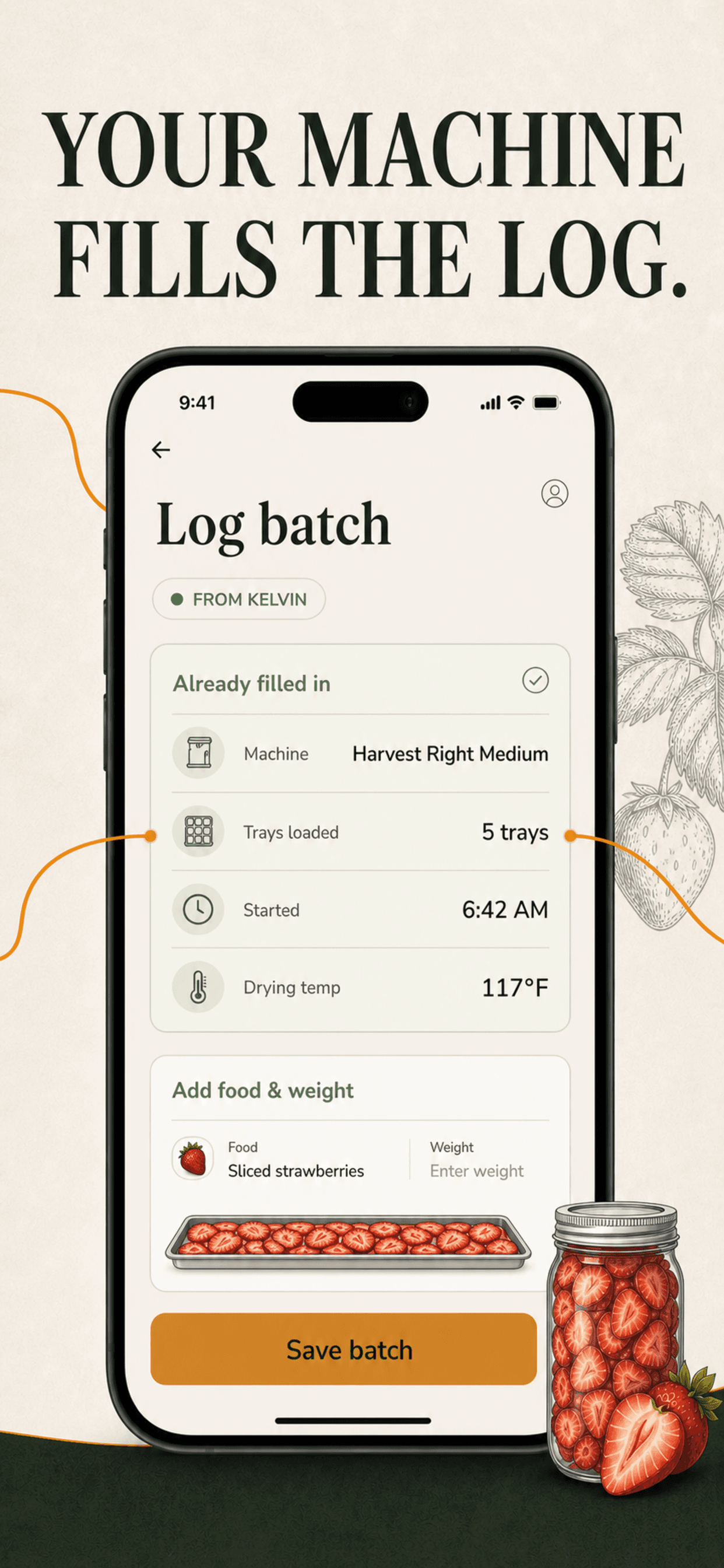
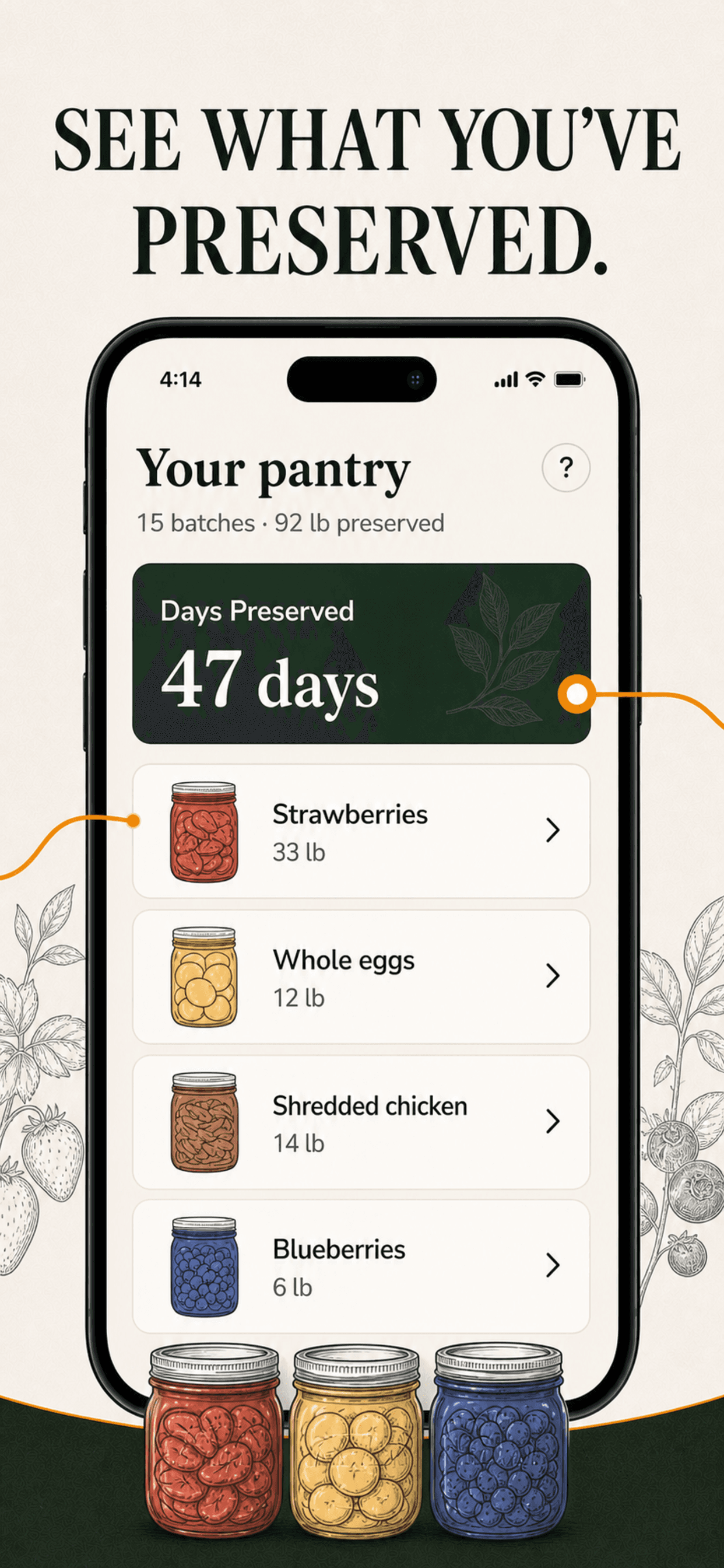
Freeze drying made foolproof, from a homesteader who's done it 1,000 times.

Top Food App1.4M+ followers
Read the case study
Kristen Donathan

Kristen Donathan

Founder & CEO of Stain Fix

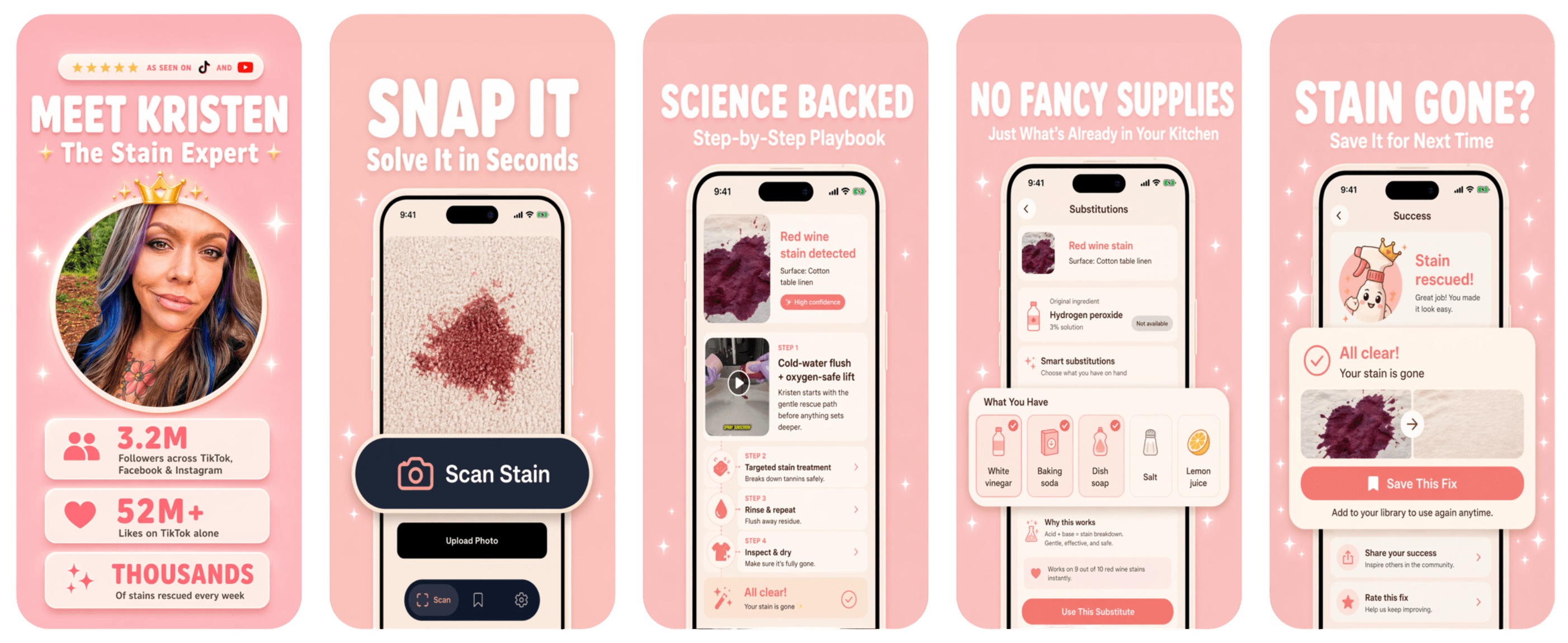
Snap a stain. Get the fix in seconds.

Top Lifestyle App1.5M+ followers
Read the case study
Stain Fix screenshots
Ellie Fausett

Ellie Fausett

Founder & CEO of Vector Guard

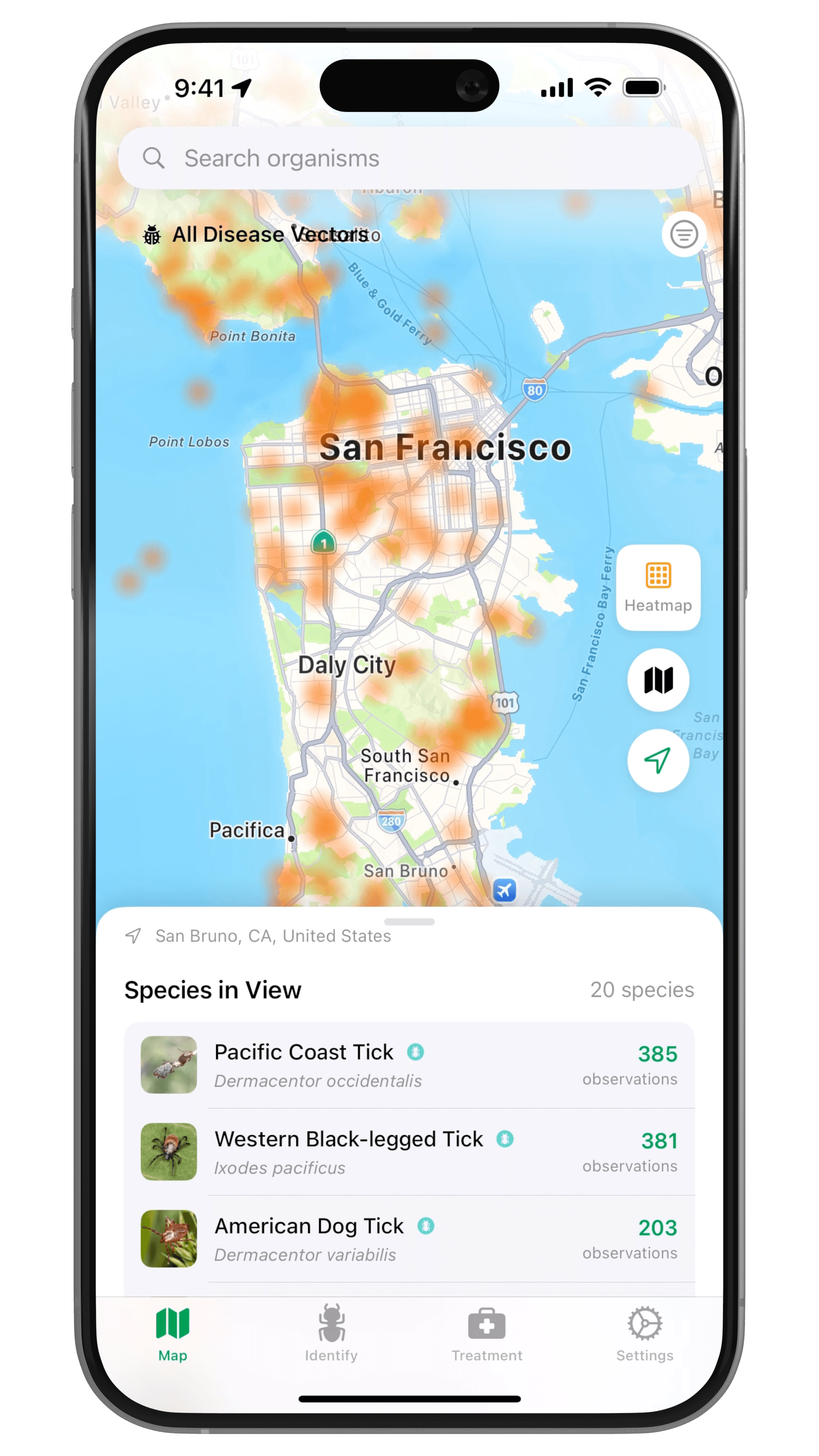
Spot disease-carrying pests before they reach your family.

Top Health App
Read the case study
Vector Guard screenshots

Creator app strategy

Curious what your app could be?

Enter your handle and BUILT BY FOUNDRY will research your audience and present custom app concepts. Free.

Max Miller: 5 Paid Tiers, One Free Tasting History Show