

Case Studies & Success Stories

Leila Gharani: 3 Lessons From Selling Excel to Teams

November 9, 2026
Share
Leila Gharani: 3 Lessons From Selling Excel to Teams

Get Creator Revenue Insights

How creators are turning audiences into subscription businesses
Share
Someone watches your tutorial because a report is due tomorrow. Their manager wants the whole department to stop getting stuck on that report. Those are two customers with different reasons to buy. Leila Gharani's XelPlus serves both. Her public lessons help people solve office problems, while her business sells structured training to individuals and teams. The interesting part for another expert creator is how the offer changes when the person approving the purchase also needs to know whether anyone used it. Three takeaways:
  • Package your expertise around a task the customer needs to complete.
  • Give the person paying for a team a way to manage the purchase after checkout.
  • Include the continuing cost of your access and support promises in the business model.
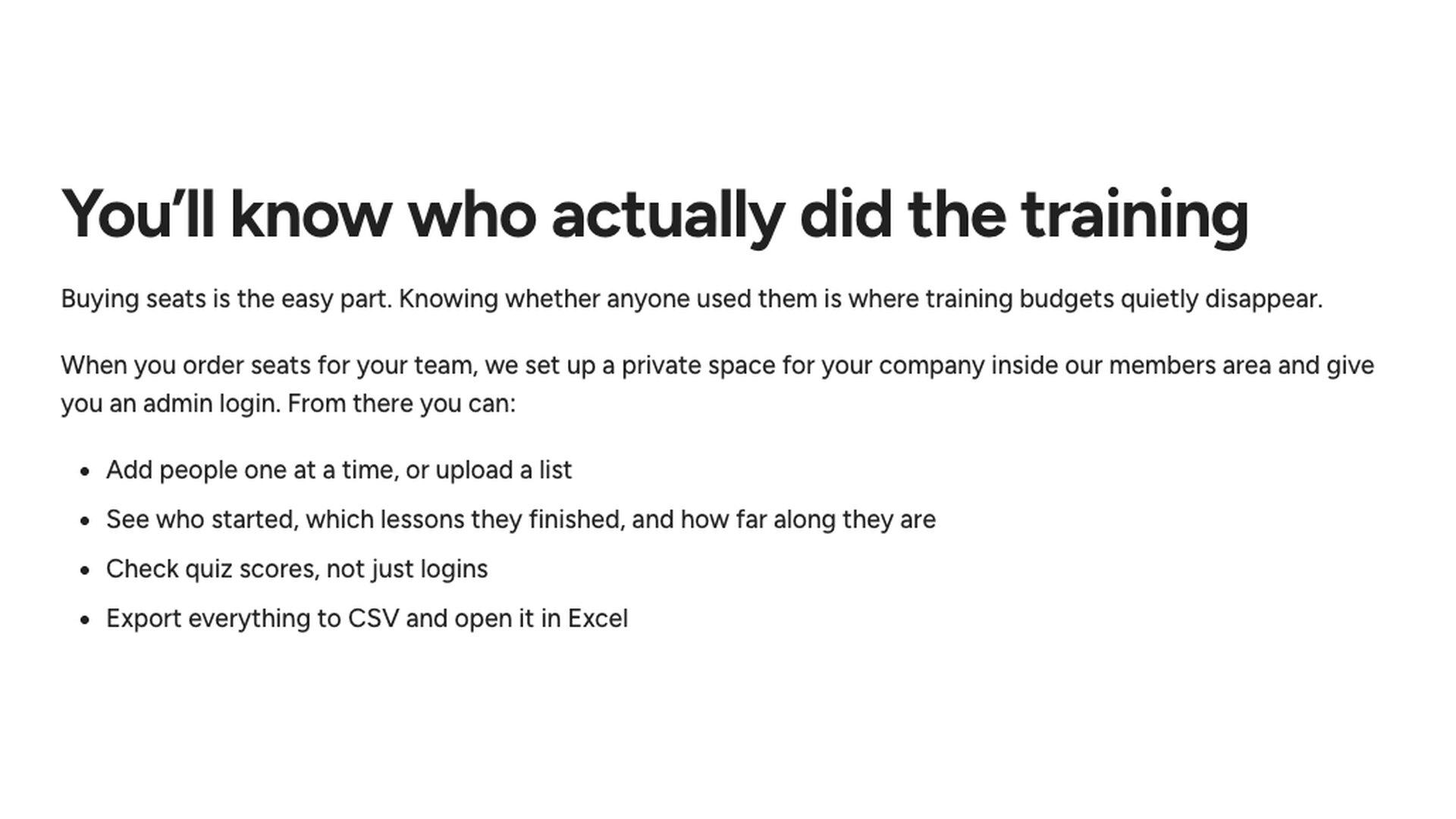
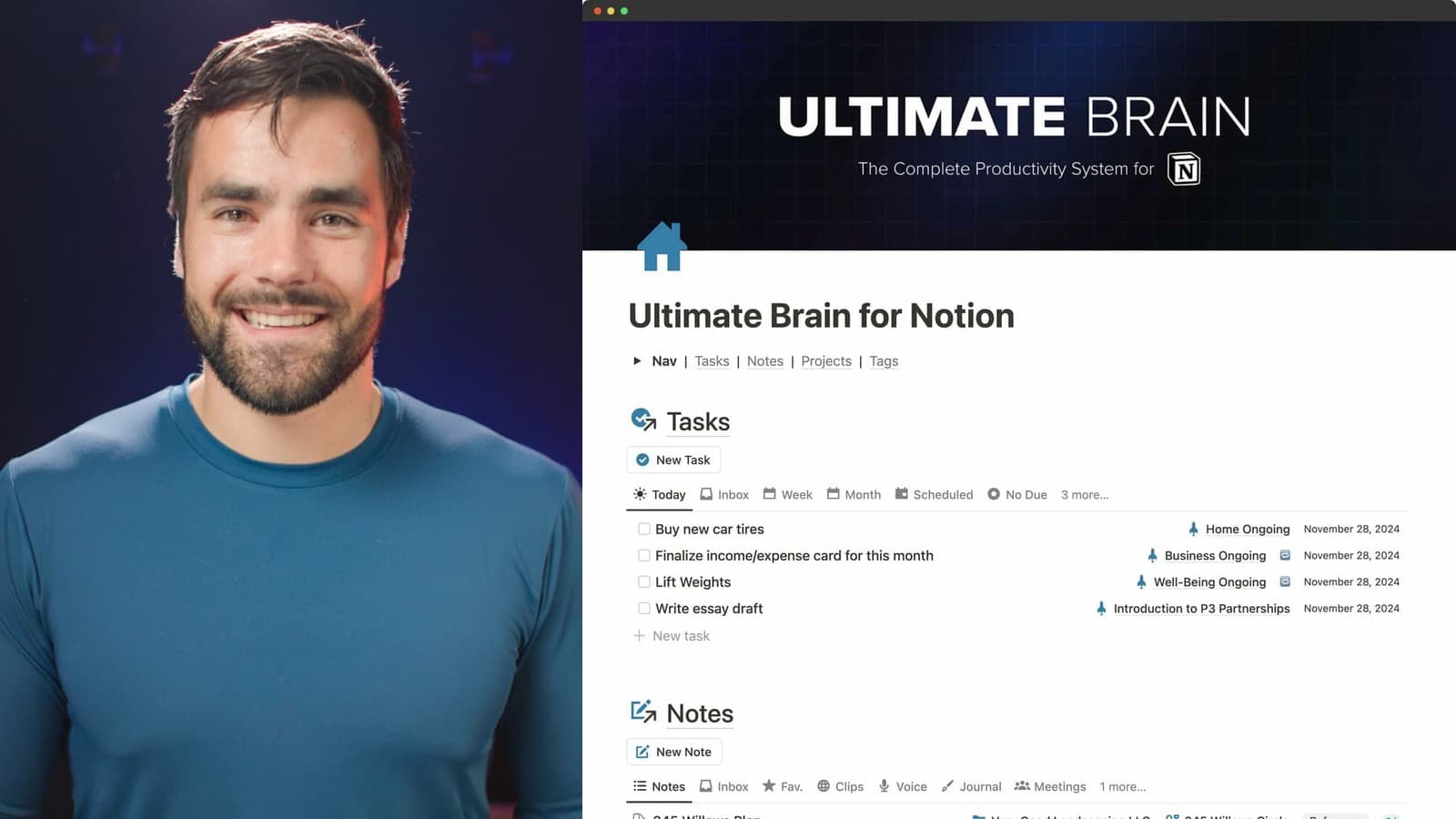
Hero photograph: XelPlus's official biography page, reframed for this article. Leila Gharani is the founder of XelPlus, a training business focused on Excel, Power BI and other workplace tools. Her official biography says she began as an economist in Canada, then worked in consulting, finance and IT in Austria. Her YouTube channel has grown beyond three million subscribers, according to that biography. The expertise came before the channel. In Microsoft's interview with Gharani, originally published in 2020, she described building Excel reporting tools at a paper company and spending about twelve years on SAP and Oracle projects. Training colleagues was the part she wanted to do more often. She founded XelPlus in 2015, as she later explained in a first-person interview with Lookeen. That history matters to the product: she had seen the work people needed to finish, the systems they inherited and the places they got stuck. XelPlus makes the paid offer concrete. Its current course catalog lists the Black Belt Excel Bundle at $997, with eight courses plus bonuses. That is a listed individual price checked on November 9, 2026. Team buyers request a quote. The bundle page lists downloadable workbooks, challenges and quizzes, alongside the video lessons. Those materials give a learner something to attempt and check. For a buyer, they also make the contents of the purchase inspectable before paying. Consider the Power Query curriculum. It includes importing files, handling changes to a source, correcting errors and challenges involving sales and working hours. A student can see the kinds of work the training addresses. That is a useful standard for a creator planning a paid product. Describe the task someone should be able to finish, the material they will practice with and how they will recognize a successful attempt. A promise to become better at your subject leaves all three unclear. Our Thomas Frank profile explores another workplace product: a system a buyer can put to use. Gharani's courses offer a complementary route, teaching the buyer how to perform the work. XelPlus sells course seats to companies and provides an admin login for the buyer. Its business offer describes adding learners, checking lesson progress and quiz scores, and exporting records to CSV. This changes what the buyer can do after the invoice is paid. A manager can discover that somebody needs help or that training has barely begun. The purchase has an administrative purpose alongside its teaching purpose. For an expert creator, that suggests a second research conversation. Ask a follower who uses your advice at work what their manager would need to approve a purchase. Then speak to the manager. The learner's enthusiasm and the employer's buying requirements deserve separate attention.
An excerpt from XelPlus's public business page describing learner enrollment, lesson progress, quiz scores and CSV exports
Source: XelPlus's public business page. This shows the advertised offer; we did not test the private training system. The reporting offer is a reminder that selling more seats introduces work beyond delivering more copies of a course. Someone has to enroll the right people, answer access questions and help the buyer understand what happened. Before offering a team package, map those needs. This is a planning exercise for your own business:
PersonQuestion the product should answer
LearnerWhere do I start, and where can I get help?
ManagerWho has begun, and who needs time or support?
PurchaserWhat did we buy, and who can use it?
The answers can be modest at first. A clear enrollment process and a useful progress report can establish whether employers value the offer before you build elaborate administration software. Completion is only one measurement. A team can finish every lesson and still struggle with its monthly report. A small paid pilot should also ask buyers what changed in the actual work. Treat that as something to investigate, with permission, rather than an outcome the presence of a dashboard proves. Lifetime access creates a continuing delivery promise after the purchase. XelPlus's business FAQ says access has no expiry or renewals, course updates are included and a departing employee keeps their access. The policy makes the training portable for the learner. The Black Belt offer also includes question sections supported by teaching assistants. That is a useful operational detail: a recorded lesson can be delivered repeatedly, while questions still need an answer. These public offers do not disclose XelPlus's revenue, margins or the proportion of sales made to employers. We cannot calculate its economics from a price and an audience count. For your own product, estimate what an existing customer will still need a year after buying. Access recovery, updated materials and teaching help can each require time or money. Our gross margin guide helps distinguish the selling price from what remains after direct delivery costs. Gharani's business gives creators three practical decisions to make before choosing their next product: what the customer will accomplish, who else benefits enough to pay and what the business promises to keep delivering. Start with one offer and one plausible buyer. Write down what happens during the first week after payment. Include the person responsible for access, questions and checking whether the buyer received the promised value. If the buyer is an employer, include the information they need to support their team. A one-time course, an ongoing membership and a software subscription create different obligations. Our Paul Sellers profile examines another teaching business with an ongoing offer. Choose the model around the work customers need and the service you can sustain. That continuing responsibility is central to how Built by Foundry works. We build businesses with creators and keep operating them after launch. The product needs a way to serve the buyer once the announcement has disappeared from the feed.
Our work

Creators who already did this

These are apps we designed, built, shipped, and still run today, with the creator keeping the code and the audience.

Samantha Mae

Samantha Mae

Founder & CEO of NineLives

Cat health tracking from the world's most beloved Scottish Fold.

Top Health App150K+ followers
Read the case study
NineLives screenshots
Liv Merima

Liv Merima

Founder & CEO of Claim It

Custom affirmations that help millions choose themselves.

Top Lifestyle App150K+ followers
Read the case study
Claim It screenshots
Brandon Whiteleather

Brandon Whiteleather

Founder & CEO of Freeze Dry Buddy

Freeze drying made foolproof, from a homesteader who's done it 1,000 times.

Top Food App1.4M+ followers
Read the case study

Creator app strategy

Curious what your app could be?

Enter your handle and BUILT BY FOUNDRY will research your audience and present custom app concepts. Free.

Leila Gharani: 3 Lessons From Selling Excel to Teams