
Case Studies & Success Stories

Kris Collins: 135 Podcast Episodes, 20+ Sponsors, and a $34.95 Monthly Candy Box

October 28, 2026
Share
Kris Collins: 135 Podcast Episodes, 20+ Sponsors, and a $34.95 Monthly Candy Box

Get Creator Revenue Insights

How creators are turning audiences into subscription businesses
Share
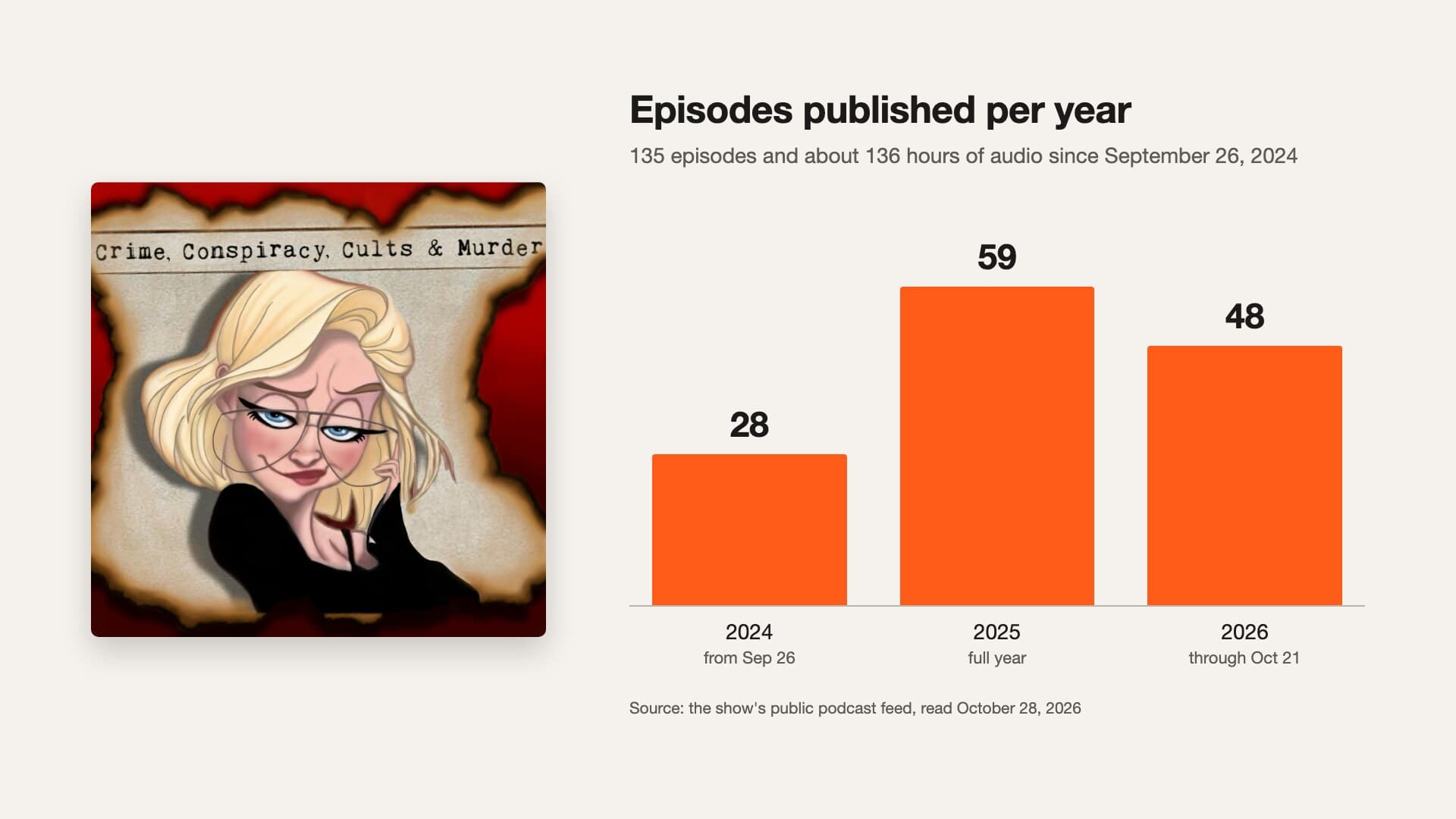
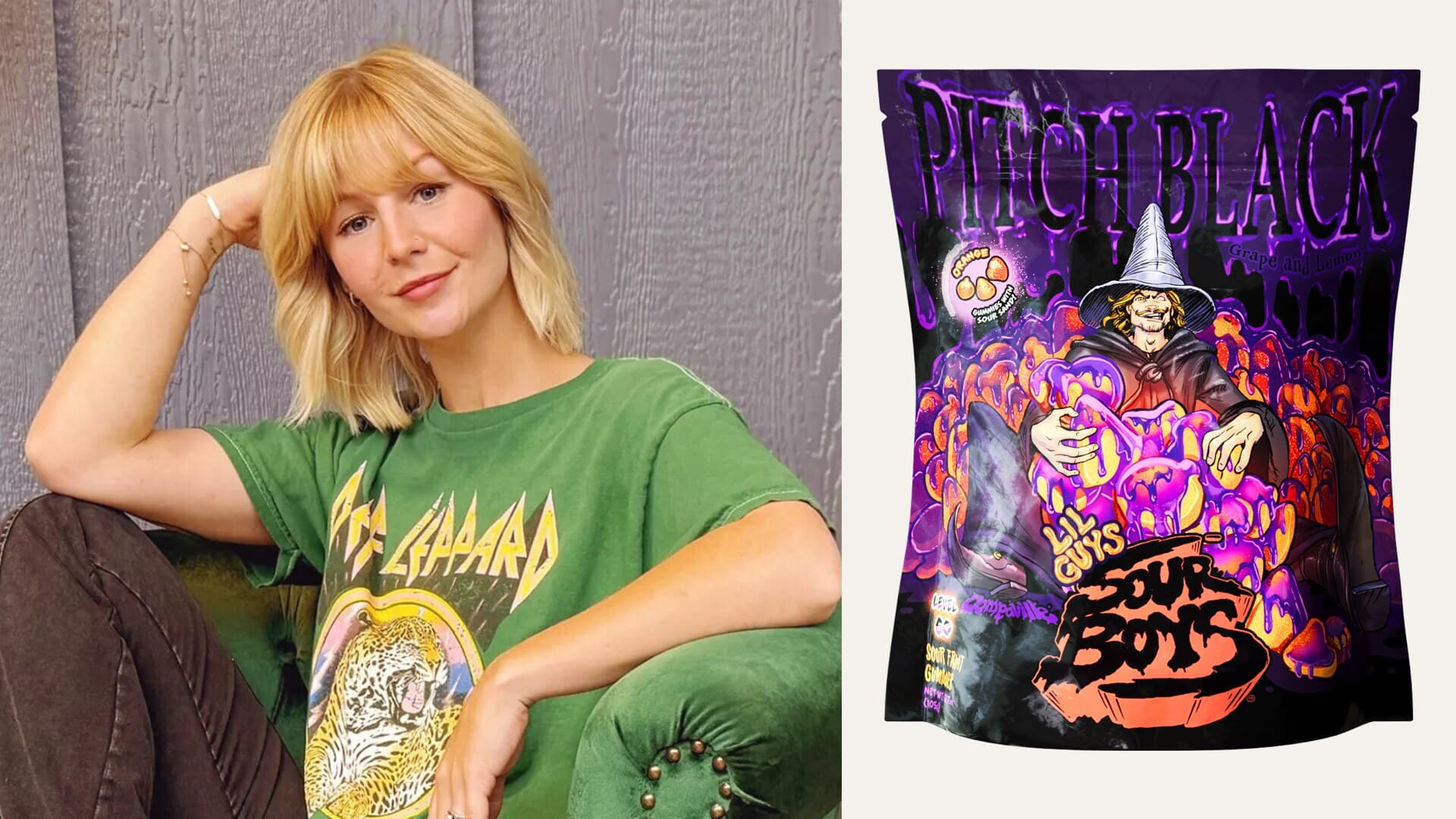
Kris Collins is best known as Kallmekris on TikTok, where her character sketches have earned 50.3 million followers across 2,139 videos. When we checked her public profiles on October 28, 2026, her YouTube channel also showed 13.1 million subscribers. Comedy is how most people found her. The more useful business story is what she has built since then. One is a weekly true crime podcast. The other is a candy company she co-owns, and it sells a box that arrives every month. Those two products earn in different ways. Advertisers pay for the podcast's hours. Fans pay for the candy box. For a creator who already sells something, that difference is the whole lesson. Portrait: Kris Collins in a photograph published by the Dallas Observer, shown with a bag from SourBoys, the candy company she co-owns. Kris Collins is a Canadian comedian and filmmaker who posts as Kallmekris. She hosts the weekly podcast Crime, Conspiracy, Cults and Murder, co-owns the candy company SourBoys, runs the clothing line Otto by Kris, and directed the horror feature House on Eden. Her agency signing made the trade press early. The Hollywood Reporter covered her move to UTA in January 2022 and noted brand partners including Amazon, Lionsgate and Pantene. In May 2025, Variety reported that RLJE Films and Shudder acquired House on Eden, the found-footage film she made with Celina Myers. The Dallas Observer reported its theatrical release on July 25, 2025. Her public links are a good map of her businesses. Her Linktree points to the podcast, a Patreon, the Otto store and her social channels. The description on her June 2024 YouTube announcement calls SourBoys "my co owned candy company." None of these pages discloses revenue, so this profile looks at how each product is structured and leaves earnings out. Crime, Conspiracy, Cults and Murder began on September 26, 2024. Its public feed listed 135 episodes when we read it on October 28, 2026, published under "Kallmekris | Daylight Media." The newest, Episode 135, came out on October 21. Episodes 132 through 135 each came out on a Wednesday, a week apart.
Crime, Conspiracy, Cults and Murder by year: 28 episodes in late 2024, 59 in 2025 and 48 through October 2026, about 136 hours of audio in total.
Adding up the feed's episode durations gives about 136 hours of audio. Recent episodes run from about 48 minutes to more than 100. That is a serious amount of work. Researching a case, recording it and editing audio and video every week takes more time than a 60-second sketch. The show notes show who pays for those hours. Across the episodes that list sponsor links, we counted more than 20 advertisers, including Shopify, Zocdoc, Smalls and Lola Blankets. Many come with the discount code CCCM. The show is also on Spotify, where it is free to listen to. There is nothing wrong with this model. Ad-supported shows are a proven business. The catch is that the listener pays nothing, so every renewal is decided by a sponsor's media budget. If you are weighing a paid tier for your own show, our podcast paywall fee comparison and Spotify memberships guide show what each platform takes before the money reaches you.
See What We’d Build You →
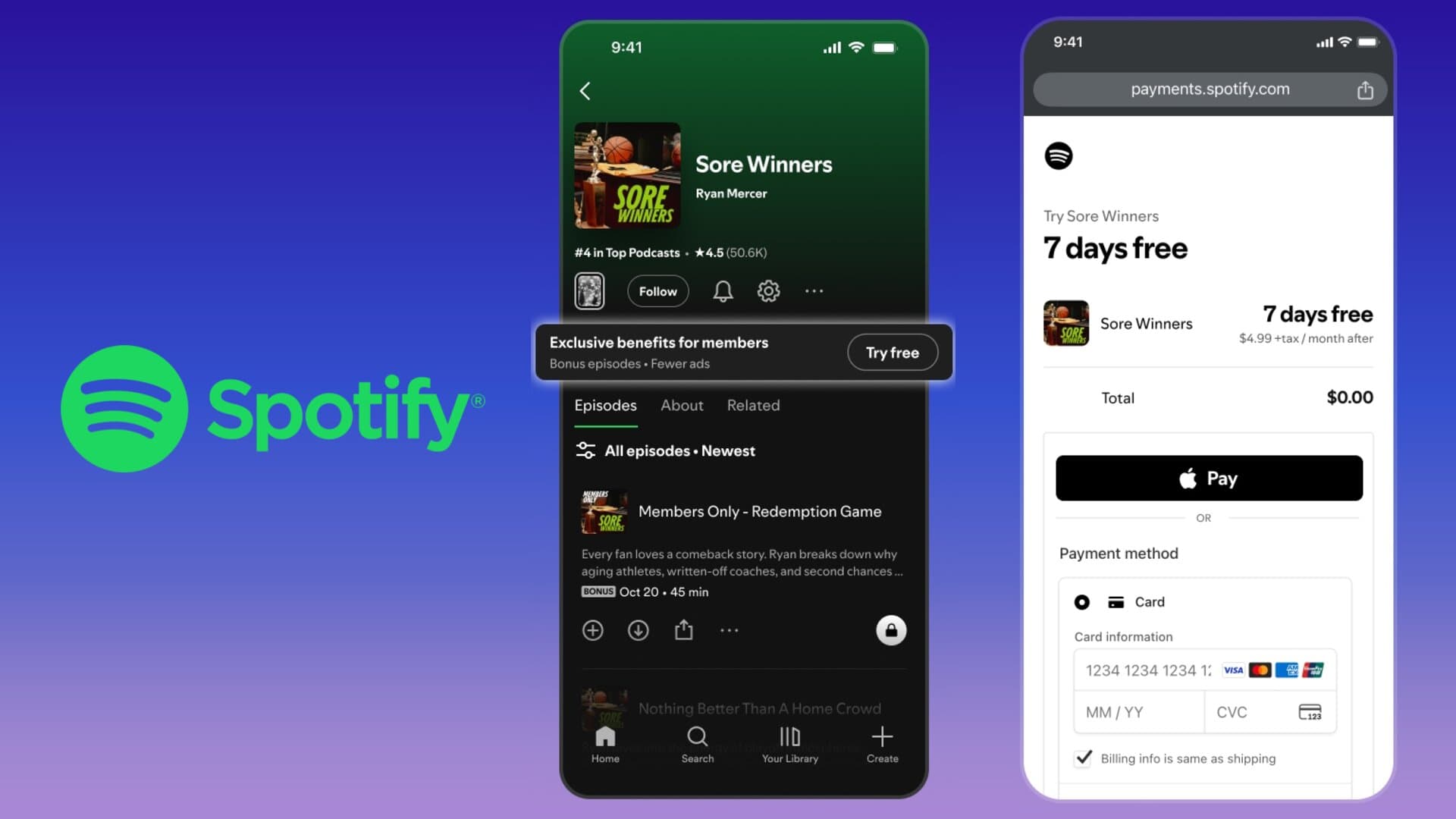
SourBoys is where fans pay directly, and some pay every month. On October 28, the SourBoys store listed 30 products. LilGuys sour gummies cost $5.99 a bag and SourUp! powder costs $2.99. The Squire's Box costs $34.95.
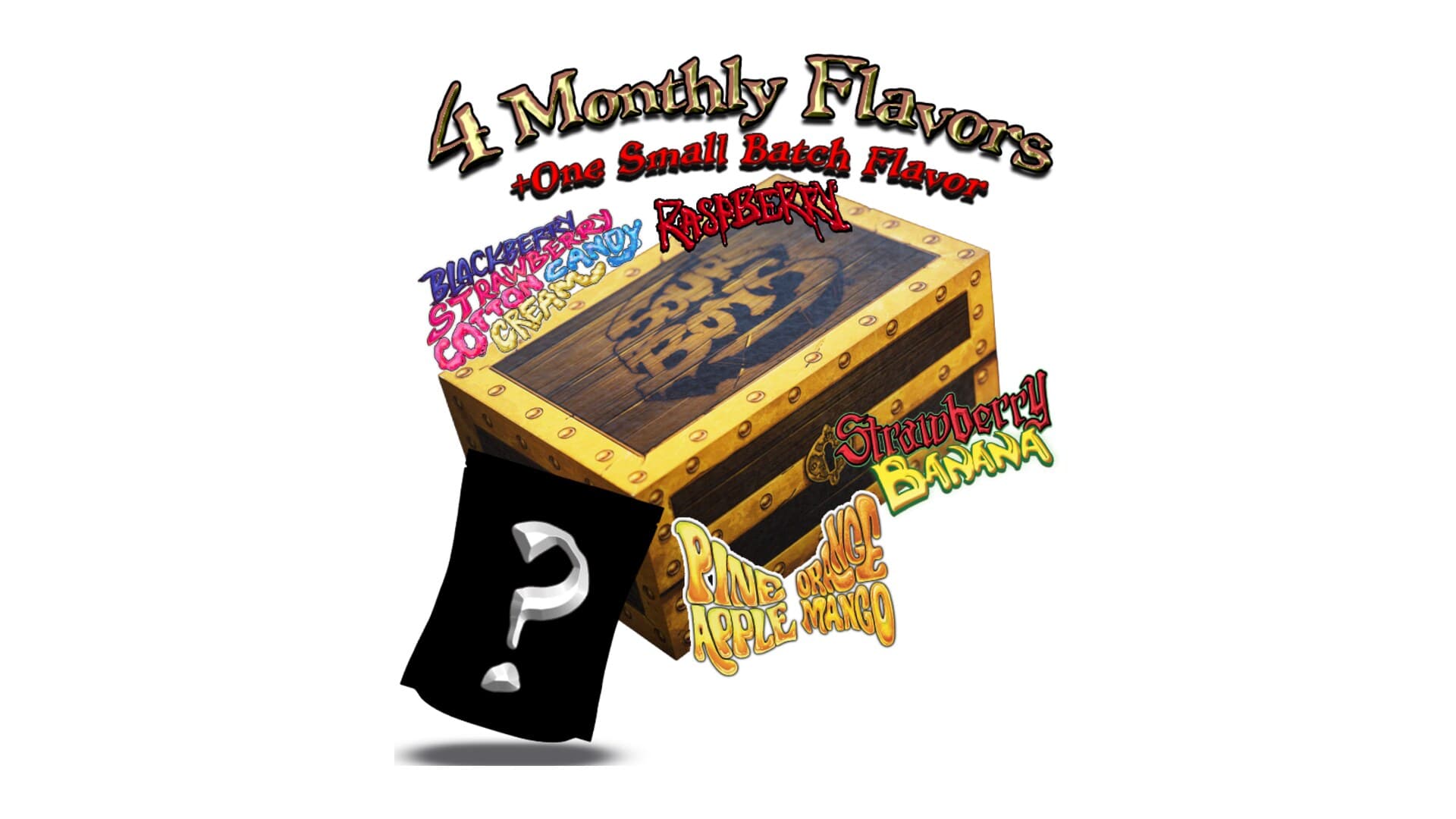
The Squire's Box listing on the SourBoys store: four monthly flavors plus one small-batch bag in a treasure chest.
The Squire's Box page promises five bags every month: four brand-new LilGuys flavors plus one "hyper-rare" small-batch gummy. Shipping is free. Each box includes collectible items and a parchment of lore from Grimtart, the fictional world the brand's characters live in. Subscribers can skip or cancel anytime. Look at what that bundles together. The flavors are new each month, so there is always a reason to open the box. The small-batch bag adds scarcity. And the lore turns candy into a story people follow, the same instinct that powers Collins's sketches and her serialized cases. It is the most recurring product in her public lineup, and it sells something you eat. Otto by Kris shows the opposite pattern. Her YouTube descriptions promote limited releases, such as a "world tour drop" of nostalgic pieces "while you can" get them. When we visited ottobykris.com on October 28, it opened to a password page. A fan who wanted something that day had nothing to buy. Drops work well for clothing. They create urgency and protect the brand from deep discounts. But each drop starts from zero, and a sale depends on the fan being there when it opens. A subscription accumulates instead: last month's customer is still a customer unless they cancel. Lesson 3 is to decide which products should run on drops and which should keep earning in between. Collins has one of each: the closed clothing store and the monthly candy box. The podcast audience adds a third question. Every week, a large group of people chooses to spend an hour with her. Right now, sponsors capture that attention. True crime fans already behave like subscribers. They come back weekly, follow cases for years and like to work things out for themselves. That habit could support a product the listener pays for directly. One example is a monthly case file: a mystery to solve, with evidence, timelines and a final reveal written in the host's voice. We have no inside knowledge of Collins's plans, and nothing in her public record suggests she wants this. The pattern is still useful for any creator with a weekly show. Ask what your audience does between episodes and whether you could sell that habit to them, not just its attention to advertisers. Our profile of James A. Janisse shows another horror creator turning audience trust into a product people buy. This is the work Built by Foundry takes on. We research what a creator's audience would pay for, build it at $0 upfront for a revenue share, and keep running it after launch through App Care. Sometimes that is an app. Sometimes it is a physical product with repeat purchases, like a candy box.
See What We’d Build You →
Kris Collins already has the pieces many creators are still looking for: a huge audience, a weekly show with hours of attention, and a co-owned company with monthly subscribers. What stands out is which product the audience pays her for every month. It is the $34.95 candy box, not the 136 hours of podcast. If your audience already shows up on a schedule, find out what they would pay for on that same schedule.
Our work

Creators who already did this

These are apps we designed, built, shipped, and still run today, with the creator keeping the code and the audience.

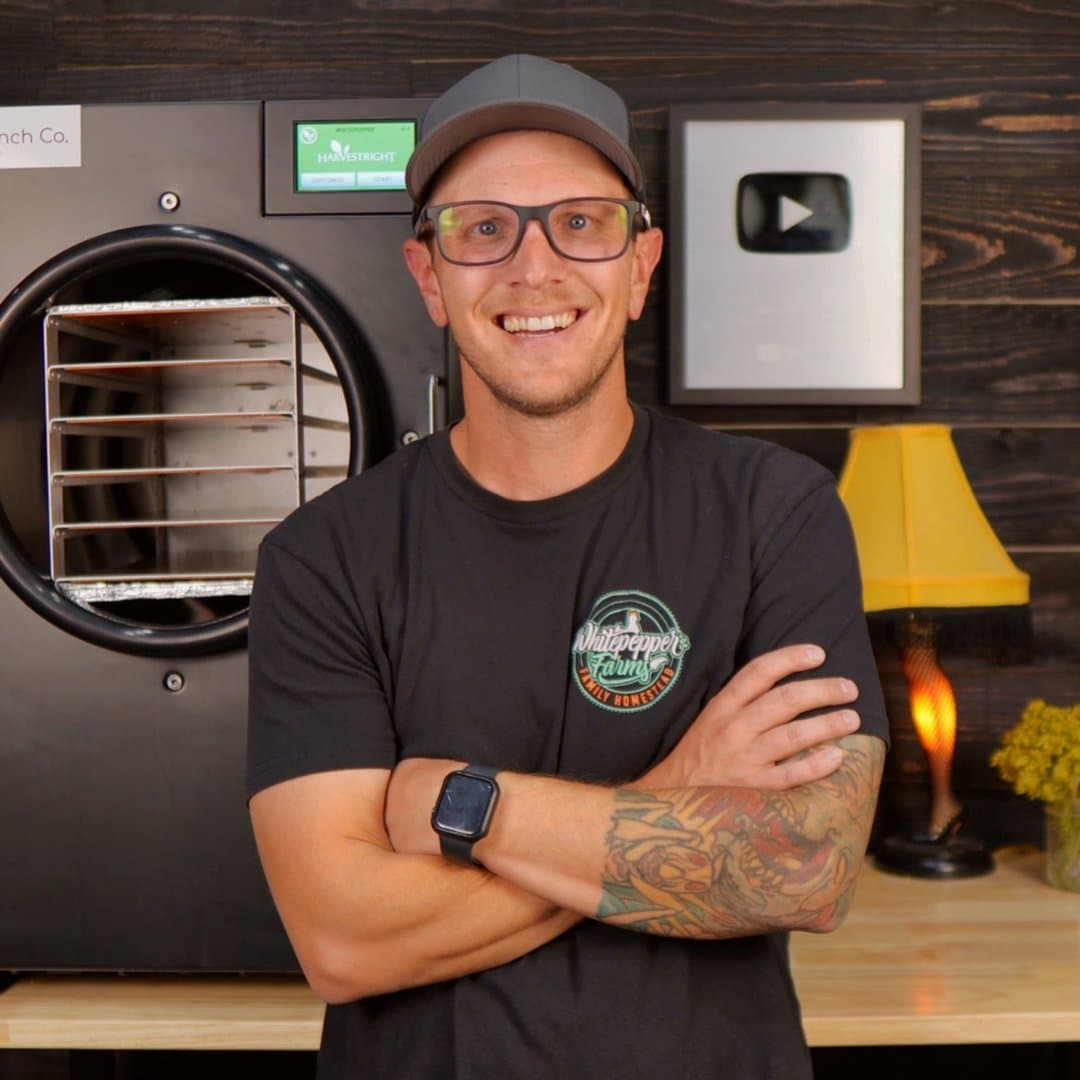
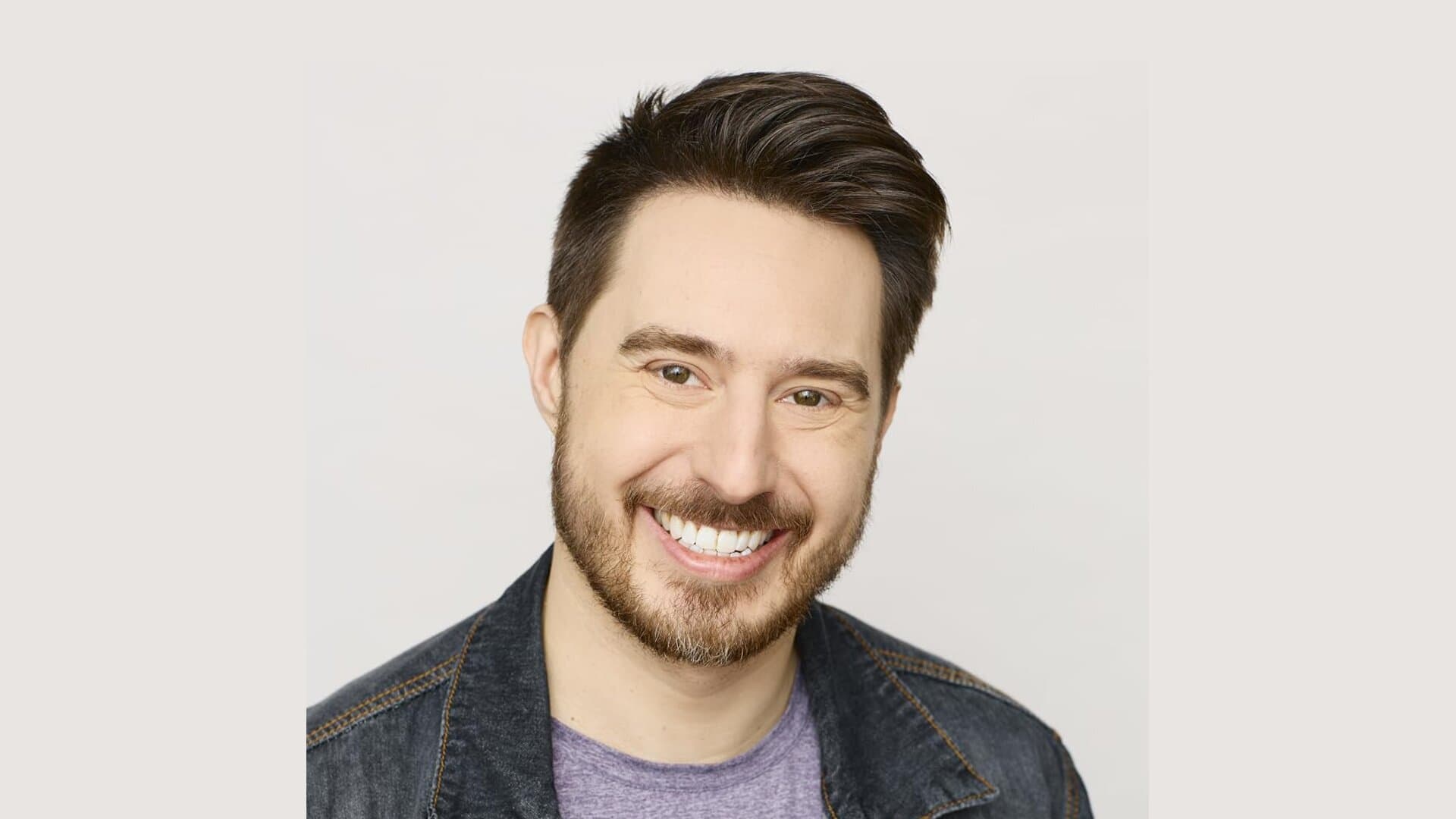
Brandon Whiteleather

Brandon Whiteleather

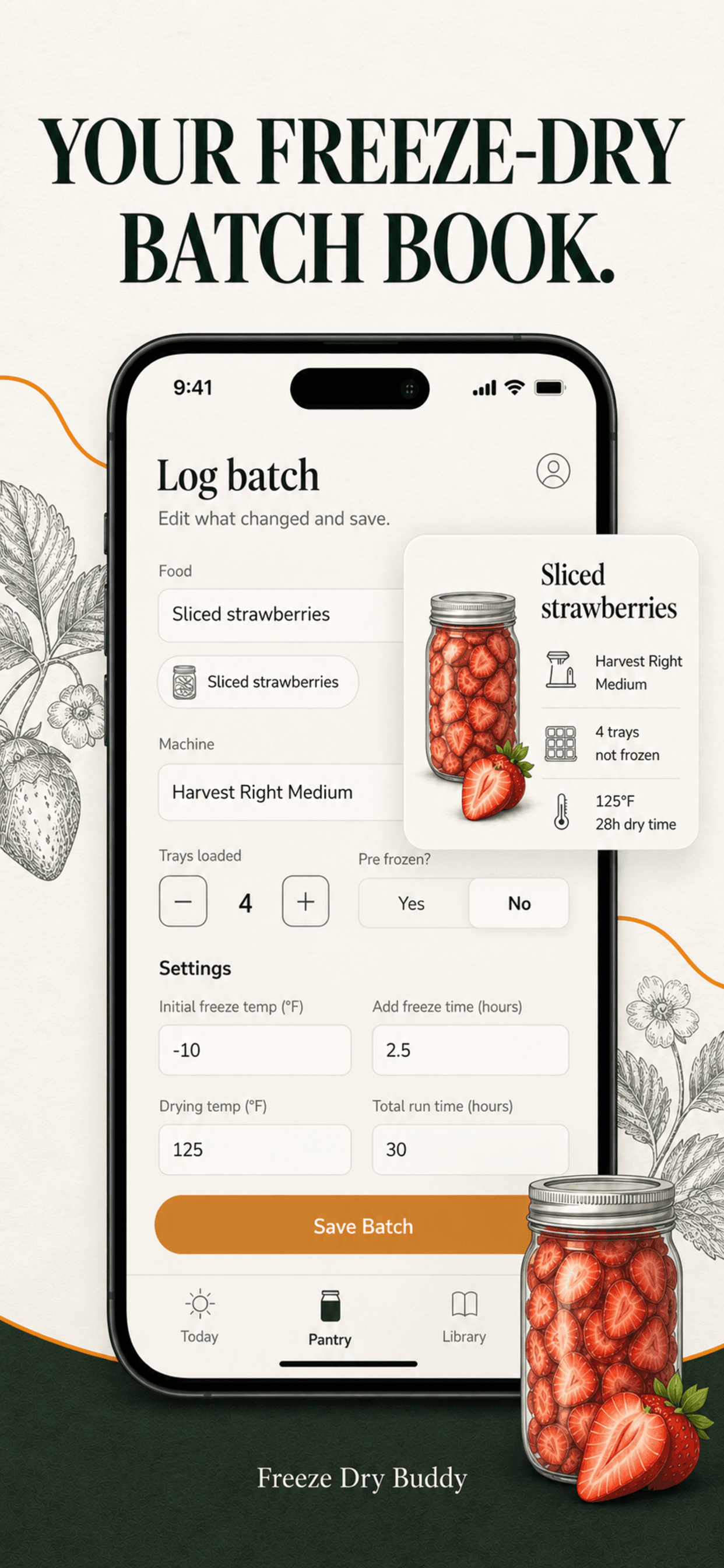
Founder & CEO of Freeze Dry Buddy

Freeze drying made foolproof, from a homesteader who's done it 1,000 times.

Top Food App1.4M+ followers
Read the case study
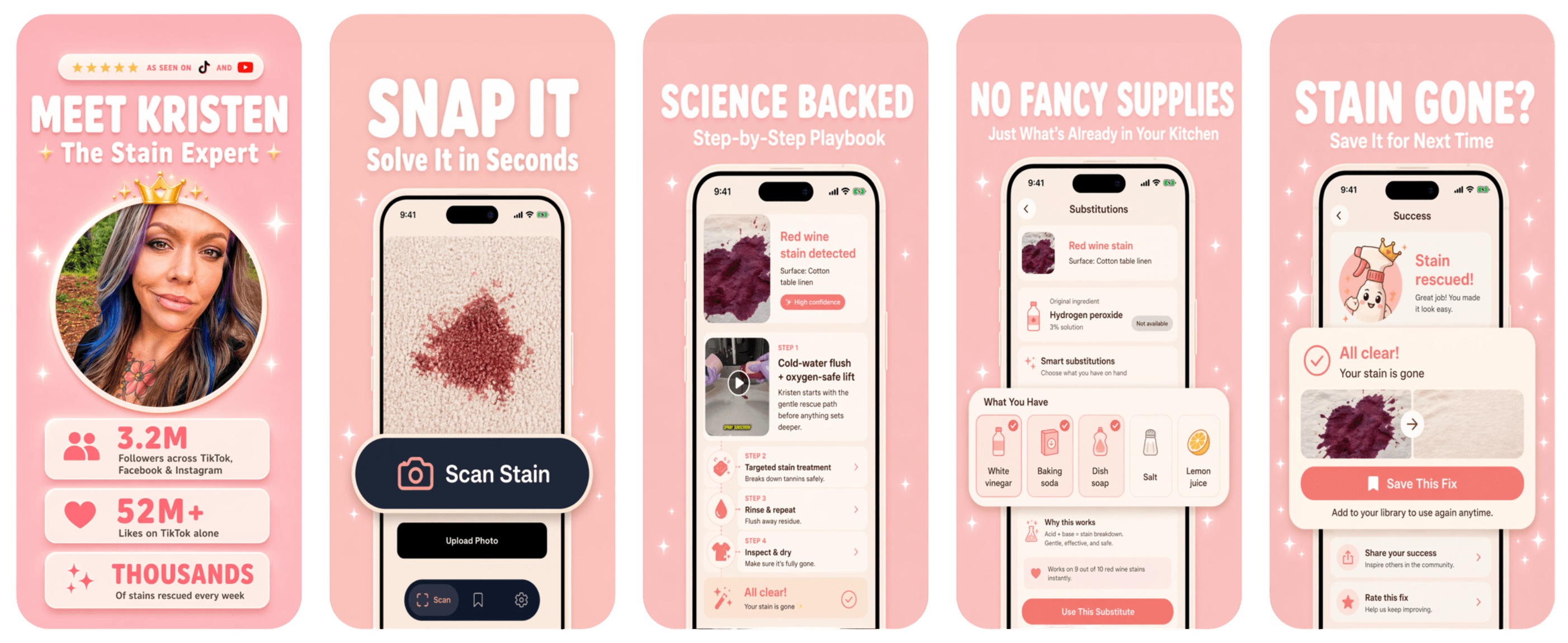
Kristen Donathan

Kristen Donathan

Founder & CEO of Stain Fix

Snap a stain. Get the fix in seconds.

Top Lifestyle App1.5M+ followers
Read the case study
Stain Fix screenshots
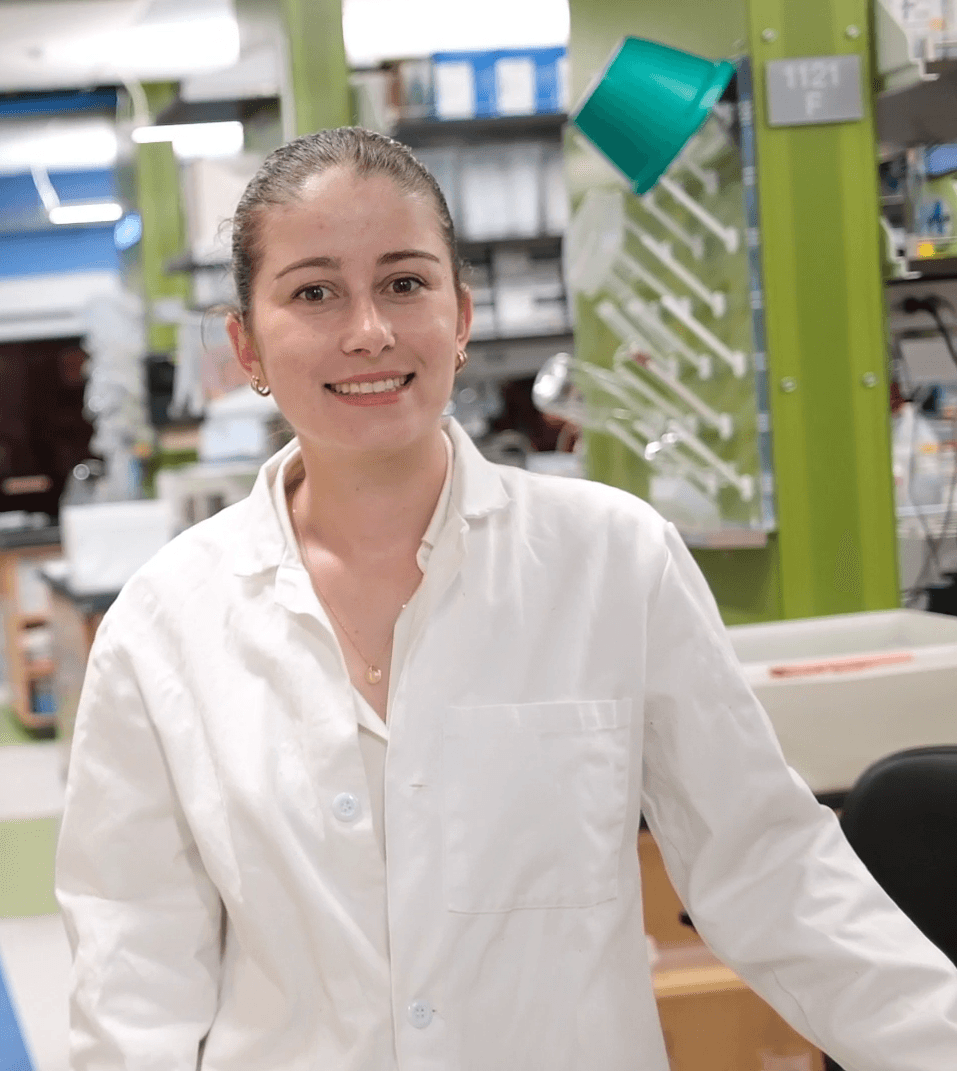
Ellie Fausett

Ellie Fausett

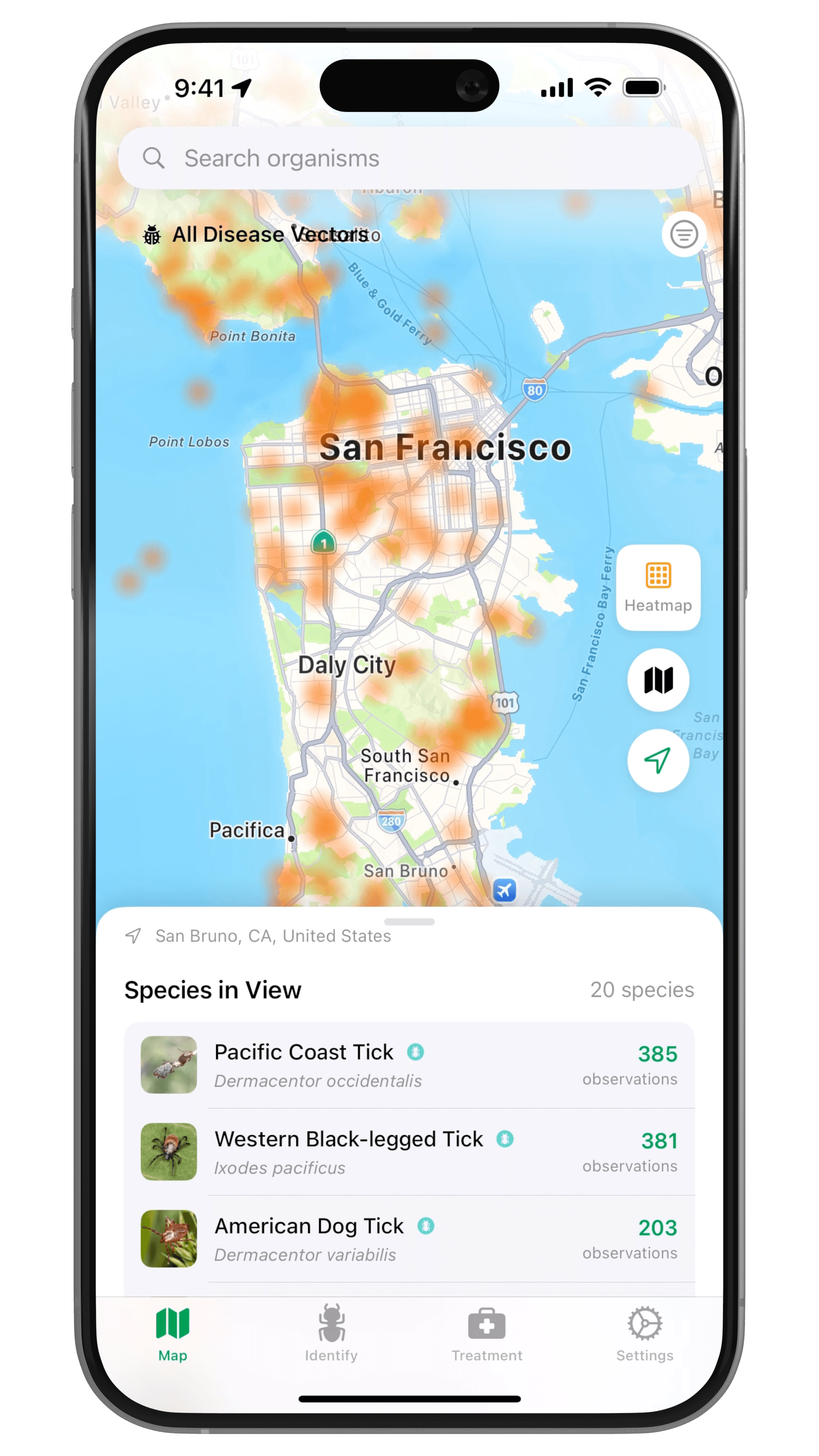
Founder & CEO of Vector Guard

Spot disease-carrying pests before they reach your family.

Top Health App
Read the case study
Vector Guard screenshots

Creator app strategy

Curious what your app could be?

Enter your handle and BUILT BY FOUNDRY will research your audience and present custom app concepts. Free.

Kris Collins: 135 Podcast Episodes, 20+ Sponsors, and a $34.95 Monthly Candy Box