

How AI Is Reshaping the Creator Economy in 2026

How AI Is Reshaping the Creator Economy in 2026

Foundry
May 12, 2026
AI did not kill the creator economy. It killed the lazy half of it. The half where a 40-page PDF, a $497 cohort, or a Notion template counted as a product. That tier is being commoditized in real time by ChatGPT, Claude, and Gemini, which can generate the same outputs in 30 seconds for free. The half that is left, and growing fast, is the part AI cannot replicate, a real human with real trust and a real software business attached to their name. In 2026, the gap between creators who own a product and creators who only sell information is widening every month. Key Takeaways:
  • AI is collapsing the price of generic information products: PDFs, templates, and short courses are now near-free for any user with a chat window.
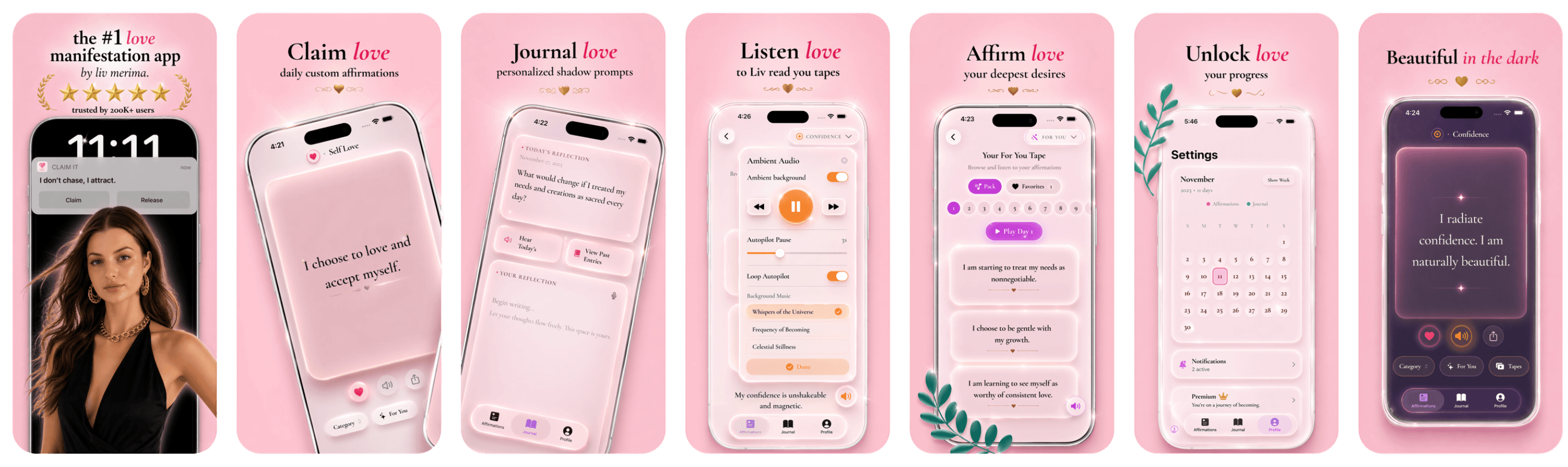
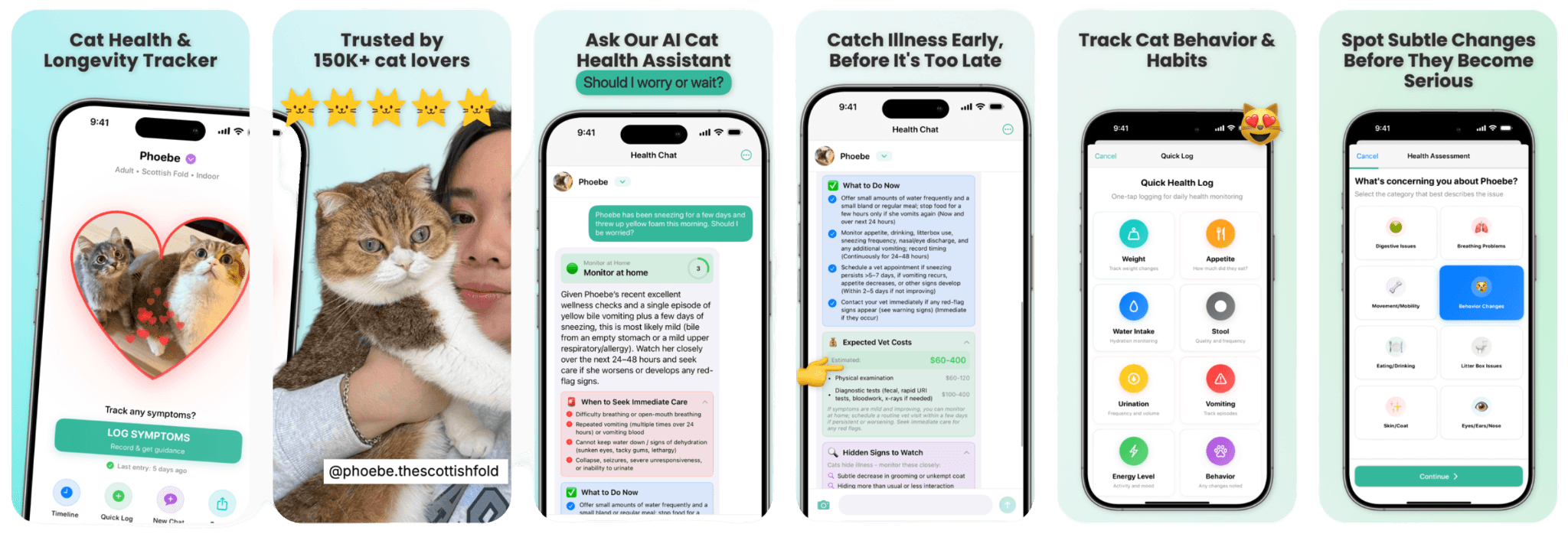
  • Creator-led subscription apps are growing because they pair human trust with software that AI cannot fully replicate: native experience, daily ritual, community.
  • Public data shows subscription app revenue grew while course platform growth slowed in 2025, with Apple reporting record App Store paid subscription numbers.
  • Mid-tier creators (50K-500K followers) are the biggest beneficiaries because their audiences want a trusted human, not a faceless chatbot.
  • The winning move in an AI-everywhere world is to own a product that earns recurring revenue, not to publish another piece of content that AI will summarize for free.
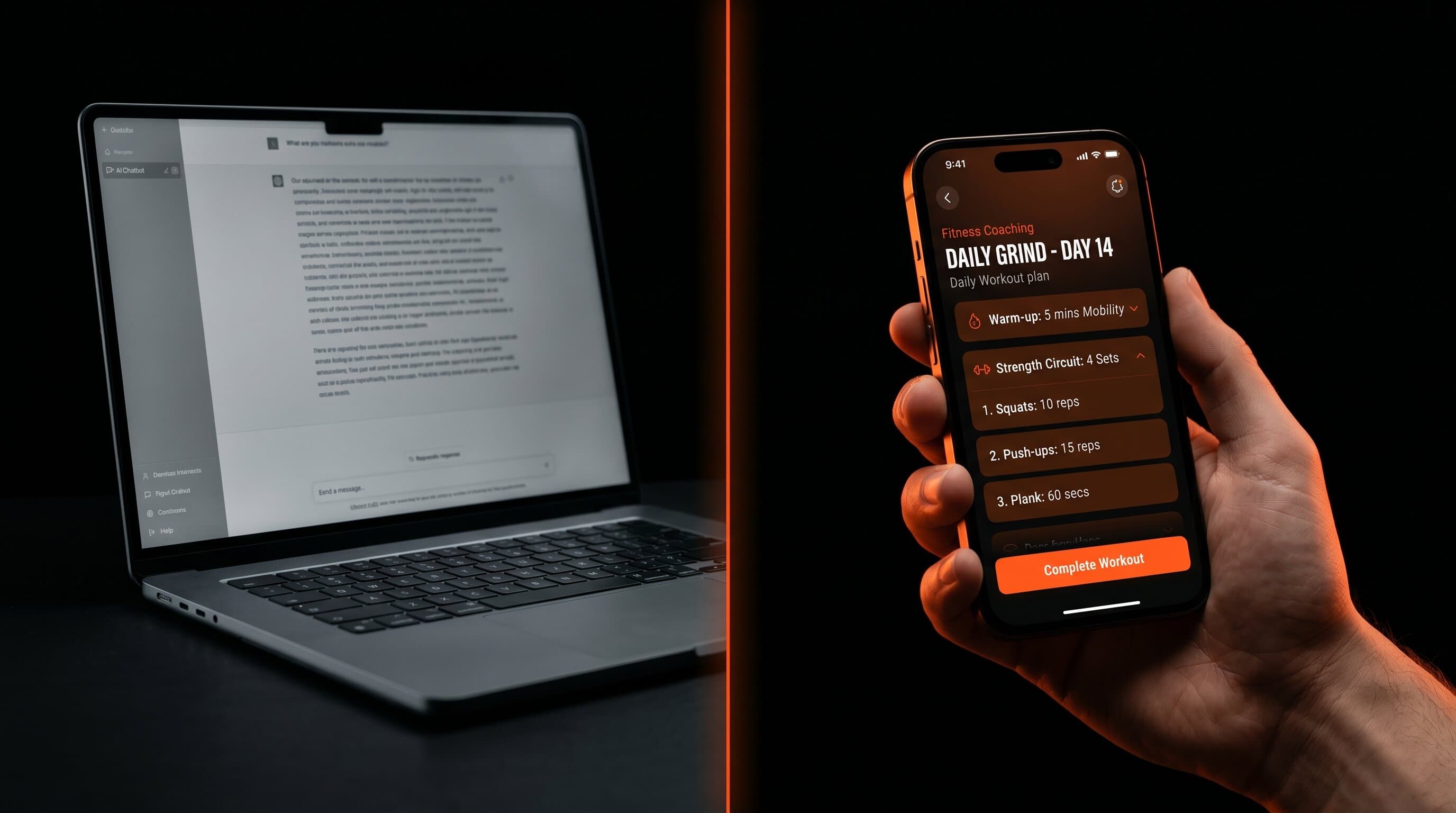
The creator economy is splitting into two tiers: creators who own a software product and creators who sell information that AI can now generate for free. That single split explains almost every monetization shift of the last 12 months, from collapsing course completion rates to the App Store's record subscription revenue. This is not a vibe. Apple reported that App Store developers earned over $1.3 trillion in billings and sales in 2024, with a growing share coming from paid subscriptions, per Apple's own press release. Meanwhile, generative AI usage has exploded, with ChatGPT alone reporting more than 800 million weekly active users in late 2025. When 800 million people can ask a chatbot for "a 7-day fitness plan" or "an Instagram growth checklist," the price of that information goes to zero. The price of a trusted human voice does not. AI is doing to information products what Spotify did to ringtones. It is making them too easy to be premium. A creator selling a $97 "Instagram growth course" in 2026 is competing with a free ChatGPT prompt that produces a comparable outline in 30 seconds. The reader does not need to be told this. They have already done it. A McKinsey report on generative AI in 2024 found that 65 percent of organizations were regularly using gen AI, and consumer use is far higher. The gap between "I bought a course" and "I asked Claude to summarize the best advice on this" has narrowed to a few minutes. This is why generic information products are losing pricing power. It is also why creators who only sell information feel like they have to keep posting harder, drop prices, and ladder up to more expensive cohorts to keep the same revenue. The content treadmill is real, and we covered the human cost of it in why the content treadmill is killing creators. Because they are pure information packaged in the most disposable wrapper possible. A course is text and video. A PDF is text. Both can be summarized, regenerated, and reformatted by AI faster than a creator can record a sales video. There is no daily ritual. There is no community. There is nothing the user actually returns to. Once it is consumed, the relationship ends. A real software product is different. A daily workout app pings the user every morning. A meditation app builds a streak. A community app loads notifications. A nutrition app logs meals. The product has a job, and the user has a habit, and that habit creates retention that AI cannot copy by writing a smarter answer. This is the deeper reason creators are choosing apps over courses in 2026. The information is not the moat. The daily relationship is. Counterintuitively, AI everywhere makes creator-led apps more valuable, not less. When information is commoditized, three things become scarce and therefore expensive: trust, taste, and accountability. A creator app delivers all three in a wrapper that AI cannot replicate.
  • Trust. A user does not download an app because the workouts are good. They download it because Adriene, Mike Israetel, Layne Norton, or Tony Robbins is on the other end. A general-purpose chatbot has no name and no track record. A creator does.
  • Taste. Generic AI gives every user the same average answer. A creator's app gives one specific, opinionated point of view. In a world of infinite mediocrity, opinion is a feature.
  • Accountability. An app schedules, reminds, logs, and shows progress. ChatGPT does not text you at 6:30 AM saying you skipped your run.
This is why Tony Robbins' AI-powered coaching products work, and why creators like him are leaning into AI as a feature inside their owned product, not as a free chatbot that replaces it. We dug into how that flywheel runs in our Tony Robbins AI coaching app empire profile.
Creator-led subscription apps versus generic AI chat
Compare the old creator monetization stack to the one winning in 2026.
Old playbook (2018-2023)New playbook (2026)Why the shift
$97 course$9.99/month appAI made the course content nearly free
PDF lead magnetFree in-app trialThe user wants a product, not a download
Brand deal postsSubscription growthOne-time spend versus monthly recurring
Linktree in bio"Download the app" in bioThe app earns and keeps the user
Email list as the assetPaying subscriber base as the assetEmail opens are falling; app retention is rising
Course platform feesRevenue share with product partnerThe product is the moat, not the platform
The pattern is consistent. The new playbook earns recurring revenue, generates content automatically through user activity, and turns followers into customers who actually return. The old playbook does none of those things, and AI has made each piece of it cheaper for the audience to replace. The mid-tier. Creators with 50,000 to 500,000 engaged followers are the biggest winners in an AI-saturated economy. Their audiences are big enough to support a real product business and small enough that the relationship still feels personal. They do not need 5 million followers; they need 5,000 paying users at $10 a month. The math is uncomfortable for anyone still chasing reach. A creator with 5,000 monthly subscribers at $9.99 is at roughly $50K MRR, which is $600K a year. That is a real business that AI cannot disintermediate, because the user is not paying for information. They are paying for the relationship and the product wrapped around it. We laid out the broader picture in the creator middle class: $10K-$50K per month businesses. This is also why the solo creator is back. Justin Welsh built a $12M solo business without a team, because the modern stack does not need one. AI handles edits, scheduling, and admin. A product partner handles the software. The creator handles the part only they can do, which is being themselves. For a long time, "creator" and "founder" were two career tracks. AI just collapsed them into one. A creator who is still selling information in 2026 is doing piecework. They post, they earn, they stop posting, they stop earning. A founder who has a product earns whether or not they post that day. The product runs. The App Store sends new users from search. Subscriptions renew on the first of the month. That is what makes it a business and not a job. The question is no longer whether creators should build a product. The question is whether the creator is willing to stop renting their income from algorithms and start owning a software business that compounds. That is the gap our model is built to close, and you can read more about how Foundry partners with creators and how we operate apps after launch. The product that wins is the one that solves a daily problem the creator already coaches their audience through. A few patterns that are working in 2026:
  • Daily ritual apps. Workout, meditation, journaling, faith, study. The user opens the app every day, AI cannot replace the relationship.
  • Personalized AI inside a trusted brand. The creator's voice and method, delivered through AI that runs inside a paid app, not a free chatbot.
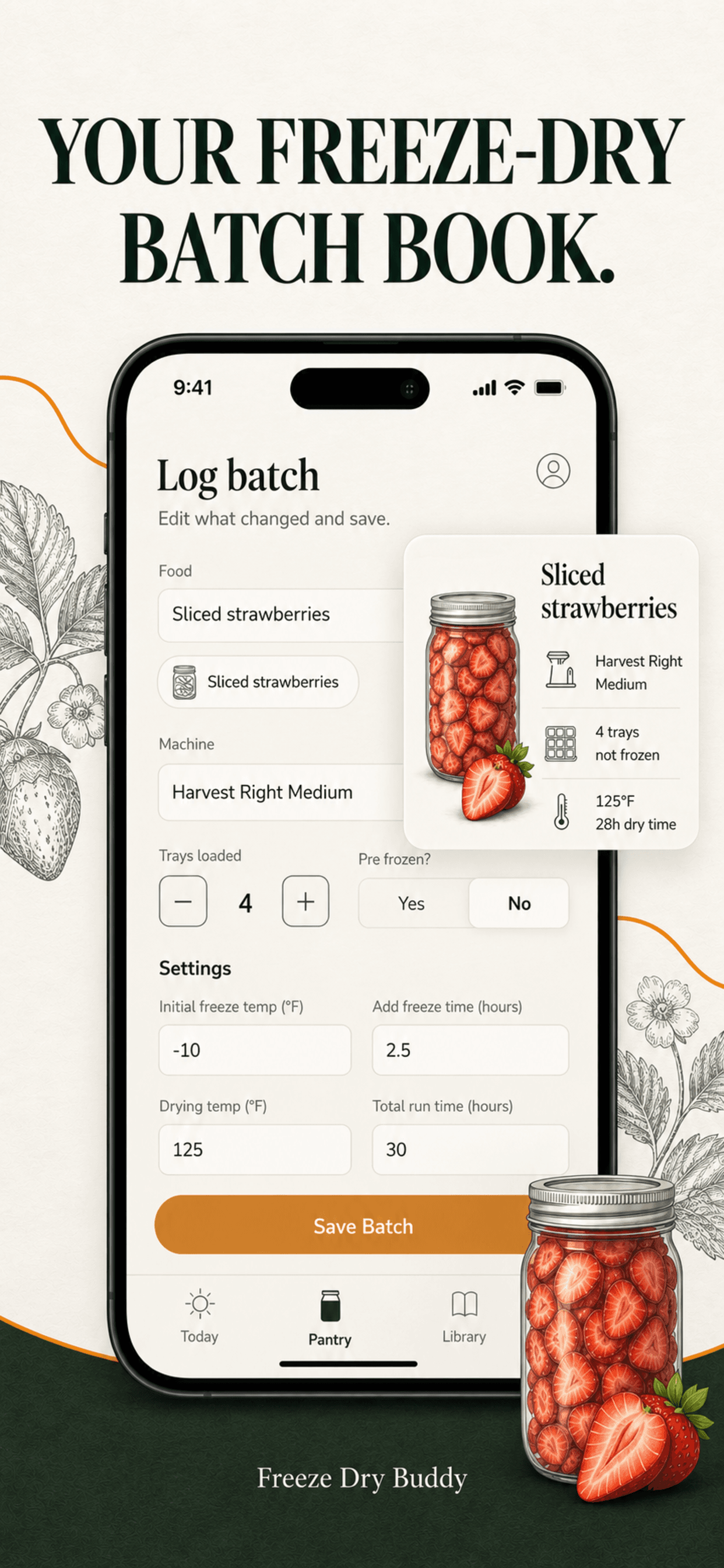
  • Niche tracker and logger apps. Nutrition, strength, hobby progress, recovery. AI summarizes, the app actually tracks.
  • Community apps tied to a method. Not generic Discord servers but a real product where the creator's framework is the spine.
The common thread is that the creator's expertise is the source of truth, the app is the daily delivery vehicle, and AI is a feature inside the product rather than a competitor outside of it. According to Sensor Tower's 2024 mobile market report, consumer spend on mobile apps continues to grow, and subscription-based apps are the fastest growing segment. Waiting. The reason this window is open is because most creators still feel like content is their full-time job, and a product is something they will get to "next year." That gap is what creators with product partners are exploiting right now. Apple's App Store, Google Play, Reddit, and TikTok are all funneling users who have never heard of the creator into apps that solve a specific problem. Every month that goes by without a product means another month of audience traffic that earned the creator nothing recurring. AI did not create this opportunity. AI accelerated it by making the alternative (selling information) less valuable than it was a year ago. AI is making generic information products less valuable, including most courses, PDFs, and templates. It is making real human creators more valuable because trust, taste, and accountability cannot be generated by a chatbot. Yes, but the price ceiling is dropping and completion rates are falling. The creators who keep making money on information are pairing it with a software product that earns recurring revenue around the same expertise. Most agencies charge $50,000 to $200,000 upfront. Built by Foundry charges $0 upfront and takes a revenue share. We build, launch, and run the entire business. Most agencies take 6 to 12 months. Built by Foundry ships to the App Store in three weeks. No. Creators with 50,000 to 500,000 engaged followers are the biggest winners in the 2026 app economy. The audience needs to be engaged and specific, not enormous. In 2026, the question is not whether AI changes the creator economy. It already has. The question is which side of the split the creator wants to be on. One side is a content treadmill that AI gets cheaper to run every month. The other side is a software business that earns whether the creator posts or not. Want to turn your expertise into an app? We build custom apps for creators. $0 upfront, three-week delivery, and we handle all the technology forever.
Let's Build →

Get Creator Revenue Insights

How creators are turning audiences into subscription businesses

You might also enjoy...

How AI Is Reshaping the Creator Economy in 2026