
Case Studies & Success Stories

Alison Roman Put 199 Cookbook Recipes Behind a $5 Paywall in 29 Days. Nothing She Sells Knows What's in Your Pantry

September 25, 2026
Share
Alison Roman Put 199 Cookbook Recipes Behind a $5 Paywall in 29 Days. Nothing She Sells Knows What's in Your Pantry

Get Creator Revenue Insights

How creators are turning audiences into subscription businesses
Share
Key Takeaways:
  • Alison Roman's site sells a paid tier at $5 a month or $50 a year. Its public tier list promises "access to all recipes from cookbooks (Dining In, Nothing Fancy, Sweet Enough)"
  • Between August 5 and September 2, 2026, the site published 199 recipes tagged with those three books. Every one of the 199 is paid-only
  • The site's public content API lists 735 posts and 462 recipes. Before August, it held 57 cookbook-tagged posts
  • Her First Bloom shop sells 25 products. The four tomato sauce 3-packs are the only ones with a subscription: every month at 15% off, or every three months at 10% off
  • This week she launched a four-style shoe collection with Margaux, priced $345 to $595
  • A search of the US App Store for her name returns nothing of hers. The NYT Cooking app, which advertises a Recipe Box and grocery list, holds 546,413 ratings
Alison Roman spent the last month of summer doing something most food creators talk about and few finish. She took three cookbooks' worth of recipes and turned them into a subscription. That is the hard part of a recurring business. This profile covers what she built and the one thing her library, her sauce and her new book all point at without touching: the reader's pantry. Alison Roman sells a $5-a-month recipe library on alisoneroman.com, jarred tomato sauce and merchandise through her First Bloom shop, four cookbooks through bookstores, and, as of this week, a four-style shoe collection with Margaux. Her career explains the range. She was a senior food editor at Bon Appétit and wrote a food column for The New York Times from 2018 to 2020. Her books are Dining In (2017), Nothing Fancy (2019), Sweet Enough (2023) and Something from Nothing (2025). Her YouTube series, Home Movies, shows 299K subscribers, 202 videos and 41,819,170 views as of today. Her Instagram is where most people meet her. Sorted by what brings a customer back, the portfolio looks like this:
ProductPriceWhat brings the customer back
Recipe library (paid tier)$5 a month or $50 a yearA renewal, plus new recipes and newsletters
Tomato sauce 3-packs (First Bloom)$30, or 15% off monthlyA delivery schedule the buyer picks once
CookbooksRetail price, onceNothing after the purchase
Merch, candles, totes$10 to $95, onceA new drop
Margaux shoes$345 to $595, onceA new collection
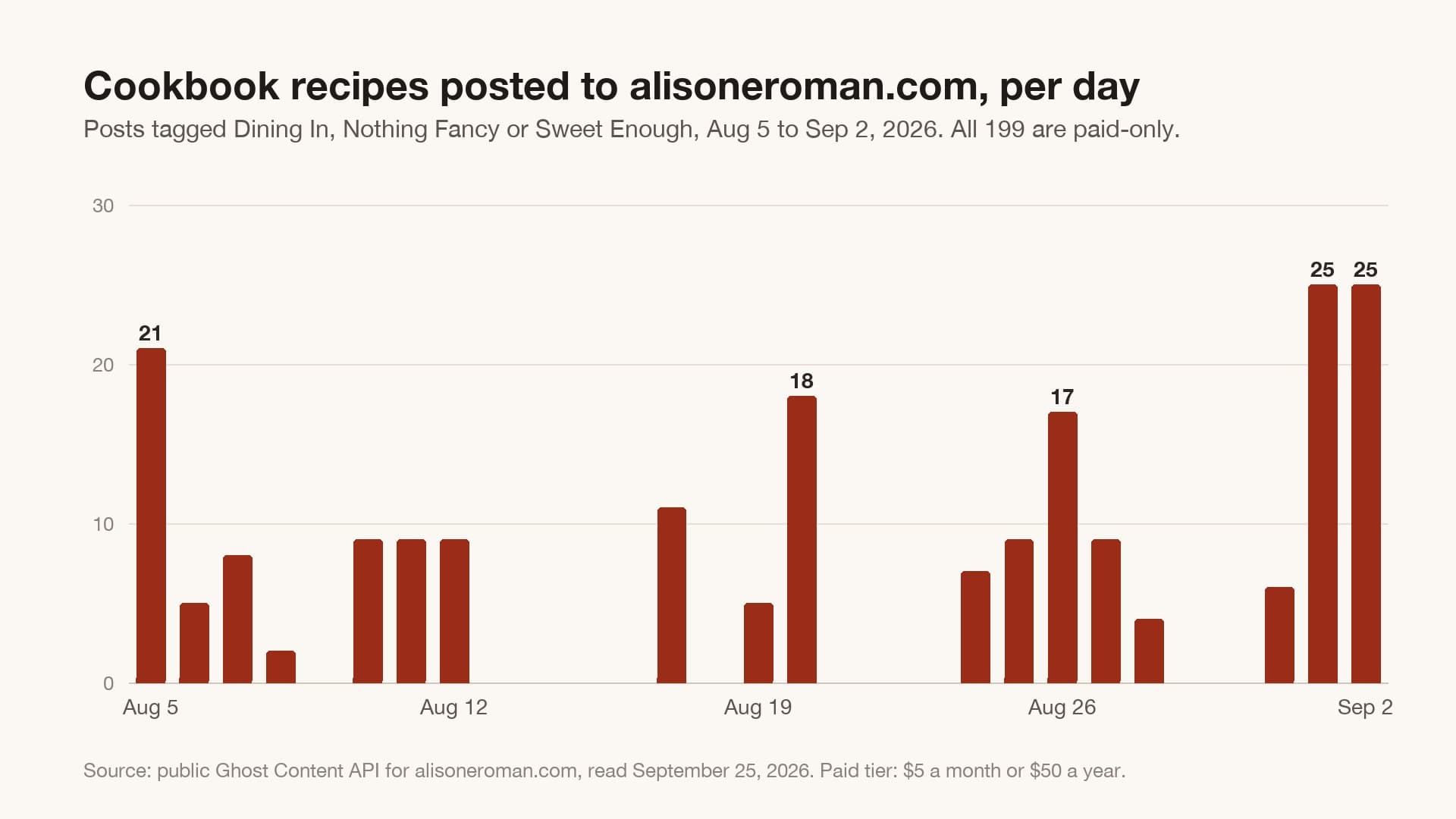
Two of the five already recur. That puts her ahead of almost every food creator we have profiled. The upload turned alisoneroman.com from a newsletter archive into a searchable cookbook library: 199 recipes from Dining In, Nothing Fancy and Sweet Enough were published between August 5 and September 2, 2026, all behind the $5 paid tier. The site runs on Ghost, whose public content API tags each post by book. Before August, 57 posts carried a cookbook tag, recipes shared one at a time over the years. Then the batch arrived: 21 recipes on August 5, 25 on each of September 1 and 2. By the end, Dining In had 82 paid recipes, Nothing Fancy 74 and Sweet Enough 43.
Bar chart of cookbook recipes posted to alisoneroman.com per day from August 5 to September 2, 2026. Days range from 2 to 25 posts, with 21 on August 5, 18 on August 20, 17 on August 26 and 25 on each of September 1 and 2, totaling 199, all paid-only. Source: the public Ghost Content API for alisoneroman.com, read September 25, 2026.
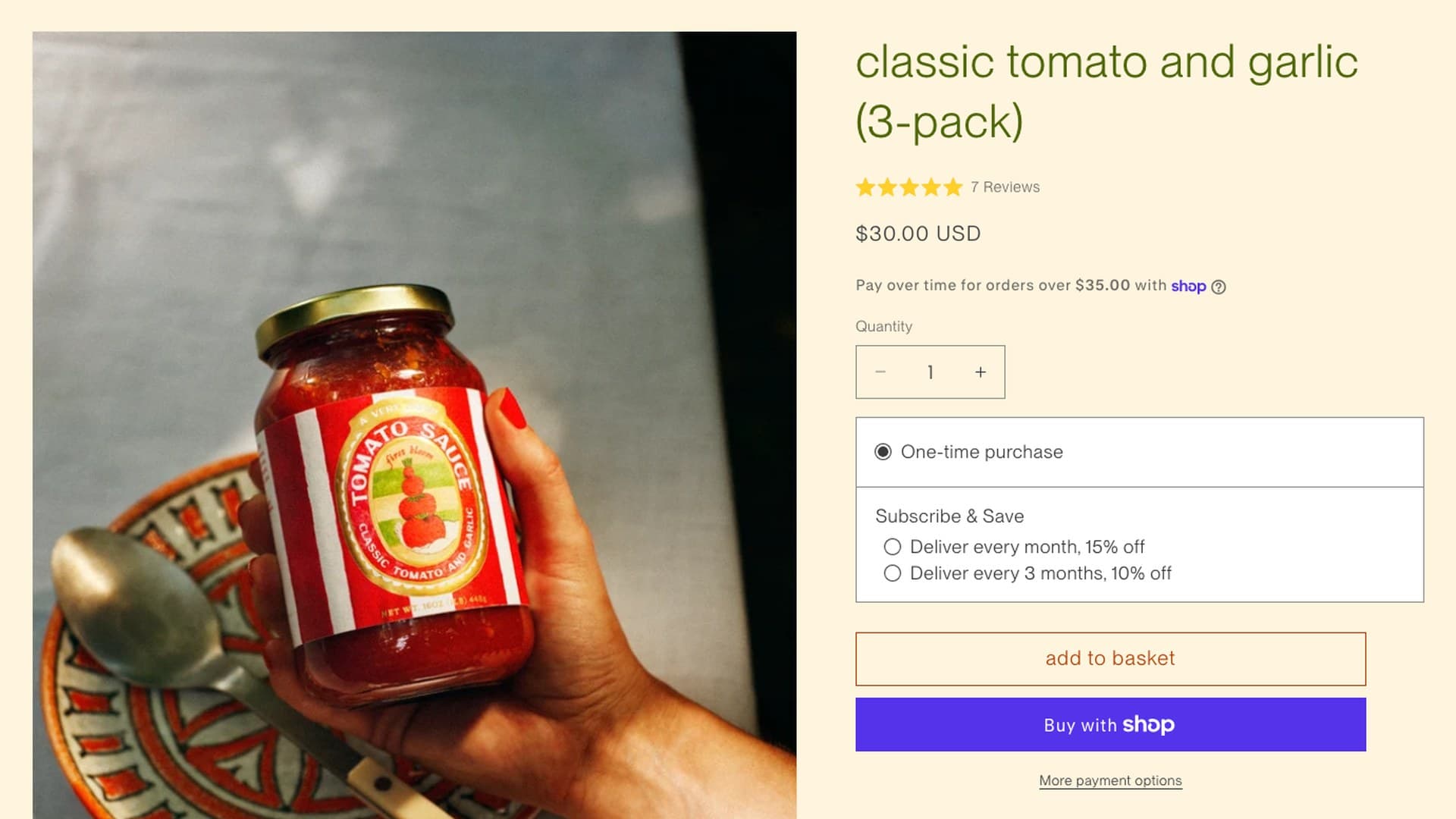
The paid tier's benefits read like a cookbook with a comment section, including the ability to "ask questions / get answers on recipe pages." The newest book, Something from Nothing, is not in the list. This is the right move. A cookbook is a one-time sale that the buyer uses for years, so the value keeps flowing after the revenue stops. A monthly price lets the revenue follow the use, and the recipes now sit in one searchable place that she owns. First Bloom began as a small market in Bloomville, New York, and in her September 18 newsletter Roman confirmed that a Brooklyn location had been approved for construction. The online shop lists 25 products. Shopify's product endpoint shows which of them can be bought on a schedule, and the answer is exactly four: the classic tomato and garlic, spicy tomato with fennel, caramelized shallot and anchovy, and the variety pack. Each is a $30 3-pack with two plans, "Deliver every month, 15% off" and "Deliver every 3 months, 10% off."
The First Bloom product page for classic tomato and garlic (3-pack): a hand holding a jar of tomato sauce over a patterned plate, next to a $30.00 USD price, 7 reviews, and a Subscribe & Save box offering Deliver every month, 15% off and Deliver every 3 months, 10% off.
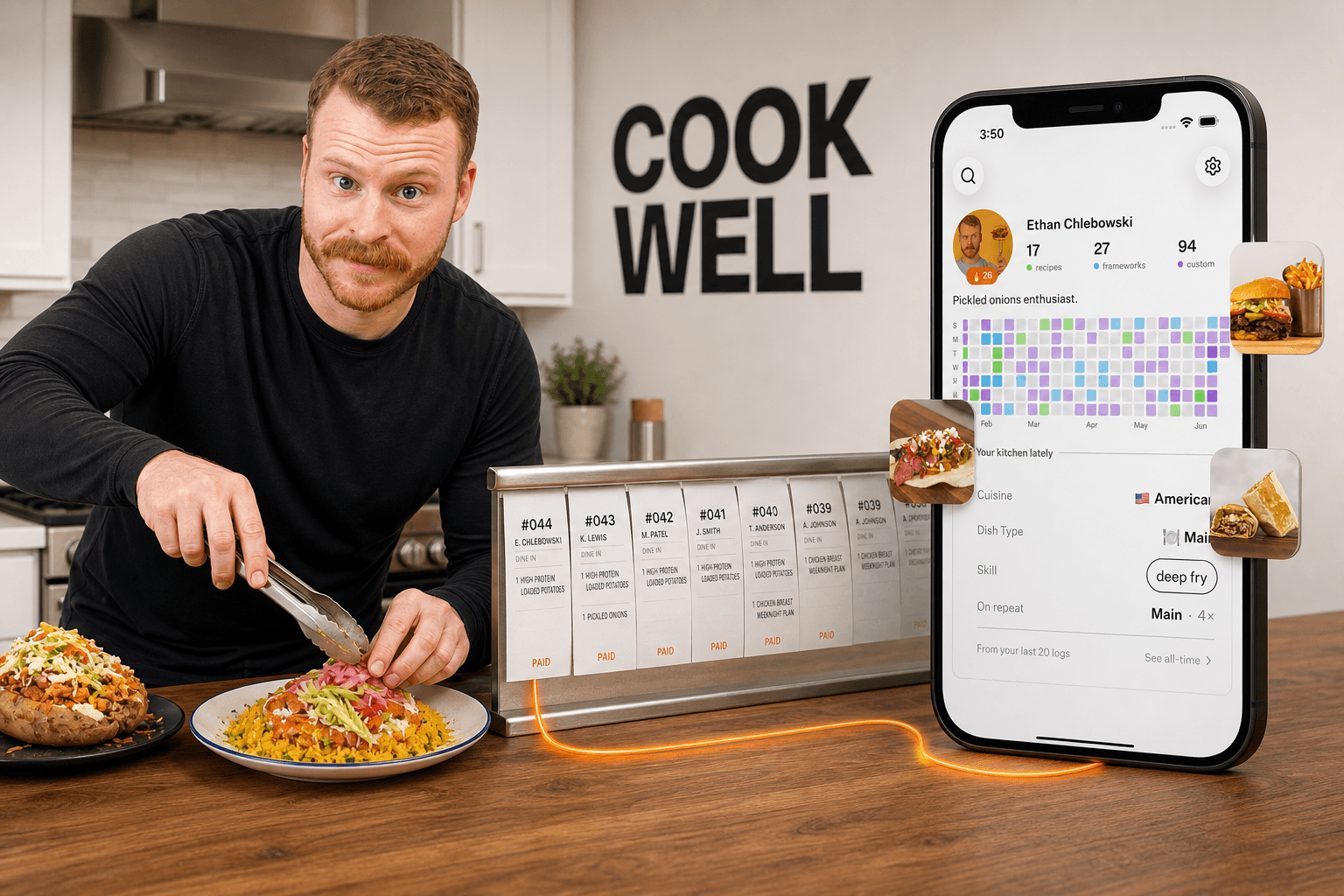
That is a refill plan, and it works for the same reason Mikayla Nogueira's usage-timed refills work: the customer uses the product up at a steady rate. Roman has told readers "big/fun tomato sauce news" is coming in October. Here is the gap, though. The sauce plan knows one thing about the customer: how often a jar should arrive. The recipe library knows 462 recipes. Neither one knows the other exists. The pantry is the missing piece because it is the one inventory that decides what a home cook makes tonight, and Alison Roman's library, sauce plan and newest book all depend on it without recording it. Her 2025 book says this out loud. Her own books page describes Something from Nothing as "a cookbook for the cooks who love their pantry," with "at least 300 words on why you need to have white distilled vinegar in your pantry at all times." Her whole style, unfussy food from things you probably have, is pantry cooking. Yet the pantry lives only in the reader's cupboard. The recipe pages we read show a servings line and a print option. They do not show a way to save a recipe, build a grocery list, or say "I have anchovies, shallots and a jar of your sauce, what can I make?" A search of the US App Store for her name returned no app of hers. The reference point is large. The NYT Cooking app describes a "digital Recipe Box" where you "save favorites, plan a grocery list and organize the dishes you want to try." It holds 546,413 US ratings at 4.9. That listing is proof of demand for the tool, and it belongs to a newspaper. A reader who pays Roman $5 a month and gets sauce every month has already told her two things: they cook her food, and they keep her product in the house. The natural next surface is the one that remembers what else is in the house and answers with her recipes. That is also the thing that makes a subscription hard to cancel, because the saved history is the reader's own and grows every week. The reusable part fits in one question. Does your audience keep a stock of things at home that your content tells them how to use? If yes, the product that recurs is the one that reads that stock and answers with your work, because the stock changes every week and so does the answer. It passes on cooking, baking, cocktails, craft supplies and seed collections. It fails on travel and commentary, where the audience keeps nothing between episodes. Passing the test does not mean a creator has done something wrong. Roman already owns a paid library and a consumable that ships on a schedule. The pantry is where those two meet, and right now the meeting happens in a reader's head. Other food creators have found the same thing from different directions. Bobby Parrish built a food scanner with 138K ratings around what shoppers put in the cart, and Ethan Chlebowski presold his Cook Well product to 2,167 backers. Both products live where the cooking decision gets made. For a pantry cook, that place is the cupboard on a Tuesday night. If you are a food creator with a cookbook or two, a newsletter and something edible for sale, this is for you. You probably already have the library, spread across books, posts and videos. Roman just showed that moving a back catalog behind a monthly price is a month of steady work. What you probably do not have is the surface in the kitchen that knows what your reader owns and which of your recipes fit it. Building that is a product, and running it is a job that does not end: releases, support, billing and store review. That is the business Built by Foundry is in, and running it after launch is the part that decides whether the habit lasts past the first month. Alison Roman has turned three cookbooks into a subscription, a tomato sauce into a refill and her daily crossing of Atlantic Street into a clog. The next thing she could own is the moment a reader opens the cupboard and wonders what to make.
See What We’d Build You →
All figures verified on September 25, 2026 against alisoneroman.com (home, books page, and the public Ghost Content API for posts, tiers and newsletters), the First Bloom shop's public Shopify product endpoints at firstbloomcornerstore.com, the Margaux collection at margauxny.com and its collaboration page, youtube.com/@alisoneroman, and Apple's US iTunes Search and Lookup API responses for "alison roman", "alisoneroman" and NYT Cooking (id911422904). Career history follows her published biography and books. Prices, post counts, plans and ratings change. Current-state claims require revalidation before later use.

Our work

Creators who already did this

These are apps we designed, built, shipped, and still run today, with the creator keeping the code and the audience.

Brandon Whiteleather

Brandon Whiteleather

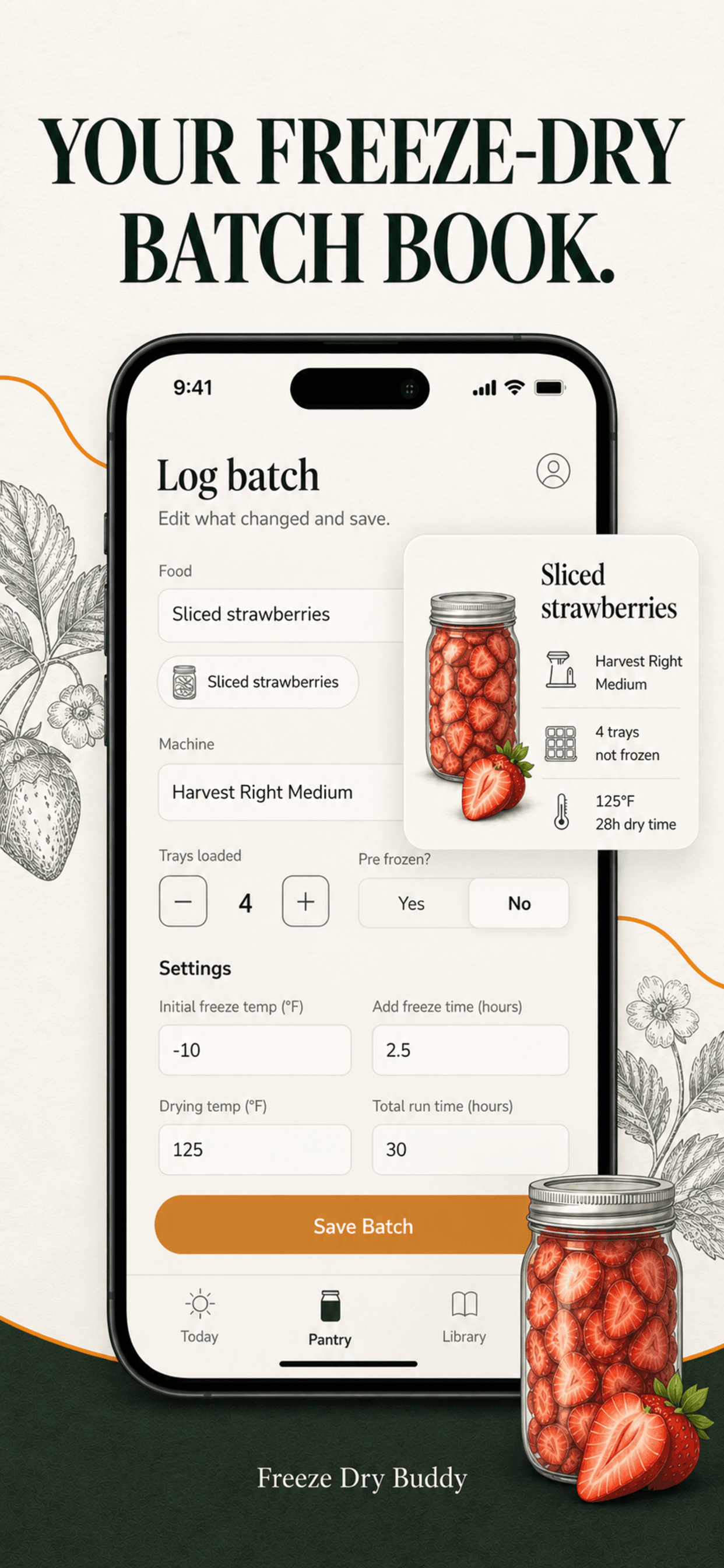
Founder & CEO of Freeze Dry Buddy

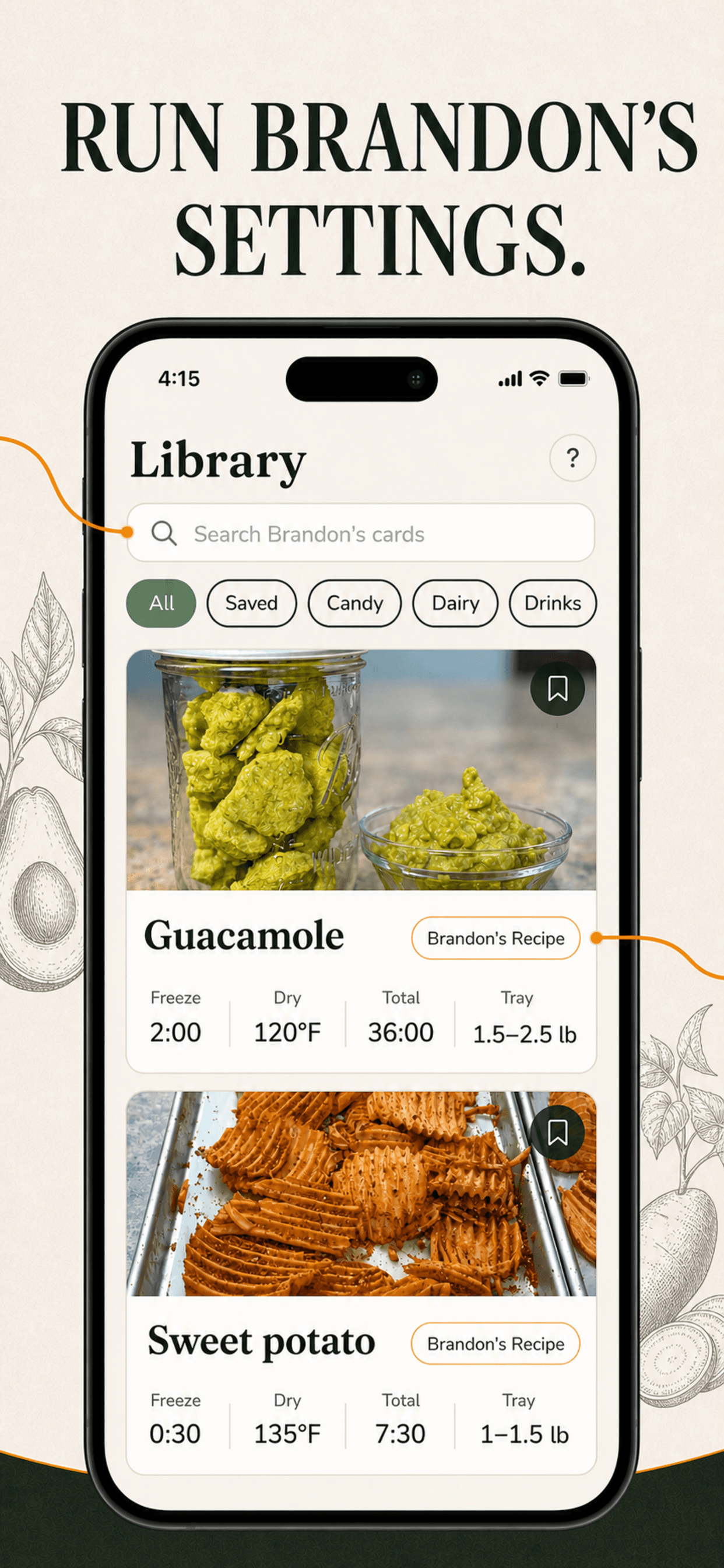
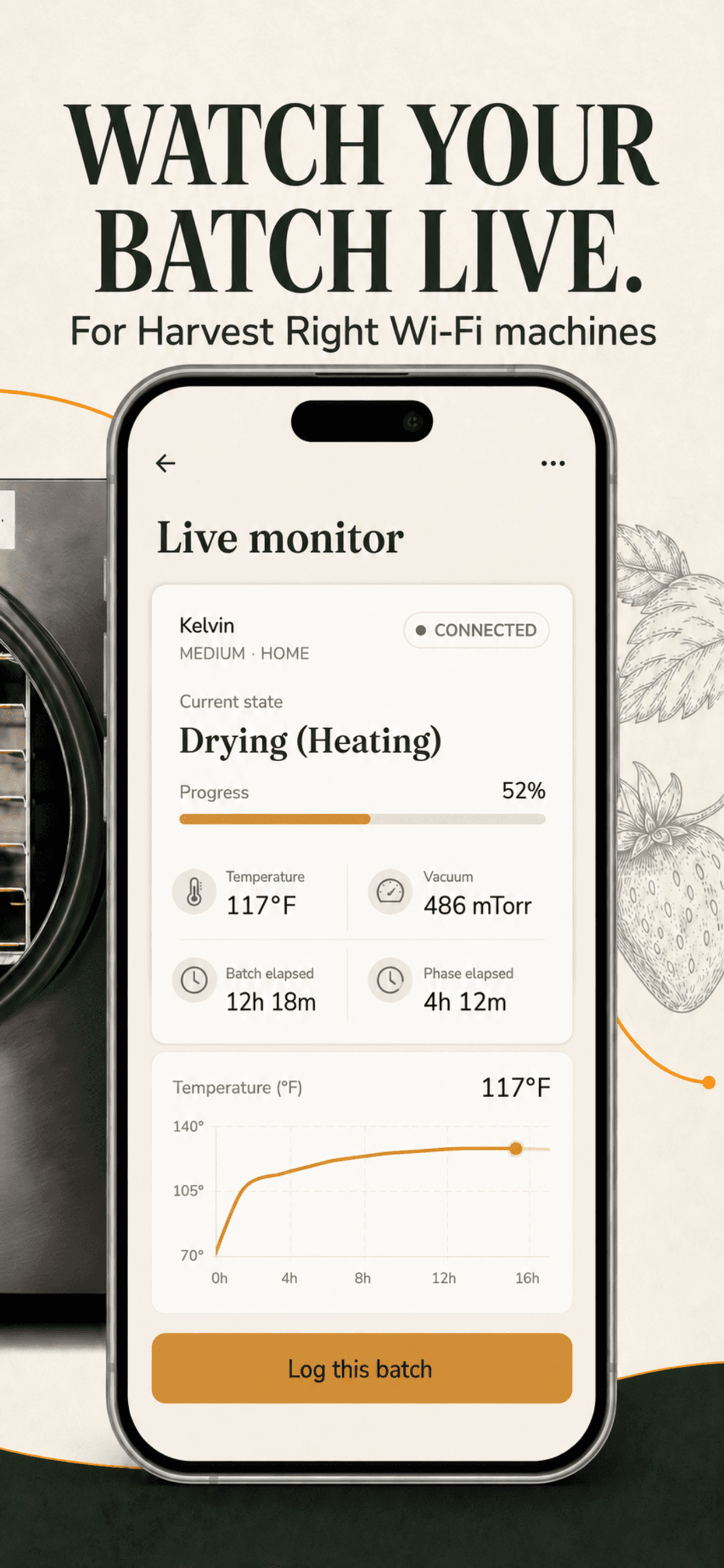
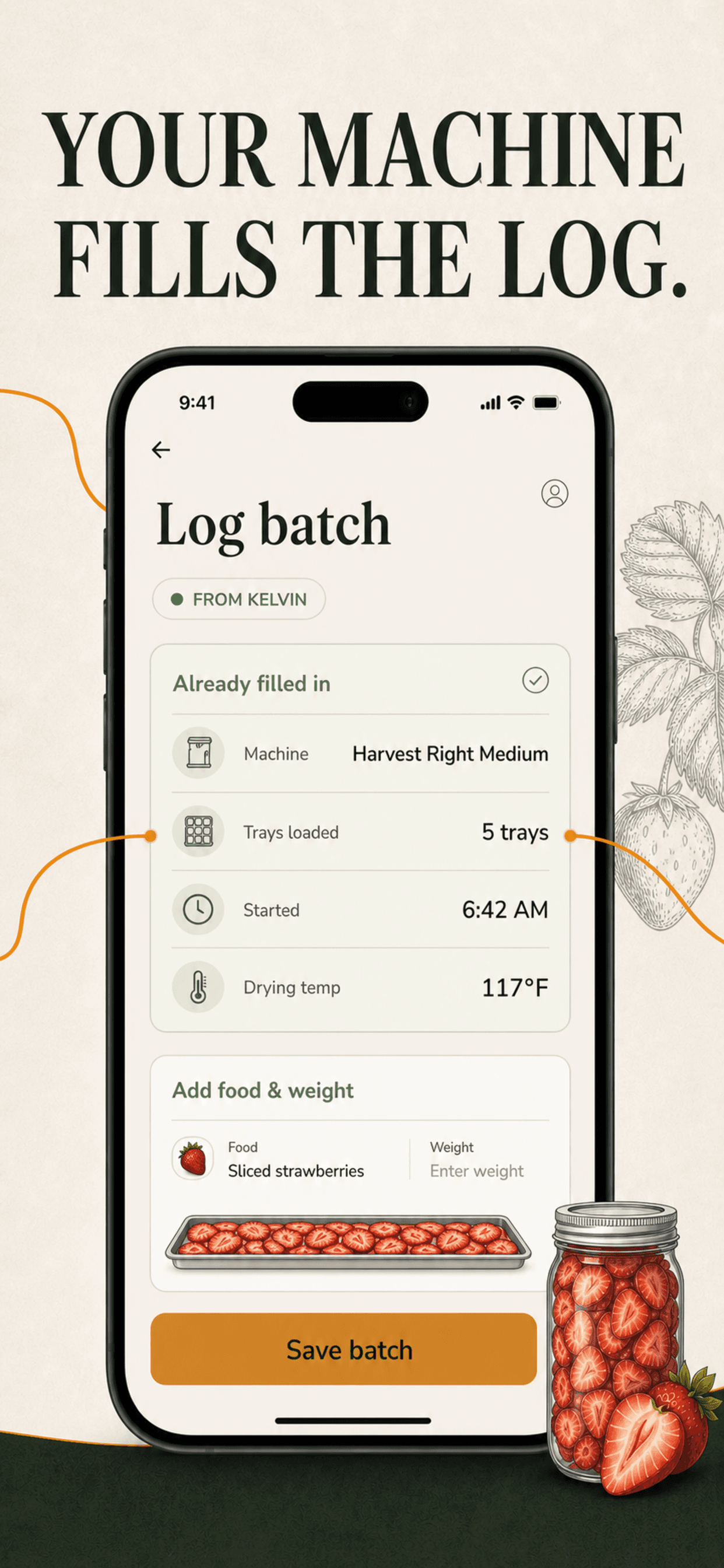
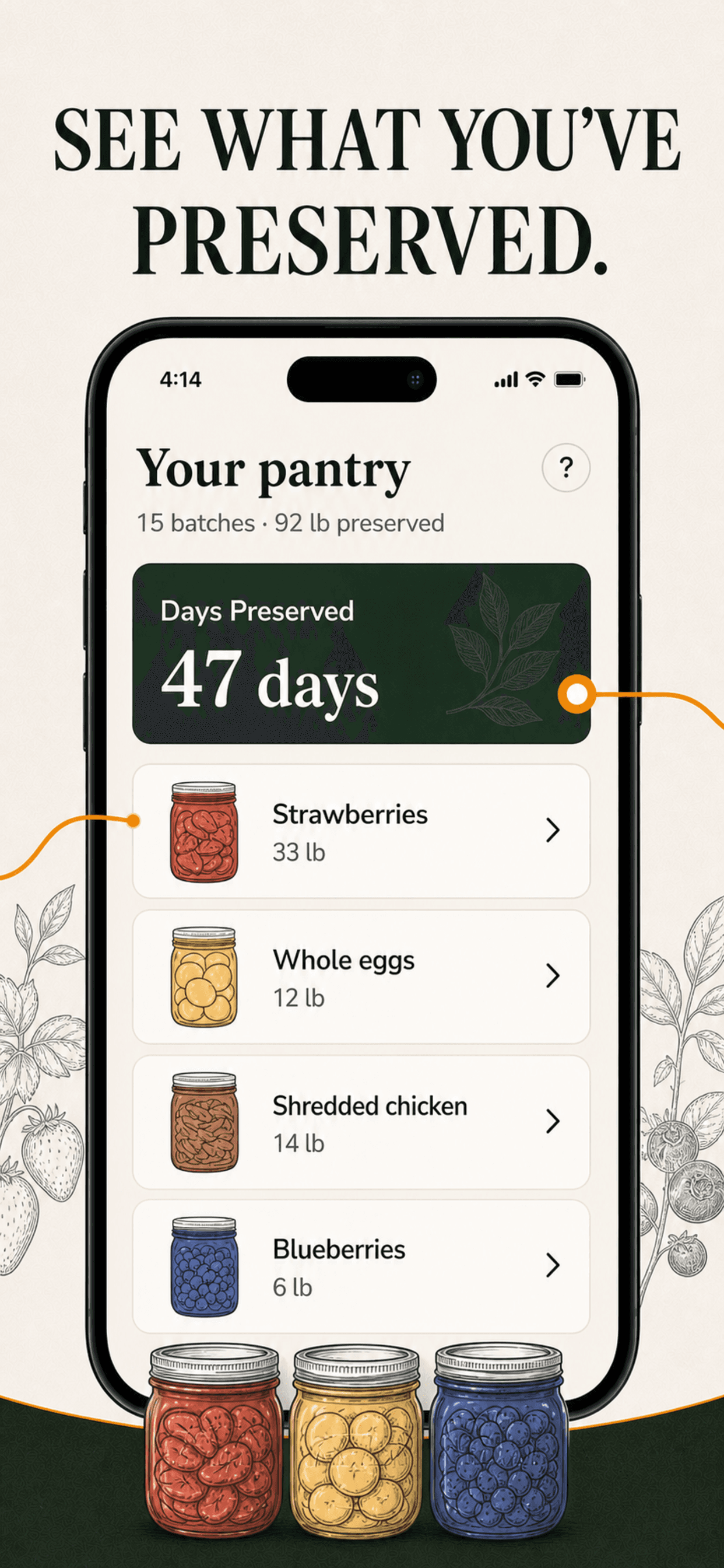
Freeze drying made foolproof, from a homesteader who's done it 1,000 times.

Top Food App1.4M+ followers
Read the case study
Kristen Donathan

Kristen Donathan

Founder & CEO of Stain Fix

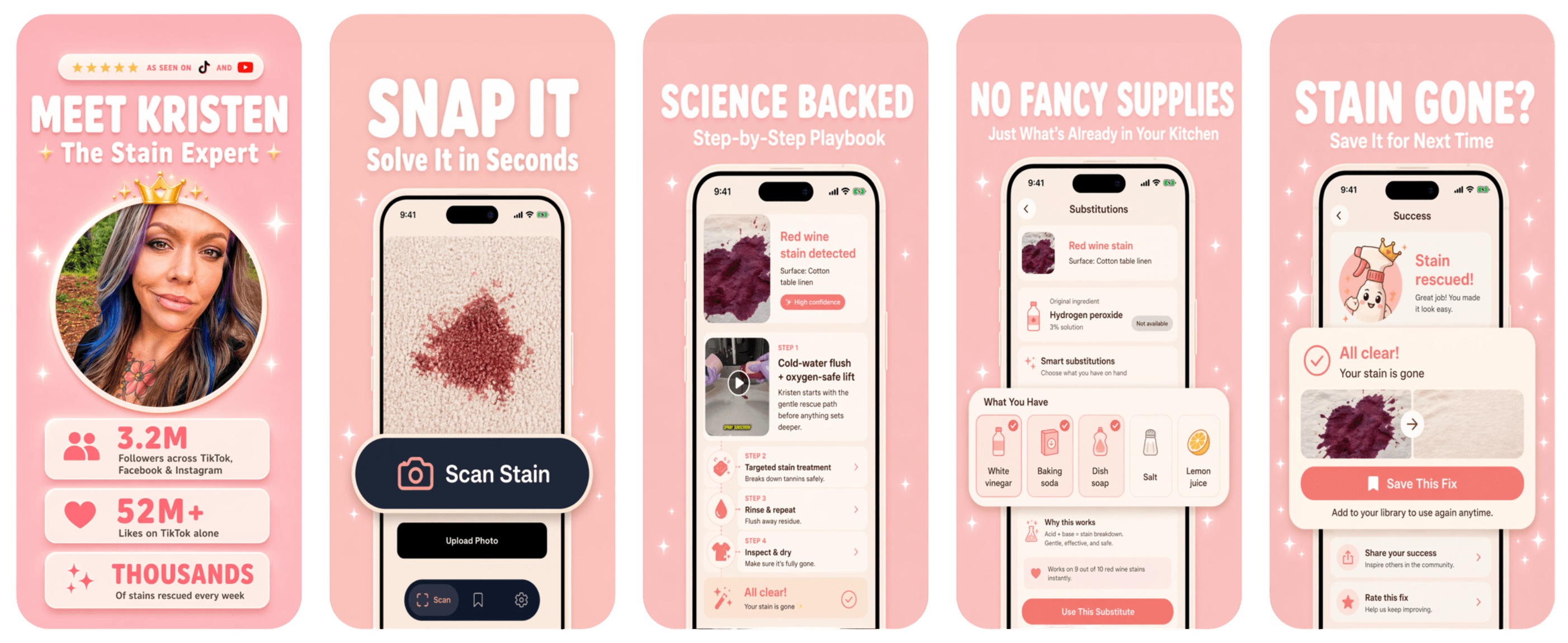
Snap a stain. Get the fix in seconds.

Top Lifestyle App1.5M+ followers
Read the case study
Stain Fix screenshots
Ellie Fausett

Ellie Fausett

Founder & CEO of Vector Guard

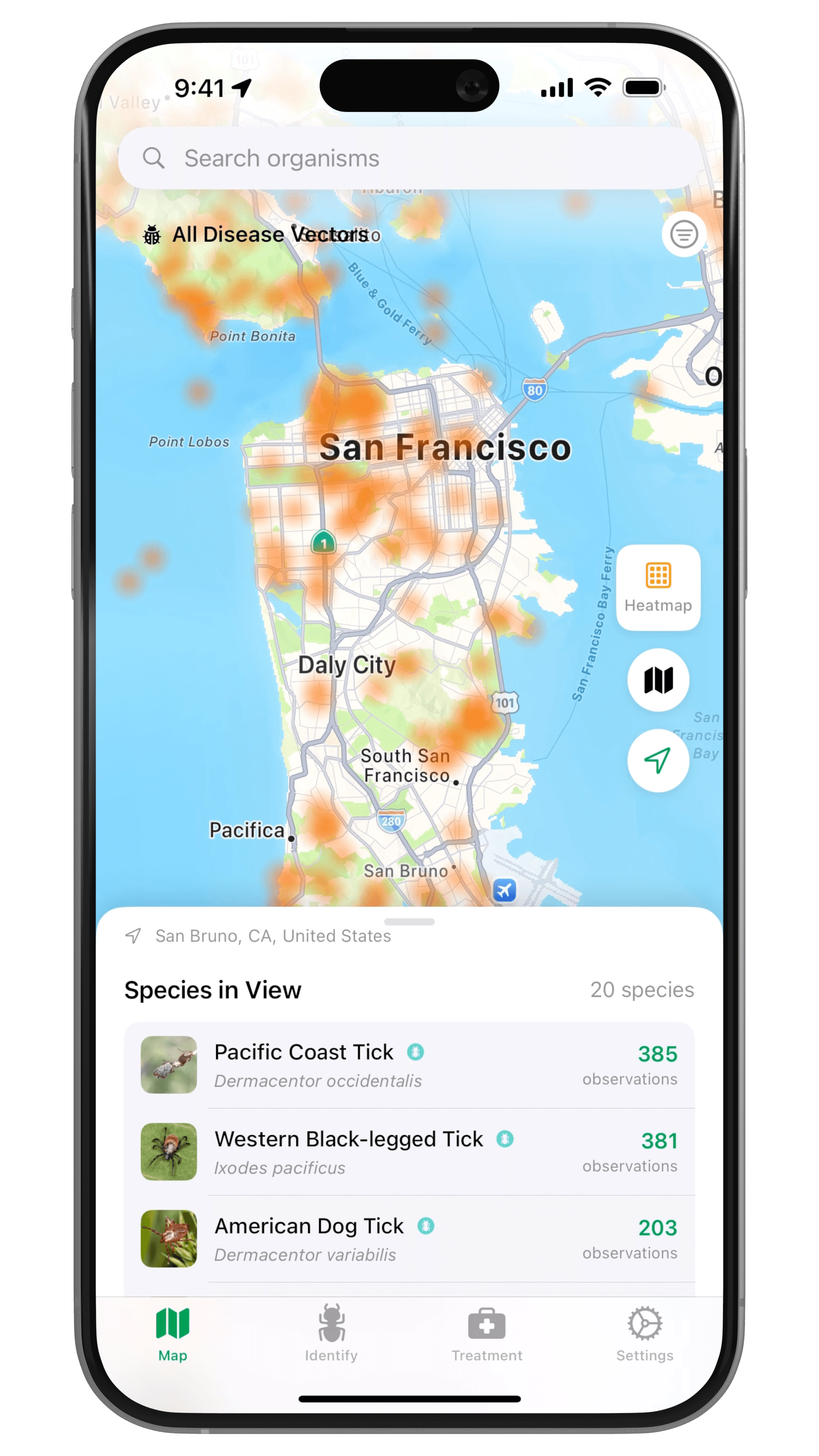
Spot disease-carrying pests before they reach your family.

Top Health App
Read the case study
Vector Guard screenshots

Creator app strategy

Curious what your app could be?

Enter your handle and BUILT BY FOUNDRY will research your audience and present custom app concepts. Free.

Alison Roman Put 199 Cookbook Recipes Behind a $5 Paywall in 29 Days. Nothing She Sells Knows What's in Your Pantry