

Turning Knowledge into Products

You Built an Audience. Now Build a Company.

Foundry
May 18, 2026
Share
You Built an Audience. Now Build a Company.

Get Creator Revenue Insights

How creators are turning audiences into subscription businesses
Share
Key Takeaways:
  • An audience is distribution. A company is a product, a price, and a P&L.
  • Creators with 50K to 500K engaged followers are sitting on more business value than they realize, and most leave it on the table.
  • Brand deals pay you for attention you rent. Software subscriptions pay you for problems you own.
  • The App Store now indexes 1.8M+ apps and routes new customers to creators who never had to grow their following to find them.
  • The shift from creator to founder is an identity decision before it is a tech decision.
An audience is reach. A company is revenue. They are not the same thing, and confusing them is the single most expensive mistake creators make. What is a creator company? A creator company is a product that solves a real problem for a defined customer, charges them money on a repeating basis, and operates whether the creator posts that day or not. Reach is the marketing channel. The company is the thing the marketing points at. If you stripped away every brand deal, every affiliate link, and every sponsored post you've ever taken, what would be left? For most creators with 100K followers, the answer is: nothing. That's a job, not a business. A company is what you can sell, hand off, or take a month away from without it collapsing.
Conceptual photograph of a foundry pouring molten metal, building something from heat and pressure
You don't own your audience. You rent it from Meta, ByteDance, and Google. They set the rent, they change the rent, and they can evict you at any time. Instagram's average organic reach sits at roughly 3.5% according to Social Insider's 2025 benchmark report. That means 96.5% of the people who chose to follow you don't see what you post. That isn't a customer list. That's a permission slip the platform can revoke. Brand deals make this worse, not better. A $10,000 brand deal looks great when it lands. It looks bad when you realize you traded one of the few times your audience trusts you in exchange for cash that hits your account once and never comes back. You spend a week negotiating, a week filming, a week posting, and then you're back to zero. As we broke down in the brand deal vs. MRR math problem, a single $1,000 monthly subscription cohort outpaces a $10,000 brand deal inside a year, and keeps going. The hardest truth: a creator who stops posting watches their income reset to zero, fast. We covered this in your income resets to zero every month. That isn't a business model. That's a treadmill. You build a product your audience pays for monthly. Not a course. Not a PDF. Not a Linktree page that points at someone else's checkout. A real product, with a price, a P&L, and a customer relationship you own. For creators, the most direct product is a subscription app. Three reasons:
  • It's recurring. $19.99/month from 500 customers compounds. A $9,999 course sale doesn't.
  • It's distributed by Apple and Google, not by you. The App Store is a search engine that delivers new customers who never followed you.
  • It generates content. Every user submission, leaderboard, and result is a post you didn't have to brainstorm. The product feeds the audience instead of the audience feeding the product.
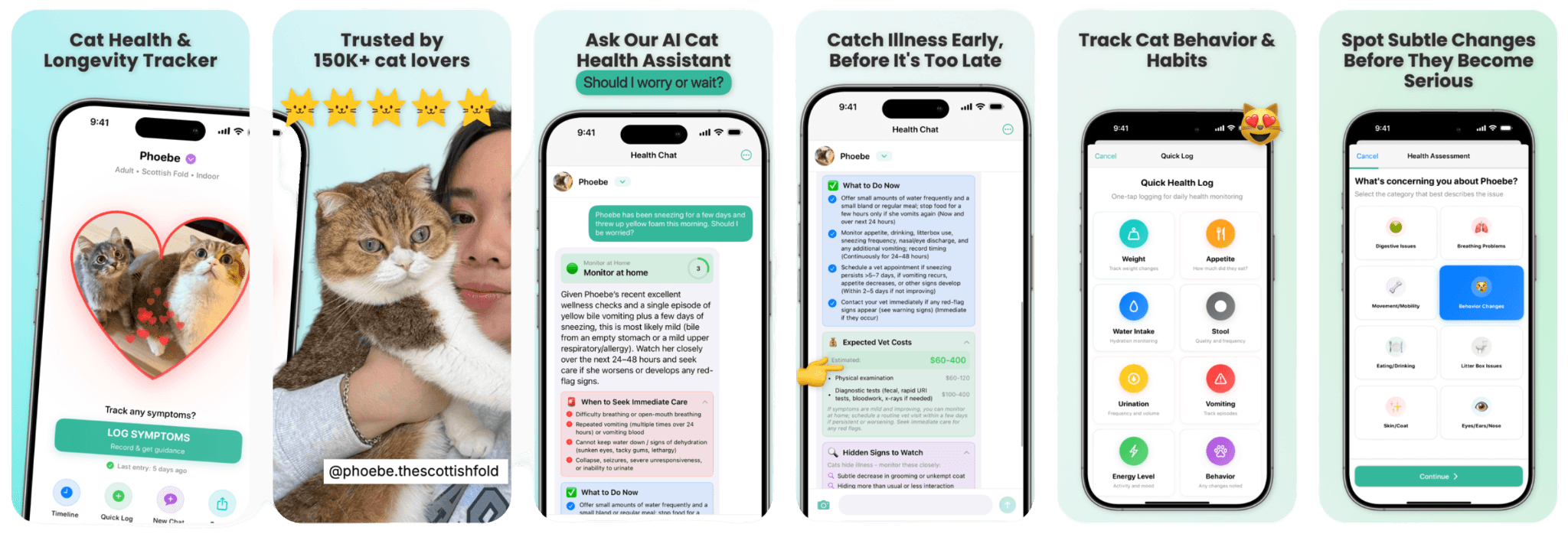
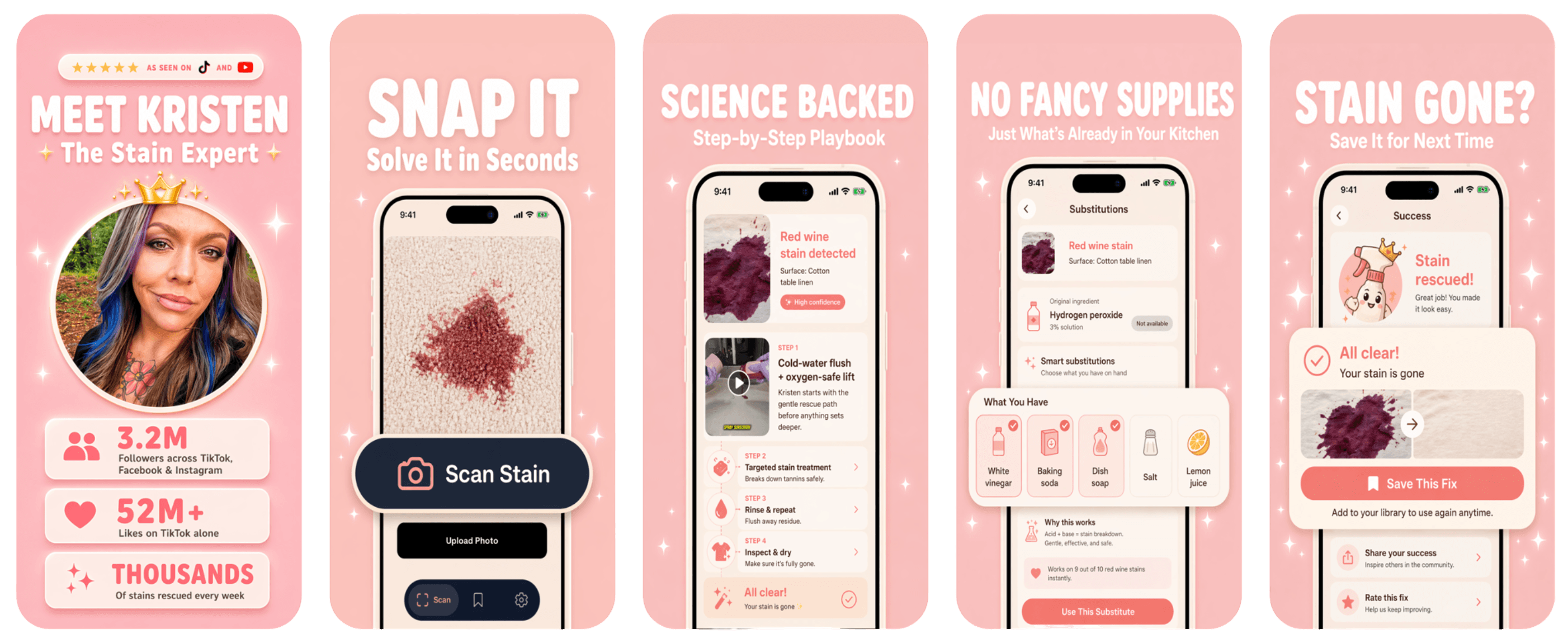
There's a reason every major creator who broke through the $10M ceiling did it with software. Kayla Itsines sold PDFs for years before launching the Sweat app. The PDFs made her famous. The app made her exit Sweat for a reported $400 million. The PDF wasn't the business. The subscription was. Run the numbers. This is the spreadsheet most creators refuse to open.
Monetization PathRevenue PatternYear 1 EarningsYear 3 EarningsWhat You Own
Brand deals onlyOne-time, irregular$50K$50KNothing
Course launchOne-time, declining$80K$30KA static asset
Affiliate linksCommission, variable$20K$20KA traffic referral
Subscription appRecurring, growing$60K$360KA company
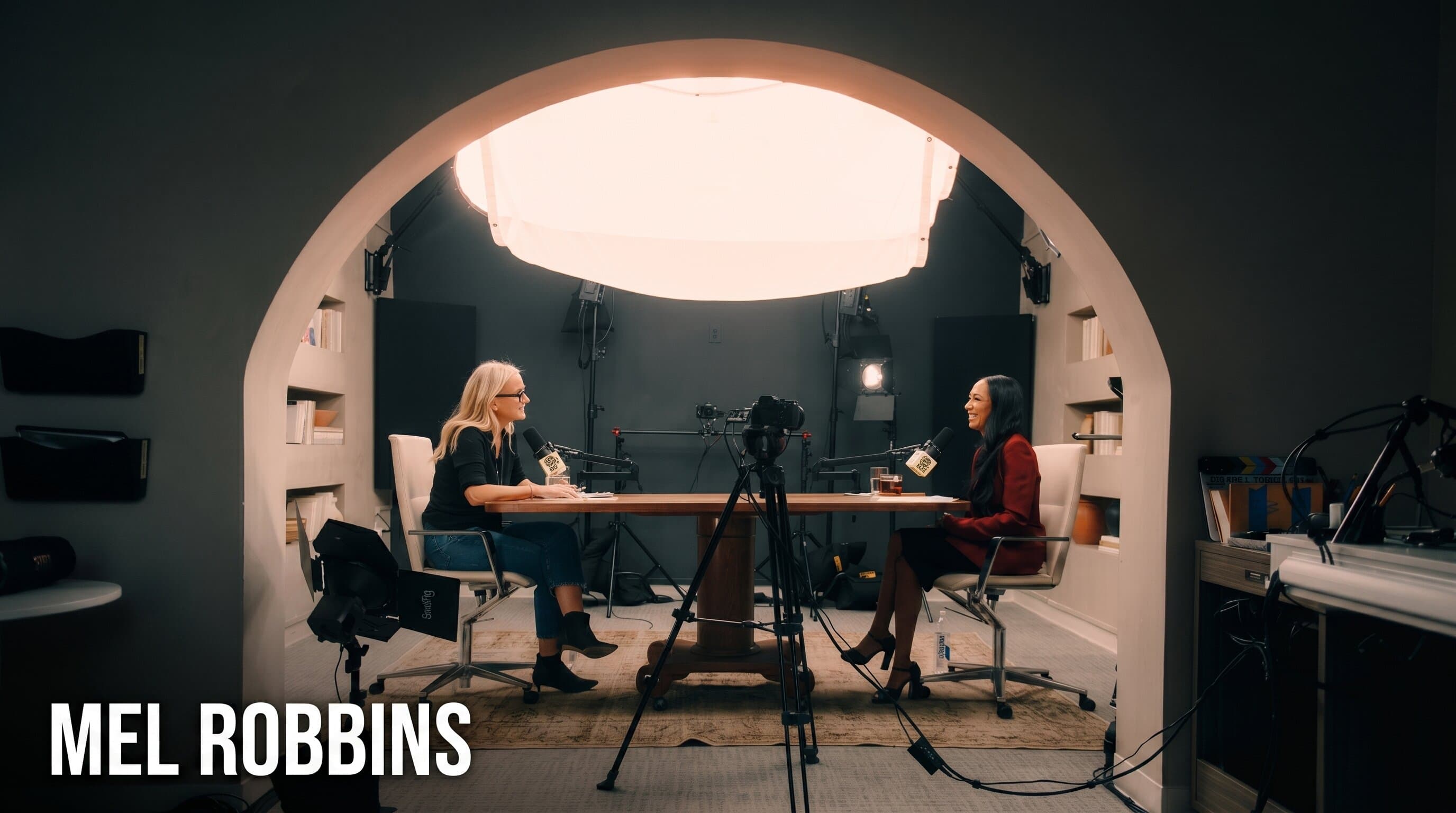
Source: Foundry portfolio benchmarks across 12+ creator app launches, normalized to 50K to 200K follower accounts. A brand-deal creator and a subscription-app creator can post identical content for three years. At the end of year three, one has a marketing job that pays $50K and zero terminal value. The other has a company doing $30K MRR that they could sell tomorrow for somewhere between 4x and 8x annual revenue. That's a million-dollar gap built on the same audience. It looks like Mel Robbins turning a five-second podcast hook into a $100M+ podcast and book empire anchored by media products, not appearances. It looks like Krissy Cela building EvolveYou into a fitness business reportedly valued in the tens of millions, then layering Oner Active on top of it. It also looks quieter. There are hundreds of creators in the $10K to $50K per month creator middle class who never went viral, never signed a brand deal, and live entirely off subscription revenue from an app a few thousand of their fans pay for monthly. That's the bracket most creators with 50K to 200K engaged followers should be targeting first. The pattern is the same in every case:
  • The audience is the proof.
  • The product is the company.
  • The recurring revenue is the moat.
A creator without a product is a freelancer with a follower count. A creator with a product is a founder with a customer base.
Comparison chart: distribution alone versus distribution plus owned product
The infrastructure to build a creator app went from "$200K and 9 months" to "$0 upfront and 3 weeks" over the past 24 months. App Store discovery now drives meaningful organic installs for niche apps that creators would have laughed at in 2022. RevenueCat reports the median creator-led subscription app converts roughly 4 to 6% of installs to paid, and the top decile clears 12% (RevenueCat State of Subscription Apps, 2025). That math used to require a Series A. It doesn't anymore. The cost of waiting isn't zero. Every month a creator postpones building a product, two things happen. One, a competitor in the same niche ships first and captures the App Store category position. Two, the audience gets older and the engagement curve flattens. Audience attention isn't an appreciating asset. A subscription company is. The hardest part isn't technical. It's identity. A creator wakes up and asks, "What do I post today?" A founder wakes up and asks, "What does my product need today?" A creator measures success in views. A founder measures it in retention. A creator's calendar is filled with shoots and collabs. A founder's calendar is filled with customers, metrics, and decisions. The day-to-day stops looking like a job at a media company you don't own and starts looking like a business you do. You've already done the hard part. You built distribution from nothing. You convinced strangers to pay attention to you for free. That's the part most founders pay millions to acquire. You have it. The only question left is whether you point it at someone else's checkout or your own. No. 50,000 engaged followers is enough to support a subscription app with $10K to $30K MRR. Engagement matters far more than raw follower count. A creator with 50K followers and 5% engagement will outperform a creator with 5M passive followers in nearly every monetization metric. A real subscription app can be designed, built, and shipped to the App Store in roughly 3 weeks if you work with an experienced product partner. The product side is fast. The hard part is committing to a niche, a pricing model, and a content plan that consistently routes followers into installs. You don't have to. A subscription app and a brand-deal pipeline can coexist. The difference is that the app builds equity while the brand deals pay invoices. Most creators in our portfolio keep doing select brand deals for cash flow while their app compounds in the background. It's closer than a brand deal, but not the same. Courses are one-time sales with declining attach rates. Communities tend to plateau once novelty wears off. Both can be part of a stack, but they rarely become the durable revenue engine a subscription product does. Look at two signals. One, are they already asking you specific, repeatable questions in DMs and comments? Two, are they buying your sponsored picks at meaningful conversion rates? Both indicate purchase intent. A subscription product is the natural answer to the first signal and a much better business than the second. Want to turn your audience into a company? Foundry builds, ships, and runs subscription apps for creators. $0 upfront. 3 weeks to App Store. Revenue share, not retainer.
Let's Build
You Built an Audience. Now Build a Company.