

Case Studies & Success Stories

Tracy Anderson: 25 Years to a $90/Month Fitness App

Foundry
May 28, 2026
Share
Tracy Anderson: 25 Years to a $90/Month Fitness App

Get Creator Revenue Insights

How creators are turning audiences into subscription businesses
Share
Most celebrity trainers cap out at one studio, a few private clients, and a couple of DVDs. Tracy Anderson trained Gwyneth Paltrow into Iron Man shape in 2006, kept the client list to Madonna, Jennifer Lopez, and Victoria Beckham, and then did the thing almost none of her peers did: she turned the method itself into a subscription app that prints money whether or not she takes a new client this year. Key Takeaways: Tracy Anderson is a fitness method creator who built a global business off one specific approach to small muscle, dance-led training. She grew up in Indiana as a ballet hopeful, moved to New York to study performance, and started teaching out of a converted carriage house. She got her break when Gwyneth Paltrow trained with her for Iron Man in 2006, then the rest of the celebrity client list followed: Madonna, Jennifer Lopez, Victoria Beckham, Shakira, Courteney Cox. The interesting part is what she did with that attention. Most trainers in her position would have leaned harder into private sessions at $500 a pop. Anderson built a productized method instead. The build was not a single moment. It was a 25 year compound interest play with three clear phases.
PhaseYearsProductRevenue model
Phase 11998 to 2006One on one trainingHourly rate
Phase 22006 to 2014DVDs, studios, booksOne time + studio memberships
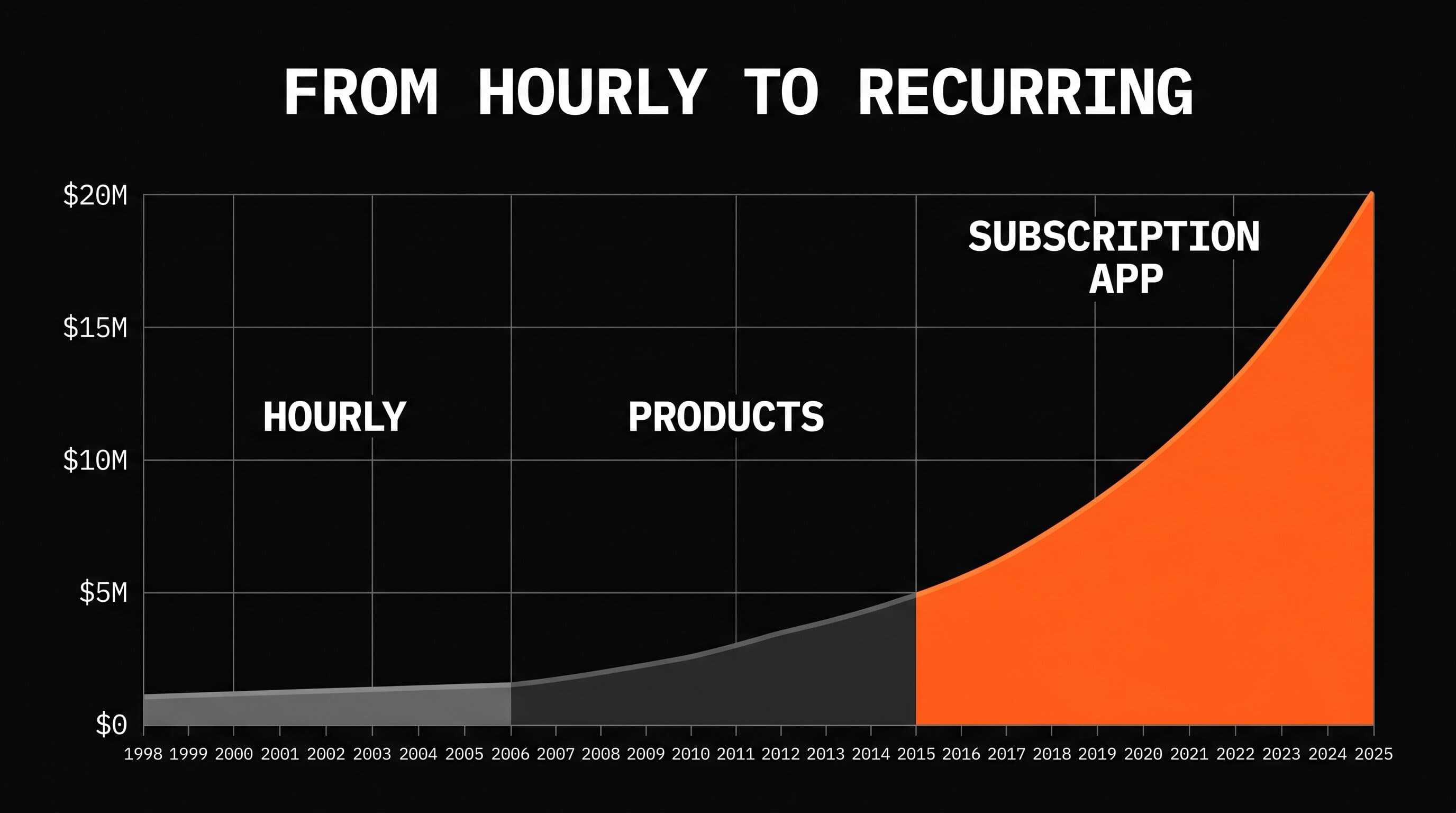
Phase 32015 to todayTA Online Studio app$90 to $130/month subscription
Each phase fed the next. The celebrity clients gave her authority. The DVDs and studios gave her a content library and a method that could be taught without her in the room. The app turned all of that back catalogue, plus weekly new choreography, into a recurring revenue product that compounds with every paying month. She did the same move Adriene Mishler did with yoga and the same move Kayla Itsines did with Sweat. Different niches. Same architecture.
Chart showing Tracy Anderson's revenue across three phases: hourly training (1998-2006), one time products (2006-2014), and subscription app (2015 to today) curving up to $20M annually
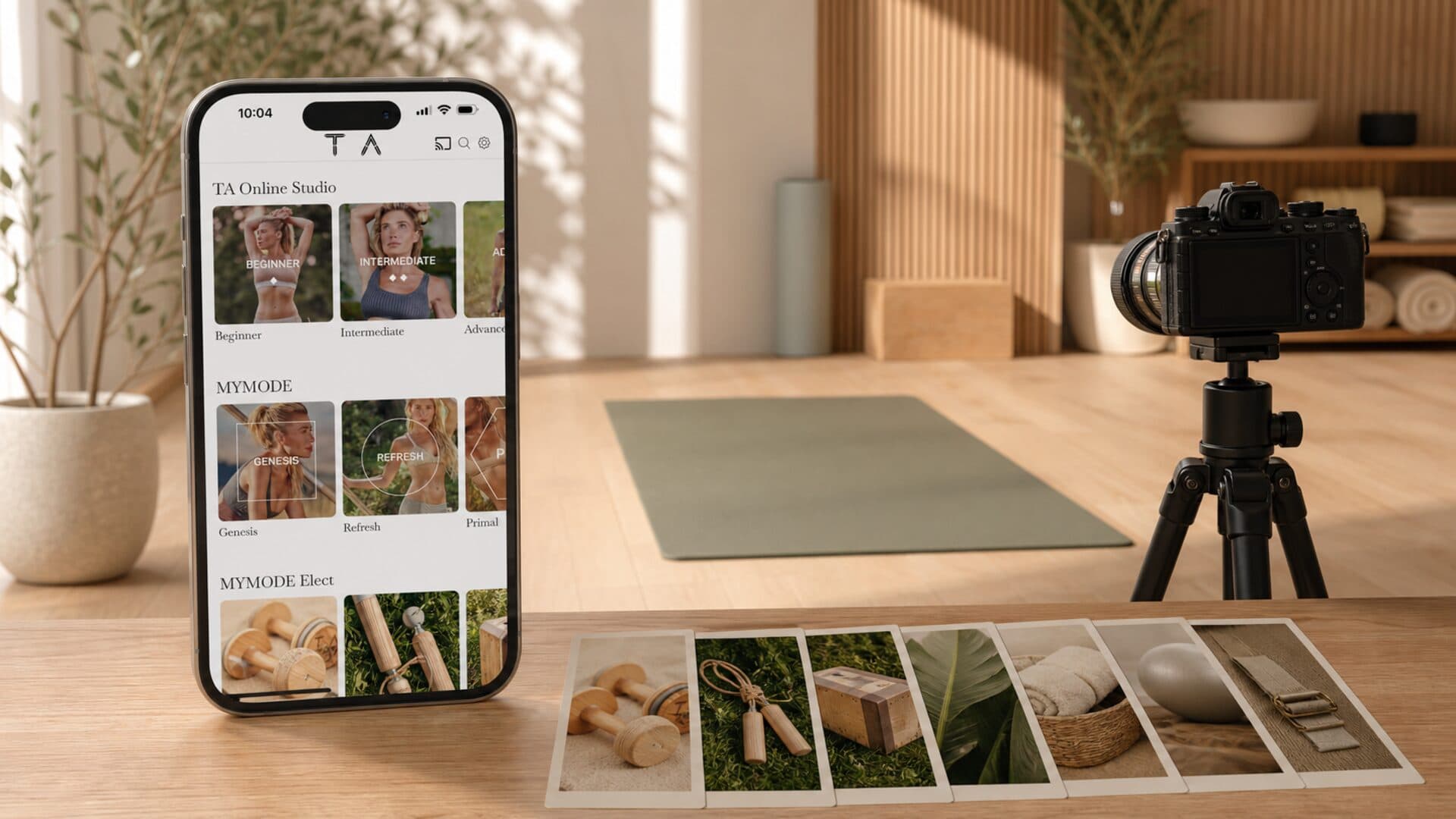
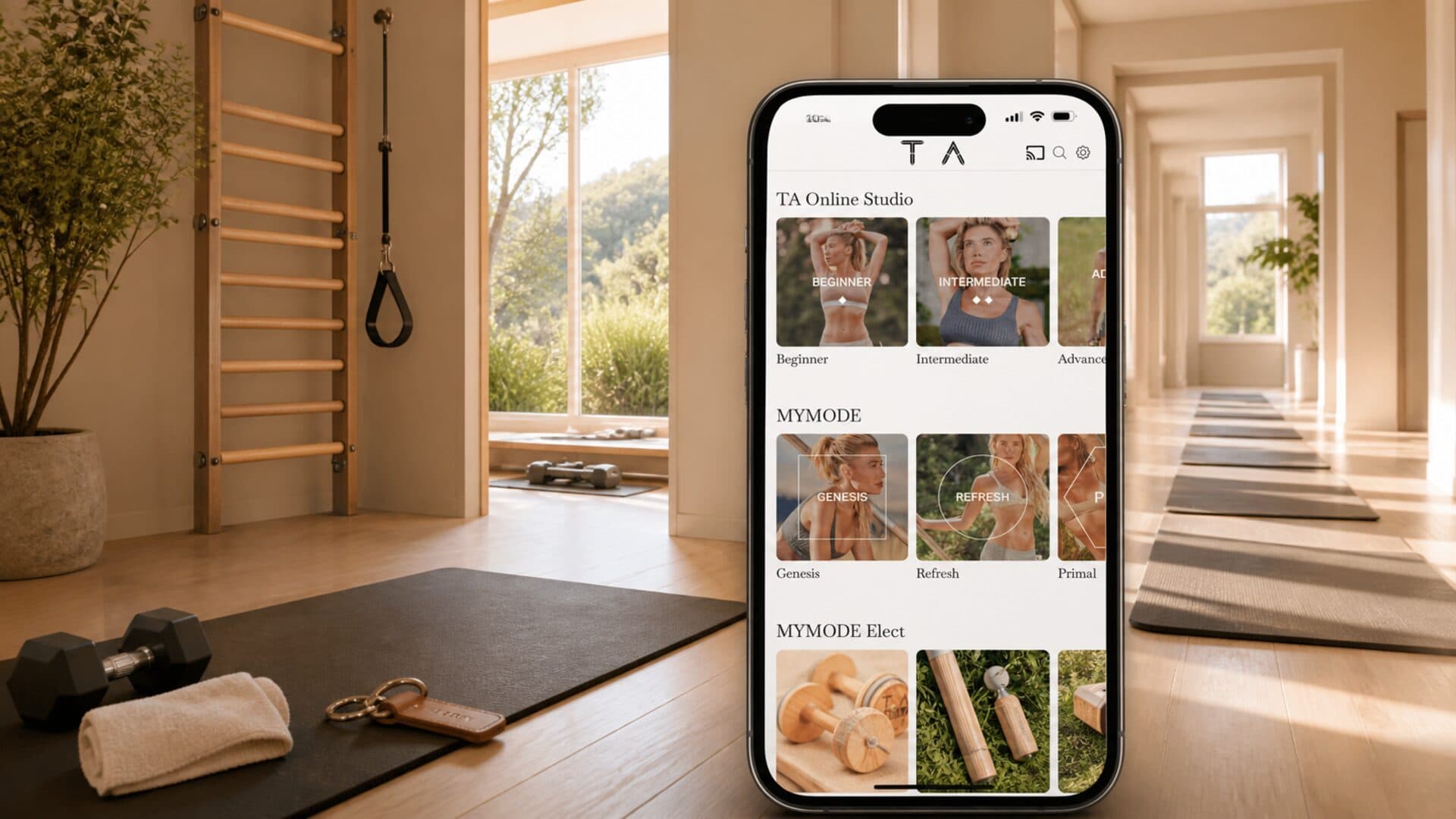
The Tracy Anderson Online Studio is a subscription app that streams new weekly workouts choreographed by Tracy Anderson, with tiered pricing from $90 to $130 a month. The $90 tier gives on demand classes for three fitness levels, dance cardio, specialty workouts, chef curated weekly menus, and the digital issue of her magazine. The $130 tier adds TA Live, which streams 180 live classes a month from her studio classrooms. Two weeks free, then it bills monthly. The same back catalogue gets resold to every new member who signs up, and every existing member keeps paying for the new choreography that drops each week. Public reporting from MoneyWeek puts her total business at $15M to $20M a year across the app, studios, and corporate work. Tracy Anderson Studios membership in New York or LA costs $1,500 the first month and $900 a month after. The app is the high volume, low touch product. The studios are the low volume, high touch product. Both feed the same brand. Run a back of the envelope on the app alone. Even at a conservative 10,000 active subscribers averaging $100 a month, that is $12M a year of recurring revenue from software, not sessions. No new client meetings. No 6 AM blocks on her calendar. Just a content library and a delivery mechanism. That is what recurring revenue actually buys you. Income that does not reset on the first of the month. Here is the part most fitness creators miss. Tracy Anderson has about 1M Instagram followers. By creator economy standards for a 25 year fitness empire that is small. There are TikTok lip syncers with five times her reach who make a tenth of her income. The reason is structural. Brand deals price the audience. Subscriptions price the outcome.
MonetizationWhat you sellCeilingCompounding
Brand dealsReachBounded by follower count and CPMNone, resets every campaign
One time productsA course or DVDBounded by how often you launchMild, until your catalogue gets stale
Subscription appOngoing access to your methodBounded only by retentionStrong, every month adds to the base
Tracy Anderson is what happens when you stop trying to be famous and start trying to be useful, on repeat, to the same paying customers. Niche apps beat big tech for exactly this reason. Three things.
  • Pick a method, not a topic. Tracy Anderson does not sell "fitness." She sells the Tracy Anderson Method. A method is something you can teach, version, and improve on a schedule. A topic is just a category you compete in.
  • Make the same content earn twice. Every workout she films lives in the library forever. New subscribers pay to access old workouts. Existing subscribers stay for the new ones. The library is the moat.
  • Pair the studio with the app. The high touch product (studios, retreats, one to one) sells the low touch product (the app). The app earns while the high touch work sleeps. This is the model yoga teachers like Adriene Mishler and dance instructors like Megan Roup figured out years ago.
The TA Online Studio app costs $90 a month for on demand classes. The TA Live tier costs $130 a month and adds 180 live classes a month. Both tiers include a 2 week free trial. Yes. She still trains private clients at her studios in New York, Los Angeles, the Hamptons, Madrid, and London. The app is the scaled product. The studios are where the brand keeps its credibility. Public reporting from MoneyWeek estimates her total annual income at $15M to $20M across the app, the physical studios, and corporate collaborations. Yes, but you need authority in a specific method, a content library you own, and a subscription delivery mechanism. The 25 years is the moat she built before the app existed. You can compress that timeline with a smaller niche and a sharper product. Tracy Anderson did not get rich because she got famous. She got rich because she productized a method and put it on a delivery mechanism that bills every month. The celebrity client list was the on ramp, not the product. If you have a method that works, you can do this. The expensive part is the 25 years of authority. The cheap part, now, is the app. Your method already works. The app version of it does not exist yet.
Let's build it

Creator app strategy

Want us to review your creator business?

Apply for a Foundry Creator App Review. We'll tell you whether there is a real app opportunity hiding in your audience.

Tracy Anderson: 25 Years to a $90/Month Fitness App