
Case Studies & Success Stories

Sami Clarke: From Livestreams to $42M FORM App

Foundry
May 19, 2026
Share
Sami Clarke: From Livestreams to $42M FORM App

Get Creator Revenue Insights

How creators are turning audiences into subscription businesses
Share
Key Takeaways:
  • Sami Clarke started as a model, retrained as a fitness coach, and built a following of nearly 1 million across Instagram and YouTube
  • During the 2020 lockdowns, she streamed five free 30-minute Pilates and strength workouts a week from her living room
  • In August 2021, she launched the FORM app with co-founder Sami Spalter, a Forbes 30 Under 30 marketer
  • FORM now has 70,000 paying subscribers at $28 per month or $180 per year
  • Combined platform and apparel revenue has cleared $42 million, with $22 million booked in 2025 alone (Entrepreneur, 2026)
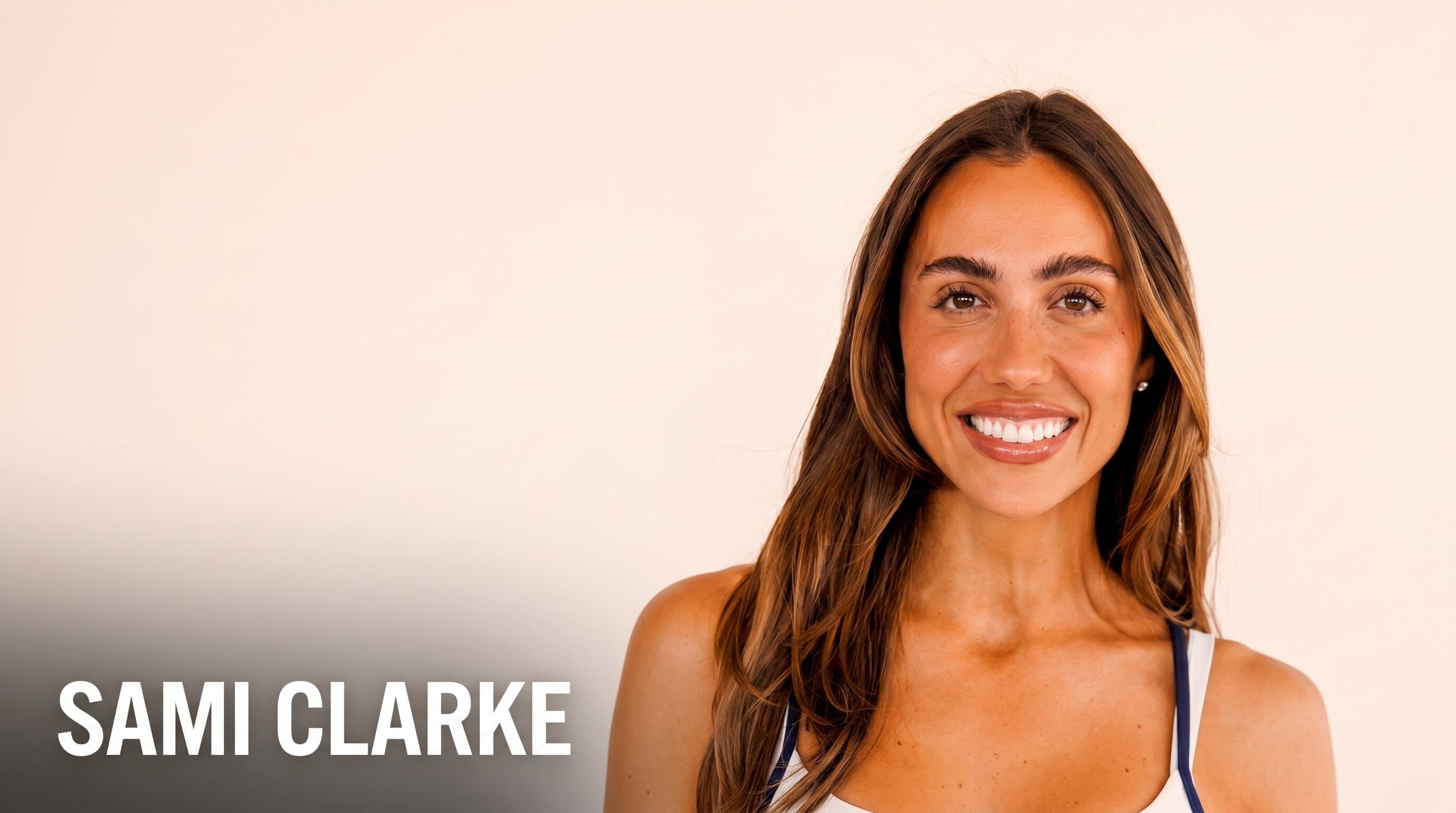
Sami Clarke is a Los Angeles based trainer who turned a daily lockdown livestream habit into one of the more profitable creator-led fitness platforms in the US. She is the co-founder of FORM, a subscription Pilates and strength app, and the face of the brand on Instagram and TikTok. She did not start in fitness. Clarke moved to Los Angeles at 17 to model. She danced as a kid, lifted to feel strong, and eventually picked up certifications in Mat Pilates, ISSA Fitness, and somatic healing. The training work paid better than the casting calls, and the audience that came with it was hungrier. By 2019 she had a following. She was teaching in studios, posting form cues on Instagram, and quietly building the kind of trust that converts to paid product later. Then the world shut down. In March 2020, Clarke started showing up online five times a week to teach free 30-minute workouts. No paywall. No app. Just her, a yoga mat, and a phone propped on a stack of books. The classes ran for over a year. She did not skip days. She did not run ads. She showed up.
"We heavily rely on social media to guide our brand decisions, with the majority of our marketing efforts directed towards our social channels," co-founder Sami Spalter told Athletech News.
That is the part most creators skip. They build an audience and then try to figure out monetization later. Clarke did the opposite. She used the livestreams to learn exactly what her audience wanted, what they hated, what kept them coming back, and what format actually fit into their day. By the time FORM launched in August 2021, the product was already designed around real user behavior, not guesses. The math of that decision is the whole point of building software instead of selling courses. A creator with a 50,000 person livestream audience and a $28 monthly app converts a fraction of those viewers and still clears more in a year than most brand deals pay in a decade. We broke down the numbers in The $10K Brand Deal vs $10K MRR, and FORM is the case study version of the spreadsheet.
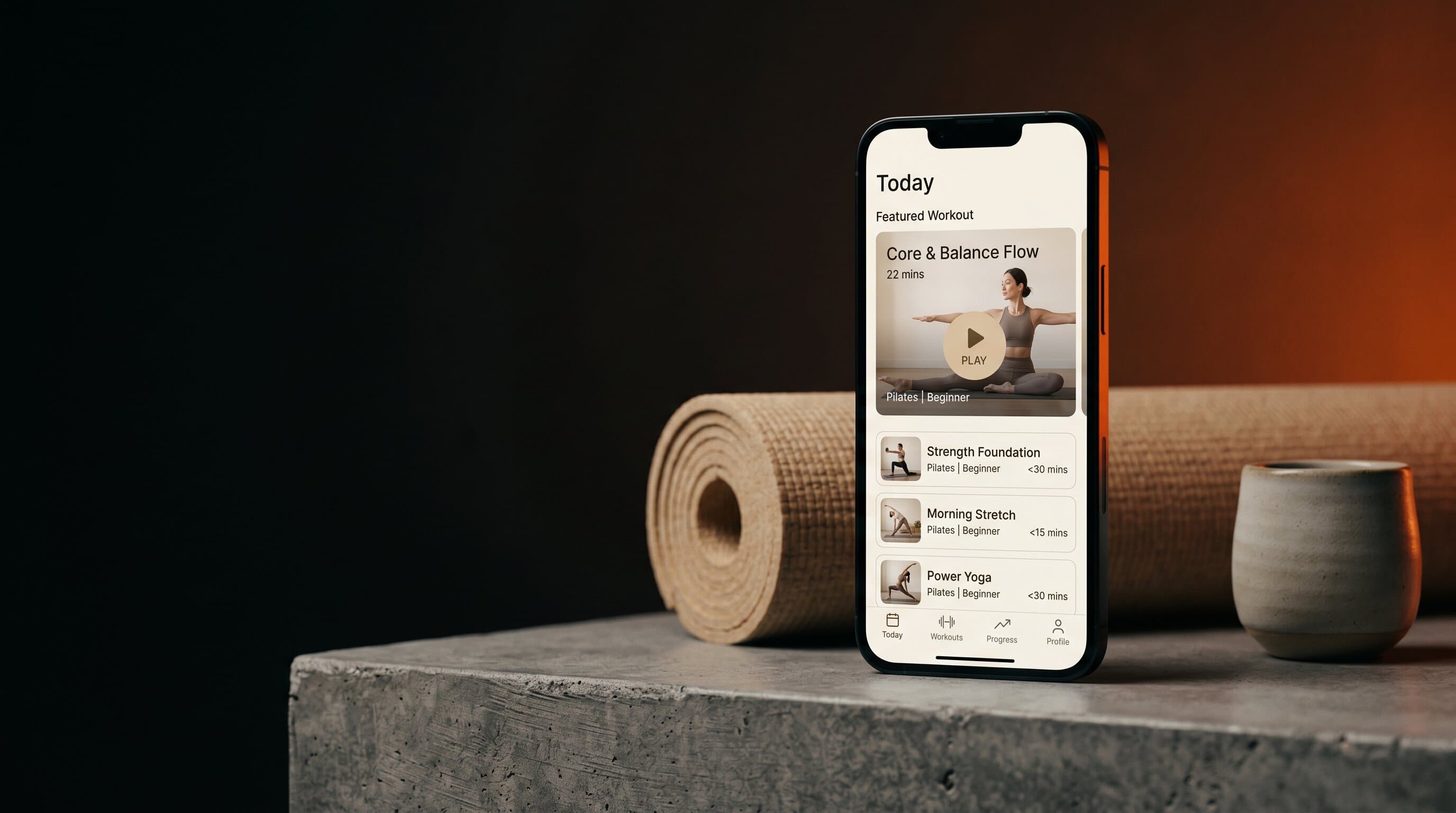
FORM app pilates and strength training subscription interface
FORM is a subscription fitness platform offering Pilates and strength workouts, most under 30 minutes, plus meditations, recipes, and a community layer for women who want results without burning out. That one sentence is what gets pulled into search. The app sits at $28 per month or $180 per year. New content drops weekly. Members get a searchable library, programmed multi-week paths, and access to private WhatsApp groups organized by city.
FORM PlanPrice
Monthly$28/month
Annual (upfront)$180/year
Effective annual rate$15/month
Free trial7 days
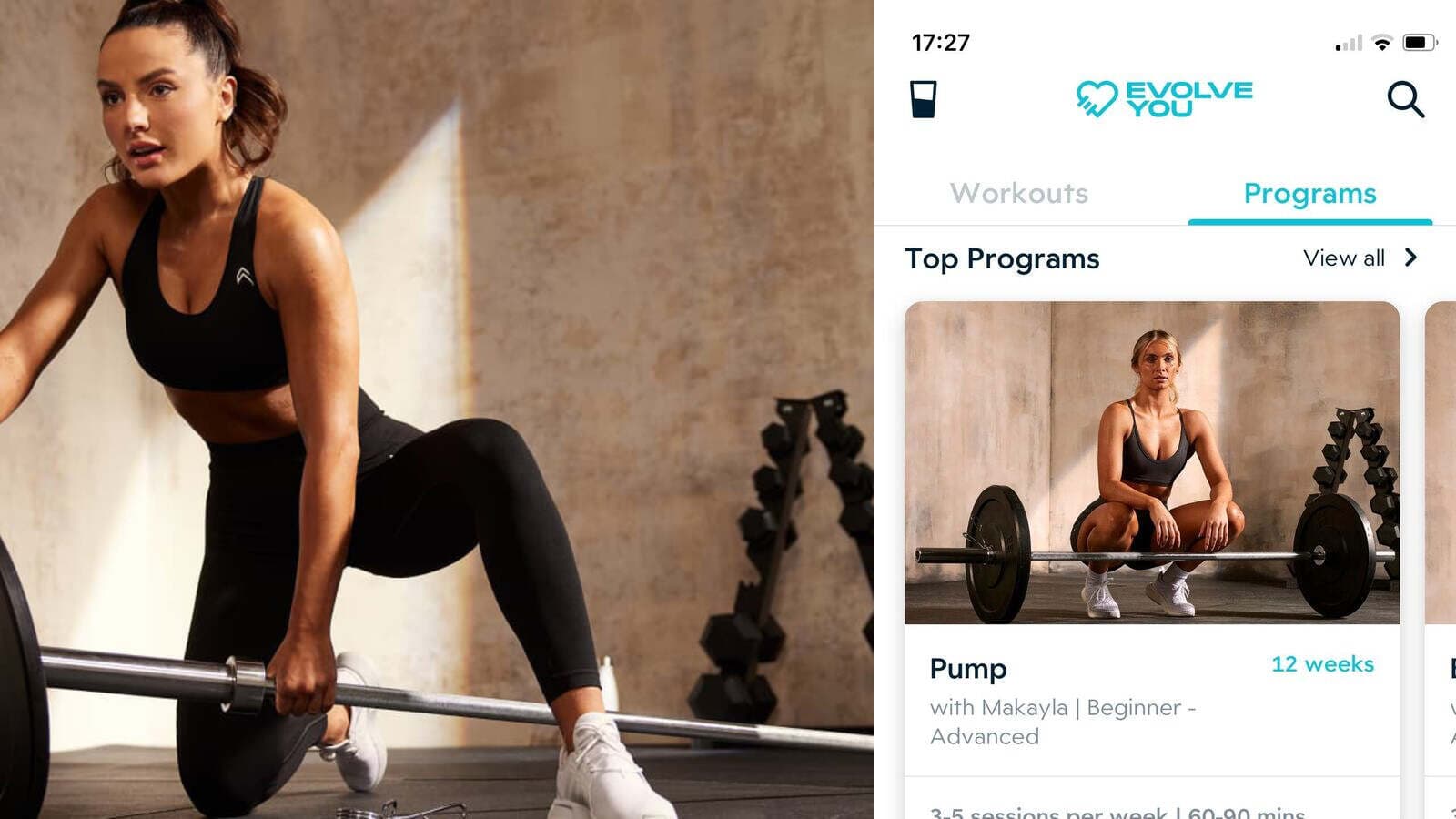
The pricing is premium for a creator app. Compare that to Pamela Reif's PAM (freemium with paid tiers) or Sweat ($19.99/month). Clarke and Spalter bet that a smaller, more committed paying audience beat a free funnel with low conversion. The 70,000-subscriber number says they were right. Multiply 70,000 paying subscribers by an average monthly price between the $15 annual rate and $28 monthly rate and the recurring run rate is roughly $15 to $20 million a year on the app alone, before apparel. Clarke is the creator. Sami Spalter is the operator. She is a Forbes 30 Under 30 marketing executive who lost 85 pounds on her own wellness journey and brought the operational backbone Clarke needed. The two met, agreed they were building the same thing from different angles, and started the company out of the back room of a Los Angeles coffee shop. This is the part that gets glossed over in most "I built it myself" creator profiles. Clarke had the audience and the on-camera credibility. Spalter had the business chops. Neither one could have shipped FORM alone. It is the same split we see again and again with creator app businesses. Krissy Cela built EvolveYou with co-founder Jack Bullimore. Kayla Itsines built Sweat with Tobi Pearce. The creator brings trust. The partner brings product. The app is the proof that both functions ran together. Most creators do not have a Sami Spalter sitting next to them. That is the gap Built by Foundry was built to close. The headline number is $42 million in cumulative revenue, with $22 million booked in 2025 (Entrepreneur, 2026). That mix splits across three lines:
  • App subscriptions. 70,000 paying members at $28/month or $180/year. This is the recurring backbone, the part that grows whether Clarke posts or not.
  • Activewear. Launched in 2023. The first drop sold out in 90 minutes (Glossy, 2024). New drops monthly. The Every Body collection extended sizes to XXXL in March 2026.
  • Pop-ups and live events. Roughly 7.4% of total sales to date. Used as community moments and brand fuel, not as a primary channel.
Revenue LineWhat It IsRecurring?
FORM app subscription$28/mo Pilates and strength platformYes
ActivewearMonthly drops, branded apparelNo
Pop-up eventsIn-person classes, communityNo
Clarke is honest that the app is the engine. Apparel is the flywheel that markets the app. Pop-ups are the moment that fills the WhatsApp groups. Without the subscription, nothing scales. This is exactly why creators end up ditching merch for apps once they understand the math. Three reasons. They are the same three reasons every creator profile we cover ends up making the same argument. Recurring revenue. A drop sells out in 90 minutes and pays the team for a quarter. A 70,000 person subscriber base pays the team every 30 days, automatically, whether anyone is paying attention. That is the difference between a hit and a business. Content writes itself. Every new workout in the app is a TikTok teaser. Every member transformation is a reaction post. Every WhatsApp city group is a content goldmine. Clarke does not stare at a blank screen wondering what to post. The product generates the content calendar. We wrote up the pattern in How Your App Becomes Your Content Calendar. Fans become daily users. A follower scrolls past your post in three seconds. A FORM subscriber opens the app five times a week. The first relationship is rented from Instagram. The second is owned. That difference compounds harder than any algorithm can punish. FORM is not the biggest creator-led fitness app. It is one of the more efficient ones. Most fitness creators chase YouTube subscribers and brand deals. Clarke picked subscription early.
CreatorAppSubscribersNotable
Sami ClarkeFORM70,000$42M cumulative revenue
Kayla ItsinesSweat450,000+ at peakSold for $400M
Krissy CelaEvolveYou80,000£7.4M annual sales
Megan RoupThe Sculpt SocietyUndisclosedCelebrity fan base
The pattern is consistent across five fitness creators who built million-dollar apps: subscription, not sponsorship; daily product use, not weekly content; community, not just audience. Three lessons, no hedging. Show up before you sell. Clarke ran free 30-minute livestreams for over a year before charging anyone a dollar. The trust she built in that window is what made the $28 monthly subscription stick when she finally turned it on. We wrote about this pattern more broadly in Your Audience Is an Asset. Find your operator. Clarke did not build FORM by herself. She found a co-founder who lived in spreadsheets while she lived on camera. If you do not have that person, your app gets stuck at "we are working on it." We explain why this matters in Why Creators Need Product Partners, Not Developers. Price like you mean it. $28 a month is more than Sweat, more than PAM, more than most. Clarke priced for the audience that wanted serious results, not the audience that wanted free content. The 70,000 subscriber count is the answer to whether that bet worked. FORM costs $28 per month or $180 per year. The annual plan works out to $15 per month, a roughly 46% discount versus monthly. New users get a 7-day free trial. FORM had 70,000 paying subscribers as of 2025, up from 12,000 in 2021. The company projects 120,000 subscribers by the end of 2026 (Entrepreneur, 2026). FORM has generated $42 million in cumulative revenue across app subscriptions, apparel, and events, with $22 million booked in 2025 alone. Subscription revenue is the recurring backbone of the business. FORM was founded in August 2021 by Sami Clarke, a fitness trainer and former model with nearly 1 million followers across Instagram and YouTube, together with Sami Spalter, a marketing executive and Forbes 30 Under 30 honoree. FORM specializes in Pilates and strength training, with most workouts under 30 minutes. The app also includes self-guided meditations, weekly recipes, meal plans, and city-based community WhatsApp groups. Sami Clarke did not get lucky. She did the work, found the partner, and built the app. The $42 million is the proof. You have an audience that already trusts you. The only question is whether you turn it into a product they pay for monthly, or you spend another year selling someone else's brand to them for a one-time check. Want to turn your expertise into an app like FORM? Built by Foundry builds custom subscription apps for creators. $0 upfront, three weeks to App Store, revenue share, and we handle the app forever.
Let's Build →
Sami Clarke: From Livestreams to $42M FORM App