

Grace Beverley: 2 Companies Built While at Oxford

Grace Beverley: 2 Companies Built While at Oxford

Foundry
March 14, 2026
Key Takeaways:
  • Grace Beverley launched the Shreddy subscription fitness app and TALA activewear while studying PPE at Oxford University
  • She graduated at 21 with two functioning businesses and hundreds of thousands of social media followers
  • TALA raised investment capital and generated millions in annual revenue within its first few years, earning coverage from Vogue, Forbes, and the Business of Fashion
  • Grace was named to Forbes' 30 Under 30 Europe list—recognition that her businesses were more than side projects
  • Her model—content as distribution, products as the business—is the playbook every creator should steal
Most creators wait until they "make it" to build a business. Grace Beverley didn't wait. She built two. While studying Philosophy, Politics, and Economics at Oxford University, Grace Beverley launched a subscription fitness app, then a sustainable activewear brand—all while growing a YouTube audience of hundreds of thousands. She graduated at 21 with two functioning businesses already generating revenue. This isn't a story about being lucky or being a prodigy. It's a story about thinking like a founder from day one—and not waiting for permission to start. Grace Beverley started making fitness content on YouTube under the name GraceFitUK while she was studying at Oxford. Her channel offered workout videos, healthy eating tips, and honest takes on fitness culture—not the usual "before and after transformation" content that dominated the space at the time. What set Grace apart wasn't just the content quality. It was her voice. She was direct, credible, and unafraid to challenge fitness myths. Her audience wasn't just looking for workouts—they trusted her perspective. That trust, built video by video, became the foundation for everything she built next. Oxford is not known for producing YouTubers. It's known for producing prime ministers, economists, and academics. Grace Beverley chose a different path—or rather, she chose both. She started creating content alongside her PPE degree. At a university where being "serious" typically meant suppressing anything entrepreneurial, Grace built her audience openly and used the time to experiment with what her community actually needed. Counterintuitively, Oxford made her better at business. A degree in economics teaches you to think in systems and incentives. A degree in philosophy teaches you to question assumptions. Both show up clearly in how Grace designed Shreddy and TALA: two businesses with distinct models, distinct value propositions, and genuine points of view. She wasn't playing creator. She was building. Shreddy was Grace's first major product: a subscription fitness platform offering structured workout programs, nutrition guidance, and community features. She launched it while still at Oxford—one of the earliest examples of a UK fitness creator building a real software product rather than just selling downloadable PDFs or chasing brand deals. Shreddy offered workout programs at different fitness levels, meal planning tools, and progress tracking. The model was simple: pay a monthly subscription, get access to everything. No one-off purchases. No course that collects dust after the initial motivation fades. This was notable because subscription fitness apps weren't yet common. Grace saw what her audience actually needed—ongoing, structured guidance—and built a product that aligned with that need. And she structured it as recurring revenue rather than a one-time transaction.
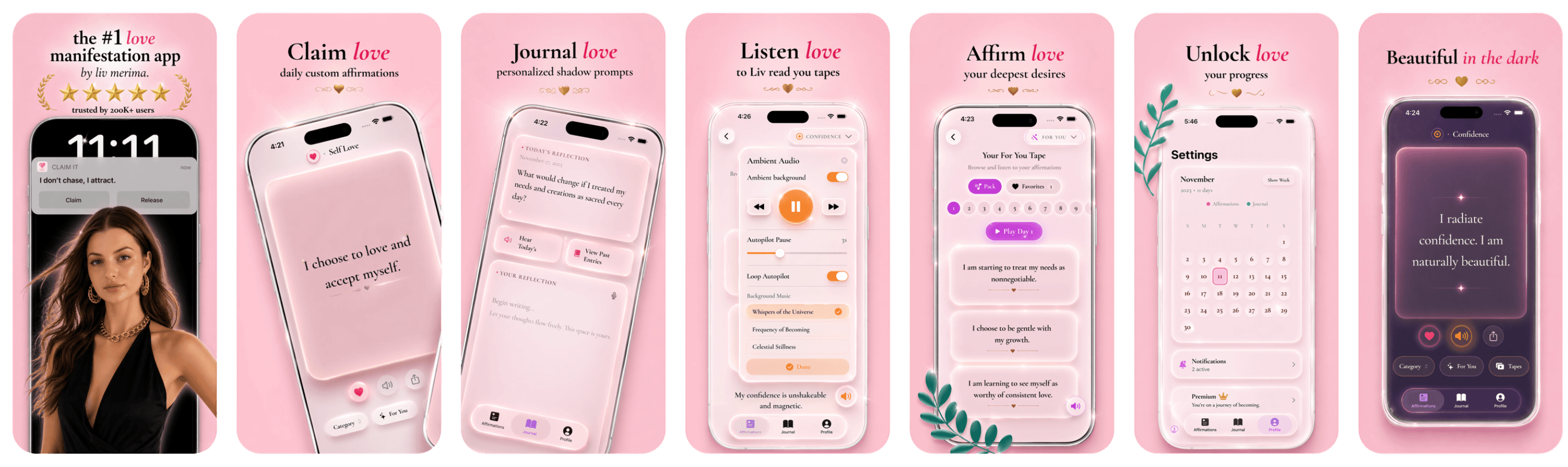
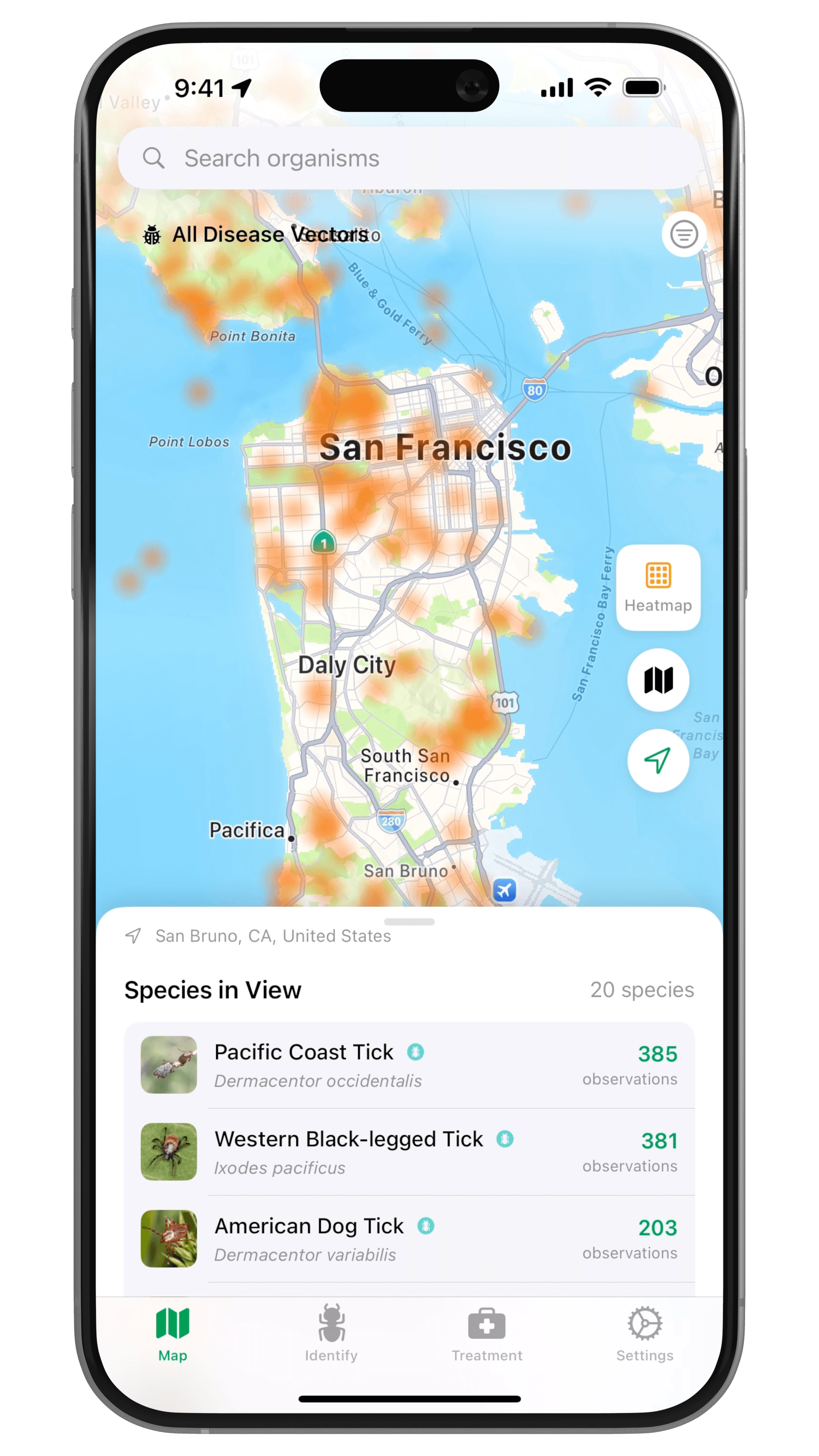
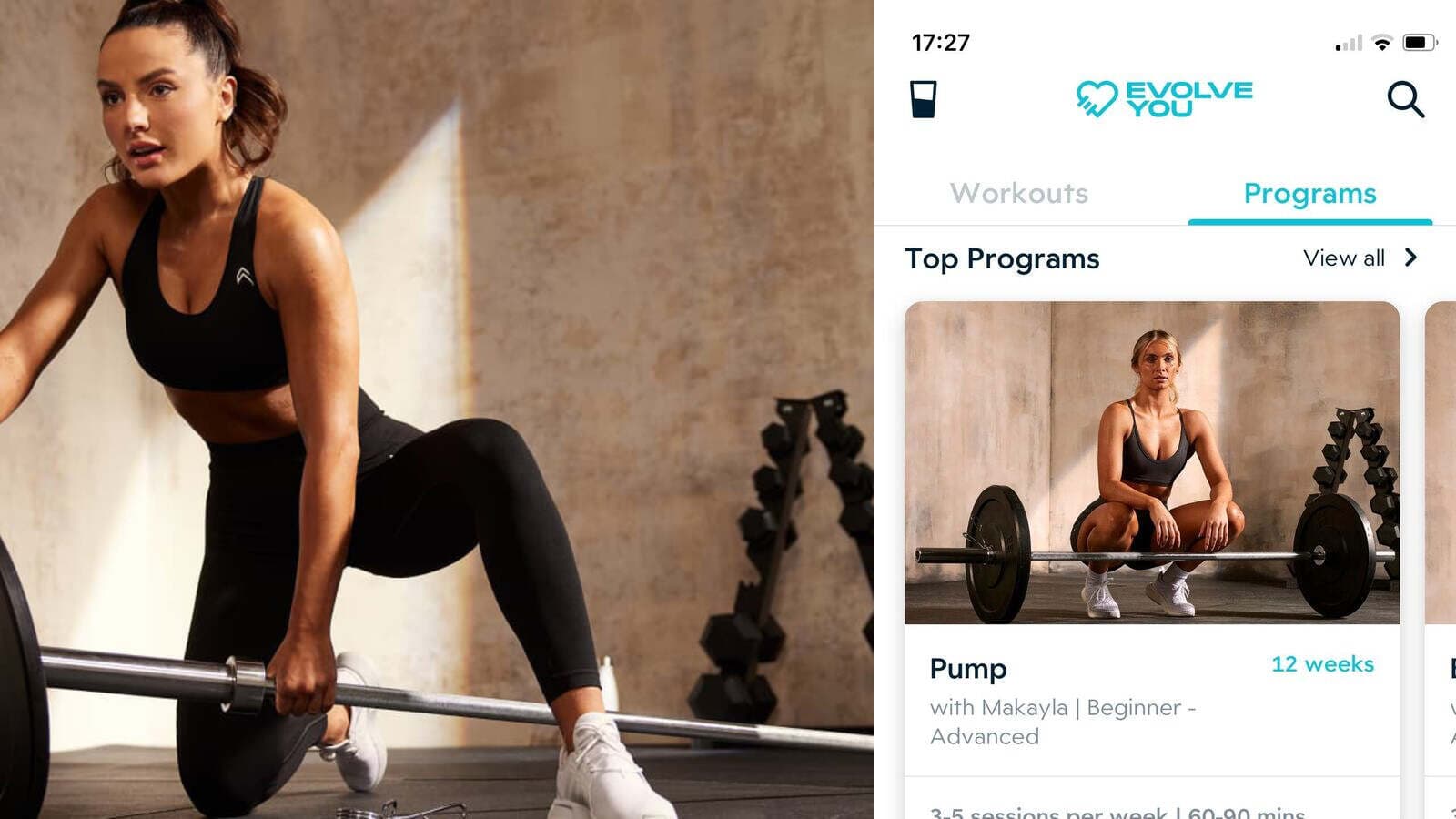
Grace Beverley's Shreddy fitness app showing workout programs and progress tracking on a 16:9 canvas
That distinction matters more than it might seem. A PDF sells once. A subscription earns every single month. The same audience that buys your guide once generates far more revenue when they're subscribing. Grace understood this before most creators were even thinking about software. In 2019, while Shreddy was already running, Grace launched TALA—a sustainable activewear brand built on the premise that high-performance gym clothing shouldn't cost the planet. The move looked counterintuitive. She already had a subscription product generating recurring revenue. Why add the complexity of physical goods, manufacturing, and inventory management? The answer is brand architecture. Grace understood that her audience trusted her across two distinct dimensions: fitness guidance (Shreddy's domain) and aesthetic and lifestyle (activewear's domain). TALA wasn't a distraction from Shreddy—it was the physical complement to it. TALA grew quickly. The brand attracted investment capital, built a loyal customer base, and earned coverage from Vogue UK, the Business of Fashion, and Forbes—publications that don't typically profile founders in their early twenties. Grace was named to Forbes' 30 Under 30 Europe list, a signal that her businesses had outgrown the "creator side project" category entirely.
TALA sustainable activewear flatlay showing Grace Beverley's sustainable athletic brand products
By the time Grace graduated, she wasn't leaving Oxford to "figure out what to do next." She was leaving to run two real businesses. Grace's path isn't perfectly replicable—most creators shouldn't try to launch a subscription app and a physical product brand simultaneously. But her thinking offers four lessons that apply at any stage and in any niche. 1. Build before you're ready. Grace launched Shreddy while juggling a demanding Oxford degree. She didn't wait to graduate, hire a full team, or raise a seed round. Waiting for the "right time" is usually procrastination dressed up as prudence. 2. Use your content as distribution, not as the business. YouTube and Instagram were how Grace found her audience. But she didn't make content her business—she made it the top of her funnel. The business was Shreddy. The business was TALA. Content drove customers to both. 3. Subscription beats one-time sales every time. A downloadable workout guide sells once. A subscription app earns every month. The math compounds dramatically in your favor. As we explored in the brand deals vs. subscription apps comparison, recurring revenue changes the entire economics of a creator business. 4. Values-driven brands create defensibility. TALA's sustainability focus wasn't just a marketing angle—it created a reason to exist beyond "another activewear brand." When your brand has a genuine point of view, it attracts customers who share it and becomes much harder to copy. The most underappreciated part of Grace's story is the flywheel she built between content, app, and brand. YouTube subscribers became Shreddy users. Shreddy users became TALA customers. TALA customers shared on Instagram and brought new followers back to YouTube. Each business fed the others—not by accident, but by design. This is what a creator-founder flywheel actually looks like. It's not about having the most followers or the most viral content. It's about building interconnected products that convert audience trust into recurring revenue and physical purchases. Krissy Cela built a near-identical flywheel with EvolveYou and Oner Active, combining a fitness app with an activewear brand into a £70M+ empire. Kayla Itsines proved the same thesis a generation earlier—converting Instagram trust into a $400M fitness app exit. The pattern is consistent across niches and continents: content builds the audience, products capture the value. The difference between these creators and most of the creator world is simple. Most creators build audiences and then figure out how to monetize later. Grace built monetization into the plan from the beginning. Here's the question most creators never ask themselves: if your platform disappeared tomorrow, what would you have left? Grace Beverley built a real answer to that question. If YouTube vanished overnight, she'd still have Shreddy's subscriber base and TALA's customer list. She's not dependent on any single platform because she built assets that exist independently of algorithms. That's the gap between being a creator and being a founder. Brand deals give you money once. A subscription app gives you money every month. A physical product brand gives you returning customers. Grace understood this before most creators were even thinking about it—and she built the proof while most of her peers were cramming for finals. The creator economy has no shortage of people building audiences. It has a serious shortage of people who know what to do with them. Grace Beverley figured out the answer early, and the businesses she built at Oxford are still running—and growing—years later. If you're ready to stop treating your audience as an inventory for brand deals and start treating it as the distribution layer for something you own, learn how we work →
Want to turn your expertise into a subscription business? We build software products for creators—$0 upfront, 3-week delivery, we handle all the tech forever.
Book Your Free Strategy Call →

Get Creator Revenue Insights

How creators are turning audiences into subscription businesses
Subscribe

You might also enjoy...