
Dr. Mike Israetel: From PhD to RP Hypertrophy App

Dr. Mike Israetel: From PhD to RP Hypertrophy App

Foundry
April 24, 2026
Most fitness YouTubers stop at the YouTube payout. They post, they brand deal, they maybe sell a PDF. Dr. Mike Israetel built an academic career first, then turned the research into a company, then turned the company into an app you pay to use every time you lift. The RP Hypertrophy App is the endpoint of that stack. It's science-forward, it's a subscription, and it earns whether Dr. Mike posts a video tomorrow or takes the month off. Key Takeaways:
  • Dr. Mike Israetel holds a PhD in Sport Physiology and co-founded Renaissance Periodization with Nick Shaw in 2012
  • The Renaissance Periodization YouTube channel has grown to roughly 3.8 million subscribers with billions of total views
  • The RP Hypertrophy App prices at about $24.99/month or $224.99/year, turning one-time book buyers into recurring subscribers
  • Dr. Mike's personal net worth is reported at over $6 million, with most income flowing from RP, not ad revenue (source)
  • The lesson: credentials become content, content becomes audience, audience becomes a subscription product
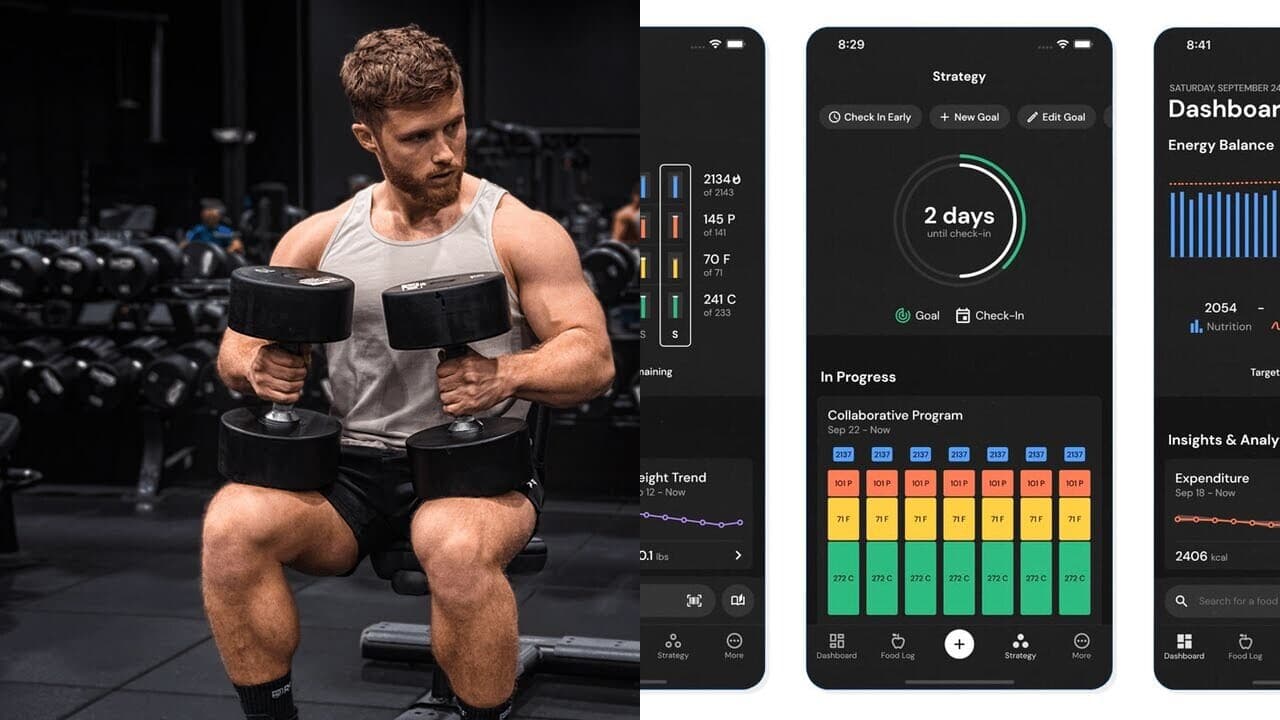
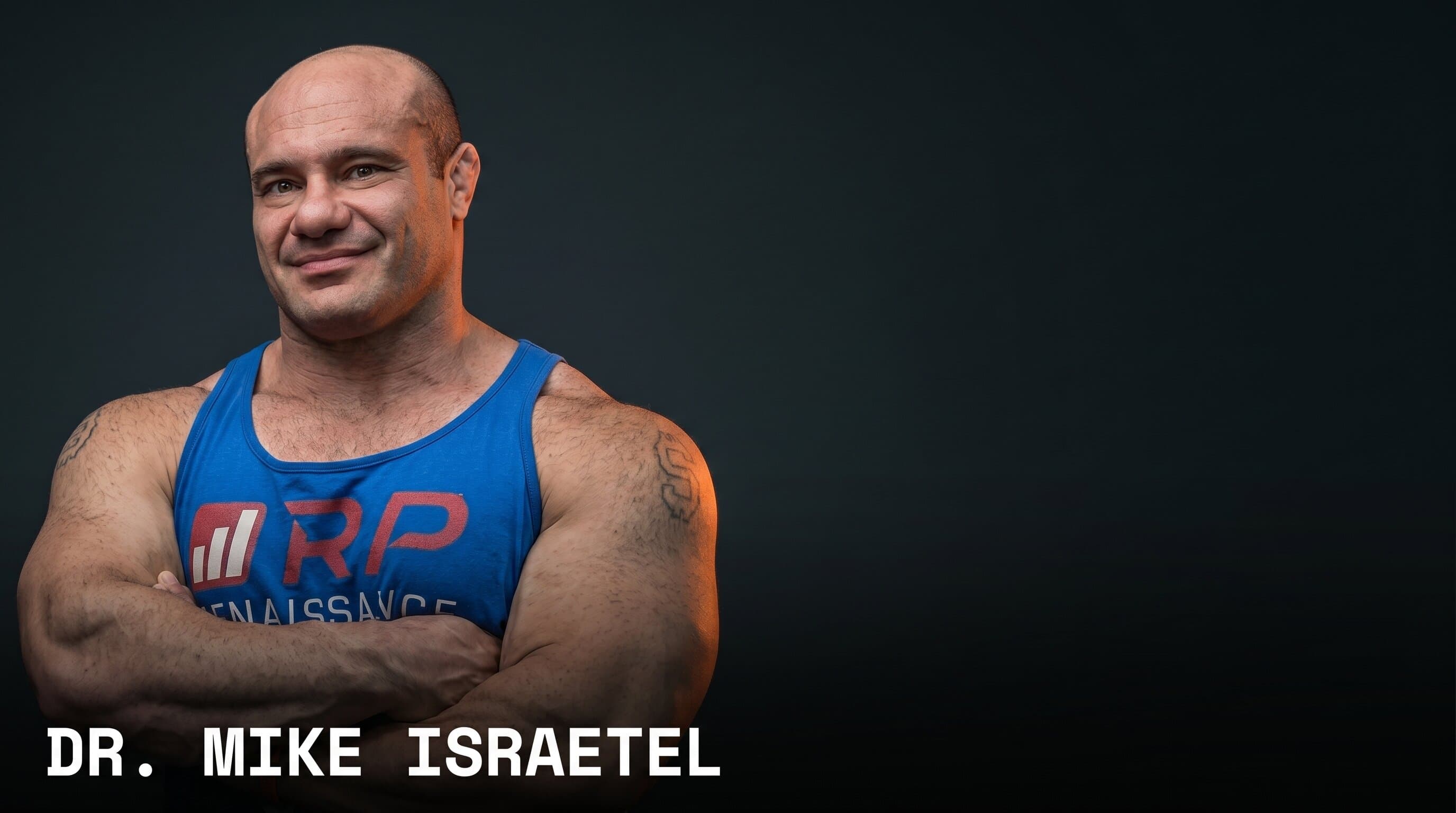
Dr. Michael Israetel is a sport scientist with a PhD in Sport Physiology from East Tennessee State University. He's a competitive bodybuilder, a Brazilian Jiu-Jitsu black belt, and the co-founder of Renaissance Periodization (RP Strength). He's also the primary face of the RP YouTube channel, which has roughly 3.8 million subscribers, and runs a separate personal channel, Mike Israetel Making Progress, launched in March 2023. On Instagram, @drmikeisraetel has over a million followers. His second account, @drmikeclips, has several hundred thousand more. He's everywhere fitness content lives, and the academic credentials show up on every post. The CliffsNotes version: he's the rare creator whose audience actually expects citations. The short answer: he didn't build an audience first and then bolt a product on. He built credibility first, packaged it into products, and let the products pull an audience into existence. Renaissance Periodization started in 2012 as a coaching and content company co-founded by Dr. Mike and Nick Shaw, his training partner. For years it looked like a textbook publisher dressed up as a fitness brand. The company released a small library of training and nutrition books including Scientific Principles of Hypertrophy Training, Scientific Principles of Strength Training, and The Renaissance Diet 2.0, co-authored with other PhDs on the team. Each book was a one-time sale with a one-time payout. Good for credibility. Terrible for compounding revenue. Then they turned the book into an app. The RP Hypertrophy App is a subscription workout app that converts Renaissance Periodization's research methodology into a self-adjusting training program. It pulls from the team's hypertrophy research and walks users through mesocycles, set tracking, and adaptive volume recommendations based on how recovered they feel session to session.
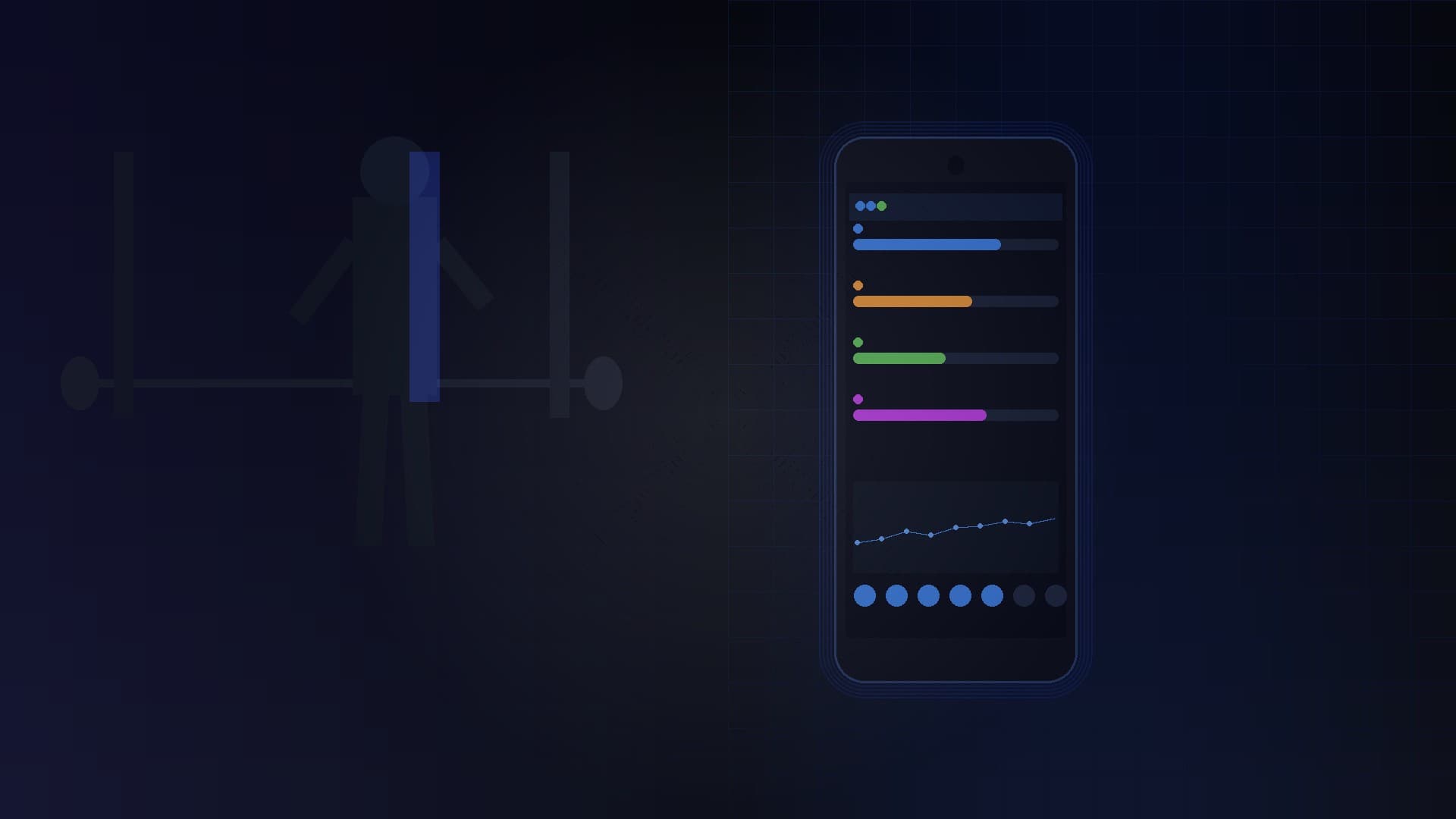
A dark modern gym with a barbell under a spotlight and a chalkboard showing training volume equations and periodization notations
Pricing sits around $24.99/month on promotion, with an annual plan near $224.99/year and a six-month option around $149.99 (RP Strength). The app has thousands of reviews on the Apple App Store and Google Play. The business model shift is the entire story. A $30 book earns $30 once. A $224.99/year subscription earns $224.99 every year the user stays. For a creator whose audience trusts the science, that difference compounds into a different kind of company. Because content creators don't sell information. They sell access to a result. A book tells you how to program a mesocycle. An app runs the mesocycle for you. The book reader has to translate theory into a weekly spreadsheet. The app user opens their phone at the gym and does the next set. The friction gap between "I read this" and "I did this" is where most creator businesses leak revenue. This is the same pattern we saw with Jeff Nippard becoming a co-owner of the $30M MacroFactor app. Jeff started with a physique science YouTube channel and partnered on an algorithm-driven nutrition app. Layne Norton did a version of the same move with Carbon Diet Coach, turning his PhD coaching methodology into a subscription. Science-based fitness creators keep arriving at the same conclusion: books and courses cap out, apps keep earning. The app is just a better container for the expertise than anything a creator can put on a page. Renaissance Periodization doesn't publish revenue numbers. Third-party profiles (drmikeisraetel.com) estimate the company at roughly $4.3M in annual revenue and place Dr. Mike's personal income near $2M a year, with a net worth above $6M. Treat those numbers as directional, not audited. What's verifiable is the structure. The RP YouTube channel has crossed 3 million subscribers, the RP Hypertrophy App has thousands of App Store reviews, and the same team ships new apps and book editions every year. Compare that to a pure YouTube fitness channel at the same subscriber scale:
Revenue SourceTypical Monthly EarningsOwnershipScales With
YouTube ad revenue$15,000 to $60,000Platform owns the audienceVideo volume
Brand deals$5,000 to $25,000 per dealBrand owns the customerCreator's hours
$30 one-time book$30 per copy, onceCreator owns the IPLaunch moment
Subscription app ($20-25/mo)Compounds every monthCreator owns the productRetention curve
The subscription line is the only one where last month's customer is still paying you this month. Science-based fitness is the practice of programming workouts and nutrition using peer-reviewed research rather than anecdote, celebrity endorsement, or supplement-sponsor bias. It's less a training style and more a tone: cite the study, show the mechanism, admit what the evidence doesn't yet prove. Dr. Mike didn't invent the category. He helped normalize it on YouTube. The format is simple: explain a muscle, cite the research on stimulus-to-fatigue ratios, demonstrate the exercise on his own body, drop a joke. That format has two features worth copying:
  • It scales credibility. Each new video reinforces the brand as "the PhD-backed one."
  • It pulls viewers into a product they already believe in. If you've watched 30 hours of a PhD explaining hypertrophy principles, paying $25/month for his app to apply those principles takes about one tap.
Science-based fitness is the content. The app is the conversion. Every creator stares at a content calendar and asks the same question: what do I post tomorrow? Dr. Mike rarely has to. Each new research paper is a video. Each app feature release is a video. Each gym session is a video. Each user question is a video. The app generates content prompts automatically, because the app is in the creator's daily life and the daily life is the content. This is the creator content treadmill in reverse. When the product generates topics, the creator stops inventing them.
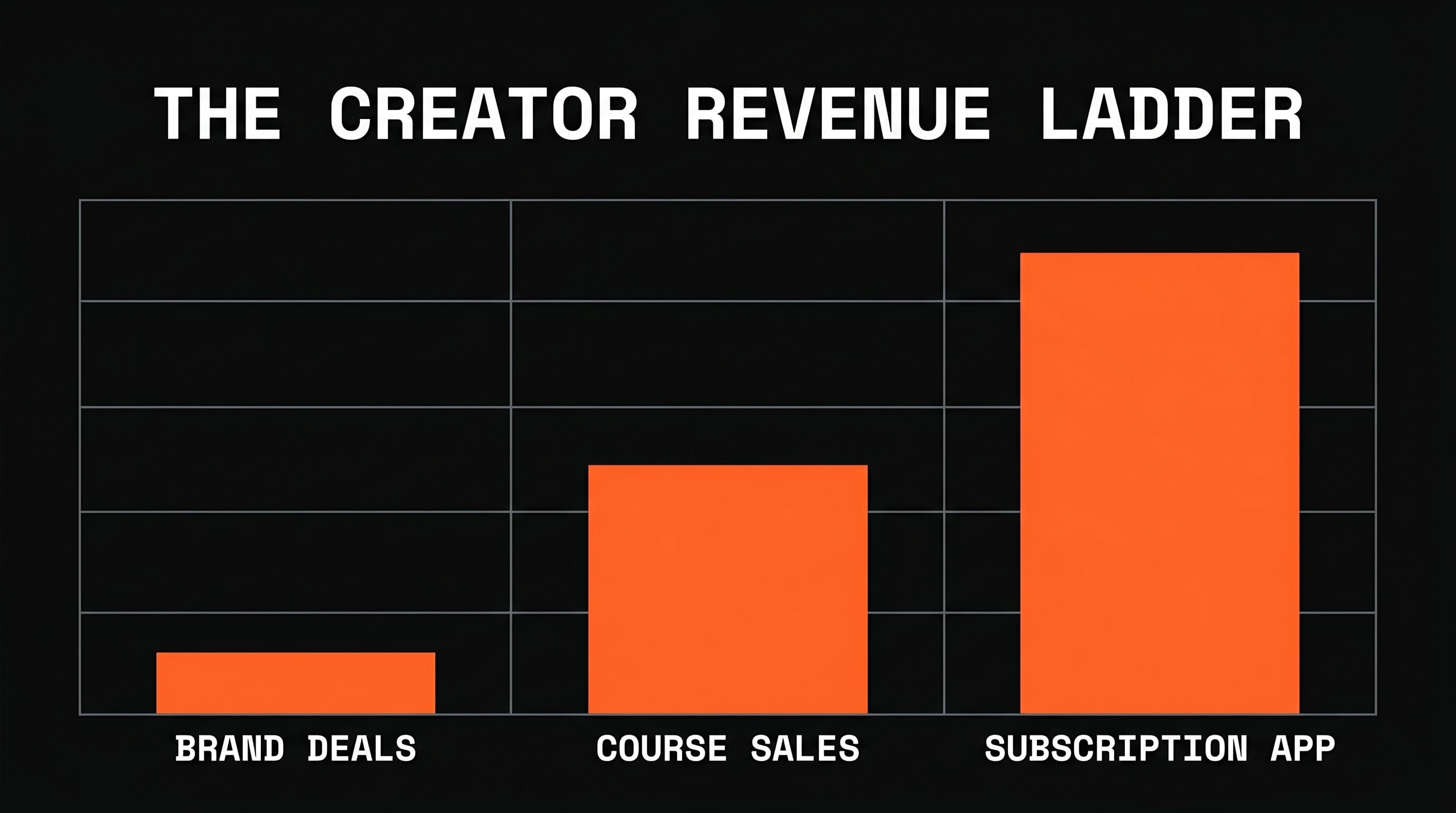
Bar chart titled THE CREATOR REVENUE LADDER comparing brand deals (small), course sales (medium), and subscription app (largest)
The chart is simplified, but the pattern holds across the space. Fitness creators keep dominating the App Store because fitness audiences convert on tools that do the work for them. The top of the ladder is always the thing that compounds. Four moves worth copying, in order: 1. Stack credibility before stacking content. The PhD came first. The channel came second. Most creators invert the order and then have to retrofit authority once the audience exists. The harder version is to build one credible thing, repeatedly, until nobody questions why you're the voice in the category. 2. Turn the expertise into a container that runs without you. Books are static. Courses expire. An app is the only container that keeps adjusting with the user and keeps billing while the creator is offline. Every piece of Dr. Mike's intellectual property now lives inside a product that runs without his hands on the keyboard. 3. Use the product to generate the content. App releases, user questions, and training insights become videos. The product feeds the content calendar, not the other way around. 4. Own the customer. YouTube owns the subscriber. Brand deals own the campaign window. The app owns the paying customer's credit card, their training history, and the relationship. That's the only one of those that a platform can't take back. The pattern isn't about fitness. It's about moving expertise from content to product. A finance creator turning spreadsheets into a budgeting app. A language-learning creator turning PDFs into a spaced-repetition app. A cooking creator turning recipes into a meal-planning app. A study creator turning templates into a focus app (see Hank Green's Focus Friend for one version of that). The mechanics are identical. The creator already has the audience and the subject matter expertise. The missing piece is a product that can charge every month without burning a new launch cycle every time. That's the part Built by Foundry builds, launches, and runs for creators so they can stay in the content seat, not the build seat. A creator cites research in a video. A founder cites research inside a product that auto-adjusts your next set. A creator sells a book once. A founder sells a subscription every month. A creator hopes the algorithm rewards consistency. A founder ships updates to a product whose churn number is the only algorithm that matters. Dr. Mike still posts. But the app keeps billing whether he posts or not. Renaissance Periodization was co-founded by Dr. Mike Israetel and Nick Shaw in 2012 and remains privately held. Nick Shaw serves as CEO and Dr. Mike is co-founder and Chief Content Officer. The broader team includes additional PhDs and coaches such as Dr. James Hoffmann and Dr. Melissa Davis. Pricing runs roughly $24.99/month on promotion, $149.99 for six months, and $224.99/year. Regular monthly pricing has been listed as high as $34.99 at times. Always check rpstrength.com for current pricing. He holds a PhD in Sport Physiology from East Tennessee State University. He is a doctor of sport physiology, not a medical doctor (MD). The main Renaissance Periodization channel he hosts sits at roughly 3.8 million subscribers. His personal channel, Mike Israetel Making Progress, launched in March 2023 and has several hundred thousand subscribers. Yes. The credential helped Dr. Mike, but the model doesn't require one. The model requires expertise the audience already pays attention to, and a product that captures that expertise in a container that bills monthly. Foundry builds that container; creators bring the expertise and the audience.
Want to turn your expertise into an app? We build custom subscription apps for creators, $0 upfront, three weeks to App Store, and we run the whole thing forever.
Let's Build →

Get Creator Revenue Insights

How creators are turning audiences into subscription businesses

You might also enjoy...

Dr. Mike Israetel: From PhD to RP Hypertrophy App