
8 Niches Where Creator Apps Hit $1M+ ARR

8 Niches Where Creator Apps Hit $1M+ ARR

Foundry
April 29, 2026
Key Takeaways:
  • Creator-built subscription apps are crossing $1M ARR in at least eight distinct niches, not just fitness.
  • Sweat hit roughly $100M annual revenue and sold for $400M before its founder bought it back.
  • Fitness, yoga, cooking, strength training, productivity, coaching, paid communities, and dance fitness each have a creator app proving the model.
  • The pattern is consistent: structured method, monthly subscription, existing audience trust, and a product the audience opens daily.
  • The ceiling on a creator app is rarely the niche. It is the willingness to package expertise into recurring software instead of more posts.
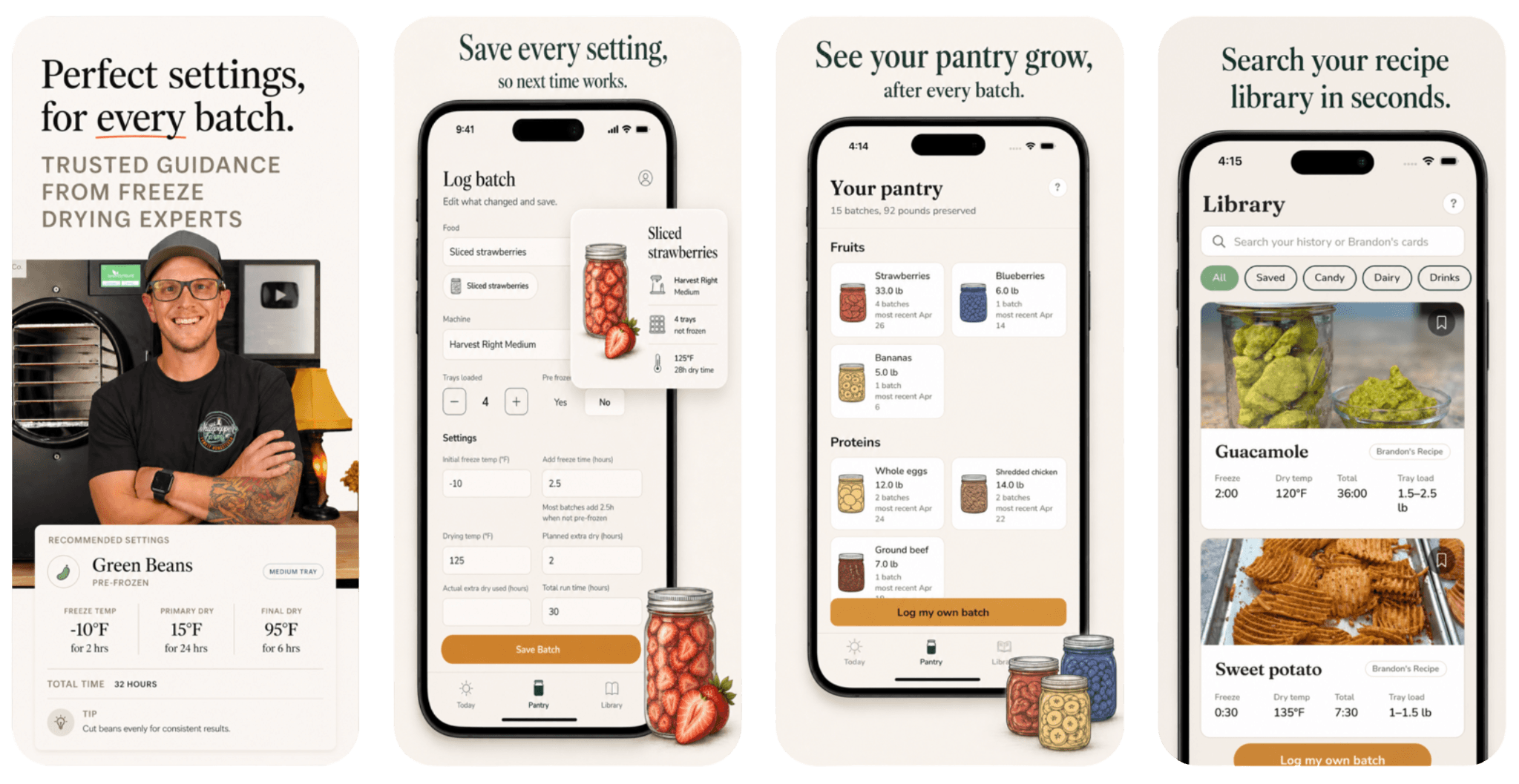
A lot of creators believe app revenue is a fitness story. Six packs, before-and-afters, and Australian trainers who got lucky in 2014. That is wrong. Eight different creator niches now have a public proof point of an app earning real recurring revenue. Not affiliate dollars. Not brand deal lump sums. Subscription income their audience pays every month, often for years. The apps below are the case file. Each section names the niche, the creator, the app, and what the public numbers actually say. If your niche is not on this list, copy the closest one. The most common objection from creators in the 50K to 500K follower range is that an app is a "big creator" thing. Sweat had 11M Instagram followers when it sold. So no, it is not a fair comparison. Look at the smaller stories on this list. Hank Green's Focus Friend launched into a productivity niche with one bean character and hit #1 in the free App Store charts. Dr. Mike Israetel's RP Hypertrophy app sells a structured strength program to bodybuilders, not a mass audience. Sculpt Society served a dance-fitness niche specific enough that LTK Group paid to acquire it. Niche fit beats reach. A 50K follower creator with a tight niche and a paid app outperforms a 5M generalist trying to push a course. We covered that math in why 50K engaged followers beats 5M passive ones, and these eight examples are the proof. Direct answer: Creator apps became a real business model when subscription pricing replaced one-time digital products. Recurring revenue compounds, App Store distribution adds non-follower customers, and the creator's existing audience trust collapses customer acquisition cost to near zero. That is a different machine than a brand deal. A brand deal pays once. An app subscriber pays for 18 to 36 months on average. The arithmetic on that swap is what makes a $1M+ ARR business plausible from a 50K-follower starting point. We broke that math down in the brand deal vs MRR math problem if you want the spreadsheet view. Now the eight niches. Public revenue: ~$100M ARR at peak. Sold for $400M in 2021. Kayla Itsines started by posting transformation photos on Instagram from Adelaide, sold a $69.99 PDF guide called BBG, then moved everything into the Sweat app in 2015. By 2018 the app had 450,000 paid subscribers. In 2021 she and her co-founder sold to iFIT for $400 million, per Bloomberg. In 2023 she bought the company back. The lesson is not "be Kayla." It is that a structured 12-week method, packaged as an app, was the asset. Instagram was distribution. Read the full Sweat story for the timeline. Niche pattern: structured workout programs, monthly subscription, daily-use product. Public scale: 12M+ YouTube subscribers. FWFG subscription on top of free YouTube content. Adriene Mishler runs Yoga With Adriene on YouTube, where her January Yoga Camp series drew tens of millions of views during the pandemic. Then she layered a paid subscription, Find What Feels Good, on top. Members get a structured library, programs, and a community. The free YouTube channel feeds the paid app, and the paid app funds the free YouTube channel. The point: she did not replace YouTube. She added a paid product underneath it. Subscribers stay because the structured FWFG library is a different product than the free firehose. We covered her full model in Yoga With Adriene's FWFG subscription. Niche pattern: free content as discovery, paid app as the structured library audiences come back to. Public scale: 6M+ followers across YouTube and Instagram. Bobby Approved scans 100,000+ grocery items. Bobby Parrish's FlavCity audience watches him scan grocery products and call out seed oils and bad ingredients. Then he turned the framework into Bobby Approved, a barcode-scanning app that grades grocery items against his standards. App Store reviews and his own coverage put the active user base in the hundreds of thousands. Per Forbes, FlavCity's content empire was already nine figures in reach before the app, but the app was the first product his audience could use every grocery trip. The pattern: the creator's framework is the product. Bobby's "approved or not" judgment was the differentiated asset. The app delivers the judgment at scan speed. See the Bobby Parrish FlavCity profile for how he built it. Niche pattern: the creator's editorial standard, productized as a daily-use utility. Public scale: 4M+ across YouTube and Instagram. RP Hypertrophy app launched 2023. Dr. Mike Israetel built Renaissance Periodization on the back of academic credentials in sport physiology and a YouTube channel that explains strength training with shocking honesty. The RP Hypertrophy app packages his programming methodology, including auto-regulation and rep-in-reserve tracking, into a $24.99/month subscription. By his own statements on the channel and in podcast interviews, the app crossed millions in revenue inside its first year. The lesson is the price point. RP Hypertrophy is one of the more expensive consumer apps in fitness, because it does not sell motivation. It sells expertise that lifters cannot reproduce on their own. Full breakdown in the RP Hypertrophy creator profile. Niche pattern: specialist expertise, premium pricing, audience that already trusts the methodology. Public scale: Hit #1 free app on the U.S. App Store at launch. April 2024. Hank Green has 8M+ subscribers across Vlogbrothers and SciShow. When he launched Focus Friend, a Pomodoro timer with a knitting bean mascot, the app went to #1 free on the App Store on day one, per his own announcement and verified by App Store rank trackers. The app was free at launch and later added a paid tier. Focus Friend matters because the niche is "boring." There are thousands of productivity timer apps. Hank's audience adopted his because of trust, not feature differentiation. The full story is in Hank Green's Focus Friend journey, and it is the case study every productivity creator should read before claiming "the niche is too crowded." Niche pattern: trust-driven discovery in a "saturated" category, with a clear creator personality on the product. Public scale: 50M+ social followers, 10M+ books sold. GrowthDay app subscription business. Brendon Burchard sold over 10 million books on personal development before he ever launched GrowthDay. The app is a structured high-performance coaching subscription with daily tracking, weekly courses, and live events. He does not publish exact revenue, but in interviews he has described GrowthDay as the largest revenue line of his business. The takeaway: the niche of "self-development coaching" is one of the most crowded on Earth. Brendon won by stacking a structured app on top of a 20-year track record. He took the trust he had already built and gave it a daily home. We covered the build in Brendon Burchard's GrowthDay coaching empire. Niche pattern: decades of expertise compressed into a daily app routine. Public scale: 8M+ followers across platforms. Contrarian Thinking newsletter and paid community. Codie Sanchez teaches her audience to buy boring businesses instead of chasing the creator economy. Her Contrarian Thinking newsletter and paid community combine to a multi-million dollar business per her own Trends interview coverage and Forbes profile. Members pay monthly for deal flow, courses, and community access. The reason this matters for the app conversation is mobile delivery. A paid community living on the web has higher churn than the same community living in a daily-use app on someone's phone. The creators who move their community into a branded mobile product hold their members longer. See Codie Sanchez's Contrarian Thinking newsletter empire for how she built the audience first. Niche pattern: paid community, premium pricing, audience trust as the moat. Public scale: 1M+ Instagram followers. Sculpt Society acquired by LTK Group in 2023. Megan Roup founded The Sculpt Society in 2017 as a dance-cardio class in New York. She moved it to a subscription app and grew to hundreds of thousands of paid members. In 2023, Business of Apps and Glossy reported the app was acquired by LTK Group, the brand behind LIKEtoKNOW.it. This one matters because the niche is so specific. "Dance cardio for women who want a workout that does not feel like a workout" is not a billion-person market. But it is large enough, paid enough, and engaged enough to build an acquisition-grade business. The full story in Megan Roup's Sculpt Society. Niche pattern: narrow vertical, deeply engaged audience, monthly subscription with strong retention. Look across the list. Different niches, similar business shape.
NicheCreatorAppMonetizationWhy it works
FitnessKayla ItsinesSweatMonthly + annual subscriptionStructured 12-week method
YogaAdriene MishlerFWFGMonthly + annual subscriptionFree YouTube feeds paid library
CookingBobby ParrishBobby ApprovedOne-time + premium tiersEditorial standard at scan speed
StrengthDr. Mike IsraetelRP Hypertrophy$24.99/month subscriptionSpecialist programming logic
ProductivityHank GreenFocus FriendFree + paid tierTrust-driven discovery
CoachingBrendon BurchardGrowthDayMonthly subscriptionDaily high-performance routine
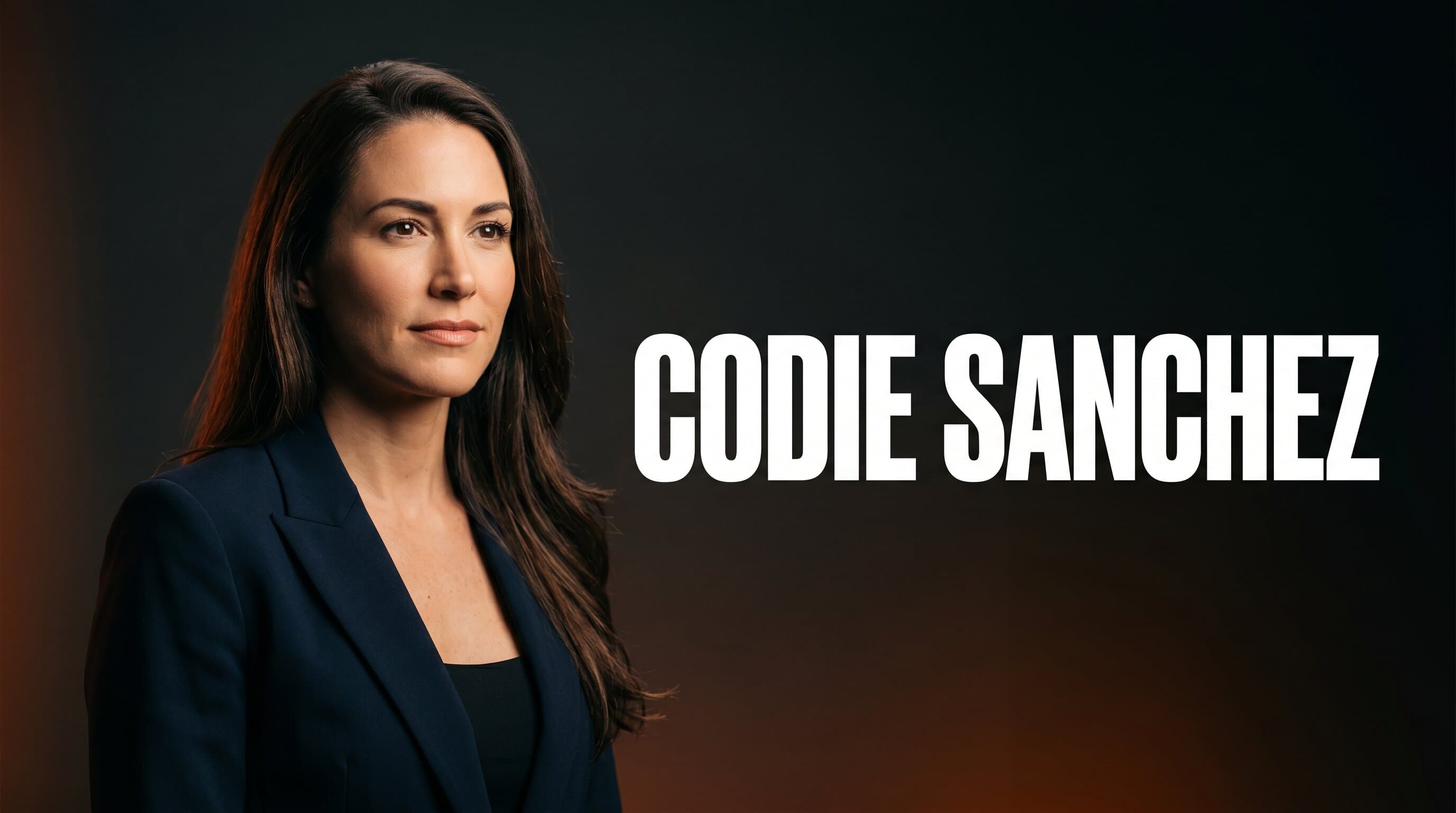
CommunityCodie SanchezContrarian ThinkingPaid newsletter + communityDeal flow + member access
DanceMegan RoupSculpt SocietyMonthly subscriptionNarrow niche, daily classes
Five things the table makes obvious:
  • Every app is a recurring product. Not a course, not a download, not a one-off purchase.
  • Every creator had an audience first. The app monetized existing trust, it did not try to create it.
  • Every niche is specific enough to claim. "Fitness app" is too broad. "Structured 12-week postpartum program" is claimable.
  • Every app gets opened daily or weekly. Subscriptions die when product engagement dies.
  • Every creator owns the relationship. App Store search delivers strangers who become customers without ever hearing a podcast or watching a TikTok.

This is the math behind why the best creator apps are boring: the wins look almost identical from a business model perspective even when the niches feel completely different.
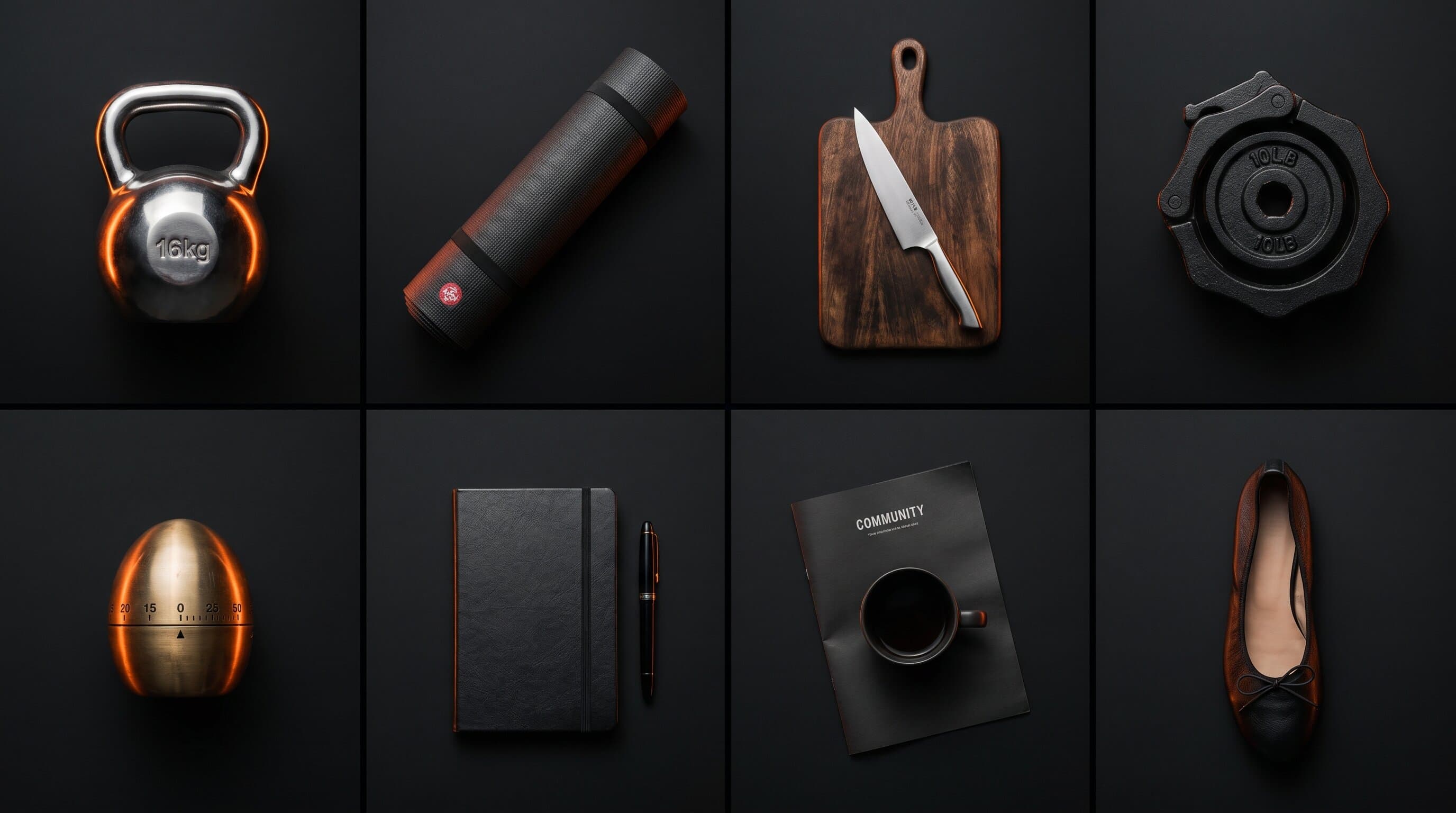
Eight ascending warm orange bars on a dark studio surface representing eight creator app niches compounding into recurring revenue
A creator looking at this list and trying to translate it into action should ask three questions. 1. What is the structured method I already teach for free? If your audience asks the same question every week, that is a method. Bobby Parrish's "what should I buy at the grocery store?" became Bobby Approved. Kayla's "what workout should I do today?" became Sweat. 2. Is there a daily or weekly use case? Subscriptions die without daily reasons to open the app. A reference manual is a poor app. A daily routine is a great app. 3. Is your audience already paying for something else in this category? If your followers pay for MyFitnessPal, Calm, or Notion, they will pay for a creator-led version with their preferred personality. Stack on top of an existing willingness-to-pay. If you can answer those three honestly, the niche is real. The next question is how you build it. Most creators never get past that question because they assume it requires a year, $200K, and a technical co-founder. We built Built by Foundry so it does not. We build the app, launch it, and run it on a revenue share. You keep the business. Want to know what ongoing app maintenance, push notifications, and store optimization actually look like once your app is live? Read what we mean by app care. Most agencies charge $80K to $250K to build a custom subscription app. Built by Foundry charges $0 upfront. We build, launch, and run the app on a revenue share, so we earn when you earn. No. Hank Green hit #1 with a niche productivity app, and creators in the 50K to 500K range routinely build subscription apps that cross $10K to $50K MRR within the first year. Niche fit and audience trust matter more than raw follower count. Monthly or annual subscriptions. Recurring revenue compounds, one-time purchases do not. Every app on this list earns through subscriptions, free-with-paid-tier, or paid community access, not through ads or one-time downloads. A traditional agency build takes 6 to 12 months. Built by Foundry ships to TestFlight in roughly three weeks and to the App Store inside the same calendar quarter. Pick the closest pattern. If you teach a structured method, copy Sweat. If you run a paid community, copy Contrarian Thinking. If you have a daily-use utility idea, copy Focus Friend. The eight niches above are not the limit, they are the starting templates. A creator with a clear niche and a structured method has a recurring revenue business already, just without the software. Eight creators on this list built the software and turned their niche into an asset that scales whether they post or not. Your turn.
Let's Build Yours →

Get Creator Revenue Insights

How creators are turning audiences into subscription businesses

You might also enjoy...

8 Niches Where Creator Apps Hit $1M+ ARR