
15 Digital Product Ideas Beyond Courses and Merch

15 Digital Product Ideas Beyond Courses and Merch

Foundry
March 20, 2026
Key Takeaways:
  • Courses sell once. Subscription digital products earn every month without creating new content.
  • The best creator products solve a problem fans already have, not just package what the creator already posts for free.
  • Creators earning $10K-$50K/month are building apps, tools, and platforms, not selling PDFs.
  • You don't need to code anything. The right partner builds and runs the product for you.
  • Every product on this list can generate content ideas on autopilot: every user action is a post you didn't have to think of.
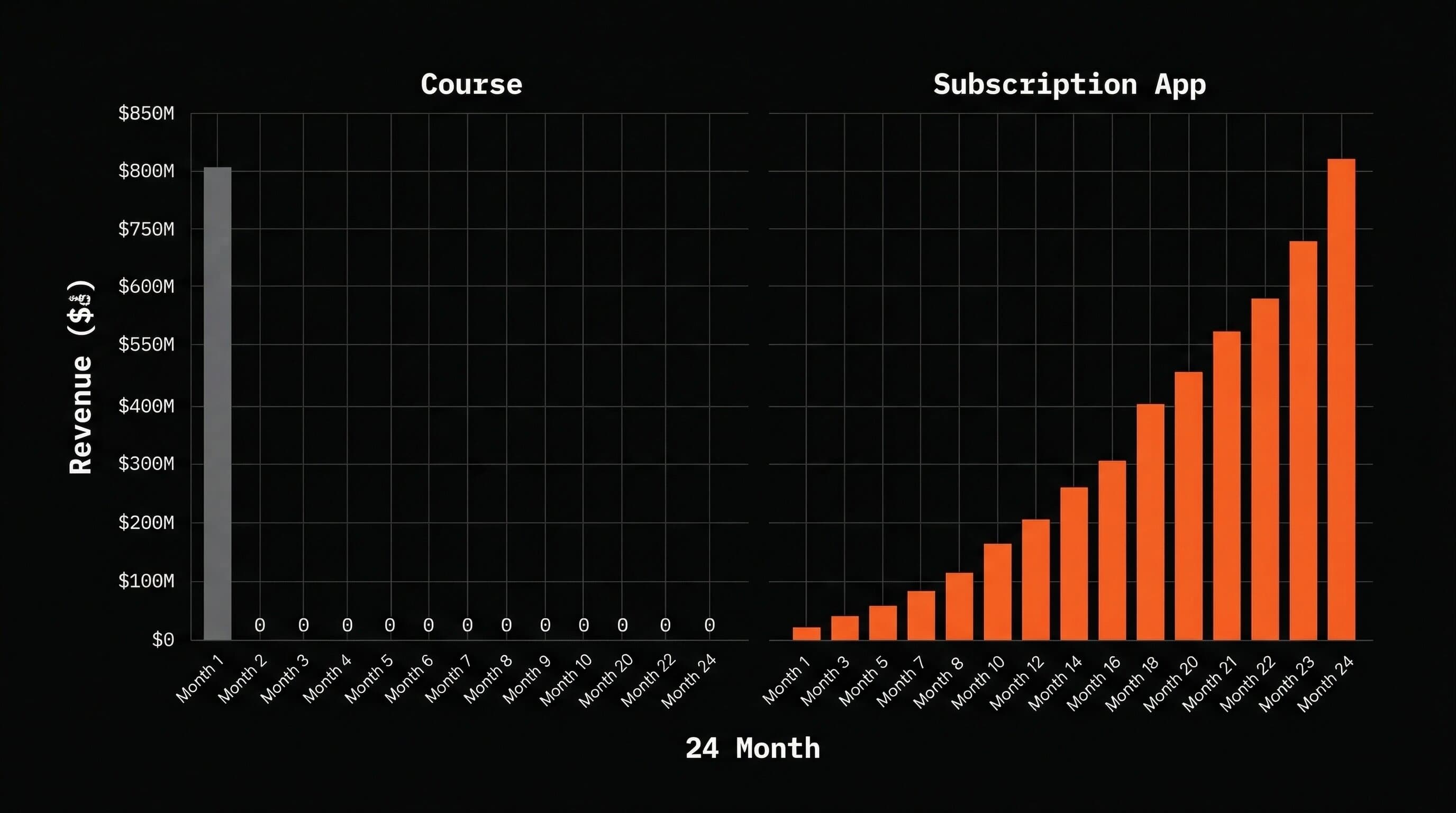
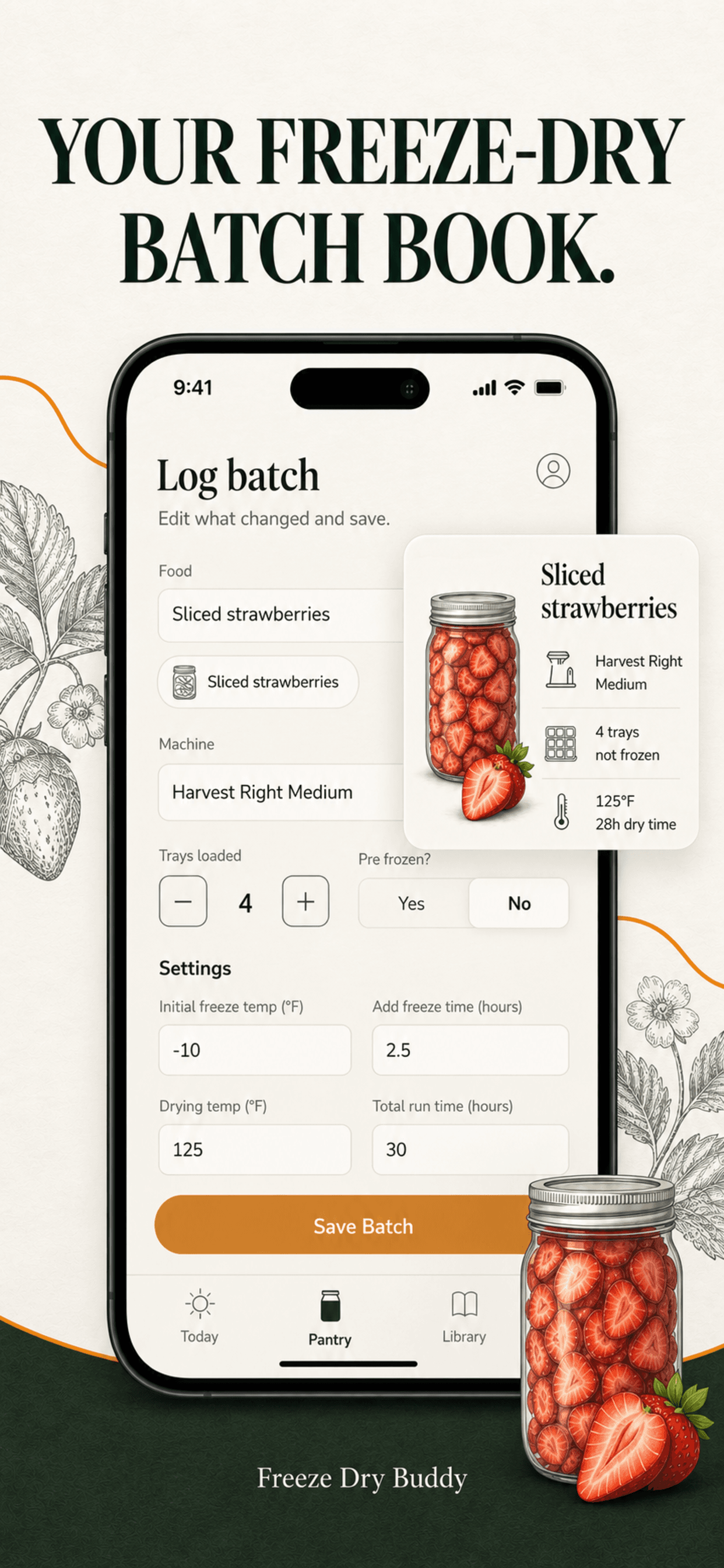
You made a course. It sold well for two weeks. Then it stopped. You printed hoodies. The margins were brutal and you still have 200 mediums in your closet. Courses and merch are the default creator monetization playbook. They're also a trap. Courses require months of production for a single sale. Merch turns you into a logistics company with 15% margins. Both reset to zero the moment you stop promoting them. The creators building real businesses, the ones earning $10K to $50K per month consistently, have moved past one-time products entirely. They're building digital products that generate monthly recurring revenue. Products that earn while they sleep, grow through the App Store, and create content ideas on autopilot. Here are 15 digital product ideas that actually compound. The most proven creator product model in existence. Kayla Itsines built Sweat into a $400M exit. Pamela Reif's Pam app hit millions of downloads in months. The formula works because fitness content is inherently repeatable: new workouts, new programs, new challenges every month. Why it works: Users need fresh programming constantly. A $9.99/month subscription with 2,000 active subscribers is $20K MRR. That's $240K/year from one product. Best for: Fitness, yoga, meditation, nutrition, and wellness creators with 50K+ followers. Generic meal plans are everywhere. Personalized ones based on your specific macro targets, dietary restrictions, and grocery store preferences are rare. Layne Norton's Carbon Diet Coach proves this model works at scale, charging $7.99/month for AI-powered nutrition tracking. Why it works: Nutrition is deeply personal. A tool that adapts to each user's goals creates retention that static PDFs never will. Best for: Nutrition coaches, fitness creators, dietitians, and food creators with health-focused audiences. Financial creators can build mortgage calculators. Wedding planners can build budget trackers. Travel creators can build trip cost estimators. The key: solve one specific math problem your audience does repeatedly. Why it works: Calculators get bookmarked and shared. They rank in App Store search for high-intent keywords. Someone searching "wedding budget calculator" is ready to pay. Best for: Finance, real estate, wedding, travel, and business creators. The math is stark. A $49 course sold to 500 people is $24,500. Done. A $9.99/month app with 500 subscribers is $4,995/month, $59,940/year, and it grows every month as new users subscribe and existing users stay. By month six, the subscription product has crushed the course, and it keeps compounding.
ModelRevenue (Year 1)Revenue (Year 2)Effort After Launch
$49 course (500 sales)$24,500$0 (unless relaunched)High (new launches)
$9.99/mo app (500 subs)$59,940$119,880+Low (product runs itself)
$29 merch item (1,000 units)$8,700 (30% margin)$0 (new designs needed)High (inventory, shipping)
One-time products are a treadmill. Subscription products are a flywheel.
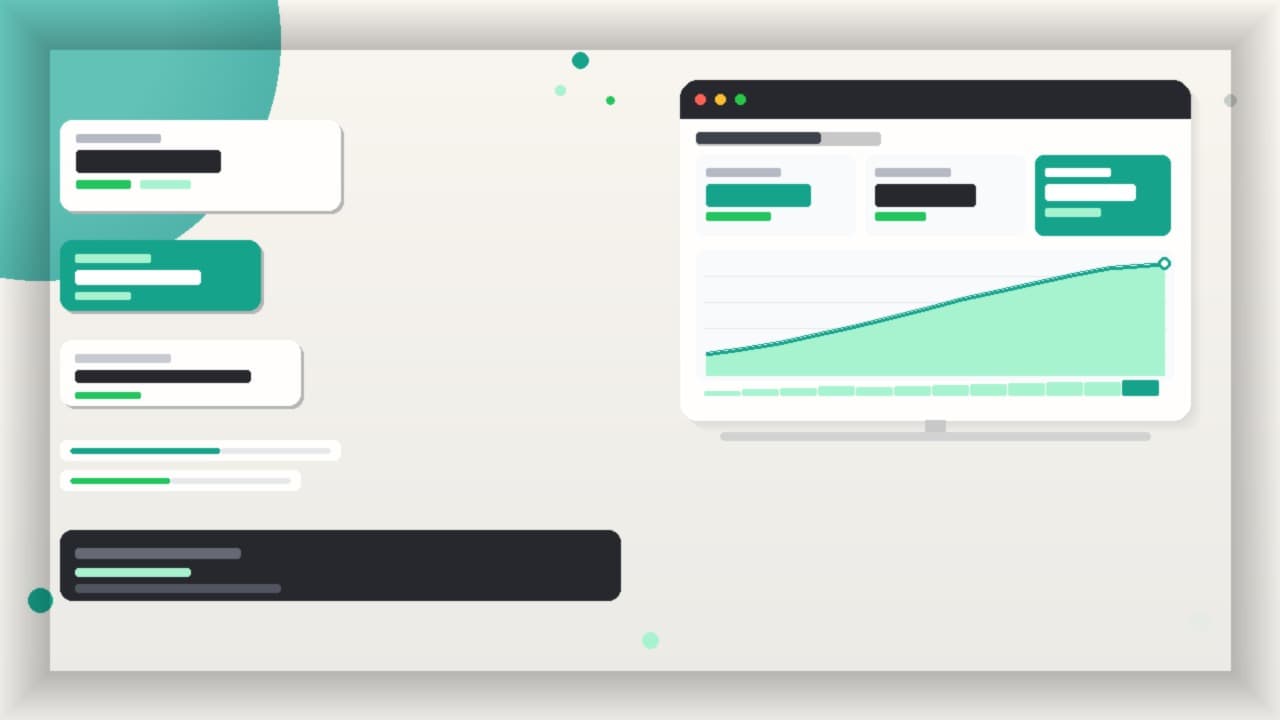
Course revenue vs subscription app revenue over 24 months showing compounding growth
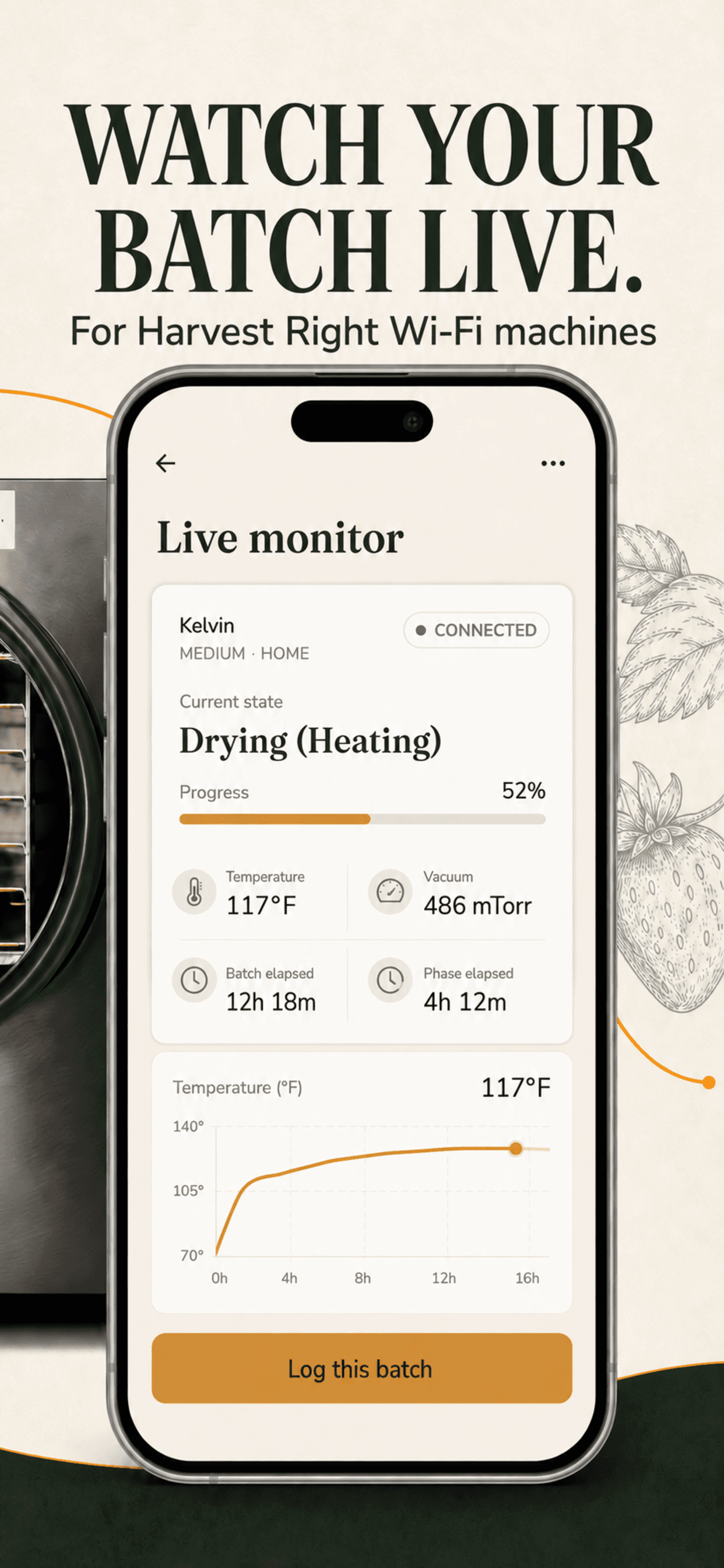
30-day challenges are content gold. A dedicated app where users track progress, share results, and compete on leaderboards turns a one-time Instagram trend into a year-round subscription. Every challenge completion is a user-generated testimonial you can repost. Why it works: Challenges create urgency, accountability, and social proof. Users who finish one challenge sign up for the next. Best for: Fitness, art, cooking, language learning, and productivity creators. Notion templates. Lightroom presets. Canva frameworks. Resume layouts. These are digital products that sell for $5-$50 each, but the smart move is bundling them into a subscription library. Thomas Frank turned Notion templates into a business generating $1M+ annually. Why it works: Templates solve an immediate problem. A subscription library means users get new templates monthly instead of making a one-time purchase. Best for: Productivity, design, photography, and business creators. "What's your skin type?" "Which workout style matches your goals?" "What's your money personality?" Quizzes are the most shared content format on social media. An app that delivers a personalized result, then prescribes a custom plan based on that result, is a product people pay for monthly. Why it works: Quizzes capture data that powers personalization. Personalization drives retention. Every quiz result is shareable content. Best for: Beauty, fitness, finance, career coaching, and personality-focused creators. Not a course. A living, growing library of content organized by topic, difficulty, or outcome. Think Netflix for your niche. A yoga creator's library might have 500+ classes sorted by duration, difficulty, body area, and style. New content adds value without requiring a "launch." Why it works: Libraries get more valuable over time. Each new addition gives subscribers a reason to stay. Compare that to a course where users finish and cancel. Best for: Education, fitness, cooking, music, and any creator with a deep content archive. Subscription apps consistently outperform every other digital product format. According to Sensor Tower's 2024 data, consumer spending on subscription apps grew 15% year-over-year, with health and fitness leading the category. The average top-performing fitness app generates $2.50-$5.00 per subscriber per month, with top creators pushing north of $15/month for premium tiers. The ceiling for courses is one sale per customer. The ceiling for subscription products is limitless, because every month is a renewal.
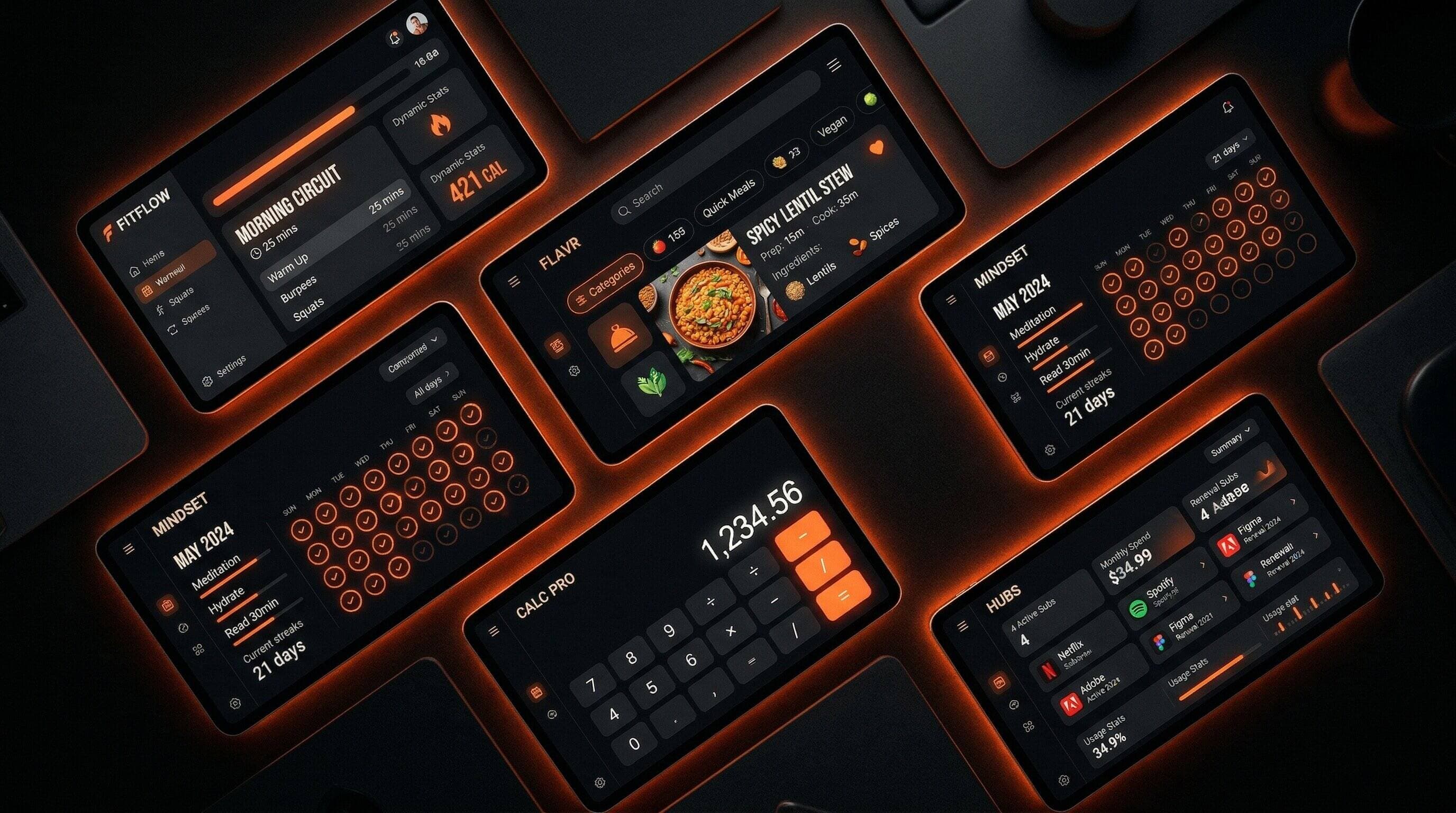
Smartphone displaying a subscription app with warm orange glow on dark surface
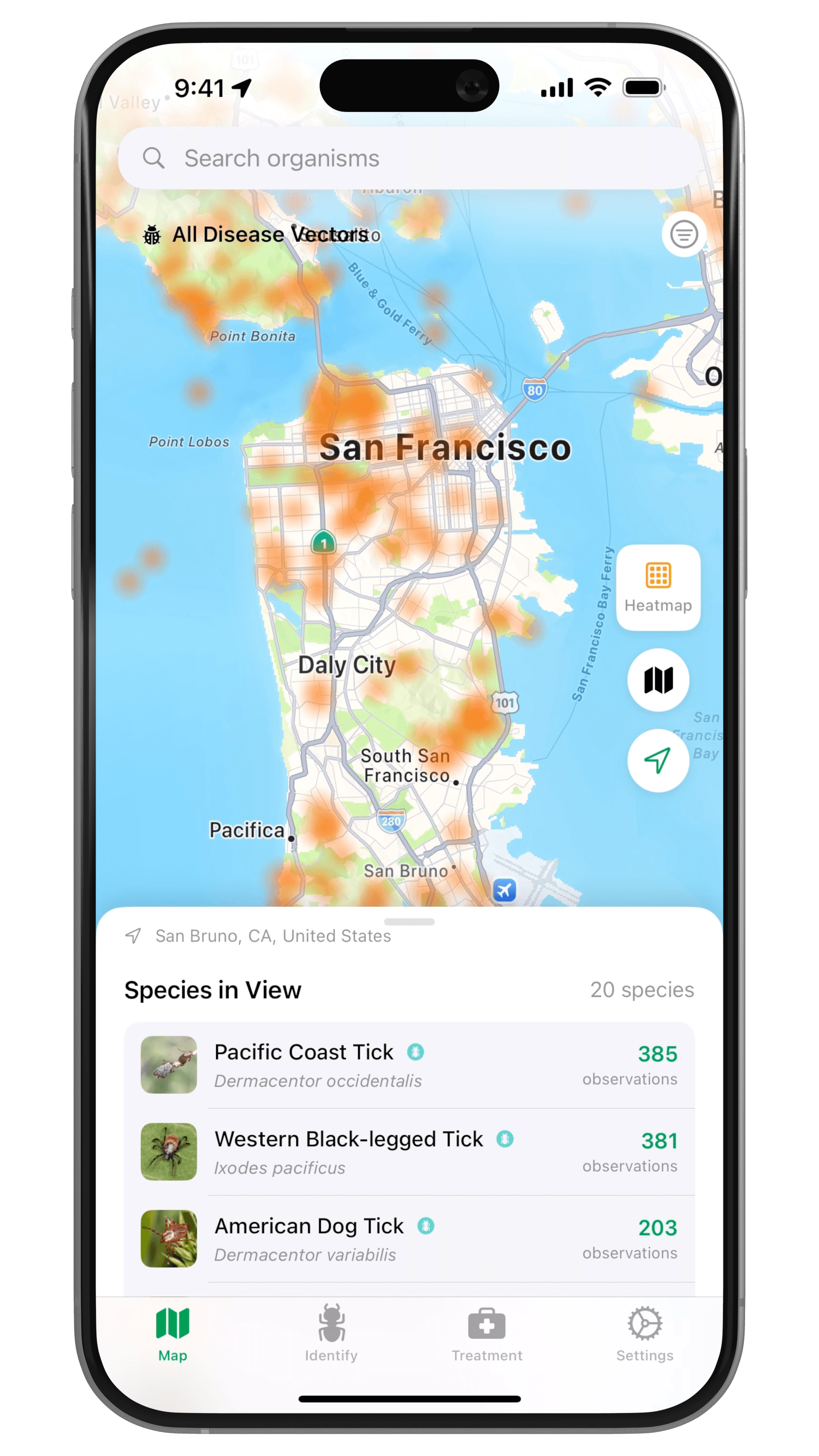
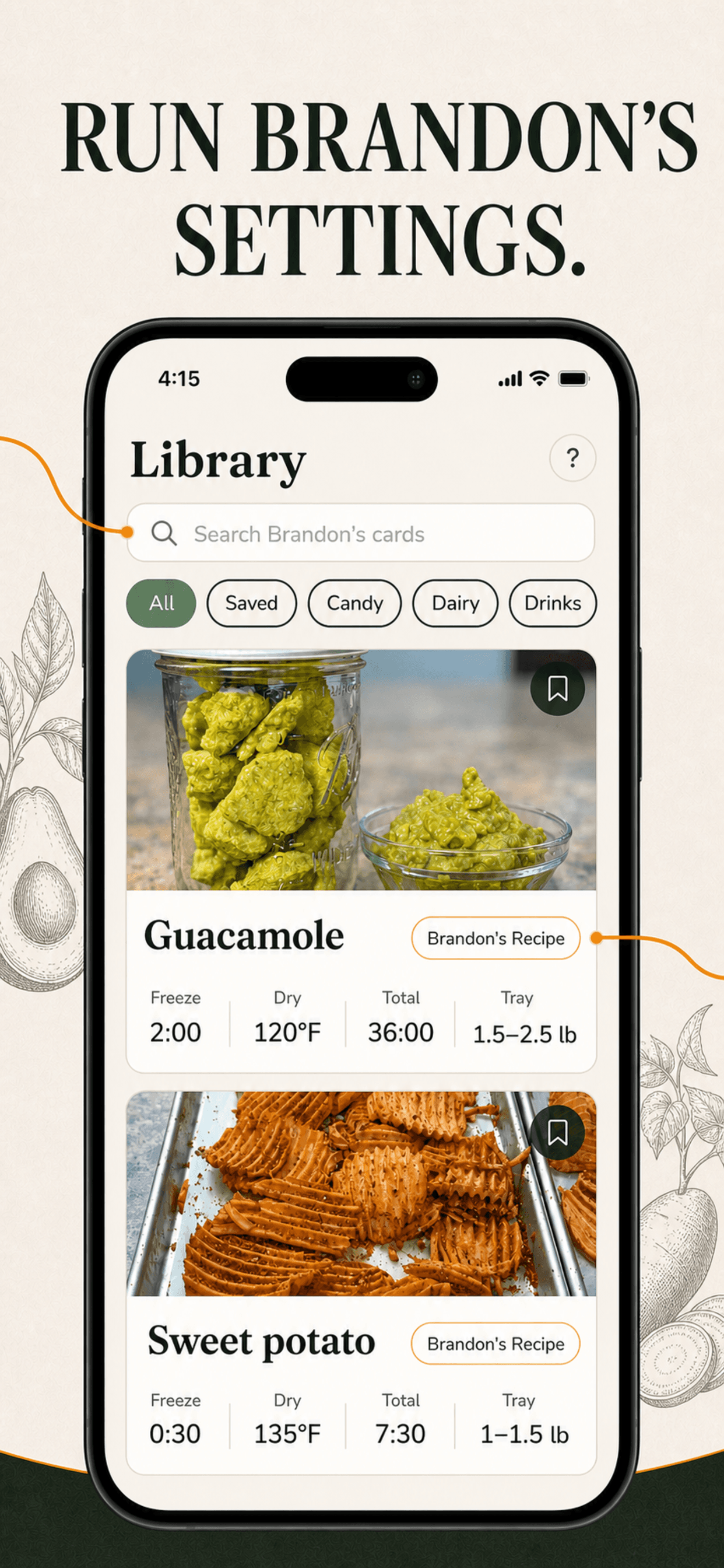
James Clear made habit tracking mainstream. But there's no dominant habit tracking app for specific niches: financial habits, creative habits, parenting habits, spiritual practices. A creator-branded habit tracker with custom habit libraries and accountability features fills that gap. Why it works: Daily usage drives retention. Users who open your app every day are users who never churn. Best for: Productivity, self-improvement, parenting, faith, and mindfulness creators. If you're a coach who can't scale 1:1 sessions, build a platform that matches your audience with vetted coaches in your methodology. You train the coaches. The platform handles scheduling, payments, and progress tracking. You take a cut of every session. Why it works: It turns your expertise into a marketplace. You earn from every coach's session without doing the coaching yourself. Best for: Business coaching, fitness, therapy/counseling adjacent, career coaching creators. A searchable, filterable database of recipes, formulas, routines, or protocols. Cooking creators have recipes. Skincare creators have routines. Cocktail creators have formulas. The app lets users filter by ingredients on hand, dietary needs, prep time, or skill level. Why it works: Databases are used repeatedly. A user who searches your recipe app three times a week is locked in. Static PDFs collect dust. Best for: Food, skincare, cocktail, gardening, and DIY creators. Duolingo proved gamification makes people learn (and pay $167M/year in subscriptions). A creator who teaches a skill, whether it's music theory, coding basics, photography composition, or even trivia, can gamify it. Streaks, XP, leaderboards, and levels turn passive learning into a daily habit. Why it works: Games drive daily opens. Daily opens drive retention. Retention drives revenue. Duolingo's 34M daily active users didn't happen by accident. Best for: Language, music, education, trivia, and skill-based creators. Events. Workshops. 1:1 sessions. Group calls. If your audience books anything with you, a dedicated app with waitlists, automatic reminders, replay libraries, and loyalty rewards turns one-off events into a subscription-based experience. Why it works: Consolidating your booking, content, and community into one app increases lifetime value. Users don't just book, they subscribe. Best for: Event-based, workshop, tutoring, and creator-educators. The answer is in your DMs. Look at the questions your audience asks repeatedly. If 50 people a month ask "what should I eat to lose weight," that's a meal plan app. If 100 people ask "can you review my resume," that's a template or coaching product. Your audience is telling you what to build. You just have to listen. For a deeper framework on validating your idea, read our 6-step guide to going from content to subscription app. Camera gear. Golf clubs. Skincare products. Supplements. Build an app that recommends the right products based on a user's experience level, budget, and goals. Earn affiliate revenue from product links AND subscription revenue from the app itself. Two revenue streams. Why it works: Gear questions are the #1 comment on most creator content. An app that answers them permanently is more valuable than responding to the same DM 500 times. Best for: Tech, photography, golf, fitness, beauty, and outdoor creators. Not Patreon. Your own app with exclusive daily vlogs, process breakdowns, raw footage, and real-time updates. The key difference from Patreon: you own the platform, you own the data, you control the experience, and users find you through the App Store, not through Patreon's search. Why it works: Fans want access, not content. An app-based subscription feels premium. Patreon takes 8-12% plus payment processing. Your own app keeps more revenue and adds App Store discoverability. Our App Care team handles all the ongoing maintenance. Best for: Vloggers, artists, musicians, filmmakers, and creators with devoted fanbases. The newest category and the fastest growing. An app that uses AI to deliver personalized recommendations, plans, or feedback based on the creator's methodology. Think: an AI skincare advisor trained on a dermatologist-creator's content. Or an AI writing coach that gives feedback in a specific creator's style. Why it works: AI personalization is expensive for individuals to build but cheap to deliver at scale through an app. It makes every user's experience unique, which kills churn. Best for: Any creator with a teachable methodology, especially coaching, skincare, writing, and fitness.
If You're a...Build ThisExpected MRR (1,000 subs)
Fitness creatorWorkout app (#1)$9,990
Nutrition coachMeal plan generator (#2)$7,990
Finance creatorNiche calculator (#3)$4,990
Productivity creatorTemplate library (#5)$9,990
Education creatorGamified learning (#11)$9,990
Food creatorRecipe database (#10)$6,990
Vlogger/artistBTS subscription (#14)$9,990
Any nicheAI personalization (#15)$9,990
These numbers assume a $4.99-$9.99/month subscription with 1,000 active subscribers. Most creators with 50K+ followers can hit 1,000 subscribers within 6 months of launch if the product solves a real problem. No. Built by Foundry handles everything: design, development, App Store submission, and ongoing updates. You bring the expertise and audience. We build and run the product. $0 upfront, revenue share model. Most agencies quote 6-12 months. Built by Foundry ships in 3 weeks. The difference is focus: we build exclusively for creators and have the process down to a system. Subscription apps consistently generate the highest lifetime value per customer. A $9.99/month app with strong retention earns more in 6 months than most courses earn in their entire lifecycle. Yes. Most successful creators start with one core product, nail the experience, then expand. Kayla Itsines started with PDF workout guides before building Sweat into a full subscription platform. If you have 50K+ engaged followers and people regularly ask you questions about your expertise, you have enough. The App Store also brings in new users who've never heard of you, so your audience is just the starting point, not the ceiling.
Courses and merch aren't bad products. They're just small ones. Every creator on this list who built something bigger started with the same audience you have now. They just stopped thinking like a content creator and started thinking like a founder. The question isn't whether one of these products would work for your audience. It's how long you're willing to leave that revenue on the table. Ready to build? We turn creator expertise into subscription apps. $0 upfront, 3 weeks to the App Store, we handle all the tech forever.
Let's Build Your Product

Get Creator Revenue Insights

How creators are turning audiences into subscription businesses

You might also enjoy...