Michelle Phan: Bedroom Tutorials to $1B Beauty Empire

Michelle Phan: Bedroom Tutorials to $1B Beauty Empire

Foundry
March 26, 2026
Key Takeaways:
  • Michelle Phan uploaded her first YouTube makeup tutorial in 2007, before "influencer" was a word
  • She co-founded Ipsy in 2011, which grew to 4.3 million subscribers and a $1B+ valuation by 2020
  • In 2010, Lancome hired her as their first YouTuber spokesperson, a deal that legitimized creator partnerships industry-wide
  • She bought EM Cosmetics back from L'Oreal and relaunched it as an independent brand she fully owns
  • Forbes named her to its 30 Under 30 list in 2015
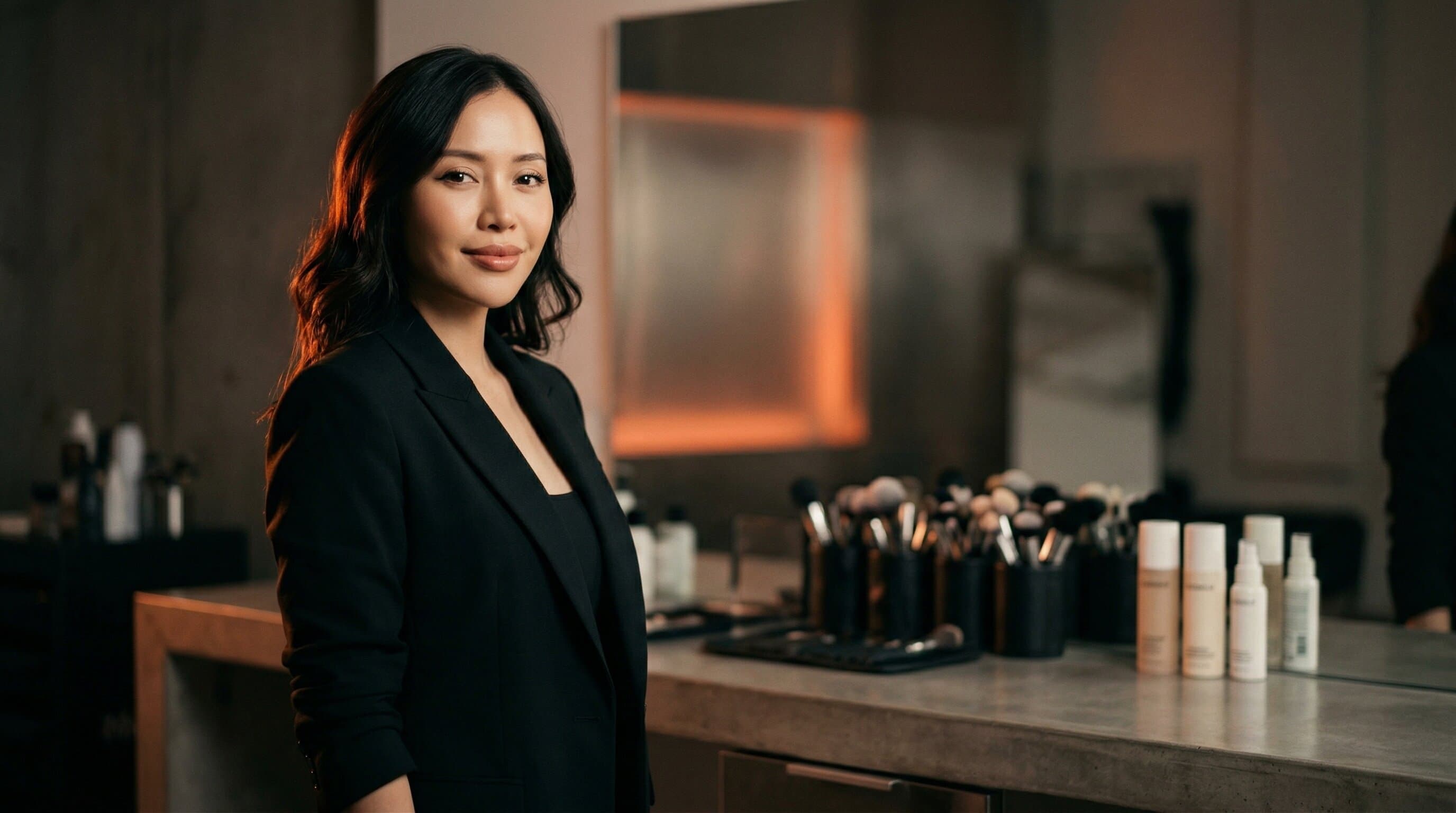
Michelle Phan is a Vietnamese-American entrepreneur who co-founded Ipsy, one of the largest beauty subscription companies in the world. She has 8.9 million YouTube subscribers, over 2 million Instagram followers, and more than 1.1 billion lifetime video views. She also owns and runs EM Cosmetics, a direct-to-consumer beauty brand she bought back from L'Oreal. Before any of this, she was a college dropout who couldn't pay tuition. Phan grew up in Tampa, Florida. Her parents were Vietnamese refugees. Her father left when she was six. Her mother worked as a nail technician and eventually opened her own salon. Michelle spent her childhood surrounded by beauty magazines and makeup in that salon. She started posting makeup tutorials on Xanga (a blogging platform) in 2005 under the username "Ricebunny." In 2007, she uploaded her first YouTube video: a simple tutorial on natural-looking makeup. It got 40,000 views in a week. She was 19, enrolled at Ringling College of Art and Design in Sarasota, Florida, and about to drop out because she couldn't afford the next semester. She chose YouTube over school. That turned out to be a $50 million decision. Phan didn't blow up overnight. She posted consistently for two years before anything significant happened. The turning point came in 2009 when BuzzFeed picked up her Lady Gaga "Bad Romance" eye tutorial. That single video now has over 55 million views. Her Barbie transformation tutorial hit 66 million. Her content formula was simple: take a look people wanted to recreate, break it into steps anyone could follow, and film it in her bedroom with natural light. No studio. No team. No budget. Just specificity and consistency. By 2010, she had enough reach that Lancome made her their official video makeup artist. She was the first YouTuber ever hired by a global beauty brand, and the first Vietnamese-American Lancome spokesperson. That deal didn't just pay her; it proved that creators could be legitimate partners for major corporations. Every brand deal that every influencer has signed since owes something to that moment. The same pattern repeats in every creator success story we've studied: the creator who owns a niche and shows up daily eventually attracts opportunities that no amount of pitching could generate.
Michelle Phan built one of the first creator-to-founder empires, going from YouTube tutorials to co-founding a billion-dollar beauty subscription business
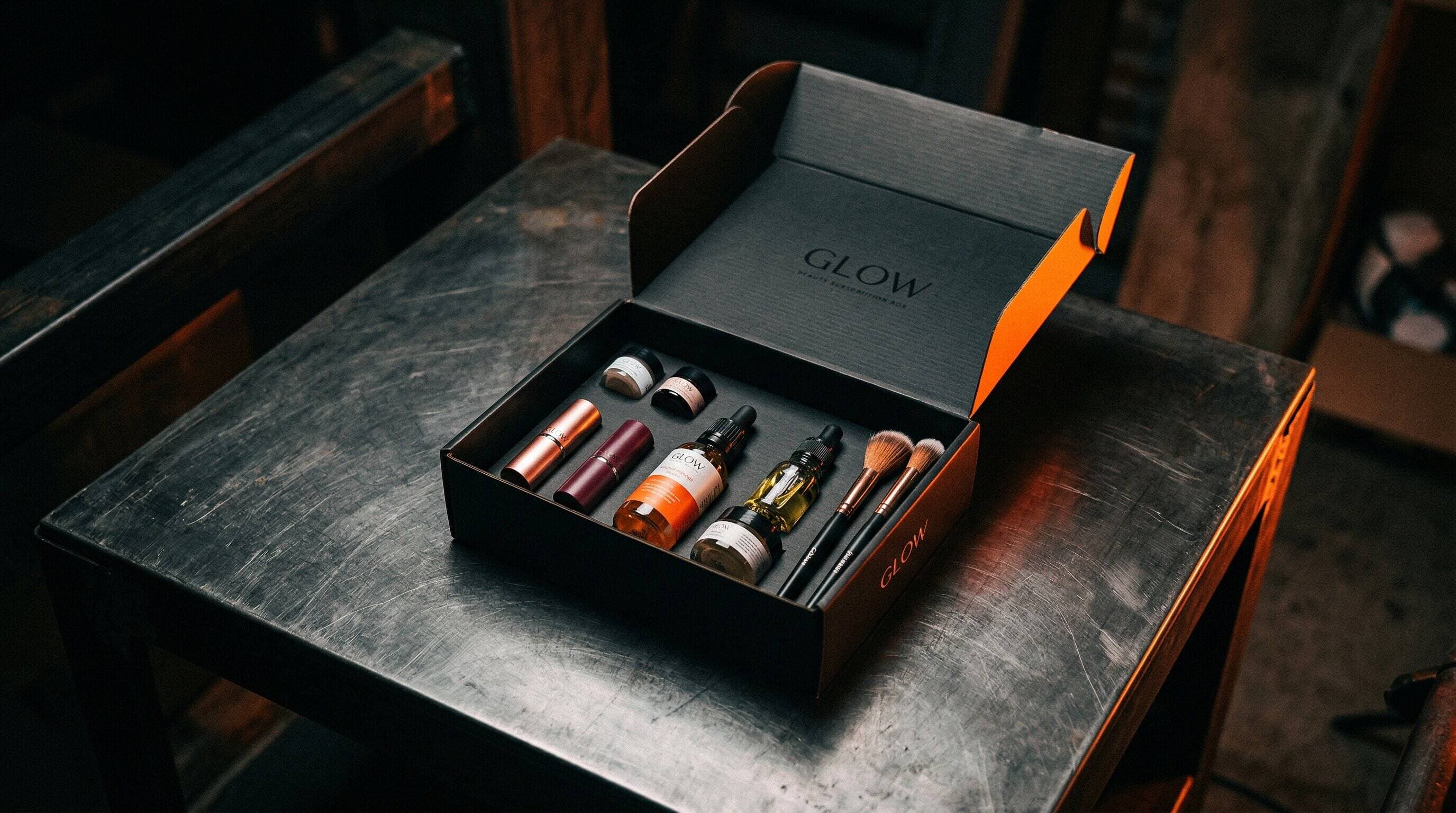
Here's where the story shifts from "successful creator" to "founder." In 2011, Phan co-founded Ipsy (originally called MyGlam) with Marcelo Camberos and Jennifer Goldfarb. The concept: a monthly beauty subscription box that sends curated sample-size products to subscribers for about $13 a month. Ipsy wasn't Phan's side project. It was her main bet. She brought the audience. Camberos brought operational experience. Together they built a company that scaled fast:
YearMilestone
2011Ipsy (MyGlam) founded
20151.5 million subscribers, $150 million annual revenue
2015Series B: $100 million raised at $500M+ valuation
2019$500 million in annual revenue
2020Acquired BoxyCharm for $500M, forming BFA Industries
20204.3 million combined subscribers, $1B+ valuation
2022Raised additional $96 million from TPG Growth
The math is striking. A subscription business at $13 per month with 4.3 million subscribers generates over $670 million in annual revenue. That's recurring revenue. It compounds. It doesn't reset to zero when you stop posting. This is the difference between being a creator and being a founder who builds something bigger than their audience. Phan could have stayed on YouTube making tutorials forever. Instead, she turned her audience into the launchpad for a billion-dollar subscription company. Compare that to the brand deal math: even a $100K brand deal is a one-time payment that resets to zero the day after it's delivered. Ipsy pays every month, whether Michelle posts a video or not. In 2015, at the peak of her YouTube career, Phan disappeared. No goodbye video. No announcement. She just stopped uploading. She came back in June 2017 with a video explaining what happened. The short version: burnout, legal battles (an Ultra Records music licensing lawsuit), and the weight of being one of the most visible people on the internet before anyone had language for what that meant. She returned to YouTube fully in 2019 with new content and a different energy. Less tutorial-focused, more personal. Her subscriber count held through the entire absence. That's another lesson: when you build a real brand (not just a content feed), the audience waits. EM Cosmetics is the other half of the founder story. L'Oreal originally launched it in 2013 as "EM Cosmetics by Michelle Phan." The pricing was wrong for her audience, the creative direction didn't fit, and it underperformed. Most creators would have walked away. Phan bought the brand back from L'Oreal in 2015 through Ipsy, finalized the acquisition by 2016, and relaunched it independently in April 2017 under her own company. The relaunch was stripped down: just two products (Infinite Lip Cloud at $16, Illustrative Eyeliner at $15). The French Nude shade sold out within hours. She had learned the lesson every creator eventually learns about turning knowledge into products: start small, price for your audience, and own everything. EM Cosmetics now operates as a direct-to-consumer brand based in Culver City, California. Phan runs it as CEO. Third-party analytics estimate the brand generates around $8 million in annual online revenue with a conversion rate north of 7%. Your audience is your unfair advantage. Ipsy didn't need to spend millions acquiring its first users. Phan brought them. Her YouTube subscribers became Ipsy's first customers, and those customers told their friends. A creator with a loyal audience can launch a product with built-in distribution that no startup can replicate. Subscription revenue changes everything. Phan went from YouTube ad revenue (which fluctuates with every algorithm change) to subscription revenue that compounds monthly. The difference between one-time income and MRR is the difference between a job and a business. Own your brand, even if it fails first. EM Cosmetics flopped under L'Oreal. Phan bought it back, relaunched it on her terms, and turned it profitable. The lesson: a failed product with the right creator behind it is often one pivot away from working. Ownership is what gives you the chance to make that pivot. You don't have to do it alone. Phan didn't try to code Ipsy or handle logistics herself. She found co-founders who complemented her skills. Creators who try to build everything solo burn out. Creators who find the right product partners build empires. Michelle Phan has approximately 8.9 million YouTube subscribers and over 1.1 billion lifetime video views on her channel. Michelle Phan's estimated net worth is approximately $50 million, according to Celebrity Net Worth. Her wealth comes primarily from her co-founder stake in Ipsy/BFA Industries (valued at $1B+), full ownership of EM Cosmetics, YouTube revenue, and brand partnerships including her historic deal with Lancome. Yes. Michelle Phan co-founded Ipsy (originally called MyGlam) in 2011 with Marcelo Camberos and Jennifer Goldfarb. She brought the audience. The company grew to over 4.3 million subscribers and a $1B+ valuation after acquiring BoxyCharm in 2020. EM Cosmetics was originally launched through L'Oreal in 2013 but underperformed. Phan bought the brand back in 2015, fully acquired it by 2016, and relaunched it independently in April 2017. She now runs it as CEO, operating it as a direct-to-consumer beauty brand.
Michelle Phan turned makeup tutorials into a billion-dollar subscription company. She didn't wait for permission. She didn't need a tech background. She had an audience, a product idea, and the willingness to bet on herself. What's stopping you?
Let's Build →

Get Creator Revenue Insights

How creators are turning audiences into subscription businesses

You might also enjoy...