
Melissa Wood Health: From iPhone Yoga to MWH Method App

Melissa Wood Health: From iPhone Yoga to MWH Method App

Foundry
May 2, 2026
Key Takeaways:
  • Melissa Wood-Tepperberg started filming yoga and Pilates videos on her iPhone in 2015, with no studio and no team
  • She turned that Instagram audience into MWH, a subscription app with 1,000+ on-demand workouts and meditations
  • The platform reached 92,000+ paying subscribers, according to a Harvard Business School case on the company
  • MWH is now a multi-million-dollar wellness business with around 29 employees
  • Pricing is simple: $9.99/month or $99/year for full access on iOS, Android, and web
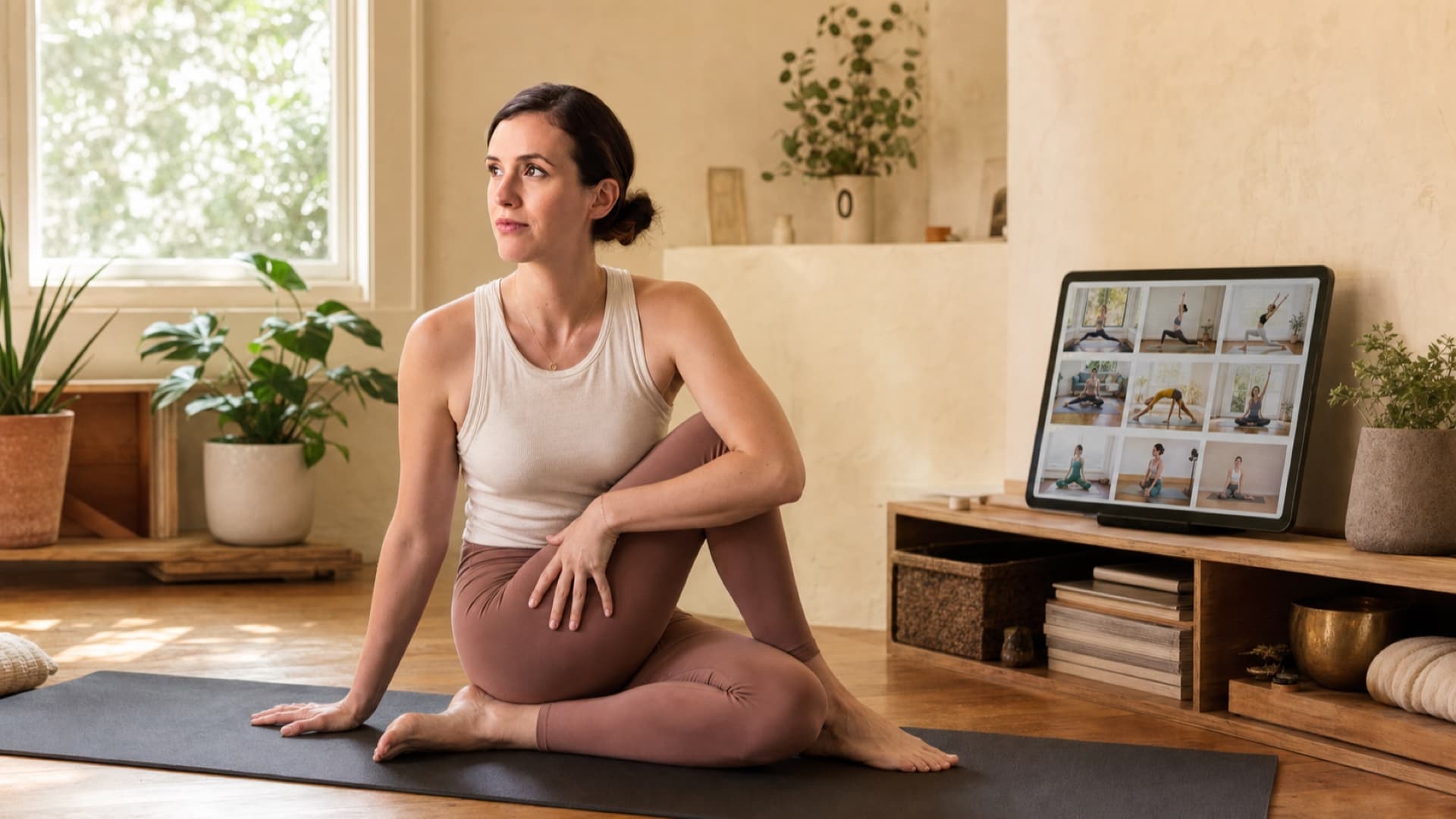
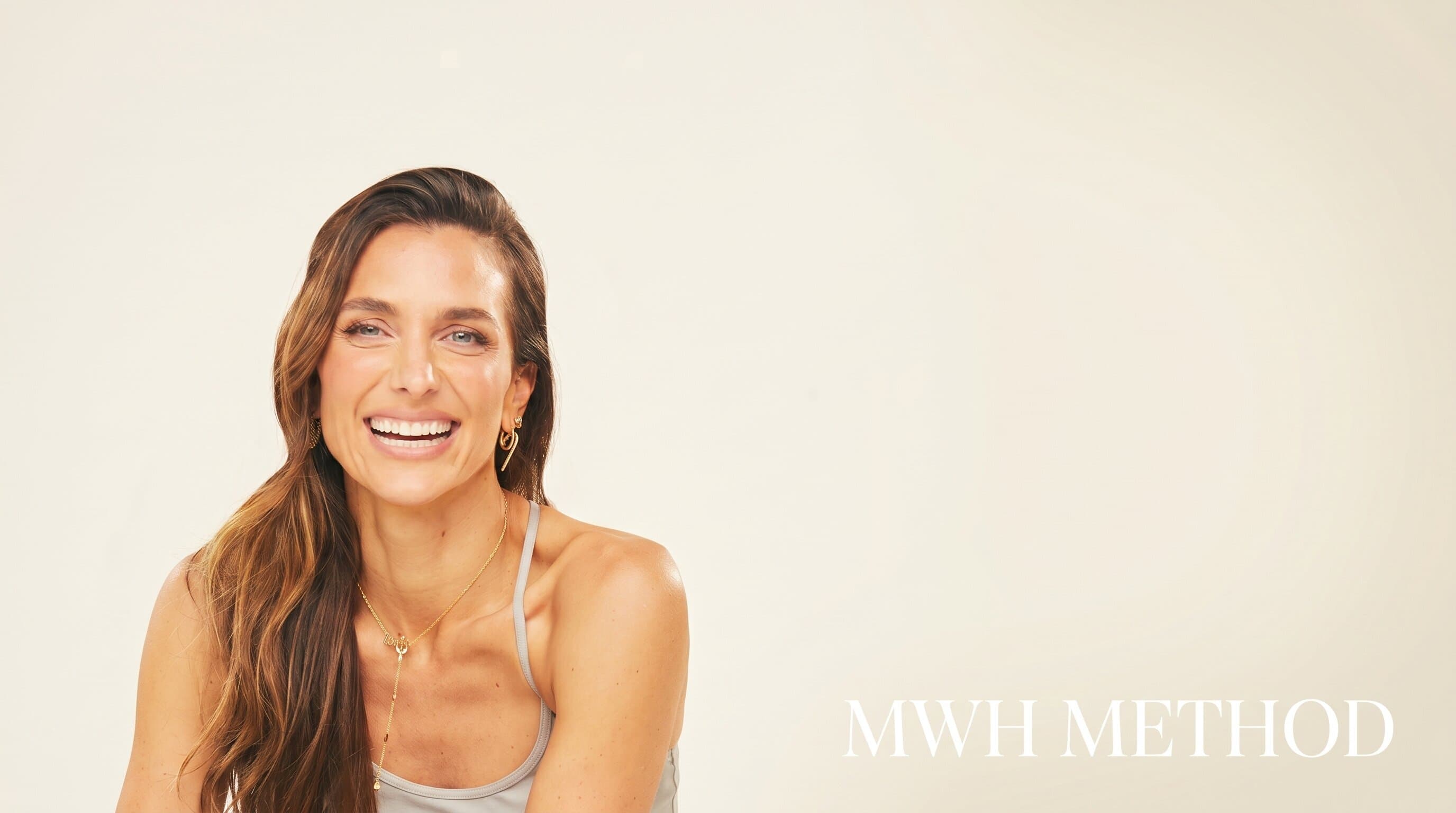
Melissa Wood-Tepperberg is a yoga and Pilates instructor turned founder who built a wellness software business off her iPhone, an Instagram account, and a method she invented at home. She moved to New York to model in her early twenties. The career broke her: agents told her she needed to lose weight, and the pressure produced an eating disorder she has talked about openly in interviews with Bustle. She left modeling and rebuilt her relationship with her body through yoga, Pilates, and meditation. Then she got certified to teach all three. That recovery became her product. In 2015 she started filming short workouts in her living room, posting them to her Instagram account under the @melissawoodhealth handle. No studio rental, no production crew, no investors. Just her, a mat, and a phone propped against a wall. The videos worked. Followers asked for longer routines. She filmed them. The longer routines turned into a paid program. The paid program turned into the MWH app, which today is the business. For the first three years, MWH was a one-woman content operation. Melissa filmed, edited, posted, and ran her DMs. She trained private clients between feedings of her young son. The product was her presence, repeated daily. Then she made the move that separates creators from founders. She stopped selling content one piece at a time and built a subscription product that captured every workout in one place. The MWH app launched in 2019 with a library of yoga and Pilates flows. Users paid one monthly fee for unlimited access. New classes arrived every week. The model is simple, but it changed the math of her business completely. A creator who posts free workouts on Instagram earns nothing per view. A creator who sells a $40 program earns once and then needs another customer. A creator with 1,000 paying app subscribers at $9.99/month earns $9,990 every month, whether she posts that day or not. After a year, she earns it twelve times. That difference is the entire thesis behind why fitness creators dominate the app economy. MWH was built on that math from year one. The MWH Method is a low-impact movement practice combining Pilates, yoga, and standing barre work, delivered through the MWH subscription app and online platform. The classes run between five and sixty minutes. Most are filmed in Melissa's home or a minimal studio. There is no equipment requirement beyond a mat. The pace is deliberately slow, the movements are small, and the focus is on alignment and breath. That description is by design. Melissa built the method around the workout she actually wanted to do as a busy mother of two: short, no equipment, no jumping, and forgiving on the body. The method does not chase trends. It repeats one promise to its audience: feel better in your body, every day, without burning yourself out.
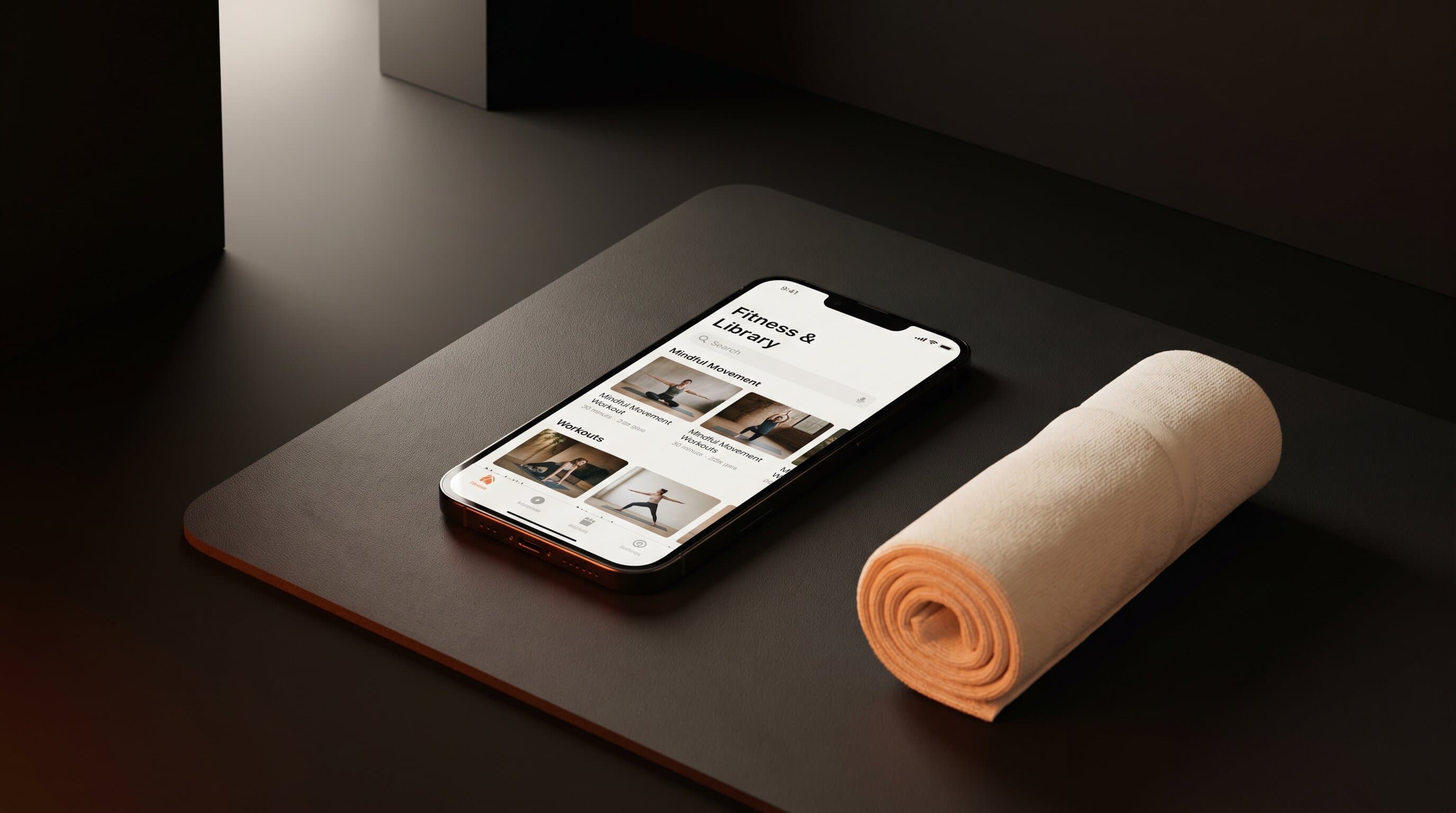
A smartphone displaying a wellness fitness app library on a dark mat, lit by a single warm orange accent
PlanPriceNotes
Monthly$9.99/monthCancel anytime
Annual$99/yearSaves about $20 vs monthly
Free trial7 daysFull library access
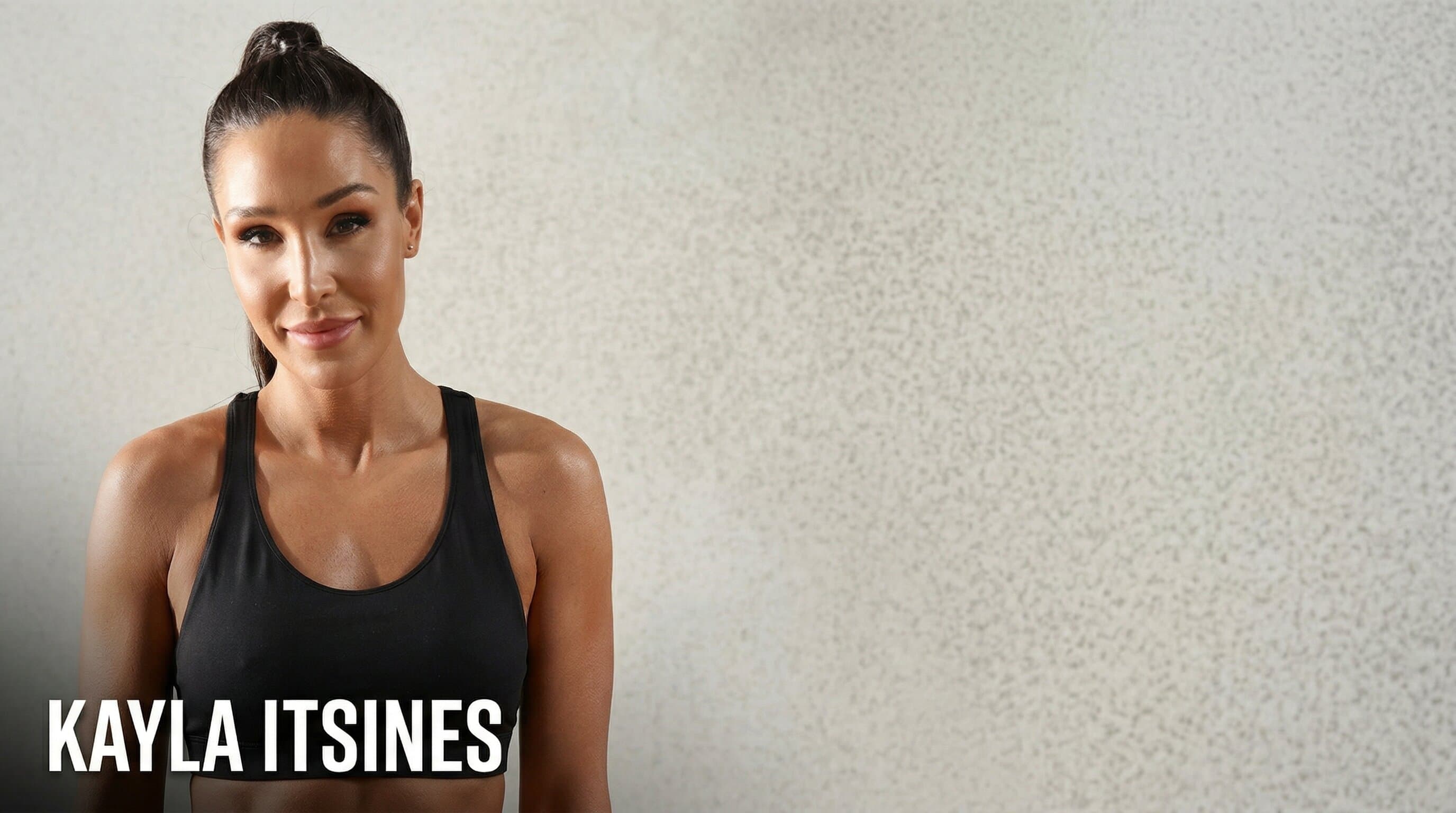
The subscription unlocks 1,000+ on-demand classes, weekly new releases, meditations, prenatal and postnatal series, recipes, and lifestyle content across iOS, Android, and the web. Three things compounded. First, the audience already trusted her. Melissa had spent years giving away free workouts before asking anyone to pay. By the time the app launched, the people in her DMs already had a daily routine with her face in it. The app was not a cold sale. It was a place to put a relationship that already existed. Second, the timing was lucky and the infrastructure was ready. When studios closed in 2020, Melissa already had an app. According to a Harvard Business School case study on the company, MWH membership reached 92,000+ paying subscribers during that period. Other instructors lost their income overnight. She scaled. Third, the product itself made content for her. Every workout filmed for the app could be cut into a 30-second Instagram clip. Every member testimonial was a post. Every new class was a launch announcement. The app and the social channel fed each other, and neither demanded a blank-page brainstorm at the start of the week. That feedback loop is what we call turning content into a product, and it is the cleanest way out of the constant ideation grind that drains most creators. The brand has been profiled by Glossy, Vogue, Forbes, and Goop. Sports Illustrated put Melissa on a cover in 2023, which folded back into MWH growth as net new subscribers signed up after the press cycle. Public business databases peg MWH revenue near $4M annually with around 29 employees on staff. The revenue figure matters because it lands inside a familiar zone. MWH is not a billion-dollar exit story. It is a creator-led wellness app earning multiple millions a year on the back of a single founder's expertise and audience. That outcome is more relevant to most creators reading this than the Kayla Itsines $400M Sweat sale, because it is the version of success that does not require a private equity buyer to validate. A creator who builds an MWH-sized business owns it, runs it, and prints recurring revenue from it. That is the prize most readers should be aiming for. 1. The product is a feeling, not a feature list. MWH is not the longest library or the cheapest plan. It sells a daily sense of calm. The method is the promise. Creators trying to compete with established apps on features lose. Creators who name a feeling their audience cannot get anywhere else win. 2. The audience came first, then the app. Melissa spent years giving away workouts before charging for them. The app was a way to capture demand that already existed, not a way to manufacture demand from a cold start. If your audience is already asking for the same thing in your DMs, you have a product. If you are guessing, you have a hypothesis. 3. Subscription beats one-time payment, even for content people could find free. Free yoga is everywhere on YouTube. Yet 92,000+ people pay Melissa monthly because the curated, sequenced, branded experience is worth more than scrolling for a class. The thing you are selling is the absence of decision fatigue, not the workout itself. 4. The app is a content engine, not just a revenue engine. Every class is also a clip. Every clip is also a lead magnet. Adriene Mishler runs the same loop with the Yoga With Adriene FWFG app, and every successful creator app is structured this way. The platform feeds itself. 5. Subscription math humbles brand deals. A $20K brand deal pays once. 1,000 MWH subscribers at $9.99/month pay $9,990 every month, with no further negotiation. After two months it has lapped the brand deal, and after twelve it has paid five times more. That is the brand deal vs MRR math every creator should run before signing a sponsor contract. The MWH Method is a movement practice founded by Melissa Wood-Tepperberg that combines low-impact Pilates, yoga, and meditation. Classes run five to sixty minutes and require only a mat. The method is delivered through the MWH subscription app on iOS, Android, and web. MWH costs $9.99/month or $99/year, with a 7-day free trial. The subscription unlocks 1,000+ on-demand workouts and meditations plus new content every week. A Harvard Business School case study reported MWH reached 92,000+ paying subscribers, with public business databases putting current annual revenue near $4M and a staff of around 29 employees. Yes. MWH was designed around small, low-impact movements with detailed cueing. Classes are filtered by length, intensity, and focus area, and the prenatal and beginner series are widely recommended for new practitioners. The MWH model rewards real expertise and an existing audience. Define a method only you can teach, build a small audience around it, and turn the daily content into a subscription product. If you want help with the build, we partner with creators on a $0 upfront, revenue-share model and ship to the App Store in three weeks.
Melissa filmed it on her phone. Your turn. We build software businesses for creators. $0 upfront, 3-week delivery, we handle all the tech forever.
Book Your Free Strategy Call →

Get Creator Revenue Insights

How creators are turning audiences into subscription businesses

You might also enjoy...

Melissa Wood Health: From iPhone Yoga to MWH Method App